A shared year creates the illusion
Kamoʻoalewa and Earth take nearly the same time to circle the Sun. That makes the asteroid a co-orbital companion: it travels around the Sun in Earth’s orbital neighborhood, rather than circling Earth itself.
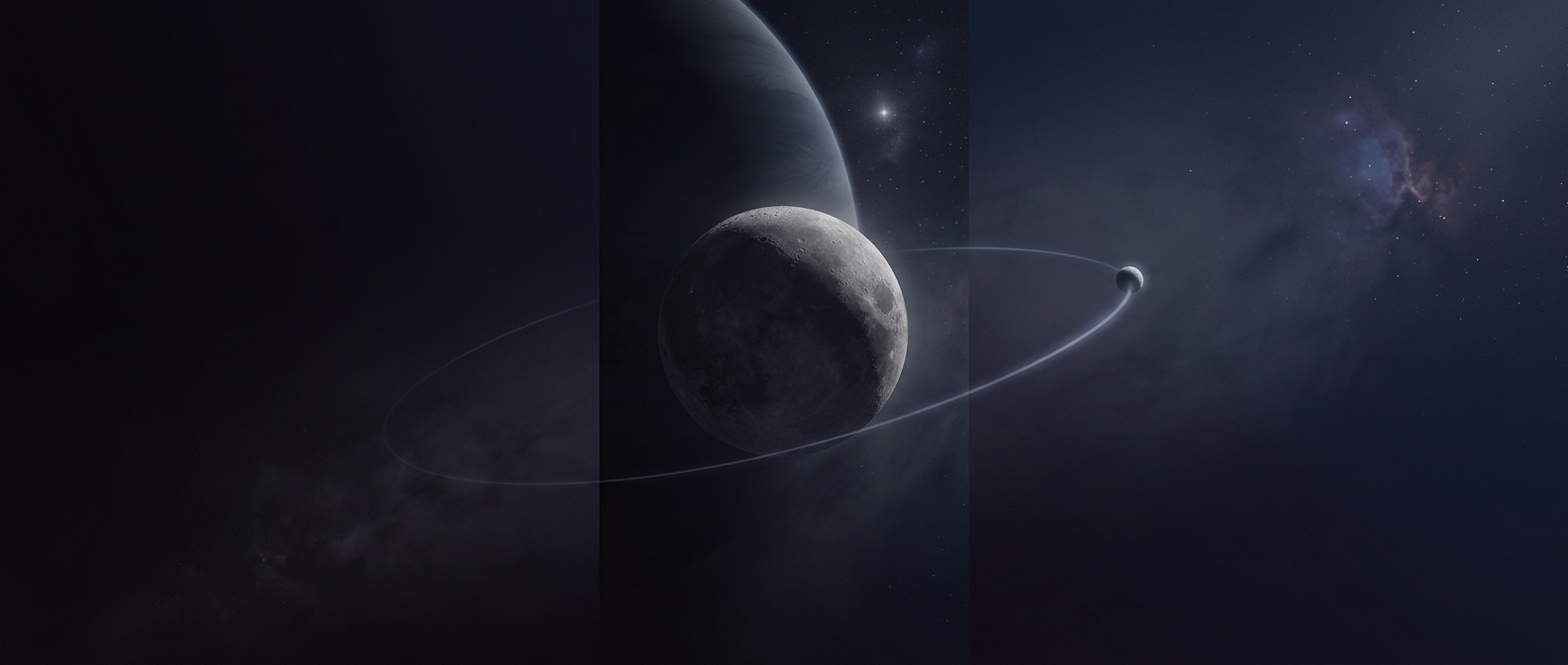
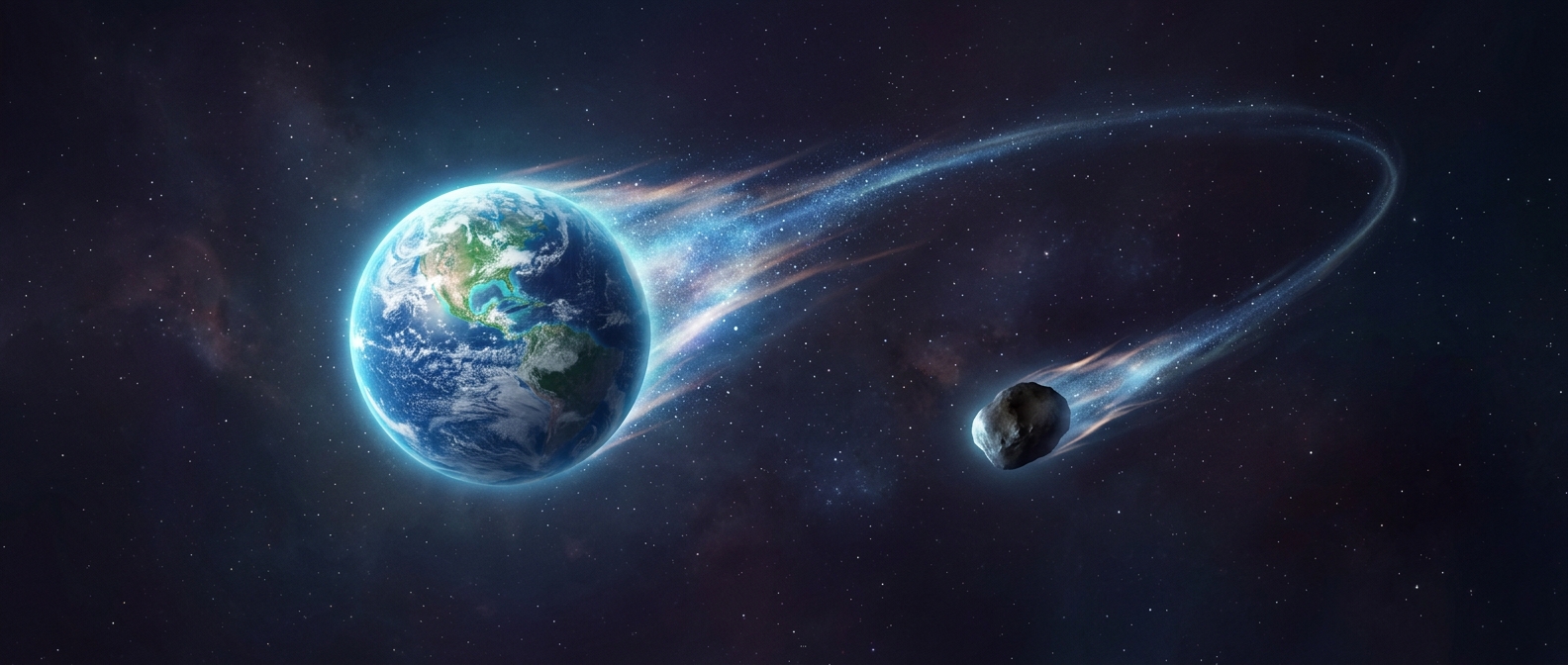
The distinction becomes clearer if you track both bodies from above the solar system. Kamoʻoalewa follows its own solar orbit, slightly offset from Earth’s. But from Earth, the asteroid’s changing position appears to trace a loop around our planet. The loop is a perspective effect, not a small orbit hidden around Earth.
Why the loop can persist
A quasi-satellite is a special kind of co-orbital object. Because its solar orbital pace is close to Earth’s, it stays near Earth for an extended stretch instead of quickly pulling far ahead or falling far behind. Earth’s gravity helps shape the relative motion, but it does not hold Kamoʻoalewa in the way Earth holds the Moon.
The geometry is a little like walking around a track at almost the same speed as someone else: your position relative to that person changes slowly, even though both of you are moving around the larger loop. In space, the changing relative position produces the apparent curl.
A companion, but not a second moon
That makes “quasi-moon” a useful visual description, not a literal classification. Kamoʻoalewa is bound to the Sun, and its apparent circuit around Earth comes from the near match between the two solar orbits. It can keep company with Earth without being Earth’s satellite—a reminder that what an orbit looks like depends on where the observer is standing.