Science
Discover facts about science. Small discoveries that change the way you see familiar things.
Science
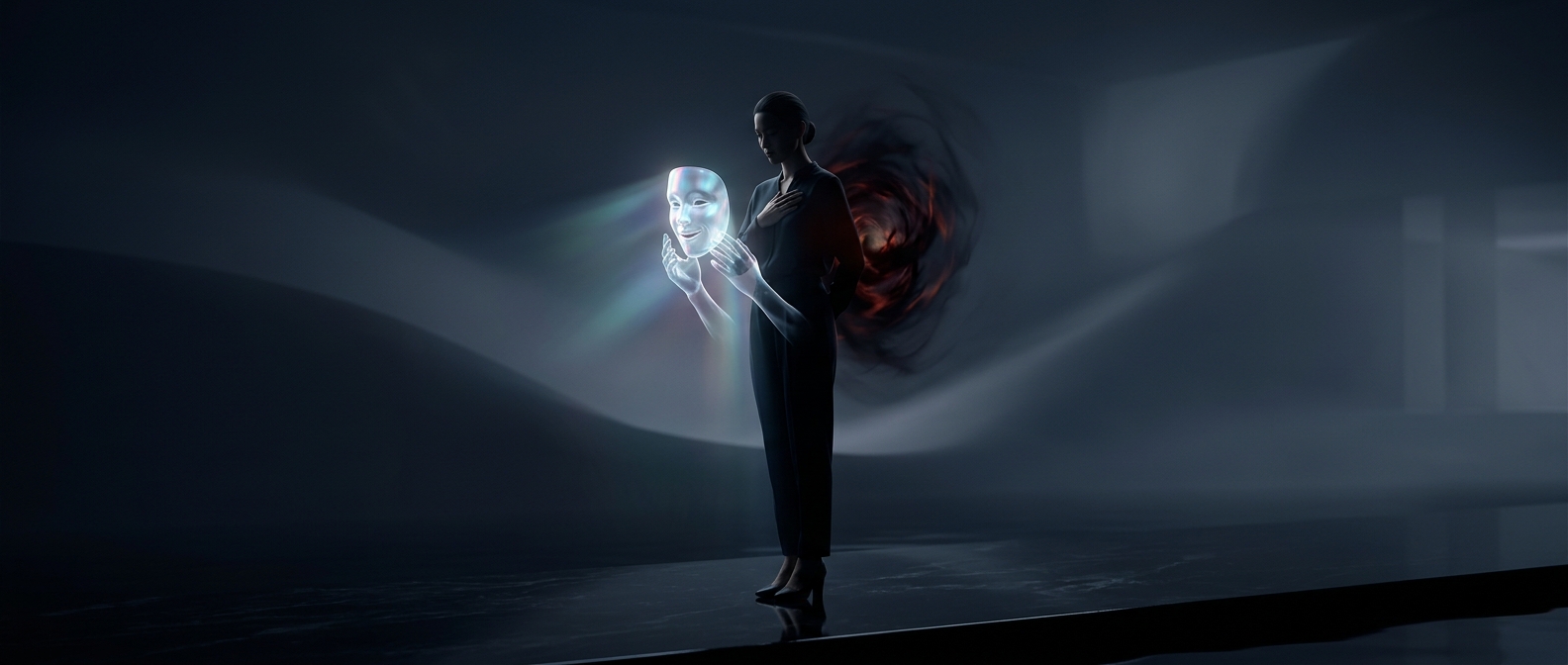
Behaving exactly opposite to your actual feelings
A person might respond to an uncomfortable feeling by leaning hard into its opposite, using the display as a shield. That pattern is called reaction…
Discover more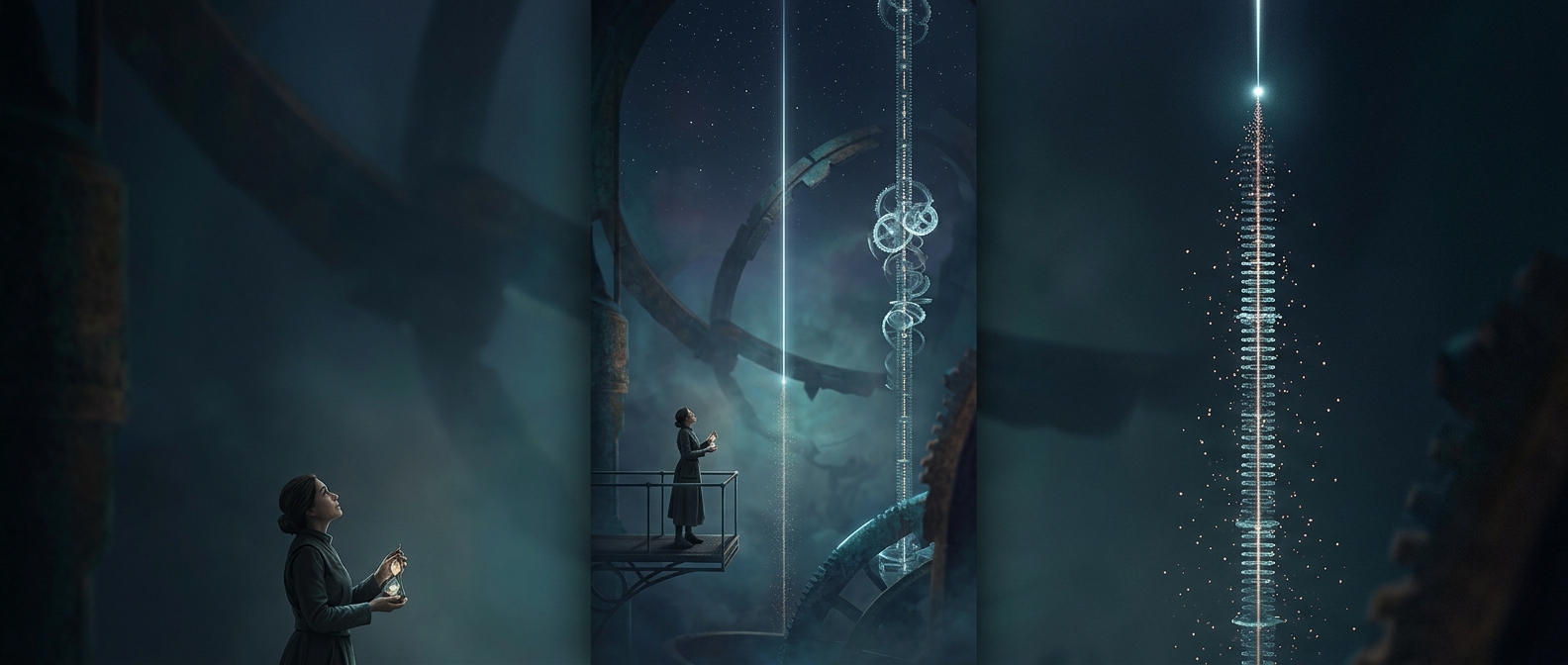
Nanosecond represents exactly one billionth of a second
A nanosecond is one-billionth of a second, yet light can travel about a foot in that time. That makes the unit handy for thinking about delays in fast…
Discover more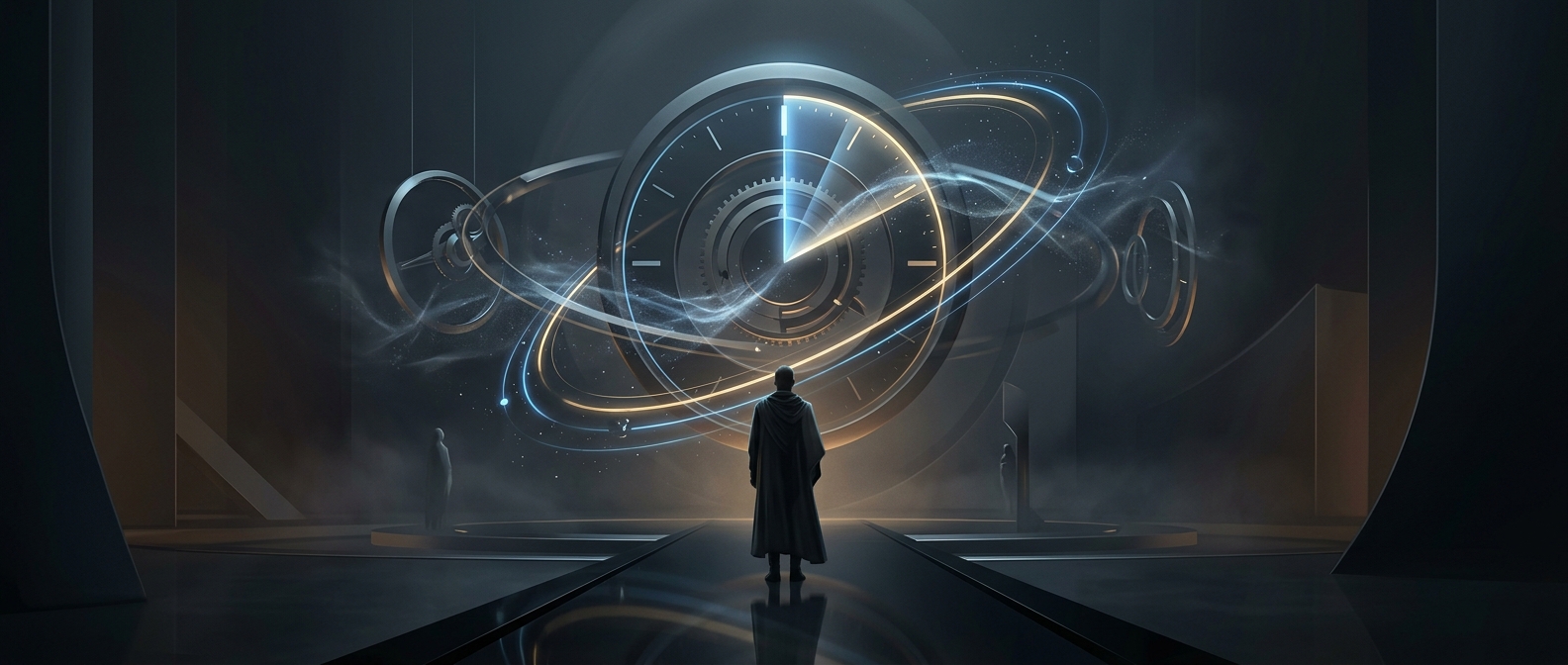
A medieval “moment” was a fraction of an hour
One traditional division split an hour into 40 moments. With a modern 60-minute hour, that works out to 90 seconds, although historical hours were not always…
Discover more
Viewing the entire world in strict polar extremes
A person can have admirable and frustrating sides at the same time, but stress can make that mixed picture hard to hold onto. Some people with borderline…
Discover more
Thermal imaging cameras detect heat signatures in darkness
A thermal camera usually sees infrared radiation, not heat passing through glass. Ordinary windows let visible light through but block much of the infrared…
Discover more
How friction can weld metal without a torch
In friction welding, rubbing heats the two metal pieces until their surfaces soften, usually without melting. Pressure then pushes away surface films and…
Discover more STACKY FOR IPHONE
A bigger world.
One discovery
at a time.
Keep discovering with Stacky. Interesting facts in an app that is always within reach.
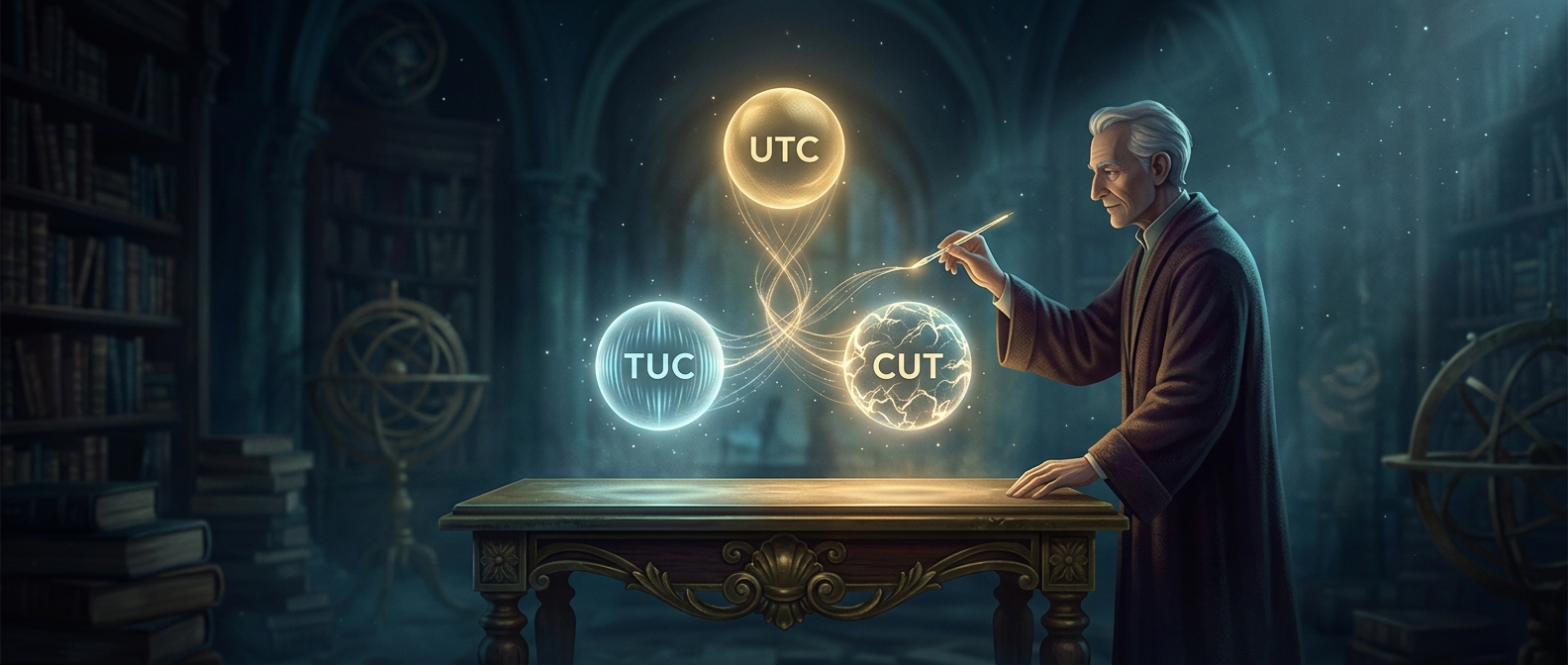
Why global time is called UTC
UTC is a compromise between two word orders. English speakers wanted CUT, while French speakers favored TUC, from *Temps Universel Coordonné*; UTC sidesteps…
Discover more
A blowtorch and a raw egg made Starlite famous
Maurice Ward demonstrated his insulating material by coating an egg and exposing it to intense heat while the inside remained uncooked. The coating delayed…
Discover more
Doomsday clock measures proximity to global catastrophe
The Doomsday Clock isn’t counting down to a booked apocalypse. Experts move its hands to represent their assessment of risks such as nuclear conflict and…
Discover more
Batteries convert stored potential energy into electricity
Inside a battery, reactions at two electrodes set up opposite electrical conditions. Connect a device and electrons travel through its circuit, carrying…
Discover more
The kilogram used to live in a vault
For more than a century, the kilogram was defined by one metal cylinder locked away in a vault. If dust or a tiny bit of wear changed its mass, every scale…
Discover more
Why wind turbines slow down in strong winds
When wind pushes too hard, turbine blades can turn partly away from it, reducing the force on the rotor; a brake may slow it further. That protects the blades…
Discover more
The year Sweden had a February 30
Sweden’s February 30 came from trying to switch calendars and then changing course. In 1700, the country skipped a leap day to begin moving from the Julian…
Discover more
Researchers caught birch trees lowering their branches at night
Laser scans of two trees found branch tips drooping by as much as about ten centimeters before rising again. Changes in water pressure inside the tissues are…
Discover more
Mass remains identically constant wherever you go in space
A scale changes its reading in a weaker gravitational field because it measures the force of gravity on you, not your mass. Your mass—the amount of matter in…
Discover more
Stationary objects require aggressive force to start moving
A box often needs a bigger shove to start sliding because the surfaces press and grip against each other at rest. Once the box is moving, that grip is usually…
Discover more
Squeezing trapped gas abruptly spikes its internal pressure
Imagine the gas molecules as pinballs ricocheting inside a container. Push them into a smaller space and they hit the walls more often, raising the pressure.…
Discover more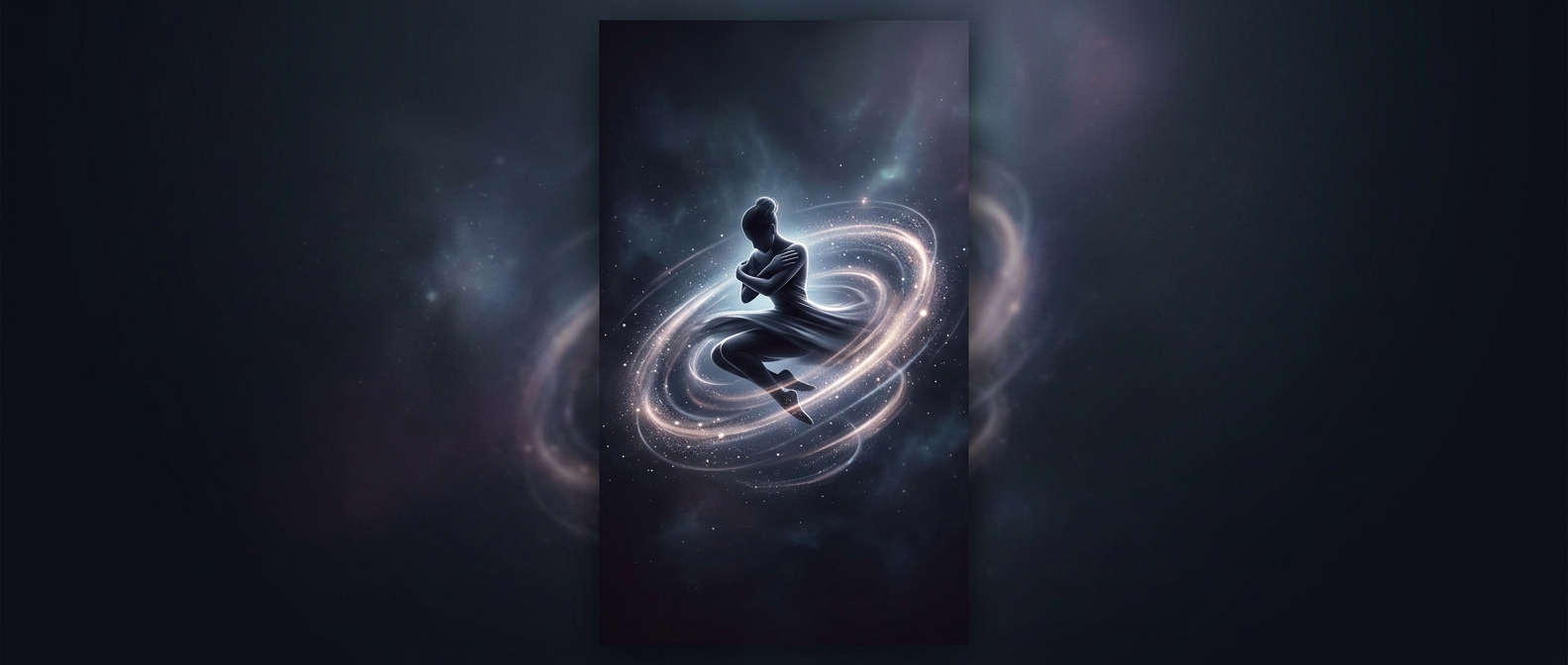
Pulling your arms inward forces you to spin much faster
A spinning body keeps its angular momentum—the amount of spin it already has. Pulling your arms inward brings mass closer to the axis, making it easier to…
Discover more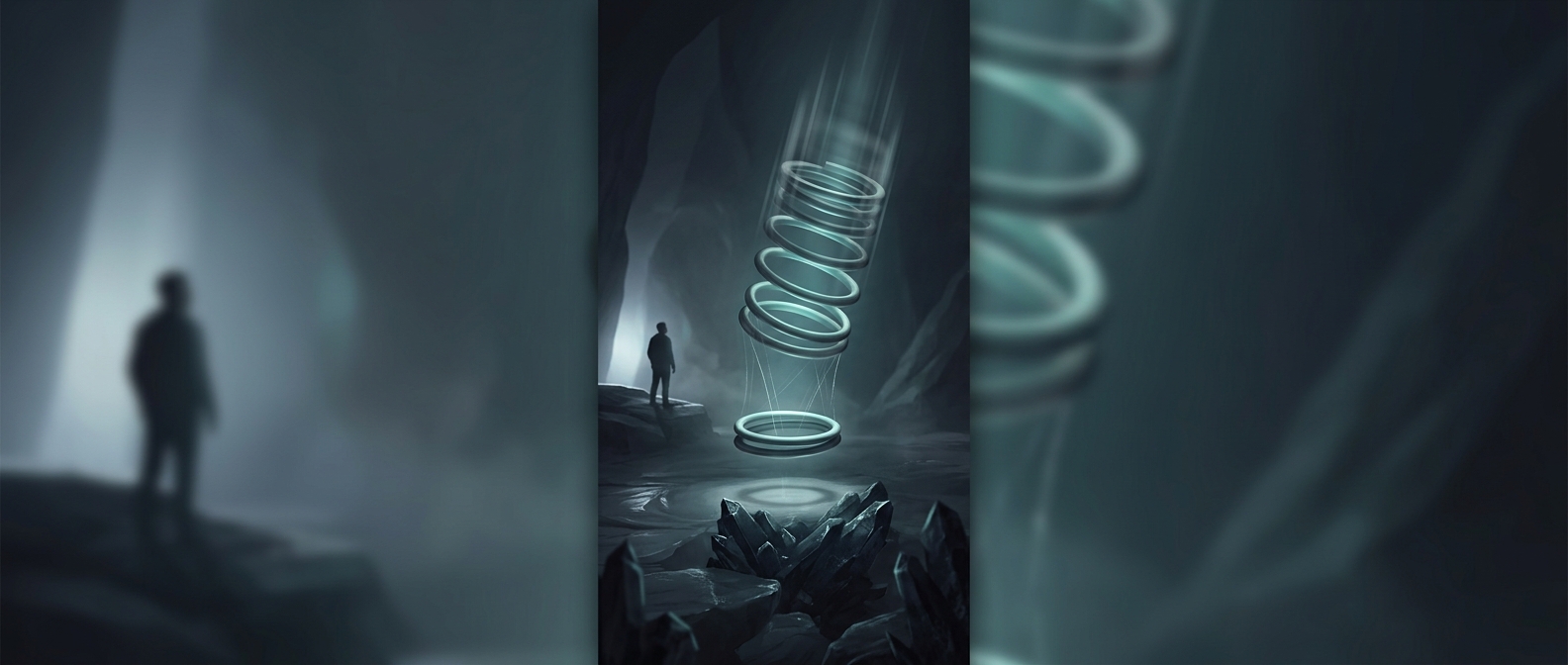
Why a dropped spring's bottom hangs in midair
When the top of a spring is released, the change in tension travels down it like a signal. Until that signal reaches the bottom, the lower coils are still…
Discover more
Perfect black bodies theoretically swallow all radiation
Imagine an object that never reflects or lets radiation pass through: it absorbs all of it. That ideal absorber also emits radiation, with its temperature…
Discover more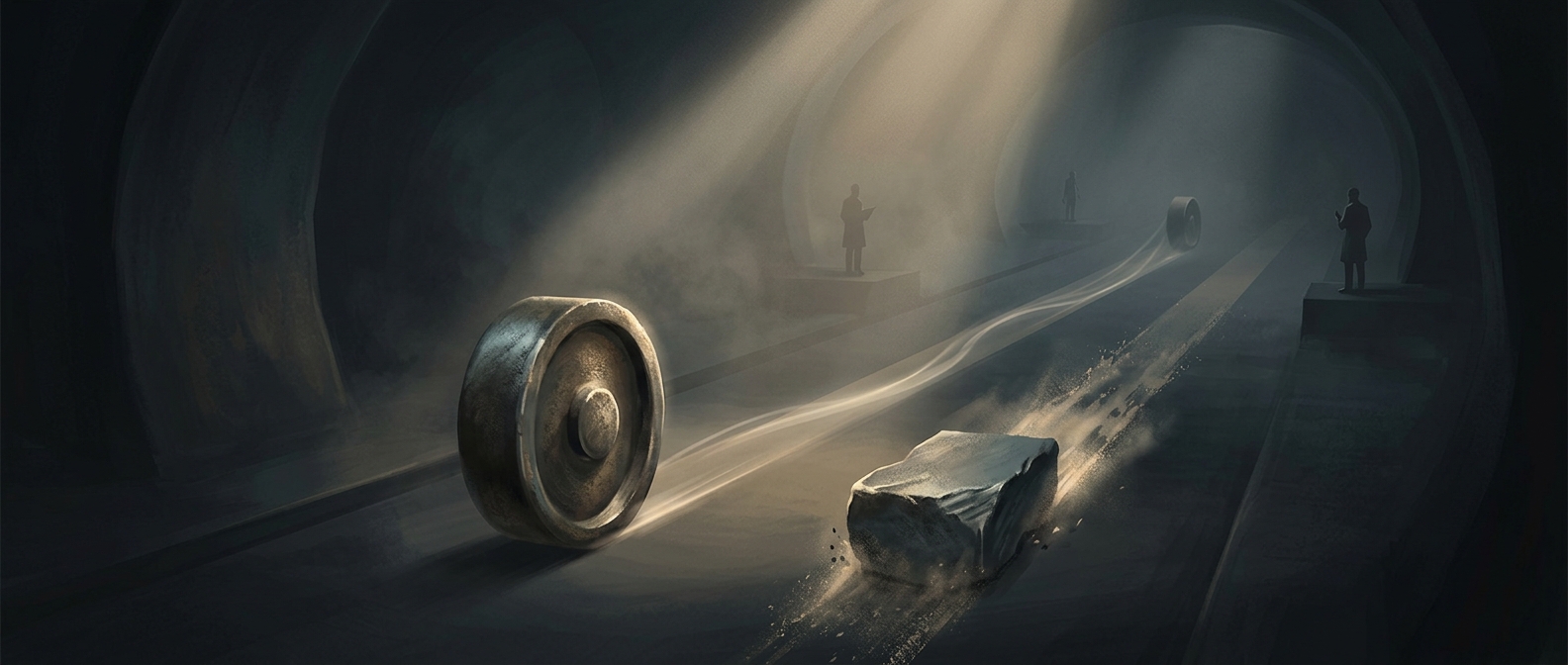
Rolling objects lose drastically less momentum than sliding
When something slides, its surfaces rub past each other, turning some of its motion into heat. A rolling wheel mostly avoids that: the bit touching the ground…
Discover more
Your center of mass can float in empty space
A ring’s mass sits around its rim, but the opposing sides balance at the empty center. Physicists call that invisible balance point the center of mass and use…
Discover more
Two bright lights can create darkness
When two light waves meet out of step, a peak from one can line up with a trough from the other and cancel, making a dark patch. The energy hasn’t vanished;…
Discover more
Mirages are simply bent light hovering over very hot ground
A road mirage is sky light taking a detour through hot air. Air just above the pavement is less dense than the cooler air higher up, so light bends as it…
Discover more