Science
Discover facts about science. Small discoveries that change the way you see familiar things.
Science
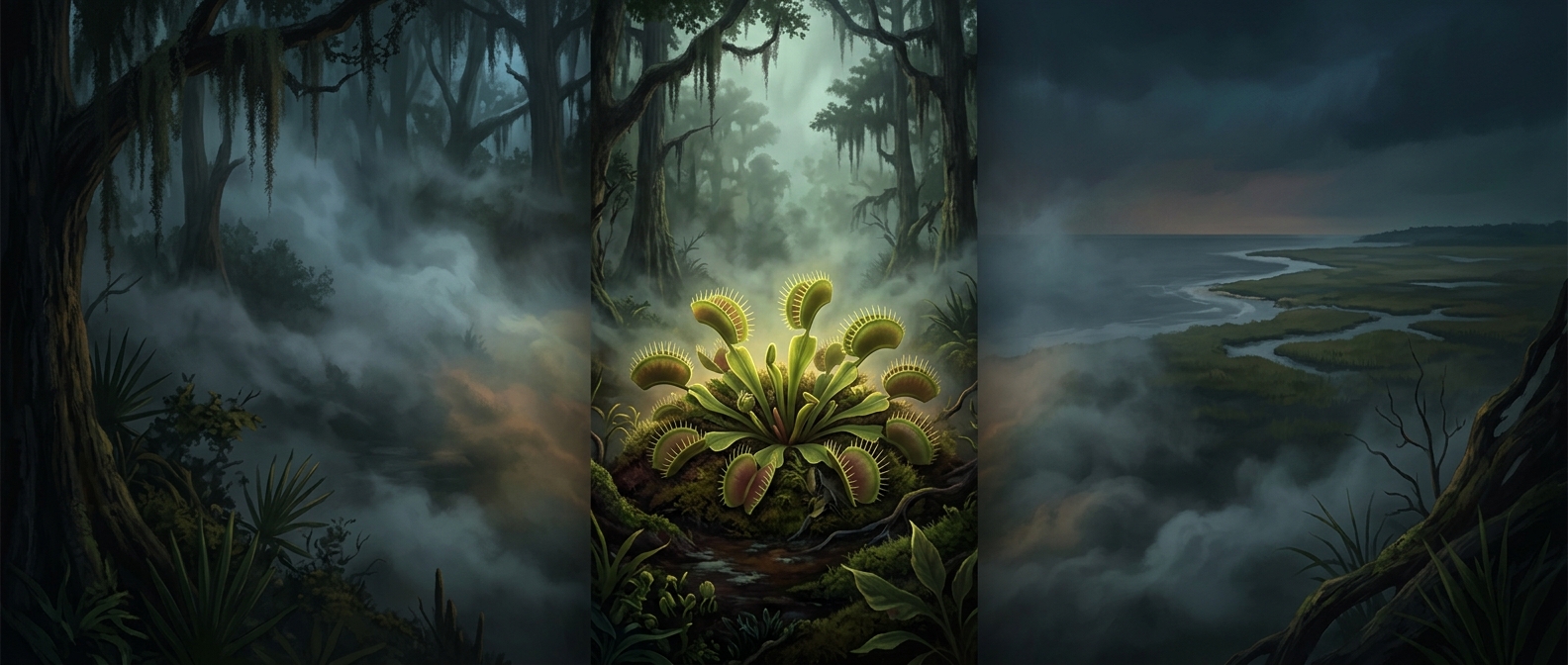
The Venus flytrap grows wild in only one small region
A Venus flytrap needs a very particular home: sunny, wet, nutrient-poor bogs and savannas. Those conditions occur in a small stretch of North and South…
Discover more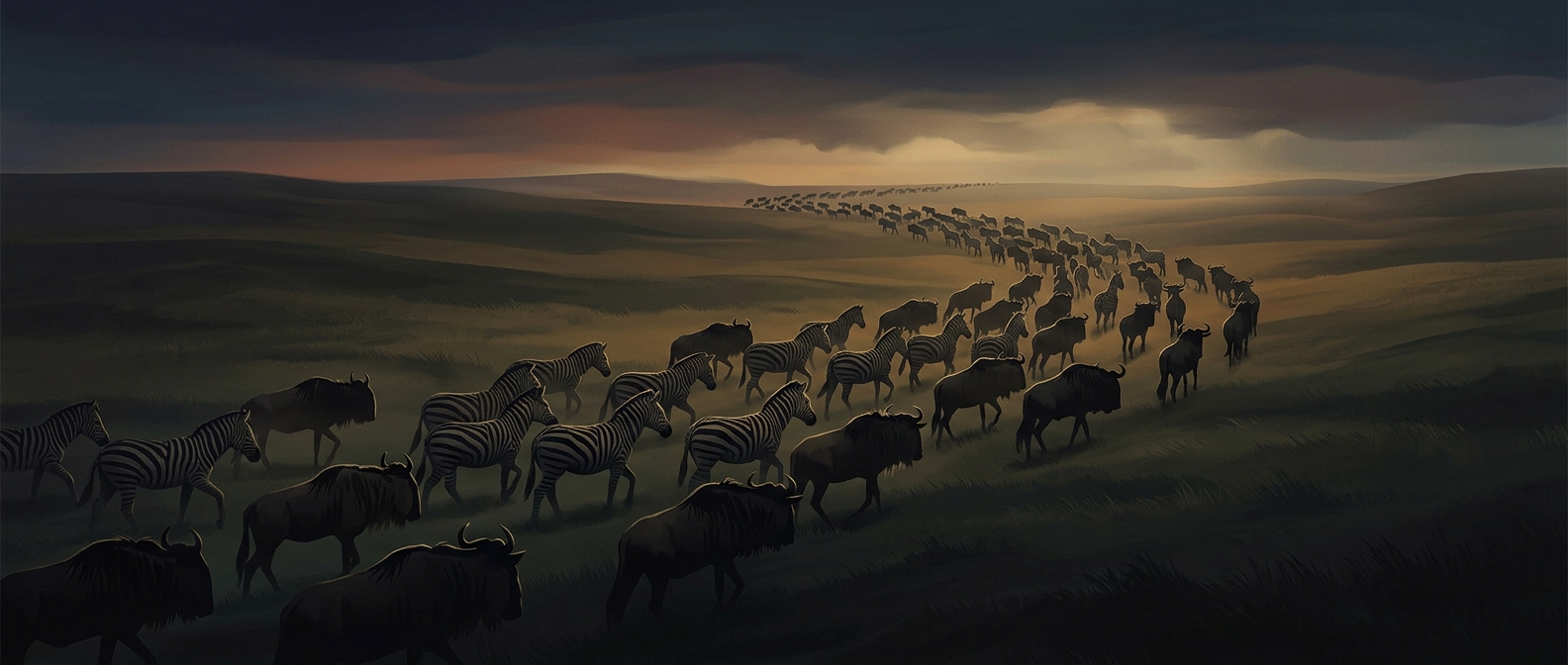
Zebras travel in massive herds alongside wildebeests
In a mixed herd, a predator has many moving animals to track, making it harder to single out one zebra. That crowd can lower an individual’s risk, but it’s no…
Discover more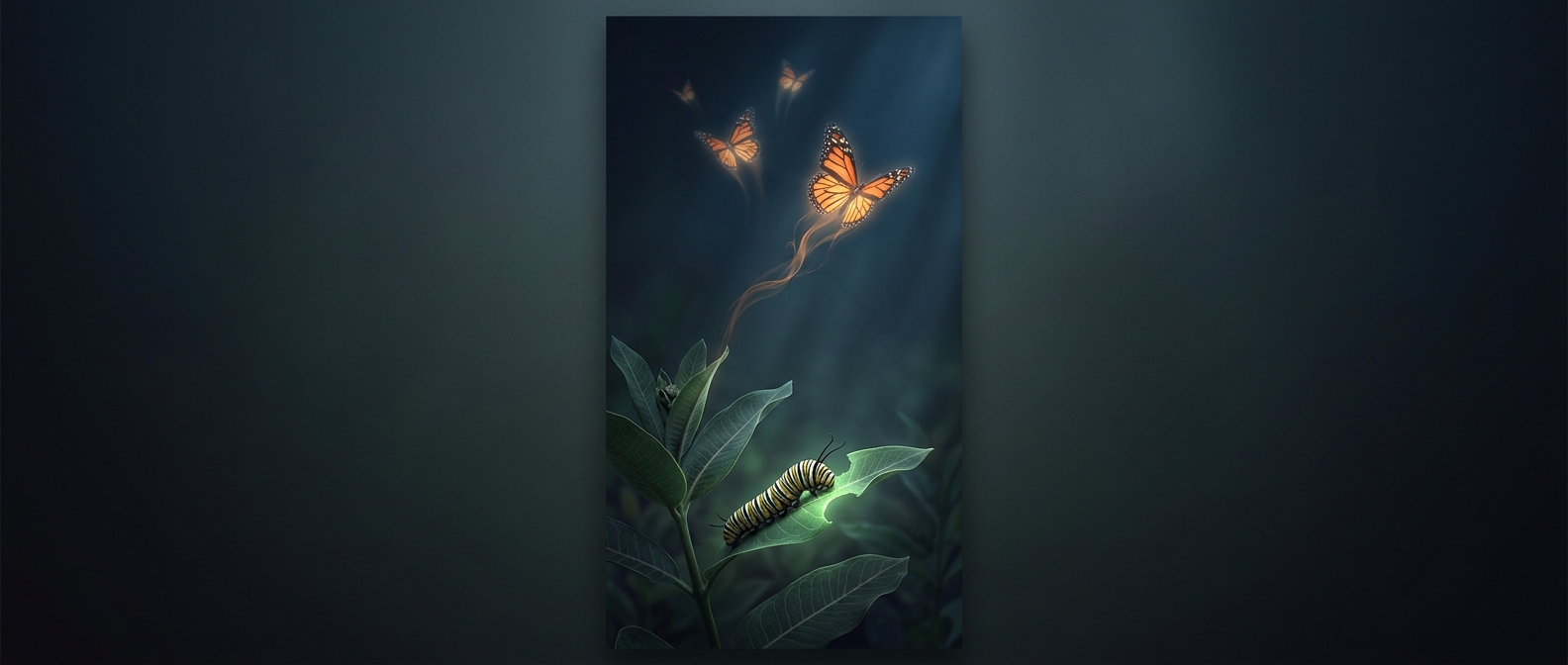
Monarch caterpillars eat milkweed before taking flight
A monarch’s chemical defense starts at the milkweed buffet. The caterpillar takes in cardenolides—plant toxins—and some remain in the adult butterfly. A…
Discover more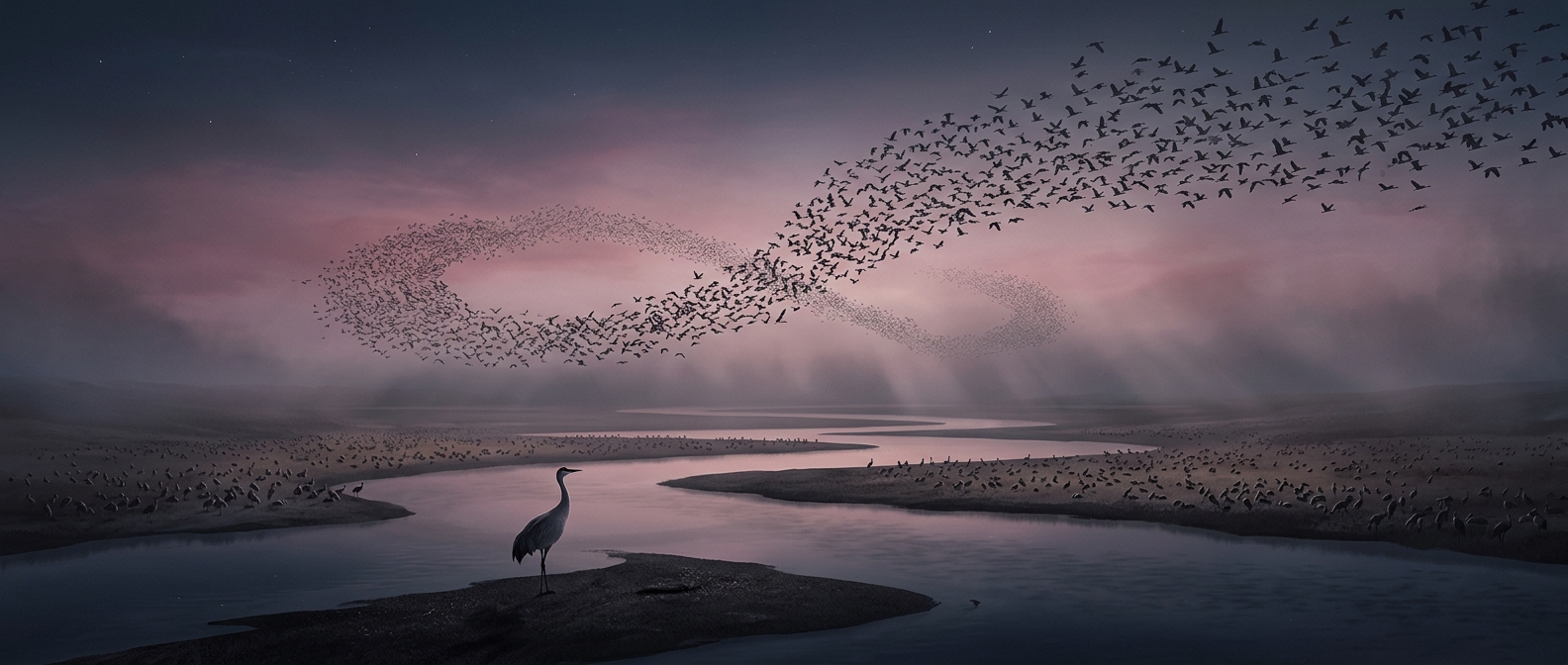
Sandhill cranes gather by the thousands in Nebraska
At night, shallow water gives a crane flock an open-air alarm system: a predator has little cover, and the birds can spot it approaching. At dawn, they fly to…
Discover more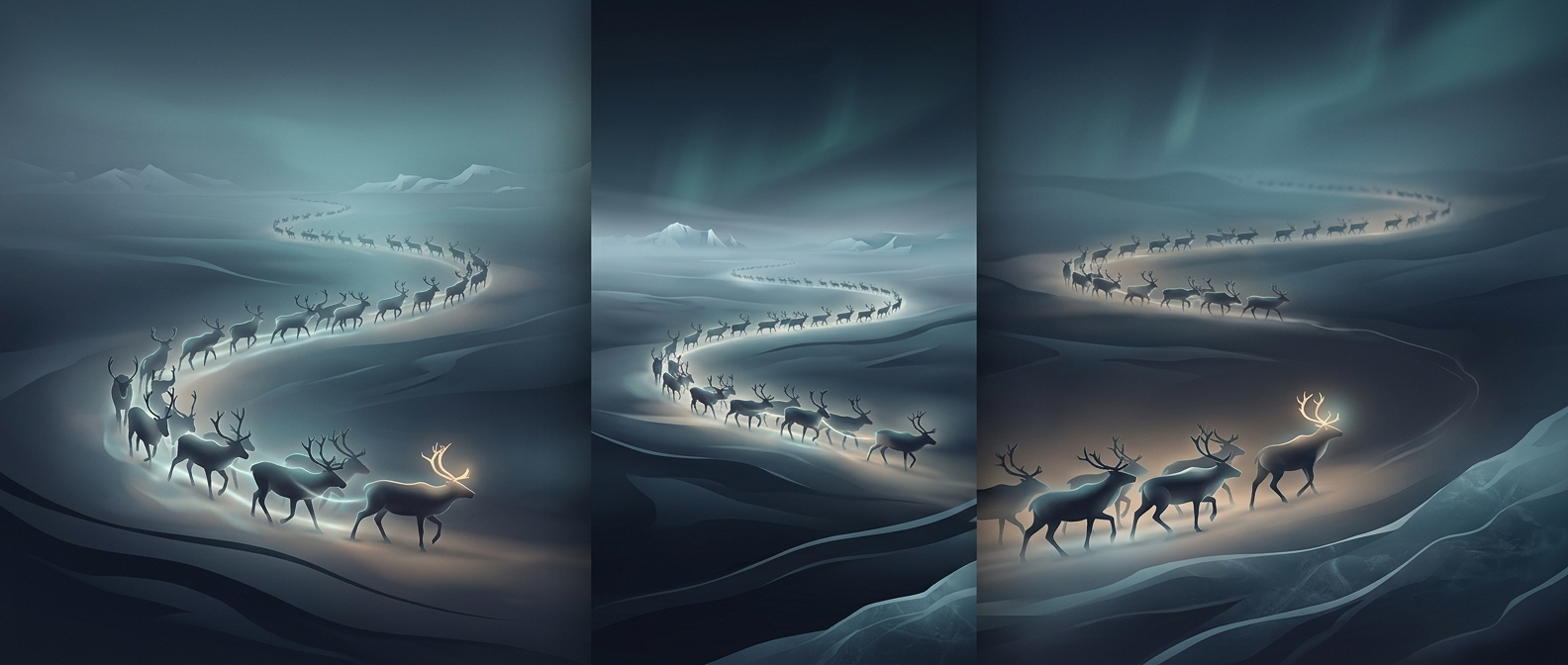
Reindeer herds travel thousands of miles across tundra
A reindeer herd may make little clicks as it walks, not just the familiar thump of hooves. Researchers think tendons shifting over bones in the animals' lower…
Discover more
A camera flash dumps stored energy into a gas
In a xenon flash tube, an electrical discharge excites the gas and produces an intense burst of light. A capacitor stores energy between shots, then releases…
Discover more STACKY FOR IPHONE
A bigger world.
One discovery
at a time.
Keep discovering with Stacky. Interesting facts in an app that is always within reach.
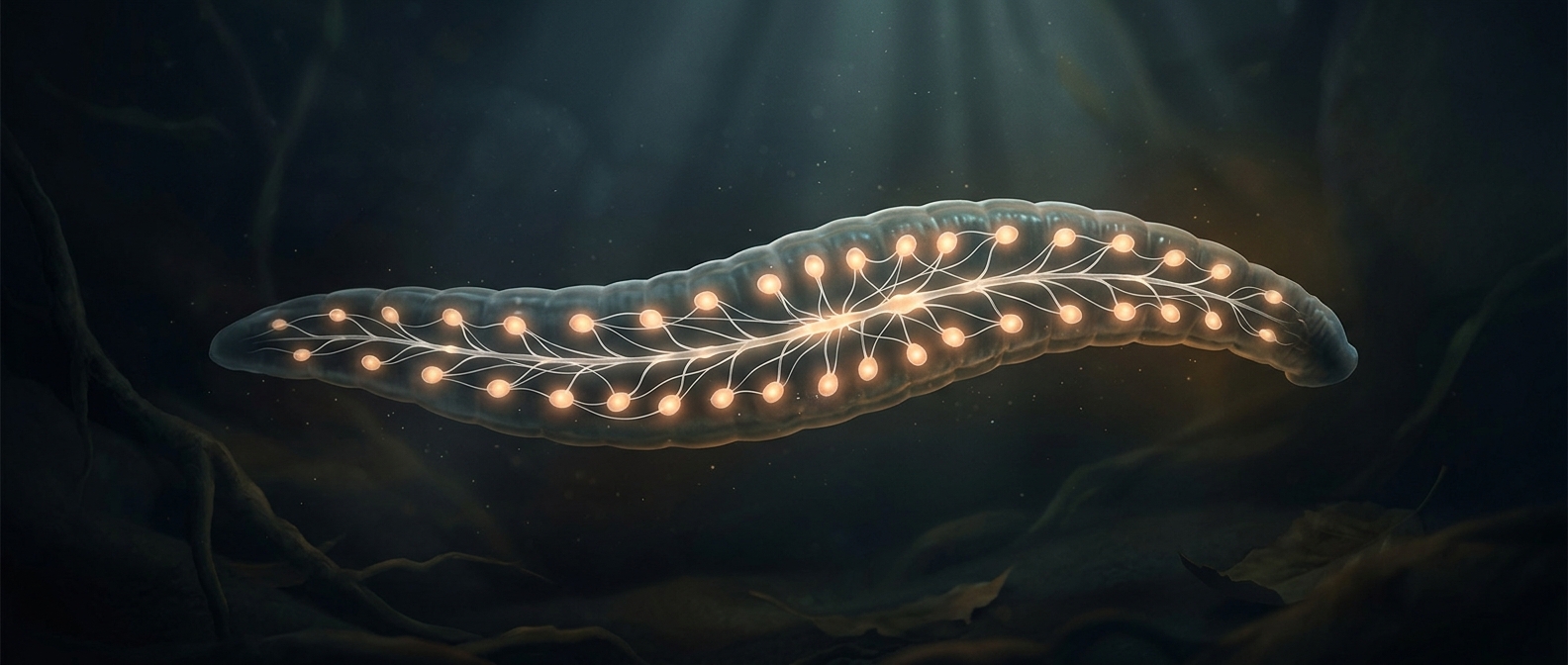
A leech runs its body through a chain of nerve centers
Those 32 compartments are clusters of nerve cells, not 32 independent brains. Each ganglion can coordinate nearby body segments, so a local part of the leech…
Discover more
Ruby-throated hummingbirds fly continuously across borders
Over the Gulf of Mexico, a ruby-throated hummingbird has no branch to stop on and no flowers to top up its tank. It loads up on fat before takeoff, then burns…
Discover more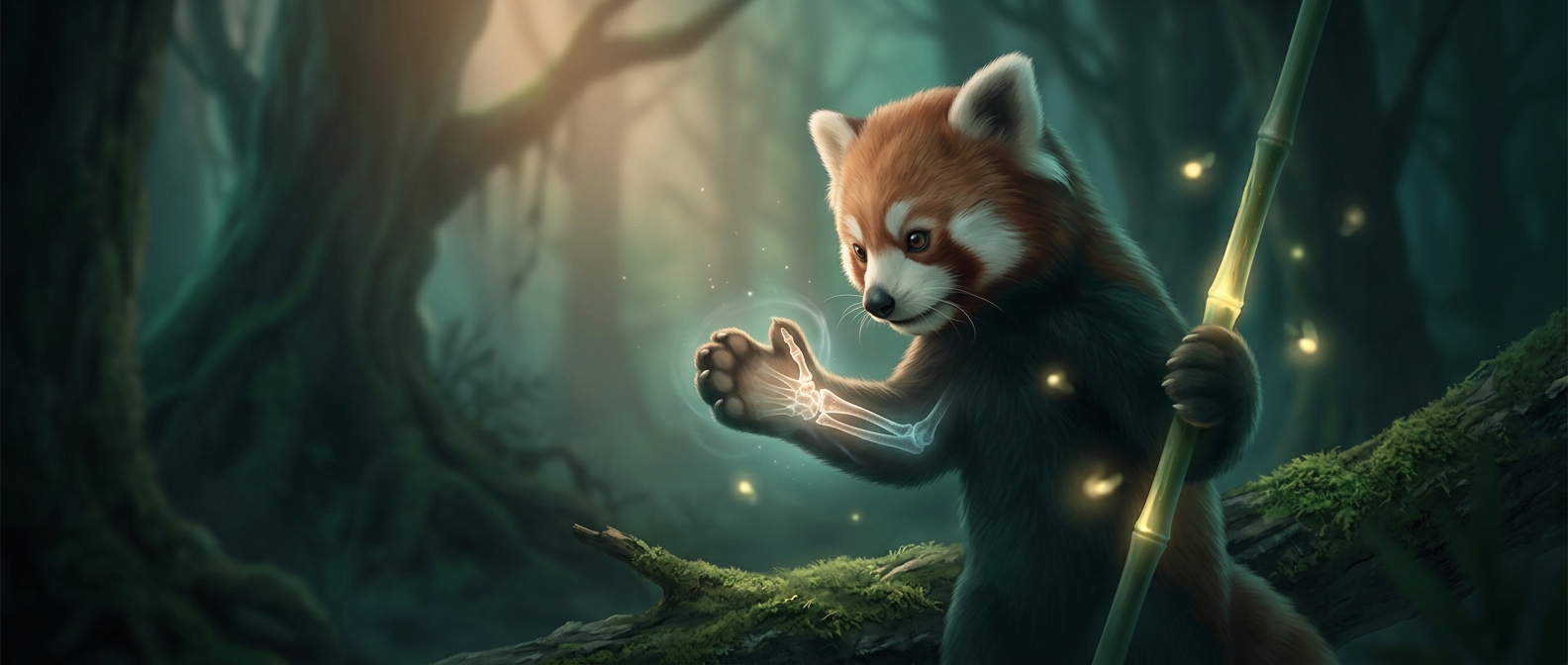
The strange extra thumb of red pandas
That extra-looking red panda thumb is a wrist bone pressed against the rest of the paw, not an extra finger. It helps clamp bamboo securely enough to handle.…
Discover more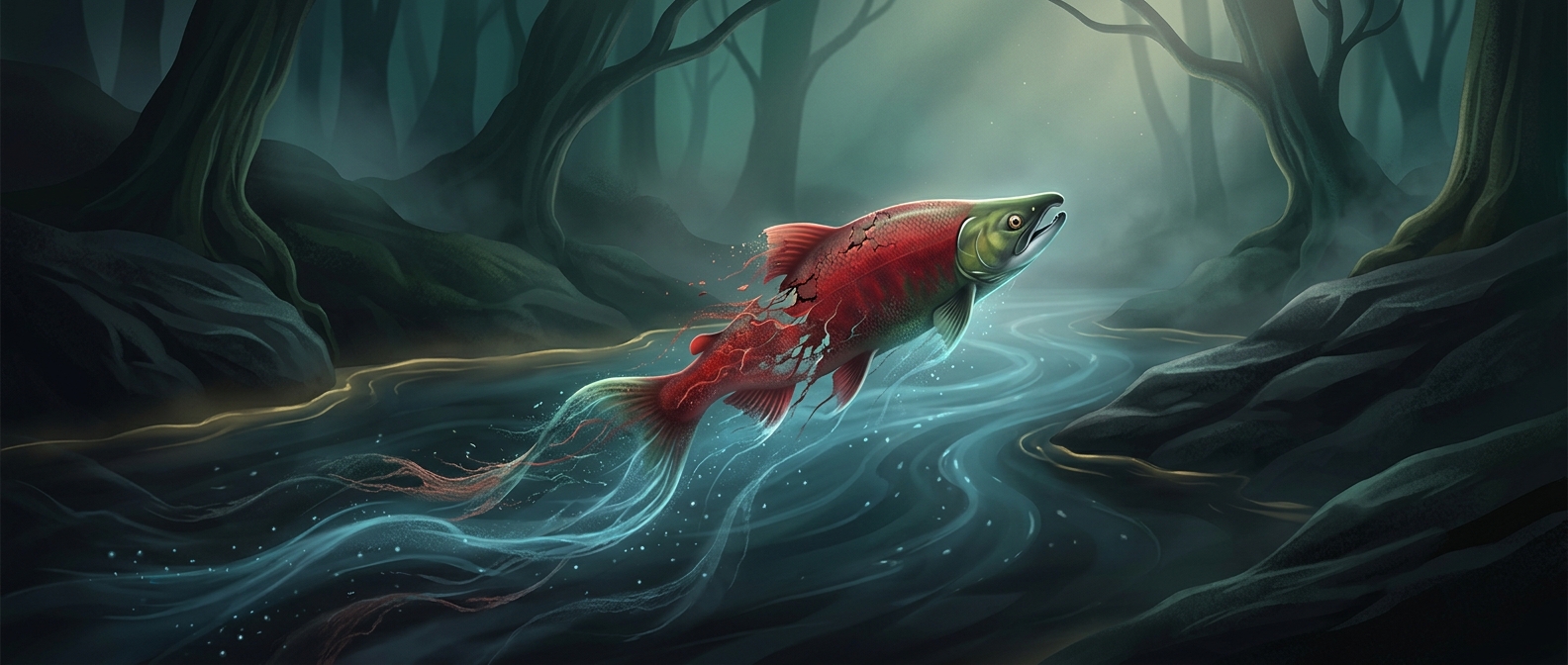
Salmon swim upstream as their bodies break down
As sockeye salmon migrate to spawn, carotenoid pigments accumulate in their skin and turn them red. The long trip uses up energy, and the fish fast as they…
Discover more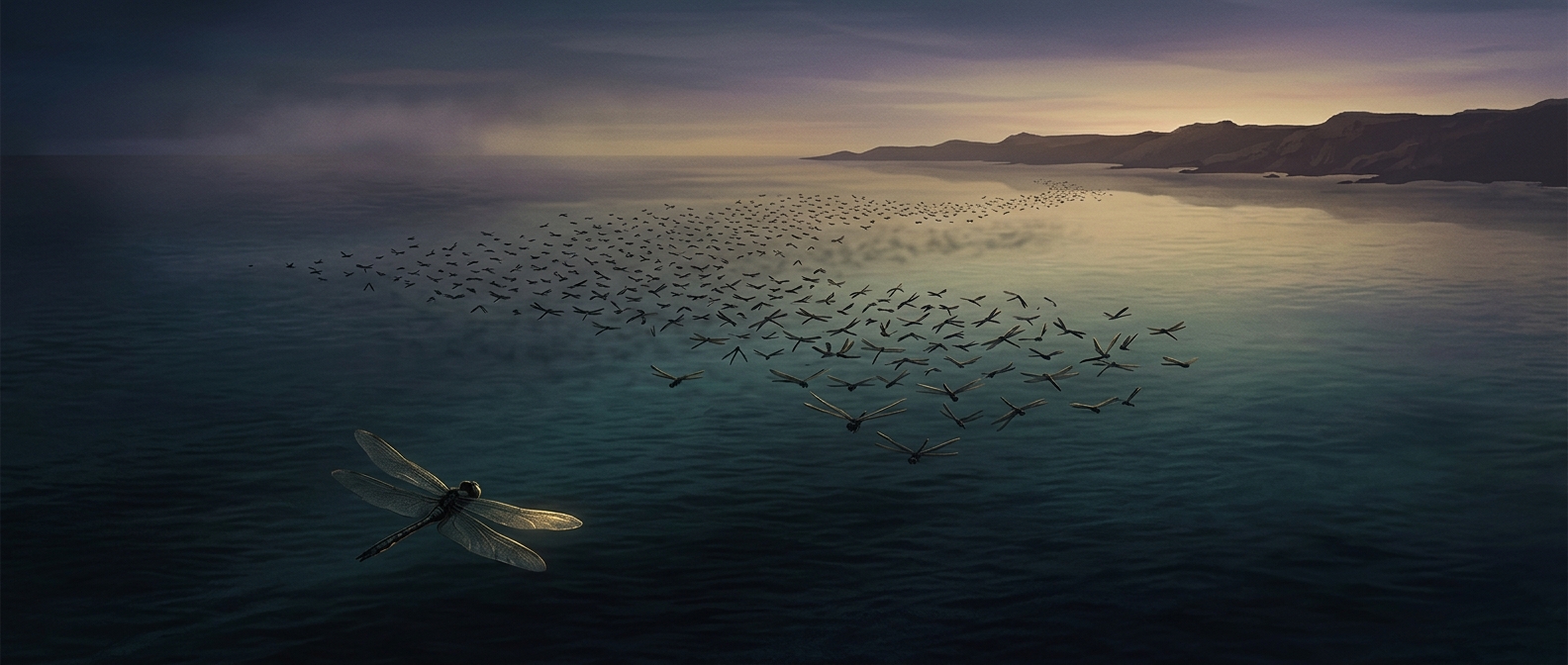
Dragonflies cross oceans by riding the wind
A favorable wind gives globe skimmers a moving walkway across the ocean. They still steer and flap, but gliding with the air saves energy on stretches with…
Discover more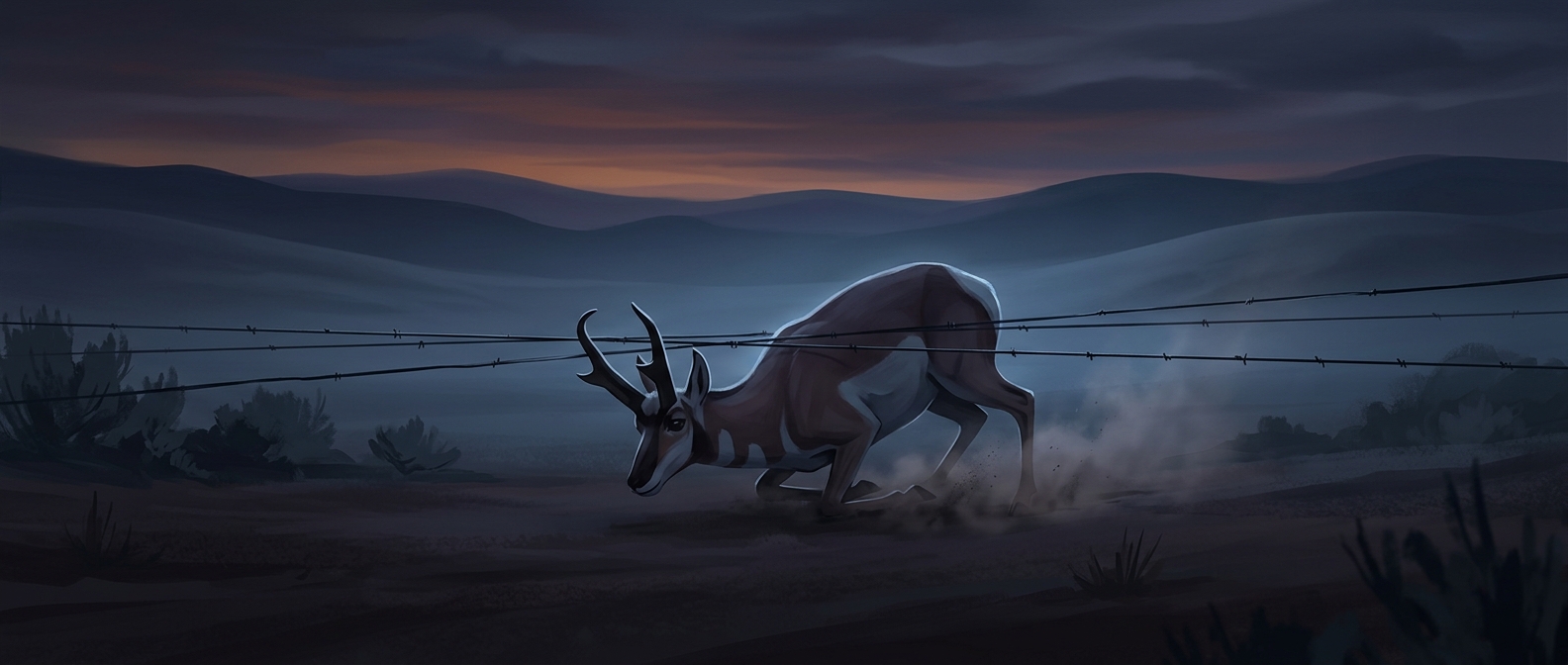
North America's speed champion struggles with a simple fence
Pronghorn usually prefer going under fences to jumping them. A low bottom wire can therefore interrupt a migration route for an animal capable of…
Discover more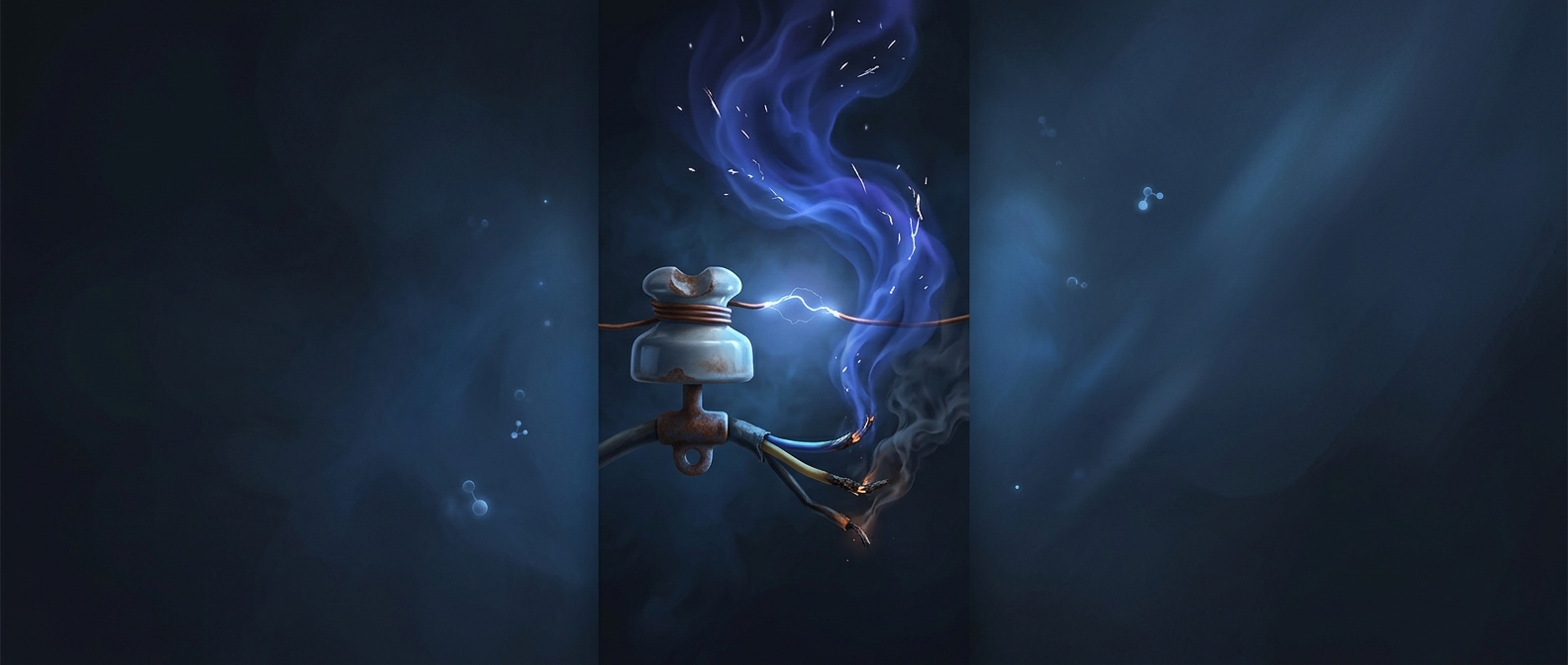
The smell of ozone is familiar after all
That sharp smell can come from ozone, a form of oxygen with three atoms instead of the usual two. A spark or lightning can split ordinary oxygen molecules;…
Discover more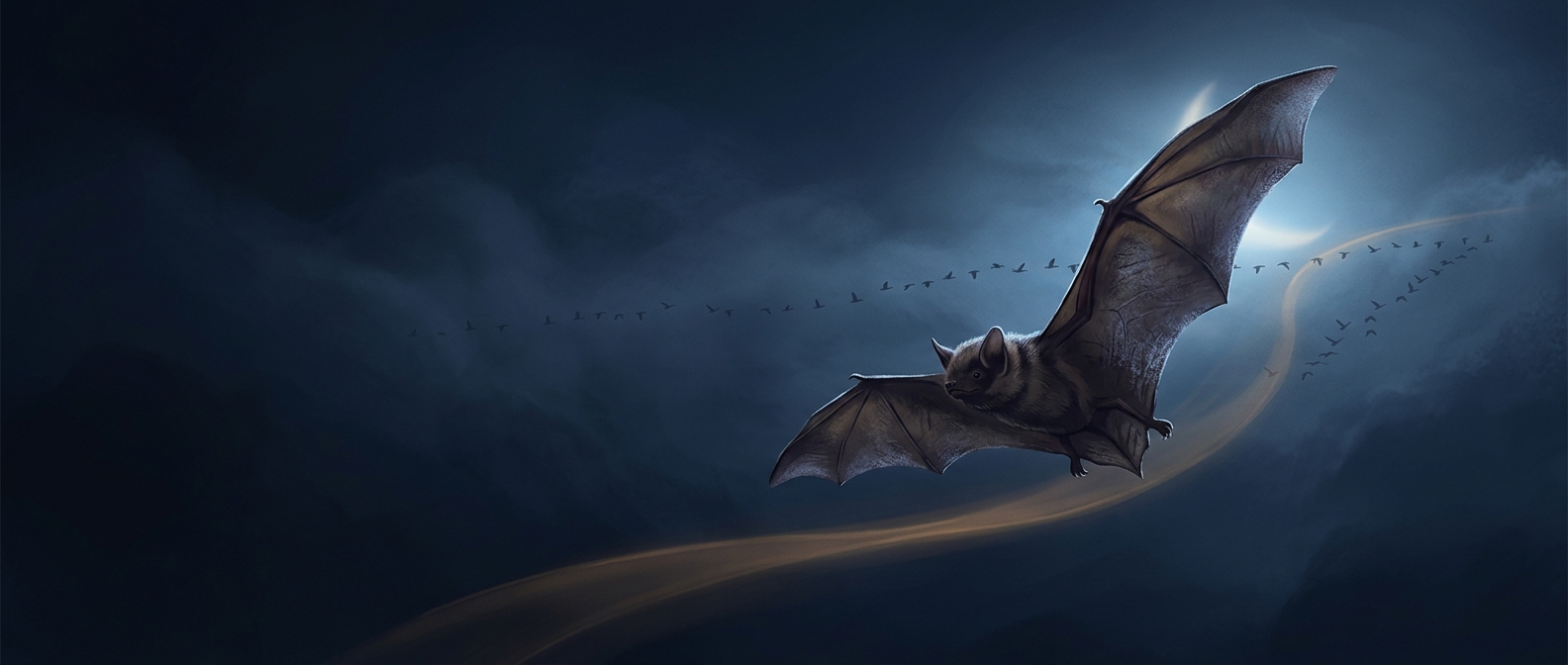
Hoary bats fly south just like many migratory birds do
Hoary bats migrate south for winter instead of hibernating in caves. On the way, they typically roost alone in trees, where mottled fur helps them blend into…
Discover more
People can describe trauma perfectly while avoiding its feelings
Logic isn’t the problem; it can genuinely help you understand something difficult. The shift comes when analysis takes the place of feeling: you can describe…
Discover more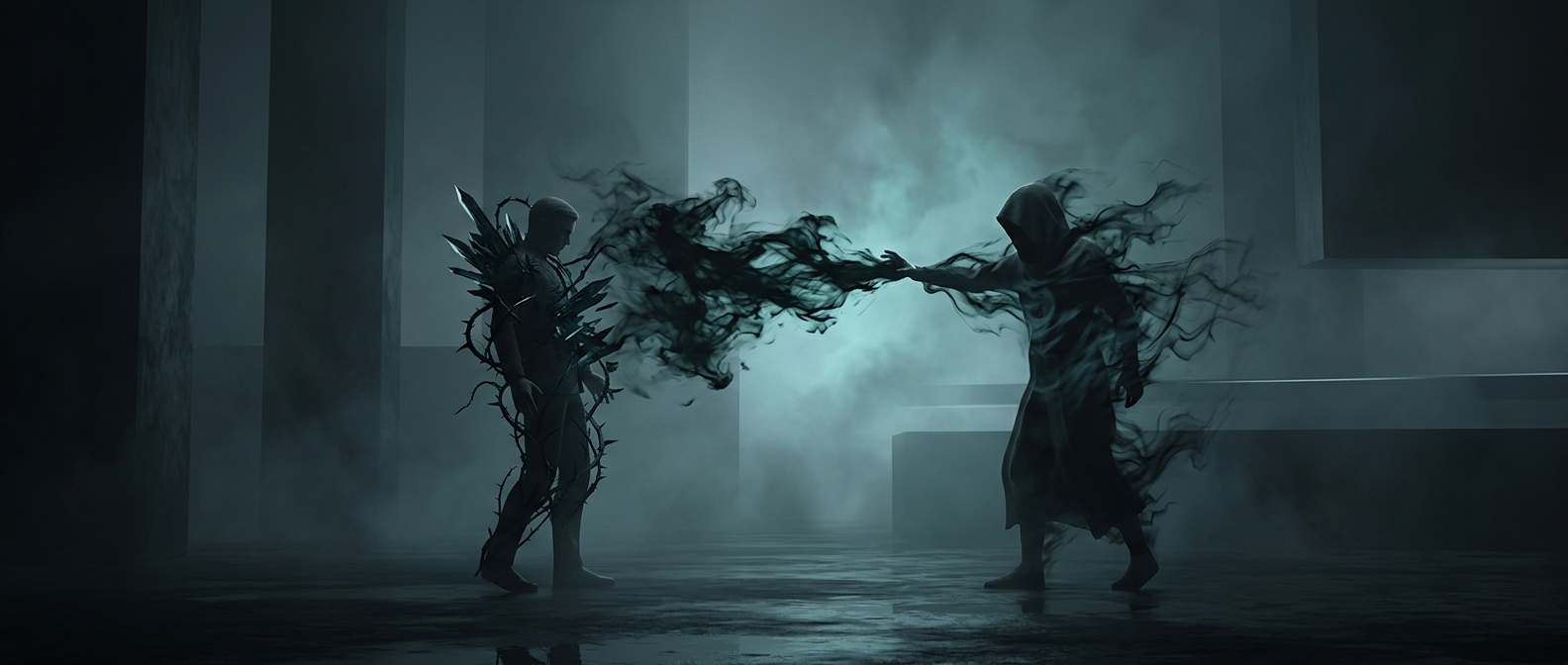
Projection makes people see their own impulses in others
Someone who can’t acknowledge an impulse in themselves may see it in someone else instead; that’s projection. It can shape an accusation like “you’re…
Discover more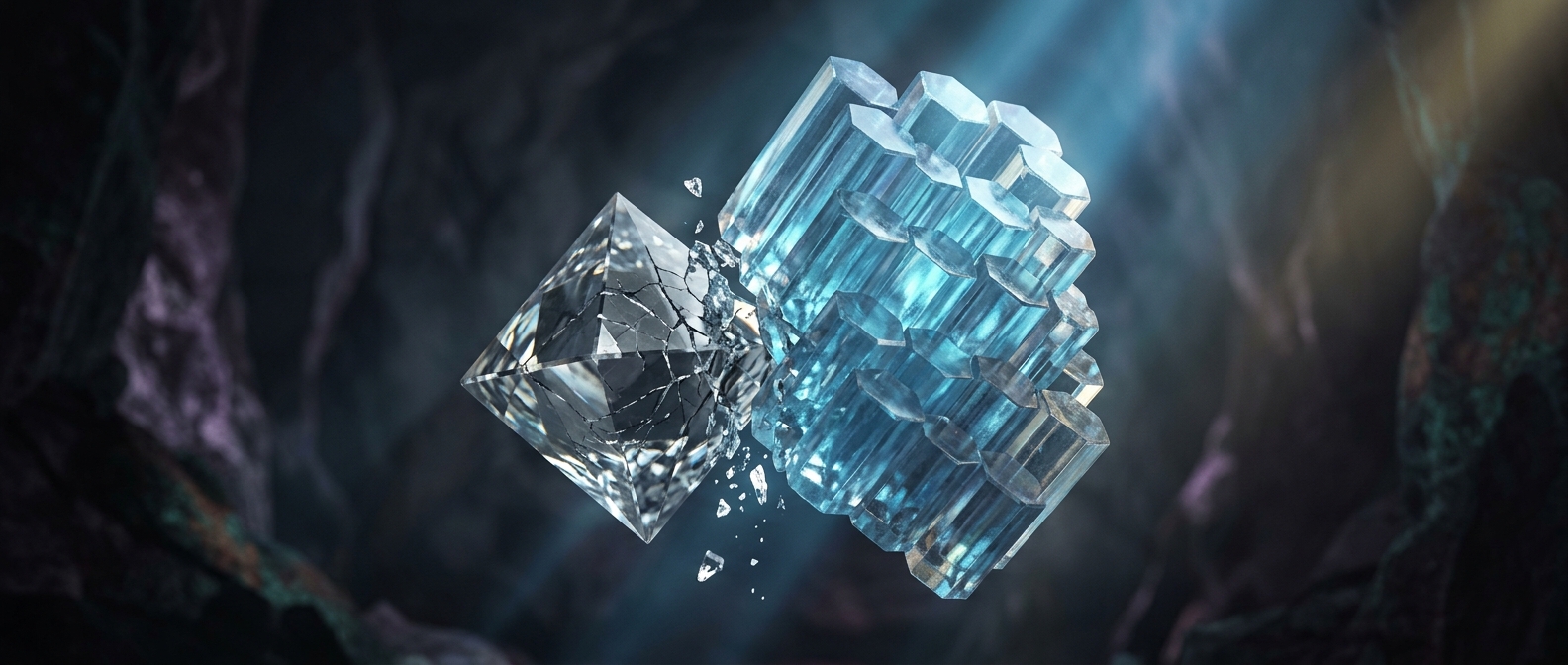
Researchers made a form of diamond slightly harder than ordinary diamond
A 2026 Nature study reported millimeter-scale hexagonal diamond made by compressing and heating graphite. Its atoms use a different crystal arrangement from…
Discover more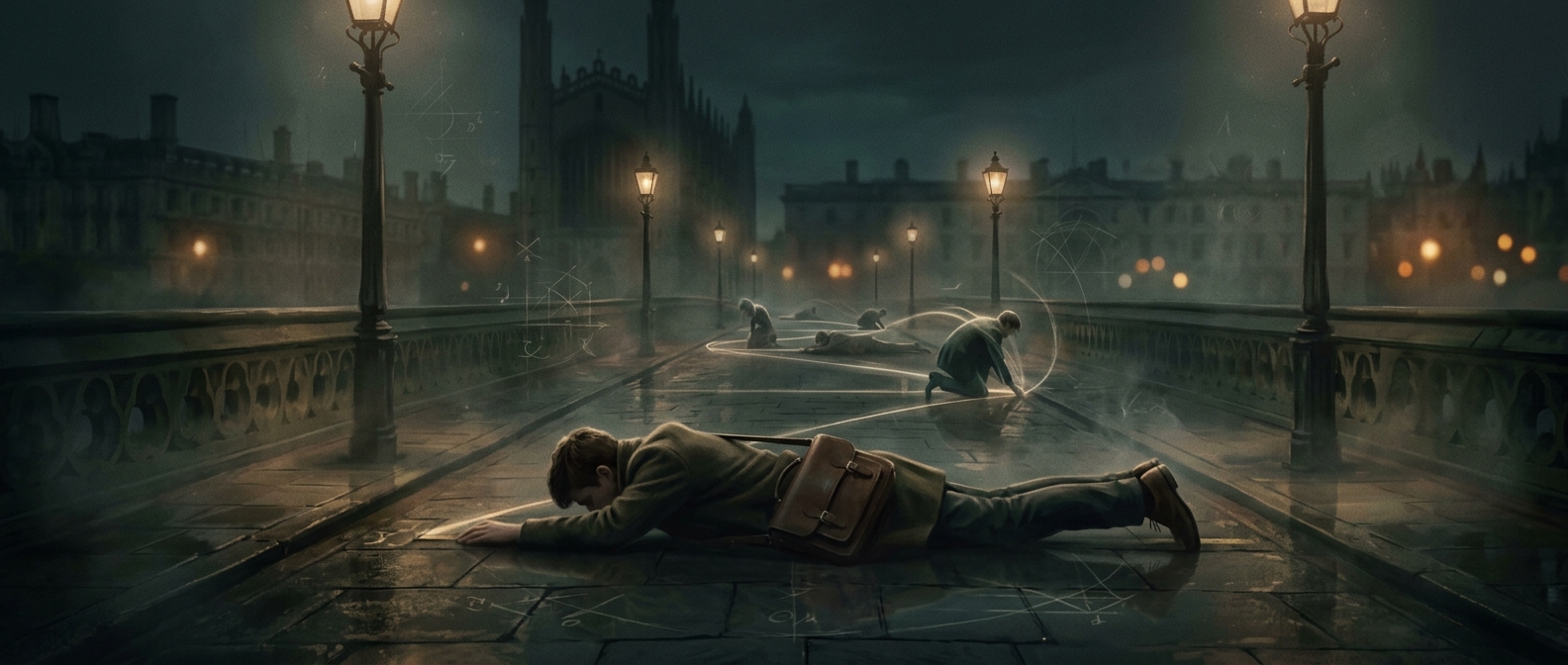
This bridge is measured in Smoots
In 1958, MIT students used Oliver Smoot’s body as a measuring unit for the Harvard Bridge, recording 364.4 Smoots plus one ear. The painted marks turned a…
Discover more
Mirrors reflect light back at the exact incoming angle
Light bounces off the mirror at the same angle it arrived, then travels into your eyes. Your brain traces those rays backward in straight lines, so the image…
Discover more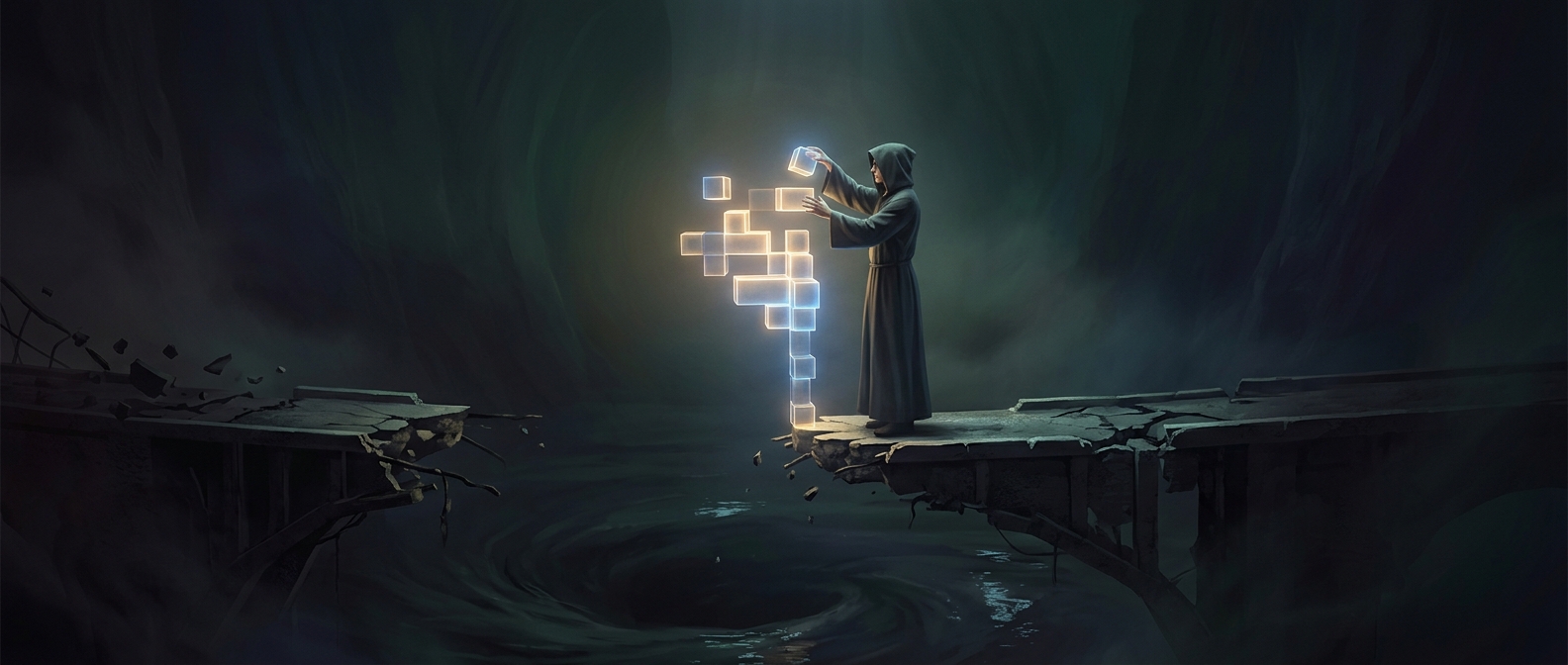
Inventing logical excuses for absolutely terrible choices
Your mind can make a bad decision feel better by editing the story after the fact. It swaps an awkward motive for a plausible excuse, easing the discomfort…
Discover more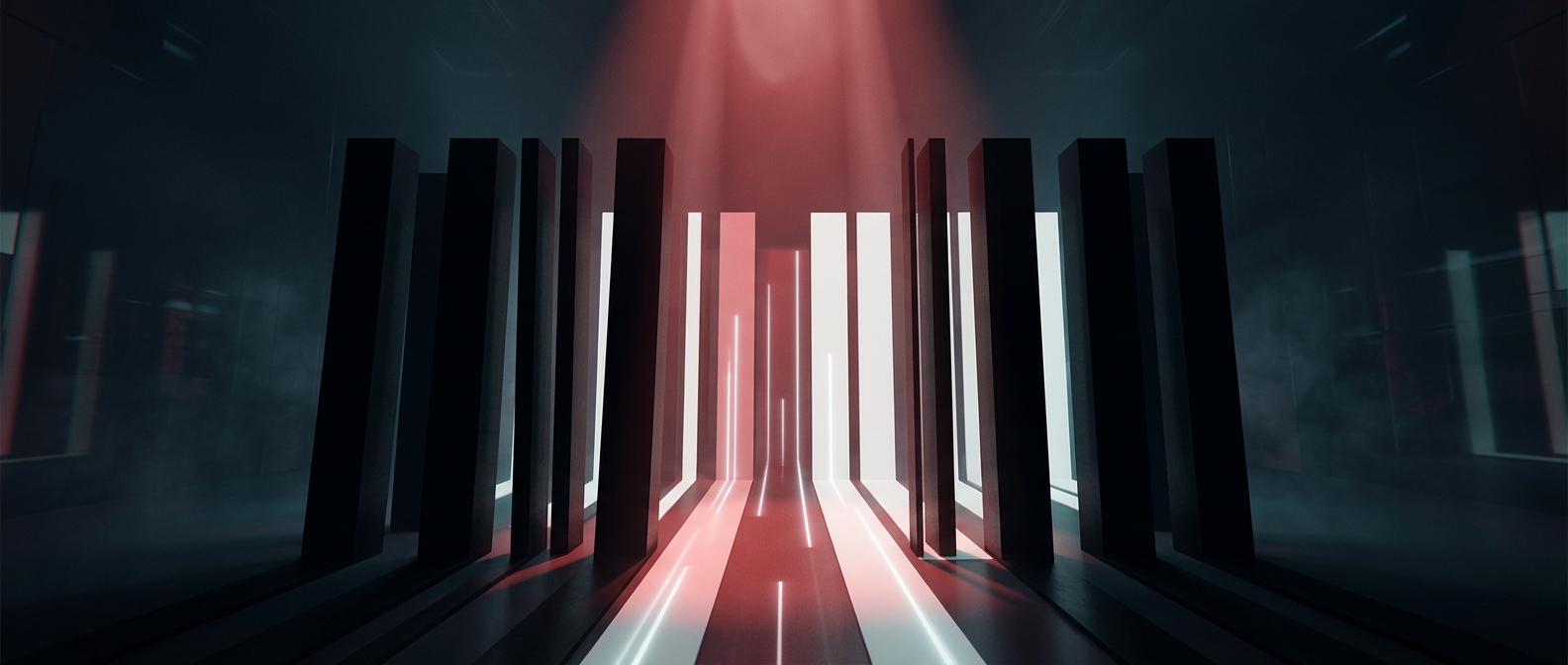
Barcode Scanners Read More Than the Black Lines
A barcode scanner shines light on the code and checks how much bounces back. White spaces reflect more light than black bars, and the scanner reads the whole…
Discover more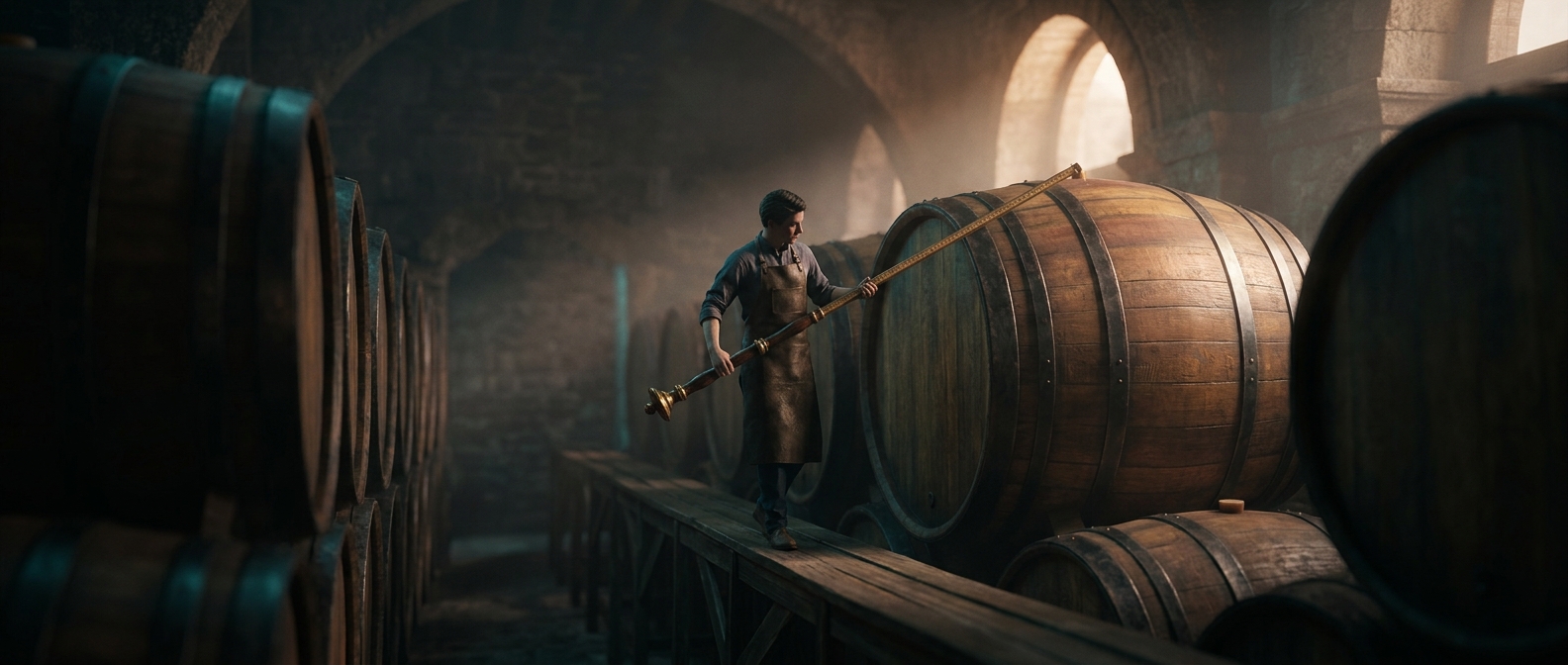
A butt is actually a giant cask of wine
Before it meant a body part, a butt could mean a big barrel. The cask held about 126 gallons of wine or ale, making a buttload a very large quantity with a…
Discover more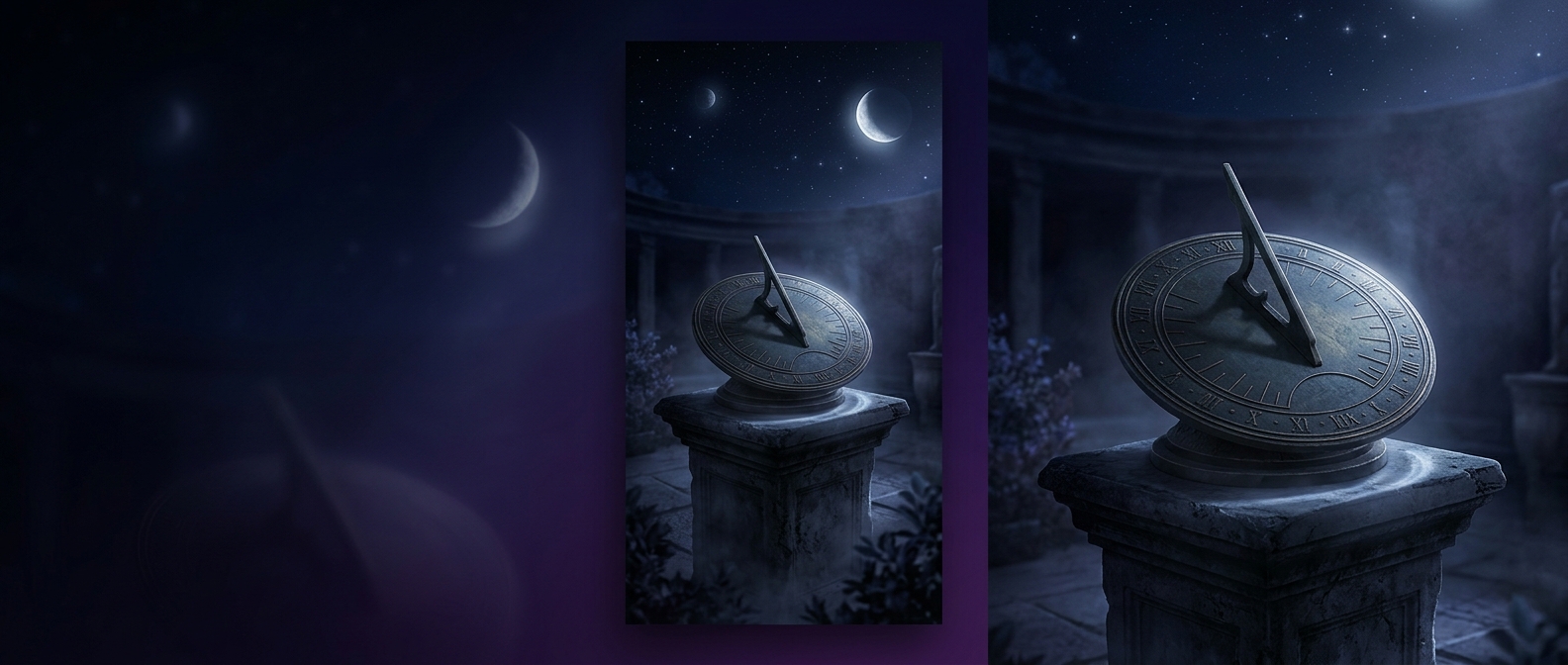
Sundials become completely inoperable indoors or at night
A sundial reads the Sun’s position from the shadow cast by its pointer. Clouds can hide that shadow, and after sunset there’s no sunlight to make one at all.…
Discover more
Centrifugal governors control engine speeds using rotation
As an engine spins faster, weights on a linked arm swing outward and push a valve toward less power. When the engine slows, the weights drop and the valve…
Discover more