Science
Discover facts about science. Small discoveries that change the way you see familiar things.
Science
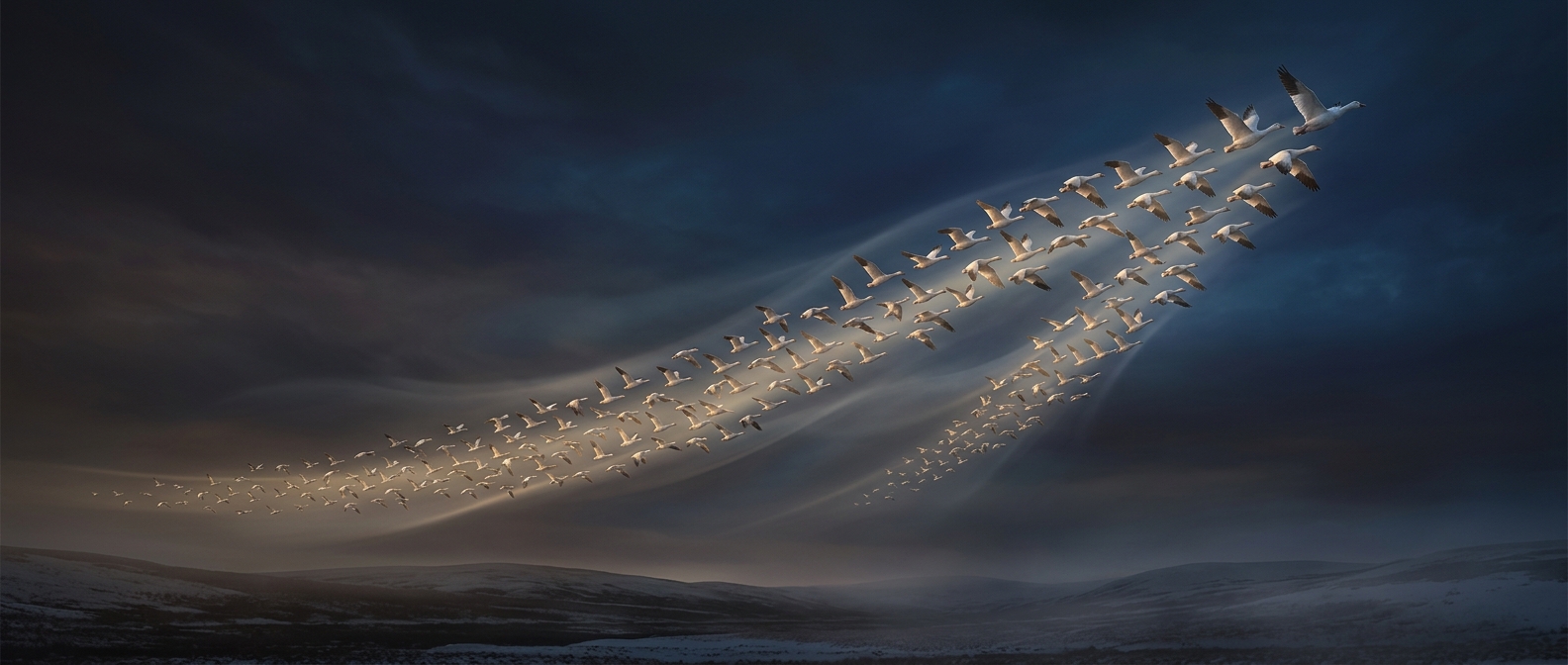
Snow geese fly in large V-formations to conserve energy
Instead of flapping on their own merit, these birds shamelessly draft off the one suffering in the front. The leader takes the brunt of the wind resistance…
Discover more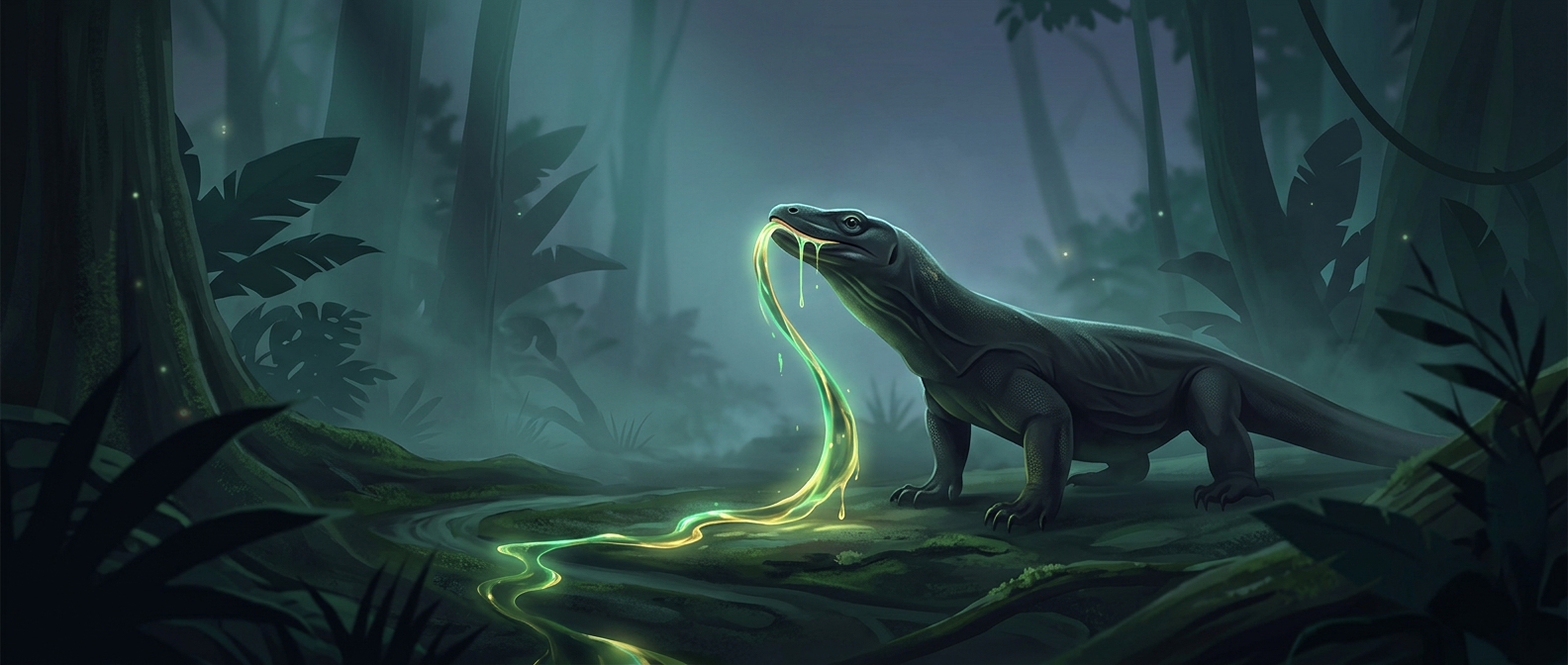
Komodo dragons kill with venom, not dirty mouths
For decades, scientists thought these giant lizards killed prey using gross, bacteria-filled saliva. Nope, it turns out they are just fully venomous. They…
Discover more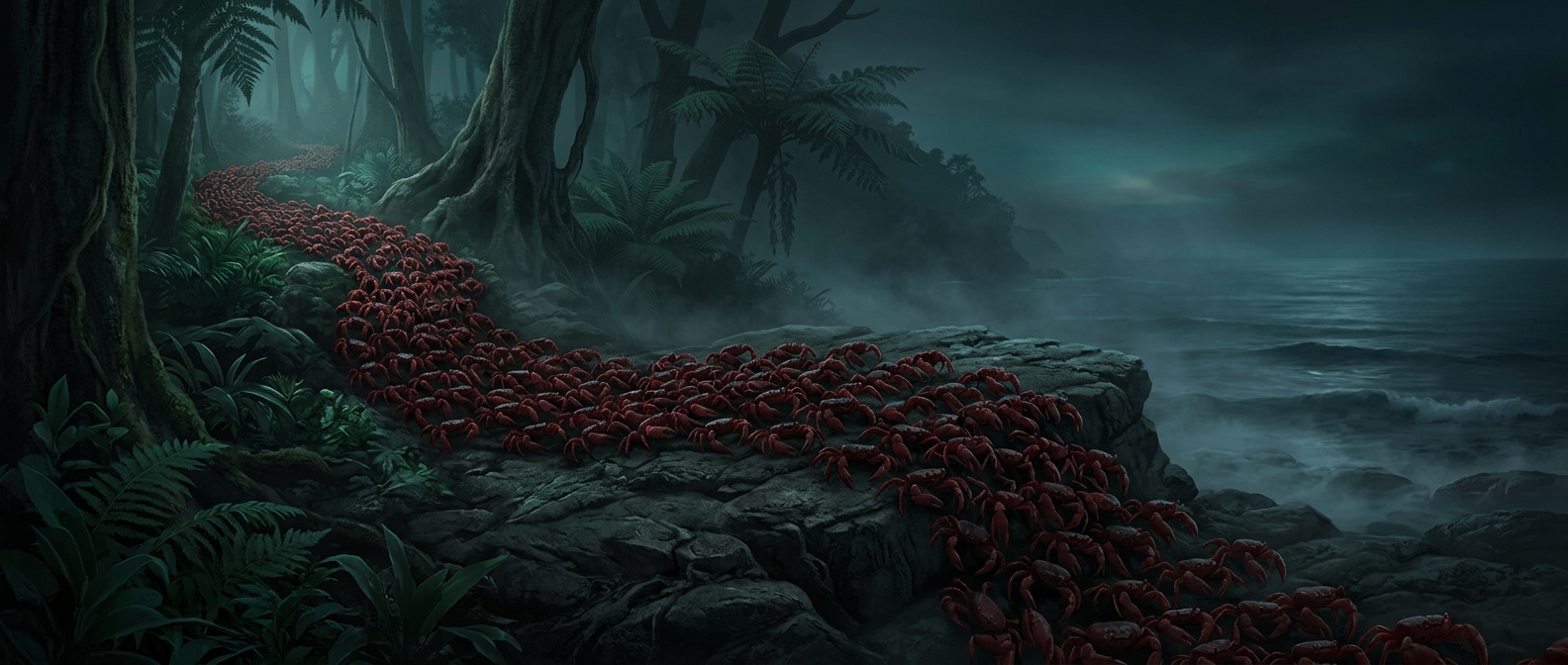
Millions of red crabs march across Christmas Island
Forgetting that they belong in burrows, an entire island's population of crustaceans aggressively walks toward the water to breed. They crawl over walls, golf…
Discover more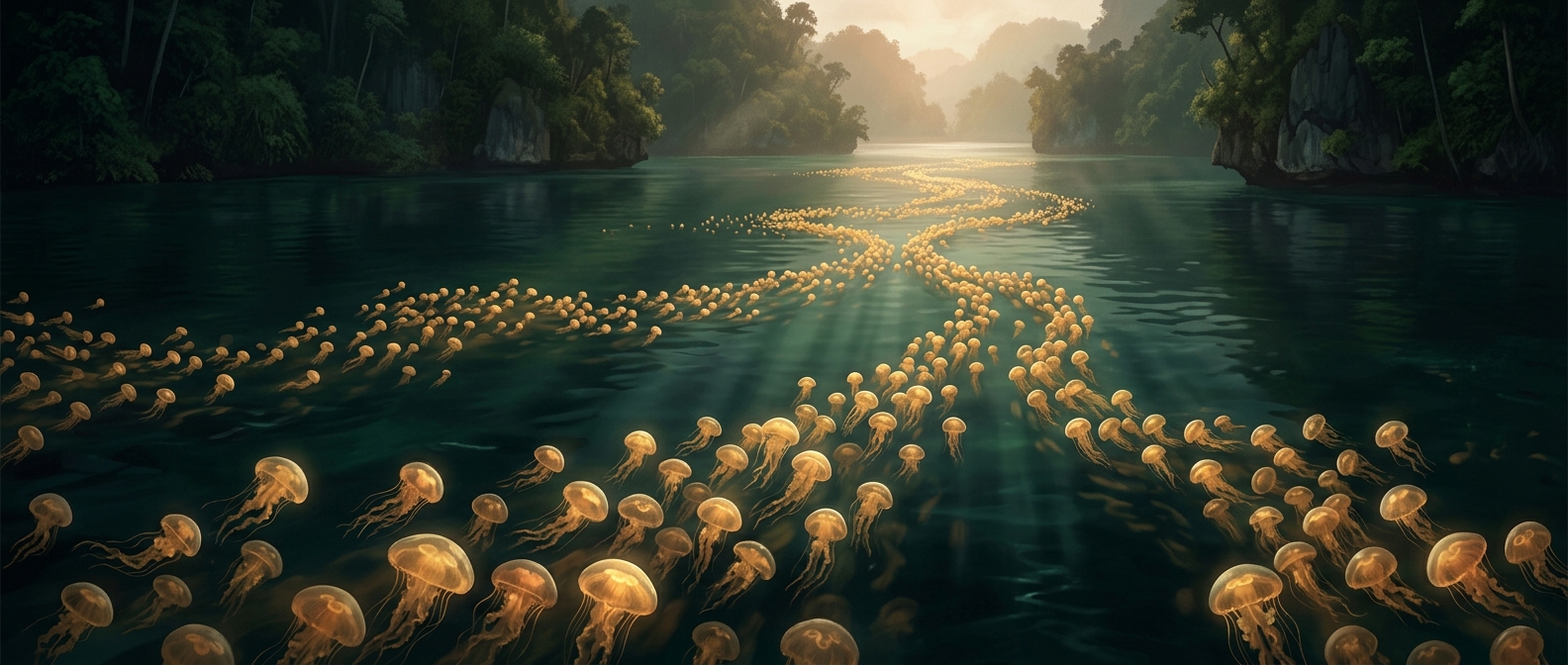
The jellyfish that follow the sun across a lake
Having entirely lost their ability to sting, millions of squishy blobs simply float back and forth following the sun. Their entire existence consists of…
Discover more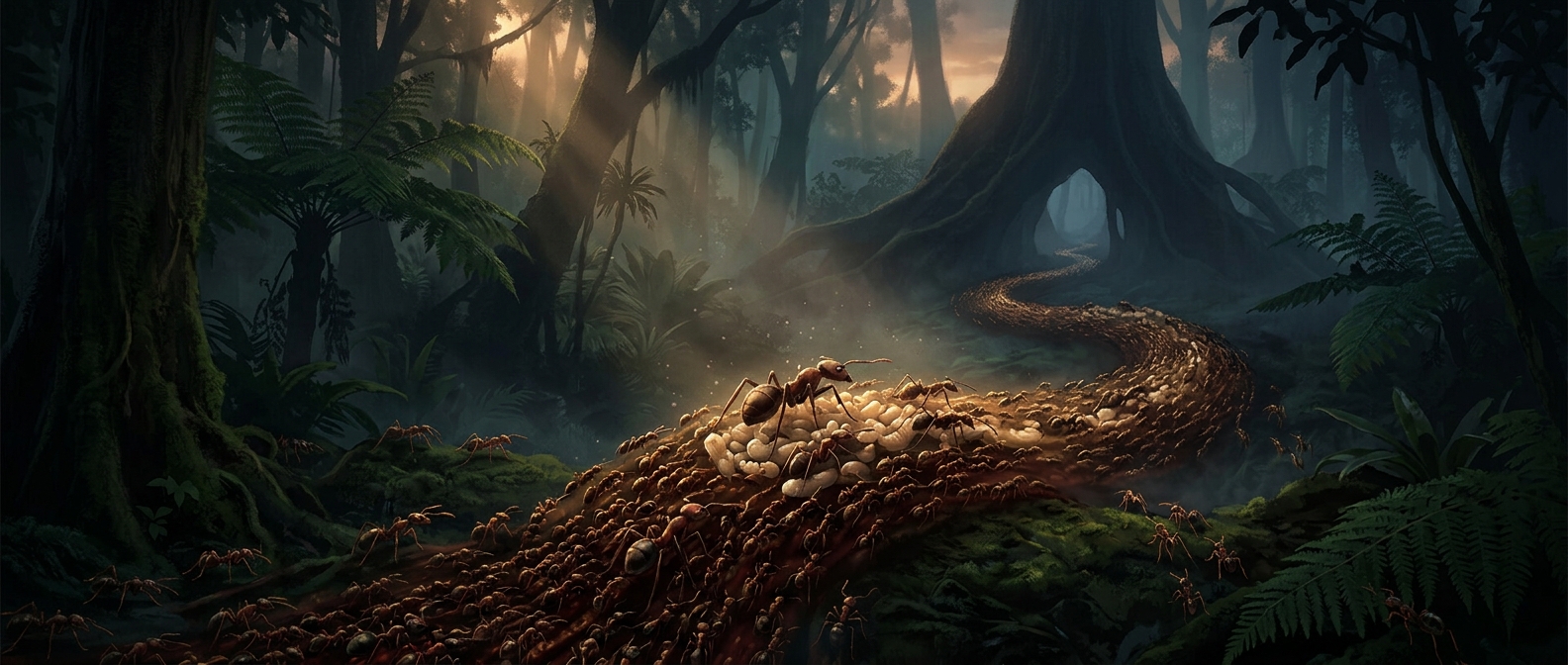
Army ants move their entire homes
Because building a permanent nest is too mainstream, millions of blind insects aggressively march across the jungle floor. They carry their young in their…
Discover more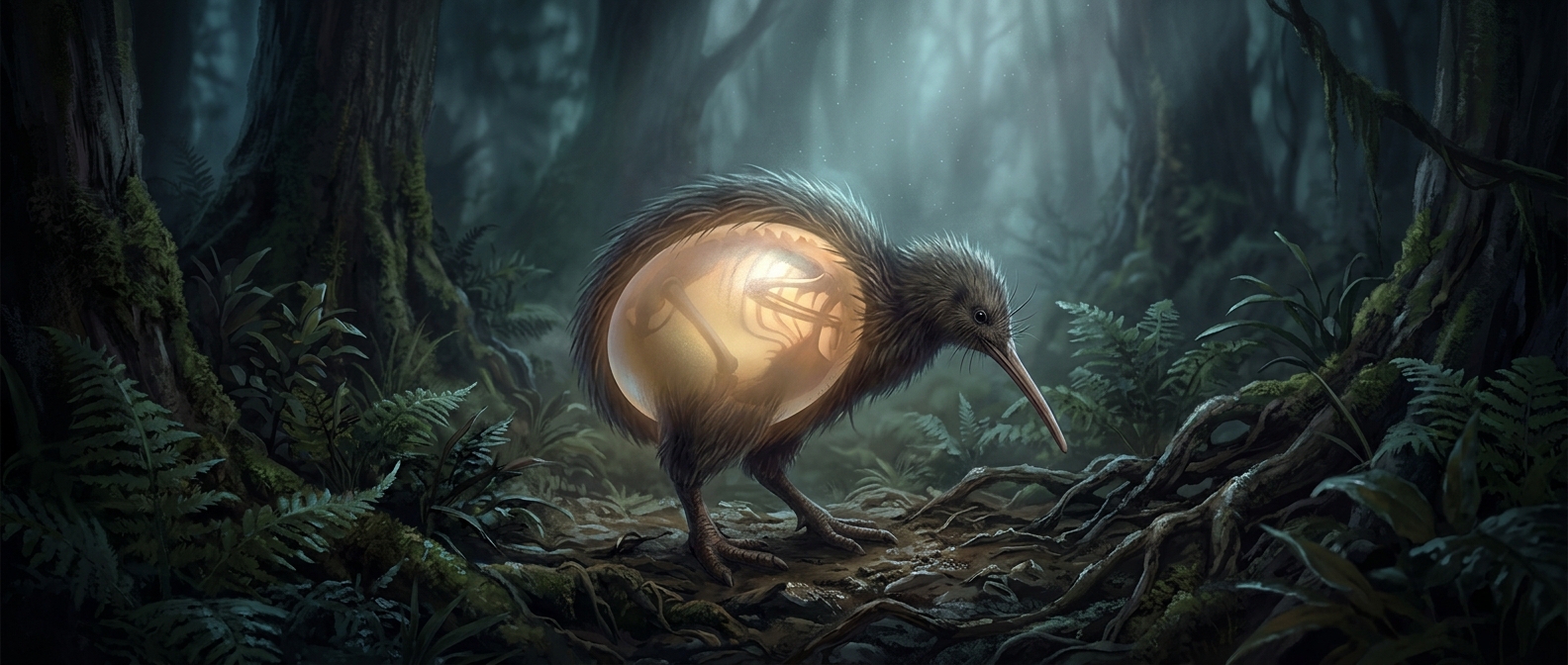
The kiwi lays an egg huge enough to crowd its organs
Being a female kiwi is an absolute biological nightmare. They lay an egg so disproportionately massive that it crushes their internal organs and forces them…
Discover more STACKY FOR IPHONE
A bigger world.
One discovery
at a time.
Keep discovering with Stacky. Interesting facts in an app that is always within reach.
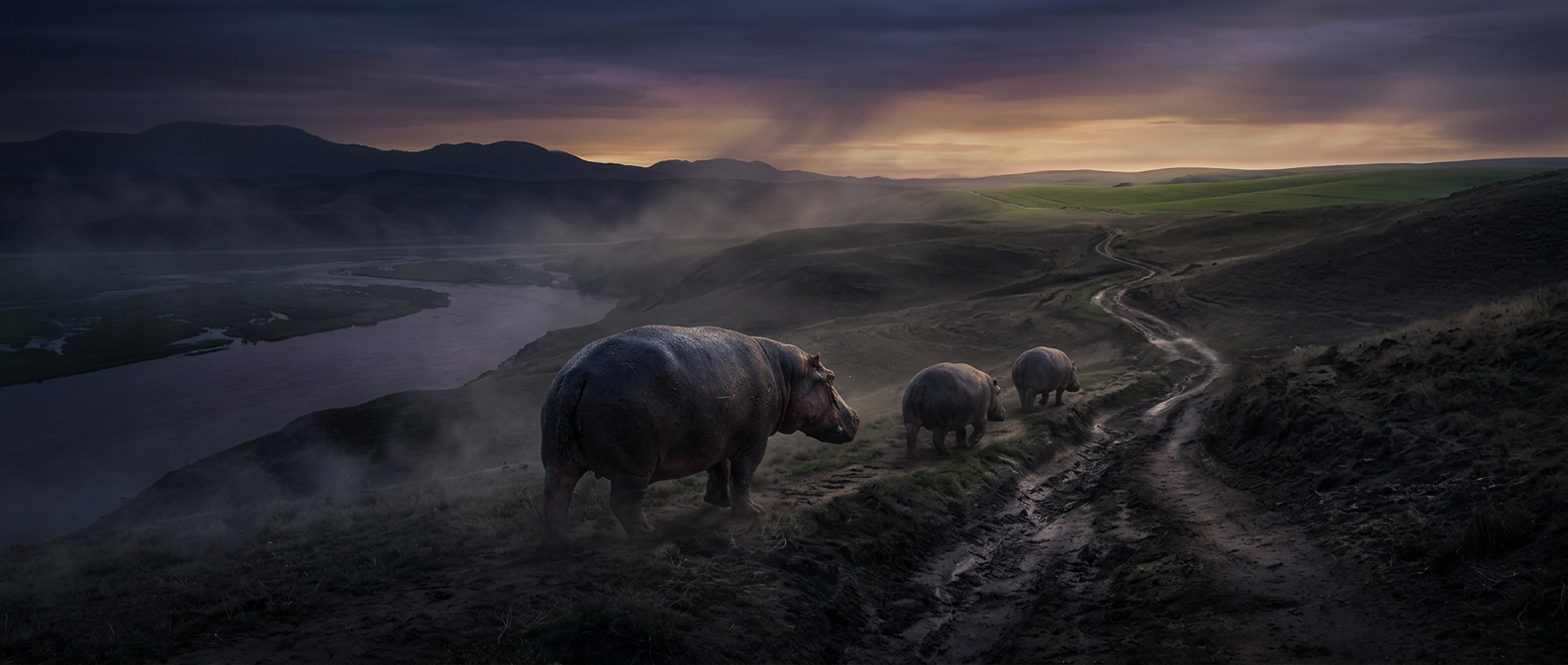
Why hippos travel miles inland at night
Despite spending the daylight hours lazily submerged in muddy pools, these massive hostile potatoes haul their enormous bulk onto land in the dark. They stomp…
Discover more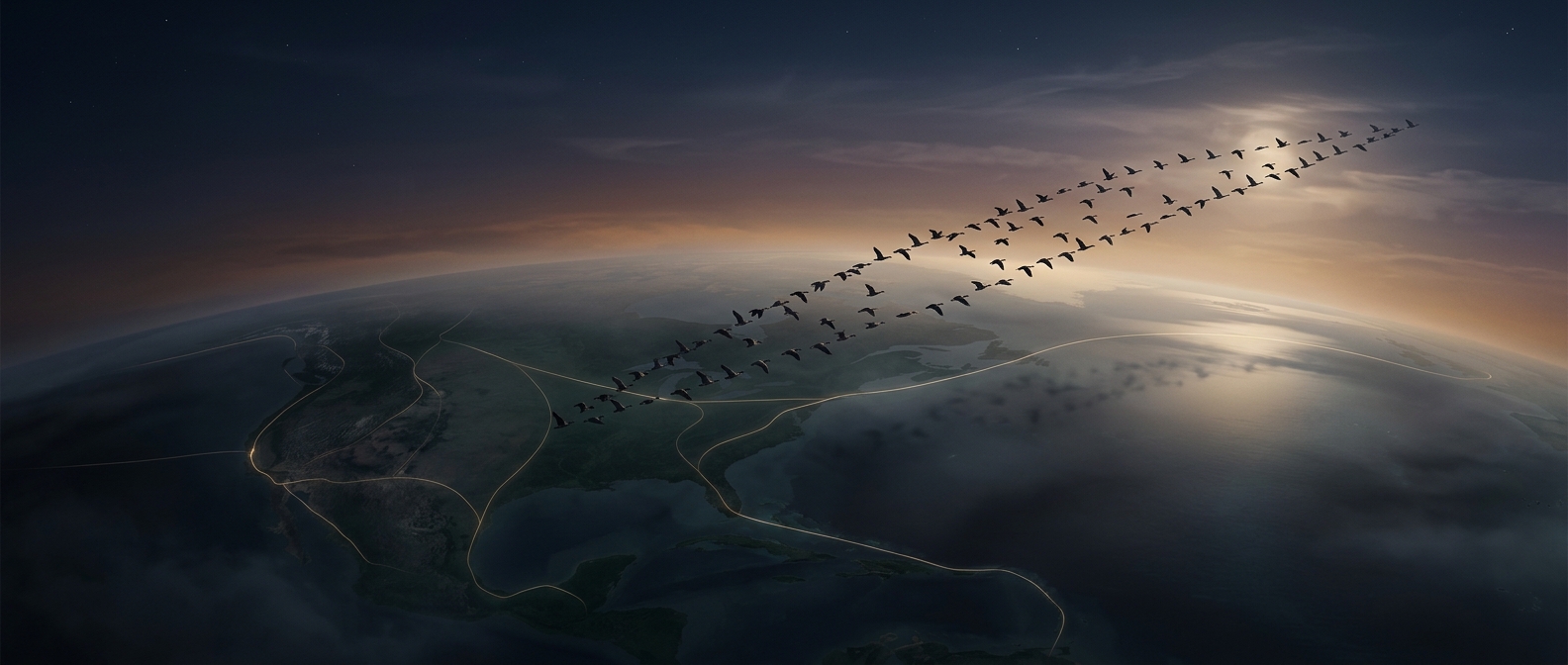
Canada geese travel thousands of miles in rigid formations
Known primarily as aggressive park menaces, these incredibly loud birds band together to terrorize the skies. They fly relentlessly toward better breeding…
Discover more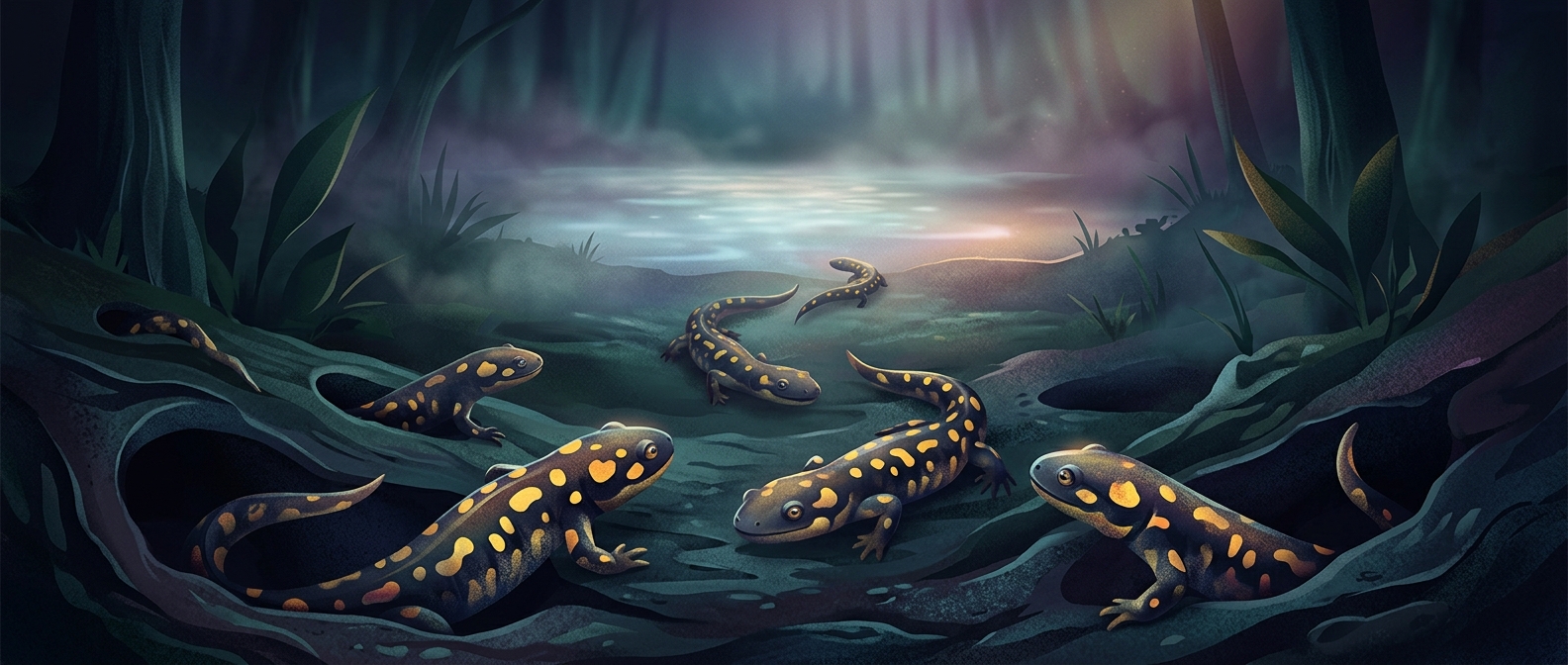
Tiger salamanders crawl out of burrows to find mating pools
Emerging from their underground hideouts only when it violently downpours, these slimy amphibians aggressively march toward transient puddles. They engage in…
Discover more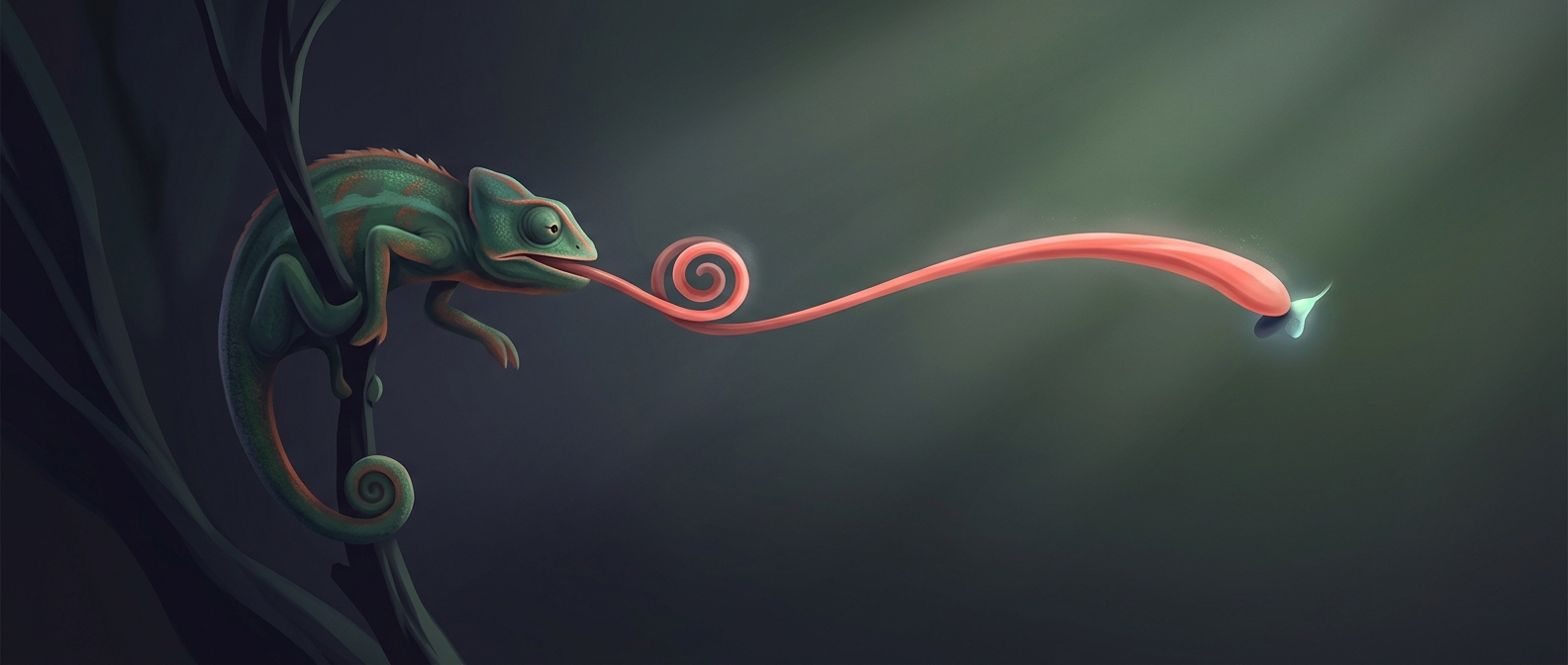
A Chameleon's Tongue Can Reach Twice Its Body Length
When your primary defense mechanism is moving at the speed of a rusty tractor, your tongue better be impressive. A chameleon can launch its sticky tongue at…
Discover more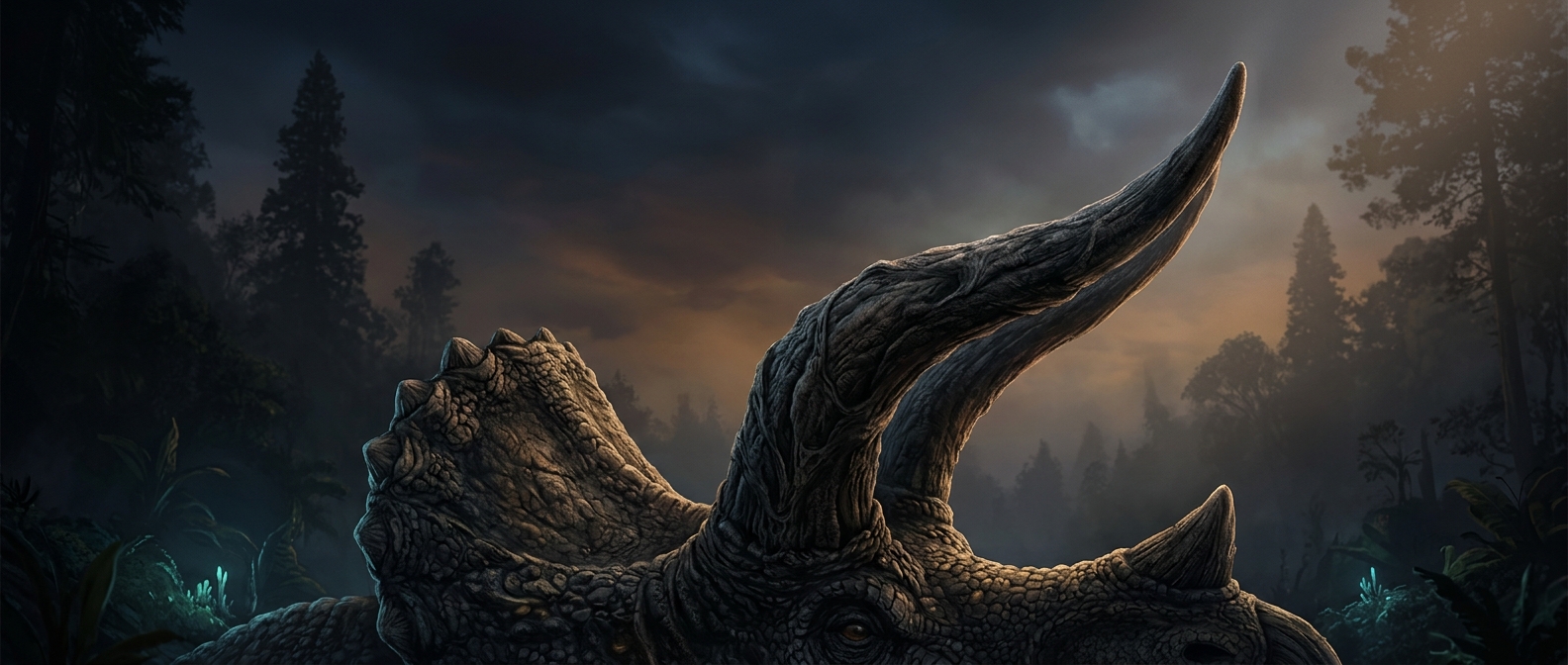
Triceratops horns were longer than fossils suggest
When you see a fossilized Triceratops skull, you are only seeing the internal bone core. In reality, those massive facial spears were coated in a thick,…
Discover more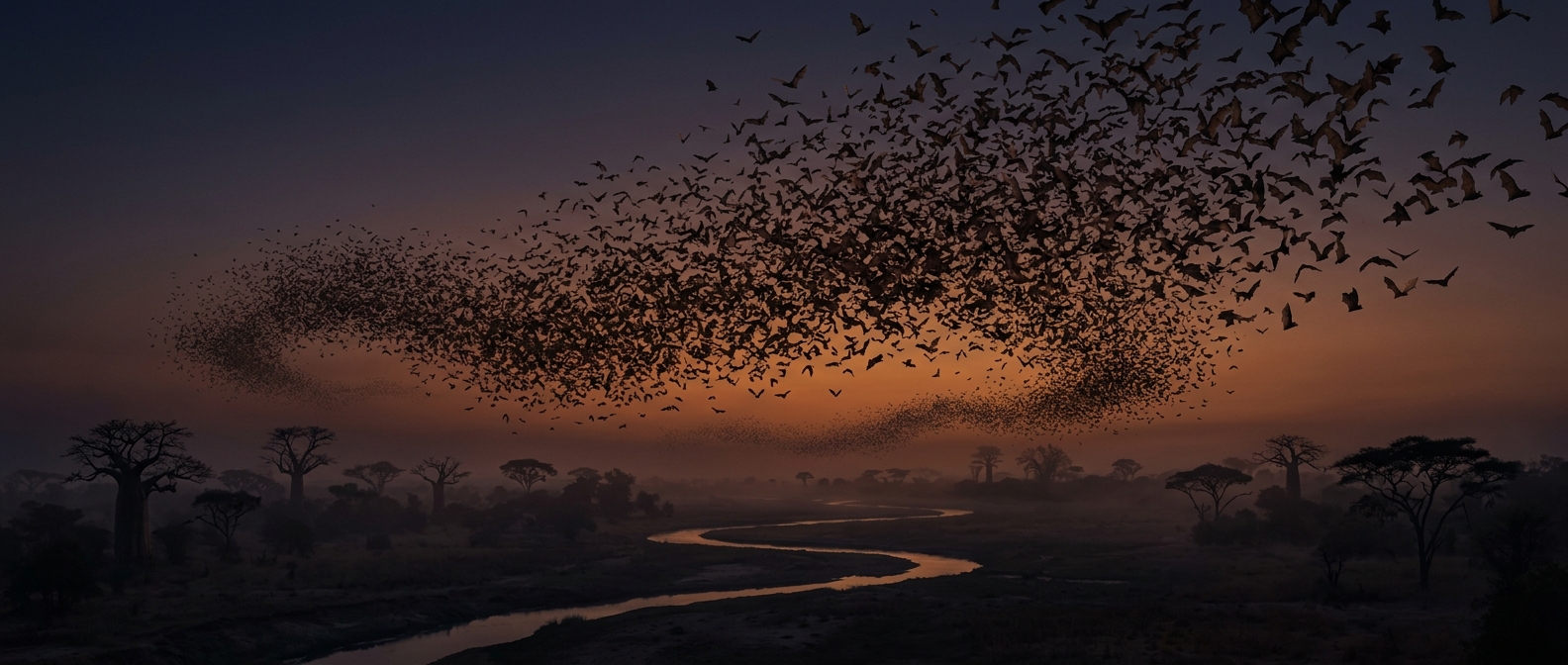
Millions of fruit bats darken Zambia's skies
Millions of screeching flying mammals descend upon a specific forest strictly to devour unspeakable amounts of fruit. They cover every tree branch, creating…
Discover more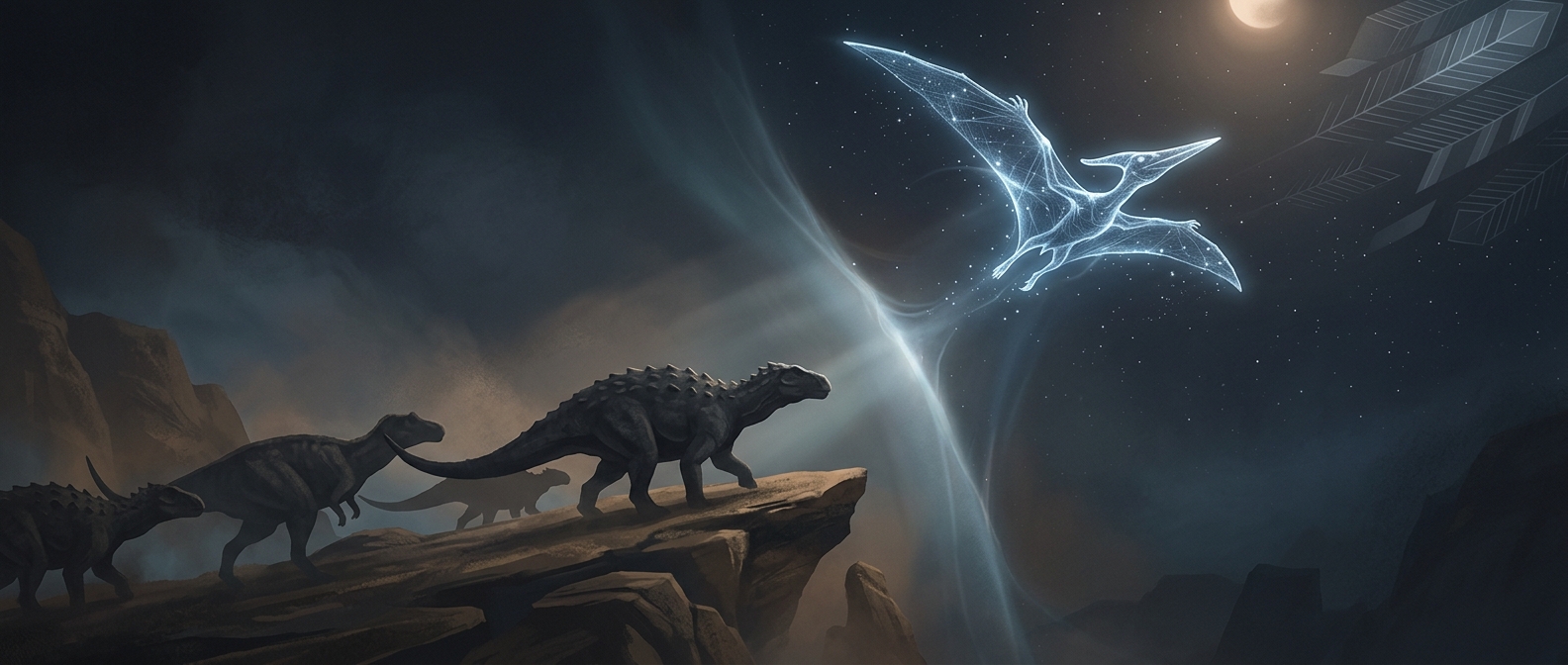
Pterodactyls were never dinosaurs
You bought the toy as a kid and called it a dinosaur, but science disagrees. Pterosaurs were flying reptiles that lived alongside the dinosaurs but evolved on…
Discover more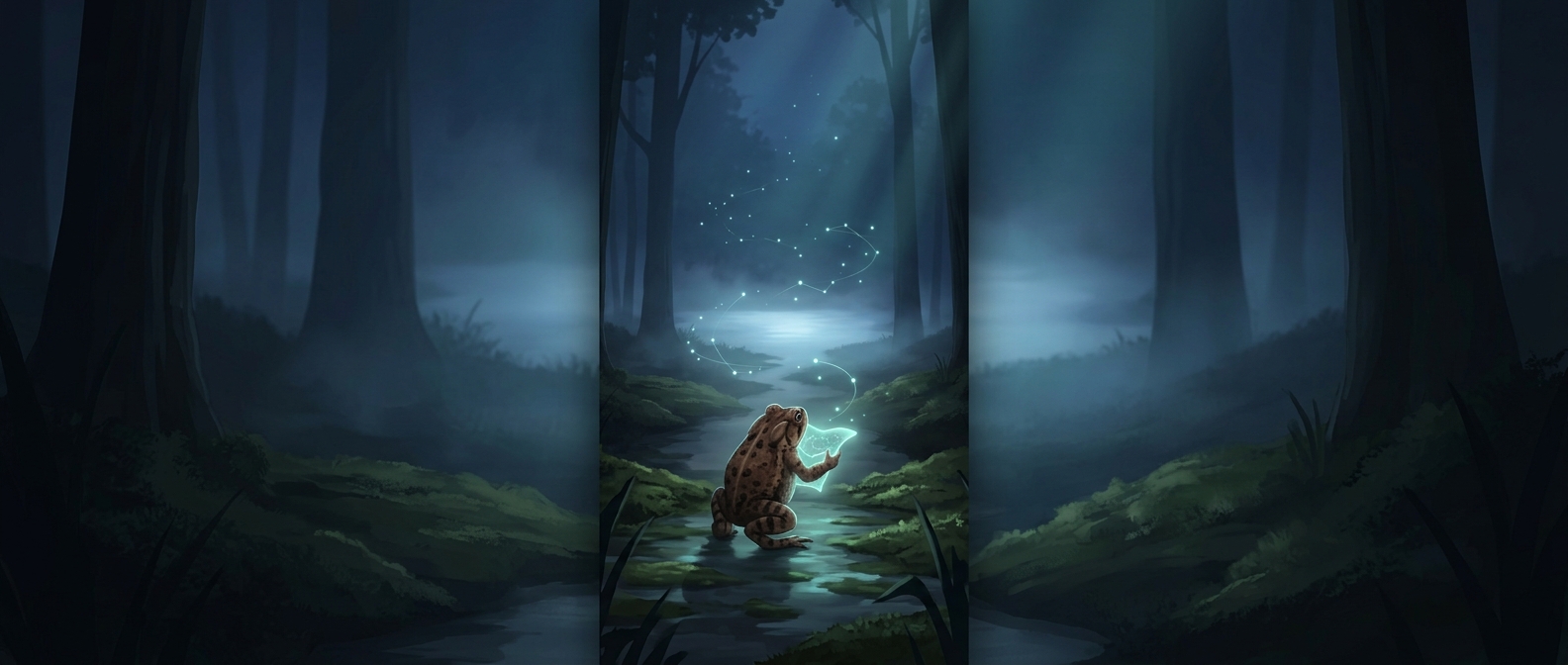
These toads return to the ponds where they hatched
Guided by a deeply ingrained sense of nostalgia and moisture, these warty creatures stubbornly hop back to the exact muddy puddle they hatched in. If a…
Discover more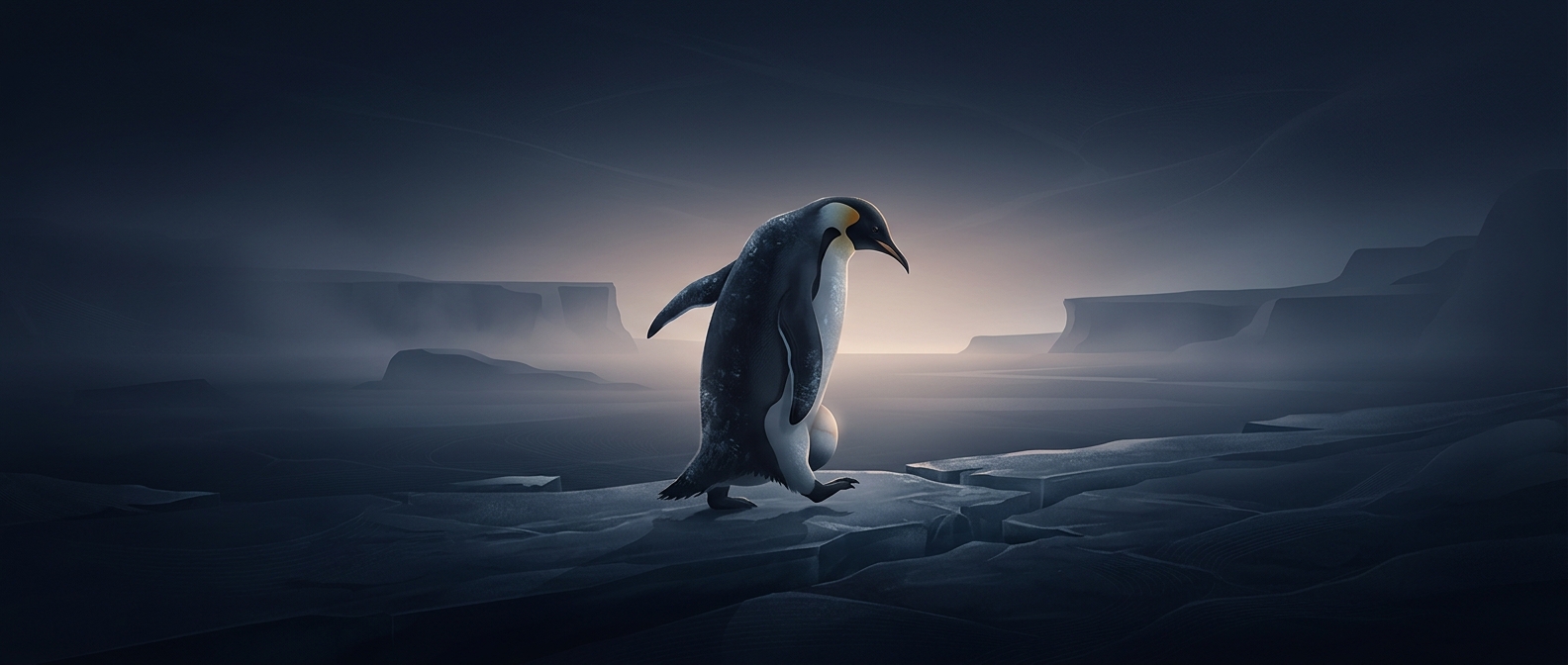
Emperor penguins waddle inland to protect their eggs
Instead of migrating toward warmth like any sensible creature, these flightless birds march deeply into frozen wastelands. They proudly balance eggs on their…
Discover more
Earth's atmosphere is overwhelmingly composed of nitrogen
Take a deep breath and thank oxygen, right? Wrong. You are mostly inhaling cheap filler. Roughly 78 percent of every breath you take is entirely composed of…
Discover more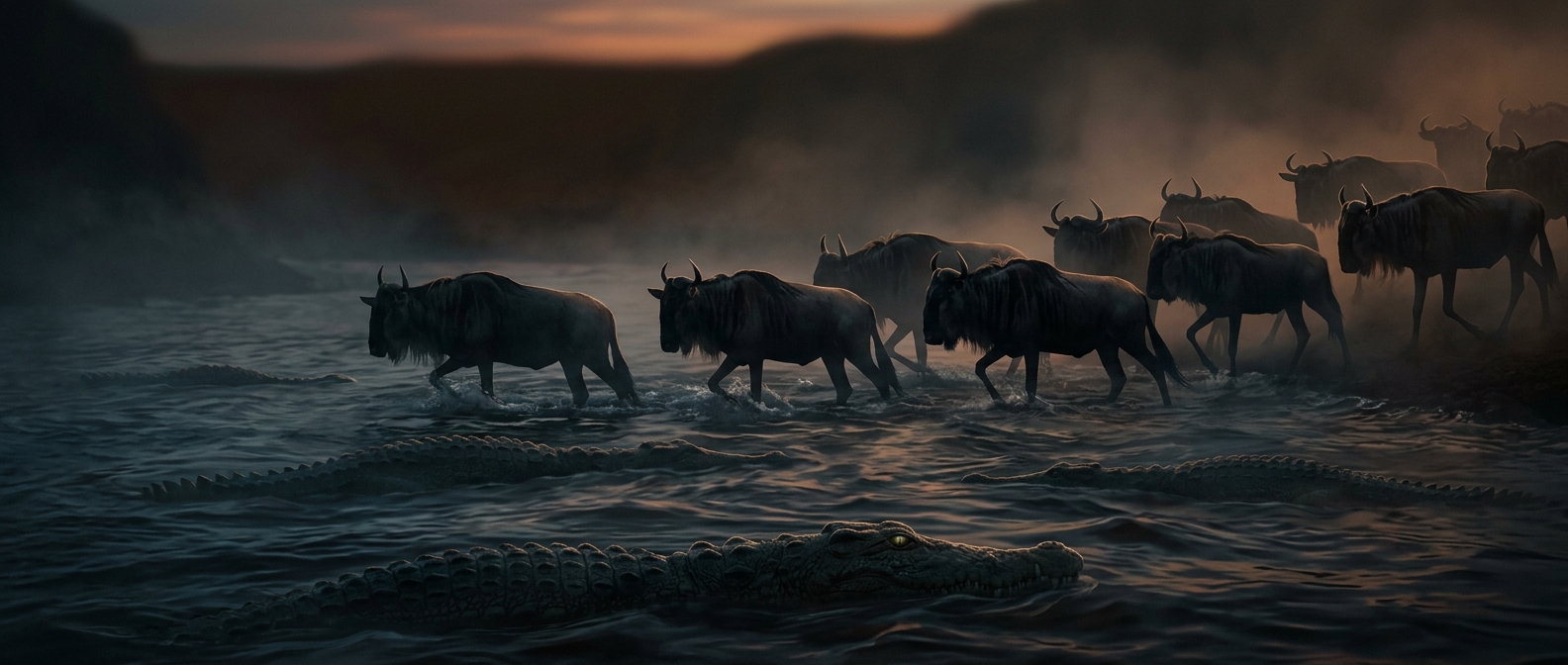
Wildebeests cross crocodile-infested rivers in Tanzania
In a brutal numbers game, millions of hooved animals hurl themselves into muddy waters fully knowing many will be eaten. They literally use the bodies of…
Discover more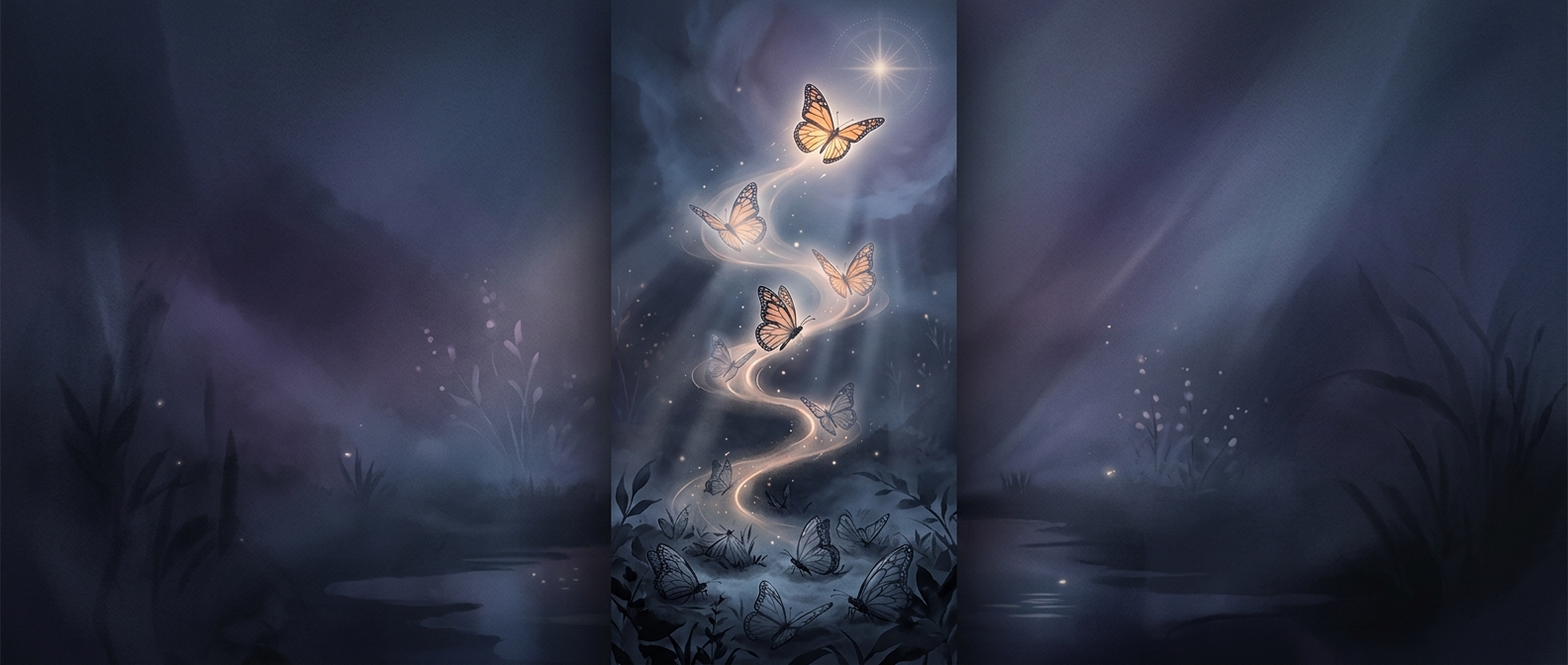
Monarch butterflies need four generations to reach the north
The insects that start the journey die utterly failing to reach the destination. Their great-grandchildren are the ones who finally arrive, operating entirely…
Discover more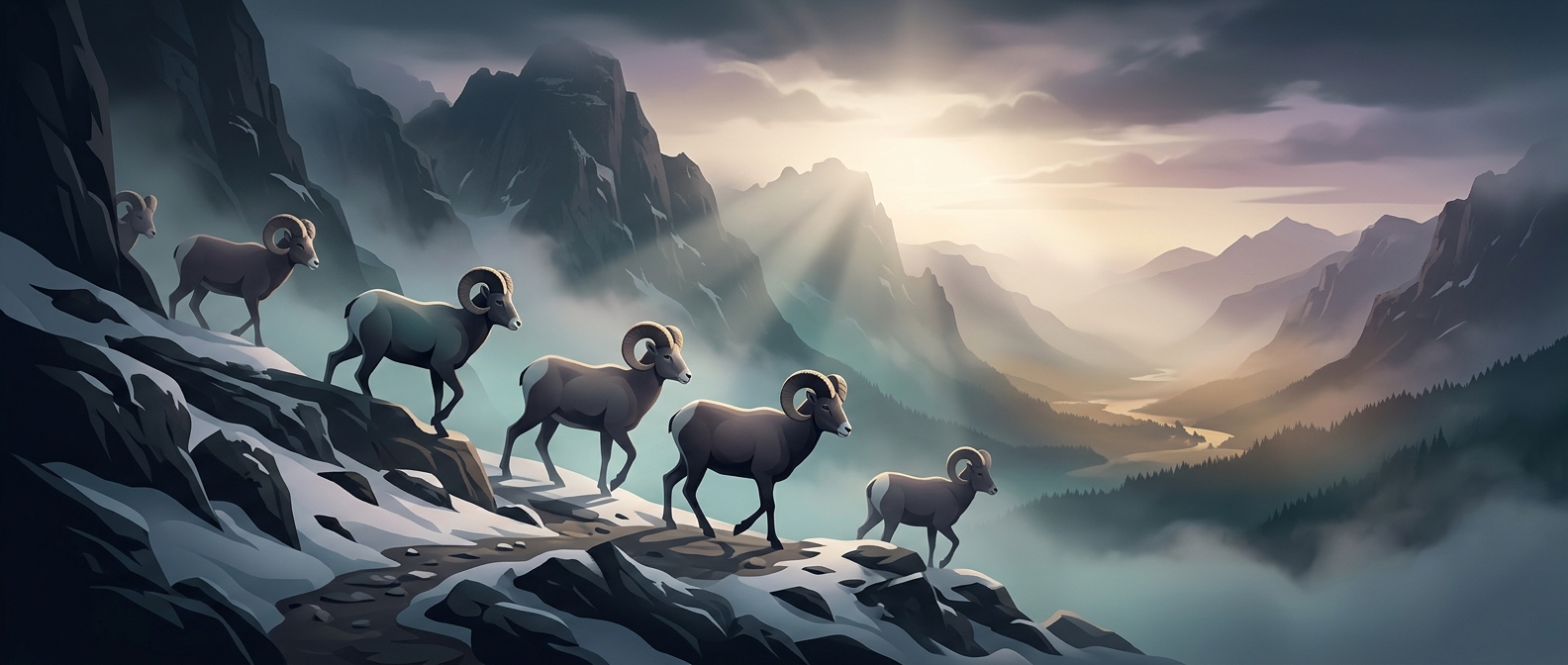
Bighorn sheep move to lower elevations during winter
Tired of freezing their hooves off on a brutal mountain peak, these animals slowly meander downhill. They aggressively butt heads with each other the entire…
Discover more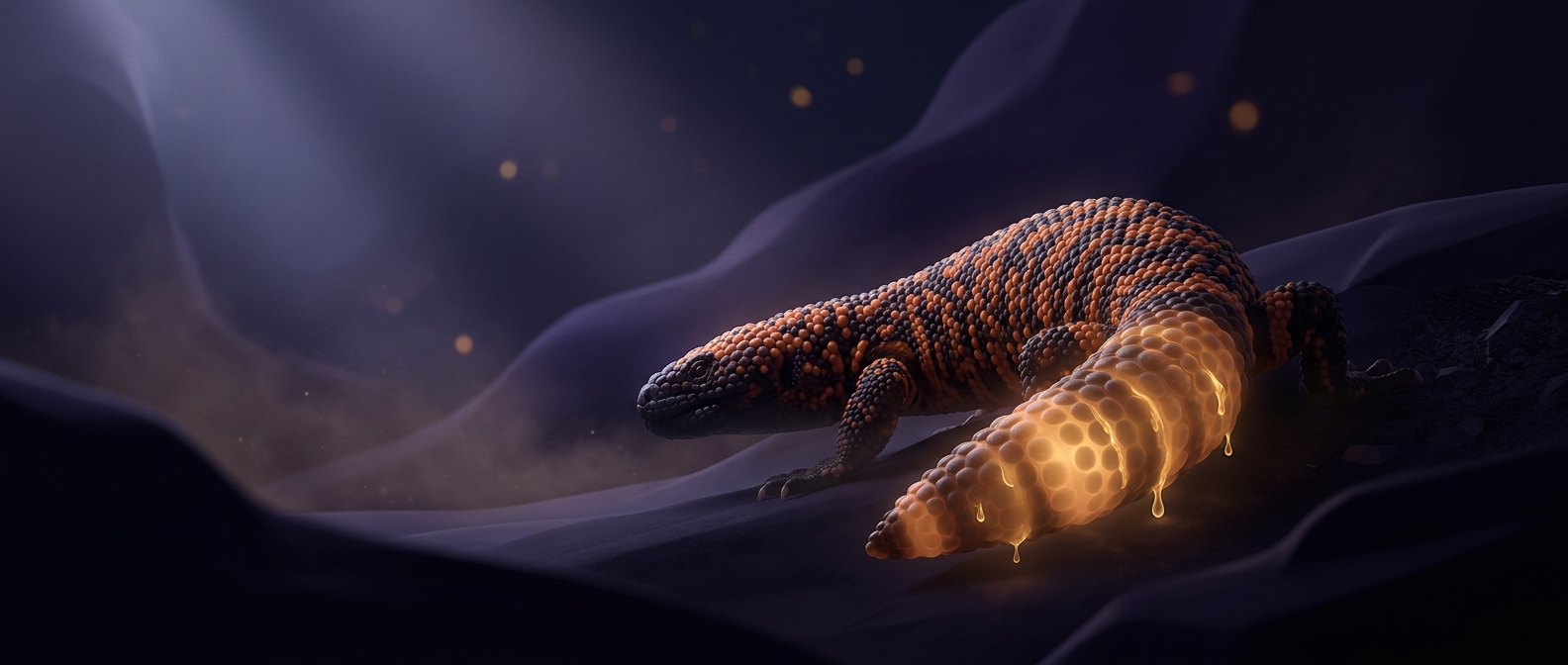
Why Gila monsters have enormous tails
Instead of getting a beer belly, these venomous desert lizards pack all their excessive calories into their tail. A healthy, well-fed Gila monster will drag…
Discover more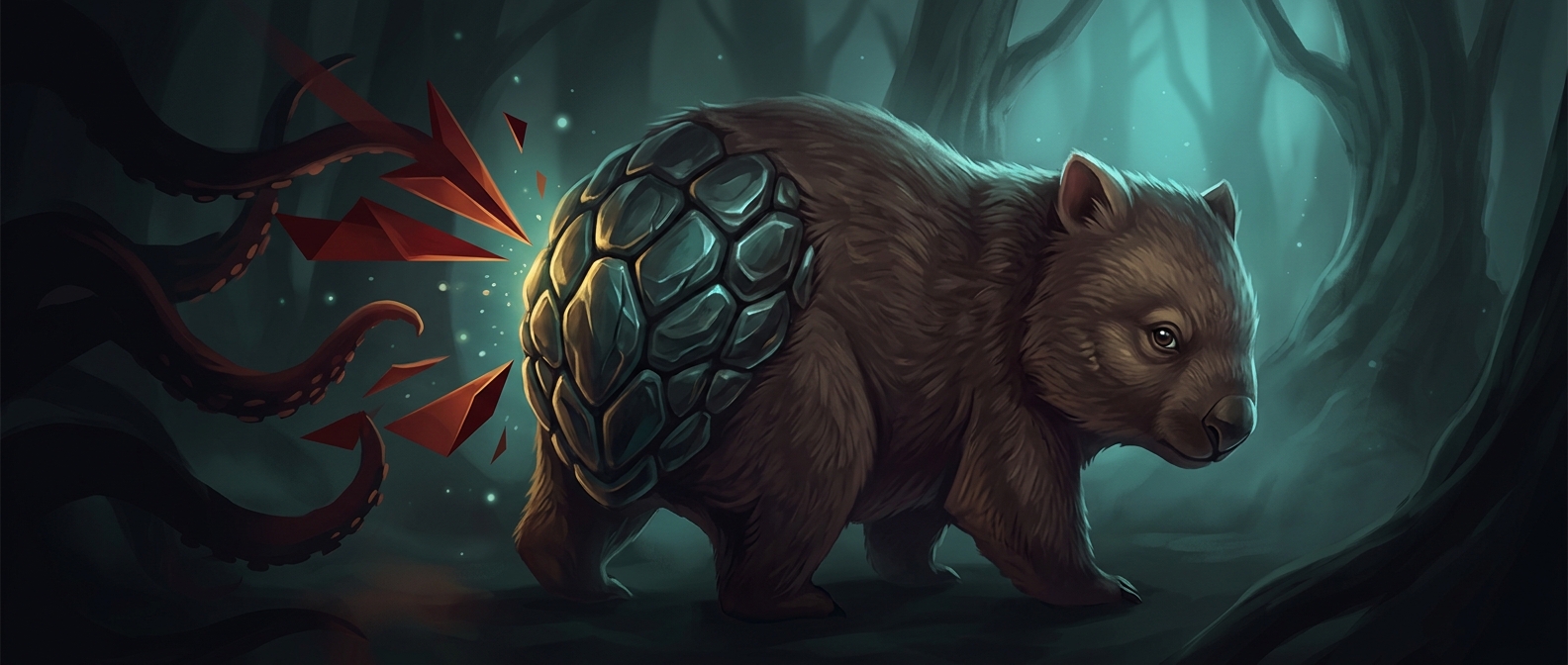
Why wombats use their backsides as shields
Evolution truly peaked with the wombat. Instead of fighting predators head-on, they simply dive headfirst into a burrow and block the entrance with their rear…
Discover more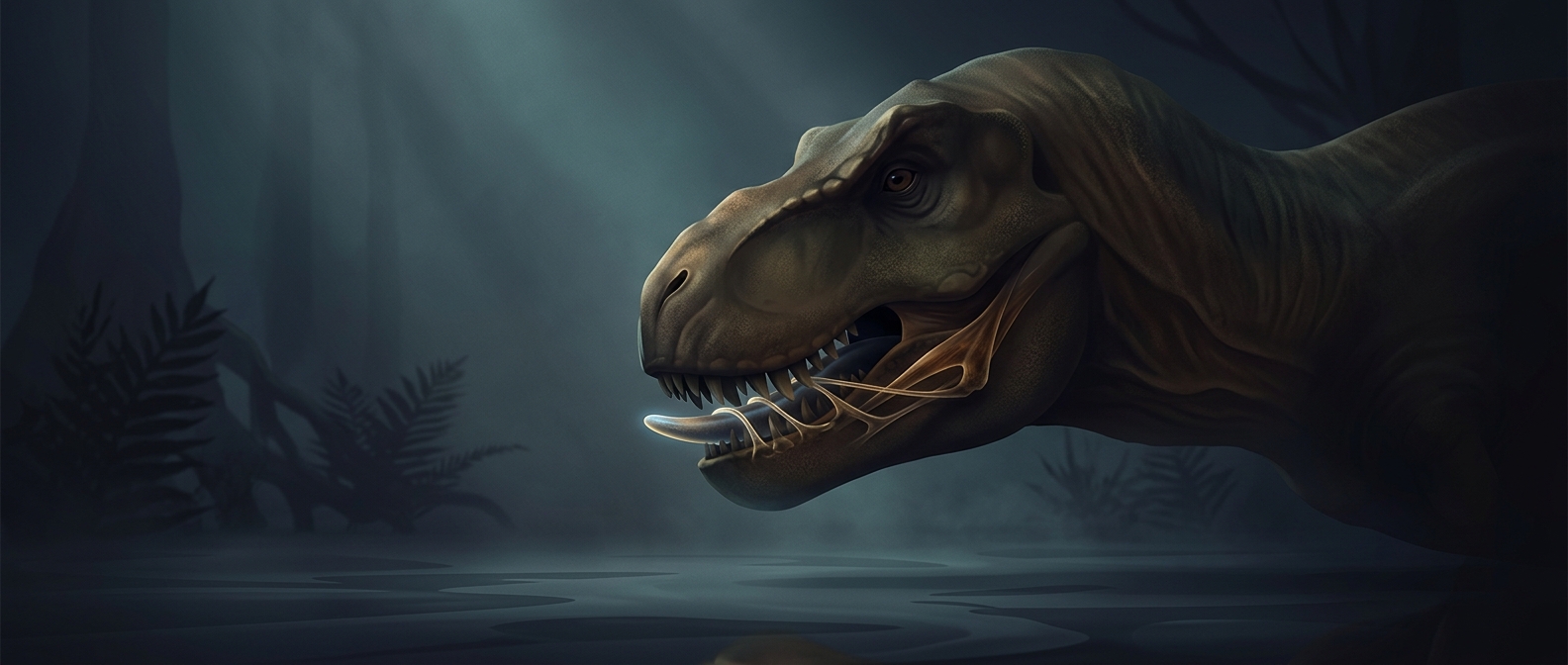
Even a T-Rex couldn't stick out its tongue
The most terrifying apex predator in history couldn't even blow a raspberry. The tongue of a T-Rex was deeply anchored to the bottom of its massive jaw with…
Discover more
Skunk spray can be smelled from more than a mile away
The chemical warfare of a skunk is nothing short of majestic. Their anal glands produce thiols, biological compounds so ridiculously pungent that a human nose…
Discover more
Why double-pane windows contain argon
You might think the gap in your fancy thermal windows is a vacuum, but it's likely just argon. Being a completely lazy noble gas, argon conducts heat…
Discover more