Science
Discover facts about science. Small discoveries that change the way you see familiar things.
Science

What actually causes that deeply comforting, deeply nostalgic sweet scent of old bookstore pages?
What actually causes that deeply comforting, deeply nostalgic sweet scent of old bookstore pages?
Discover more
According to dozens of astronauts who have done spacewalks, what does outer space actually smell like?
According to dozens of astronauts who have done spacewalks, what does outer space actually smell like?
Discover more
Why is the comforting image of the sun that you see in the sky actually an optical illusion of the past?
Why is the comforting image of the sun that you see in the sky actually an optical illusion of the past?
Discover more
What exactly are you smelling when you deeply inhale the crisp, earthy scent of rain hitting the pavement?
What exactly are you smelling when you deeply inhale the crisp, earthy scent of rain hitting the pavement?
Discover more
In 2024, scientists found massive, alarming concentrations of microplastics in which highly sensitive human tissue?
In 2024, scientists found massive, alarming concentrations of microplastics in which highly sensitive human tissue?
Discover more
What is the depressing biological reason why years seem to fly by so much faster as you get older?
What is the depressing biological reason why years seem to fly by so much faster as you get older?
Discover more STACKY FOR IPHONE
A bigger world.
One discovery
at a time.
Keep discovering with Stacky. Interesting facts in an app that is always within reach.
Why is it physically impossible to watch your own eyes move while looking into a mirror?
Why is it physically impossible to watch your own eyes move while looking into a mirror?
Discover more
Why does eating incredibly spicy food immediately make your nose run and your face aggressively sweat?
Why does eating incredibly spicy food immediately make your nose run and your face aggressively sweat?
Discover more
Why are humans the only primates on earth with highly visible bright white space surrounding our pupils?
Why are humans the only primates on earth with highly visible bright white space surrounding our pupils?
Discover more
Which common activity has been clinically proven to reduce PTSD if done immediately after a trauma?
Which common activity has been clinically proven to reduce PTSD if done immediately after a trauma?
Discover more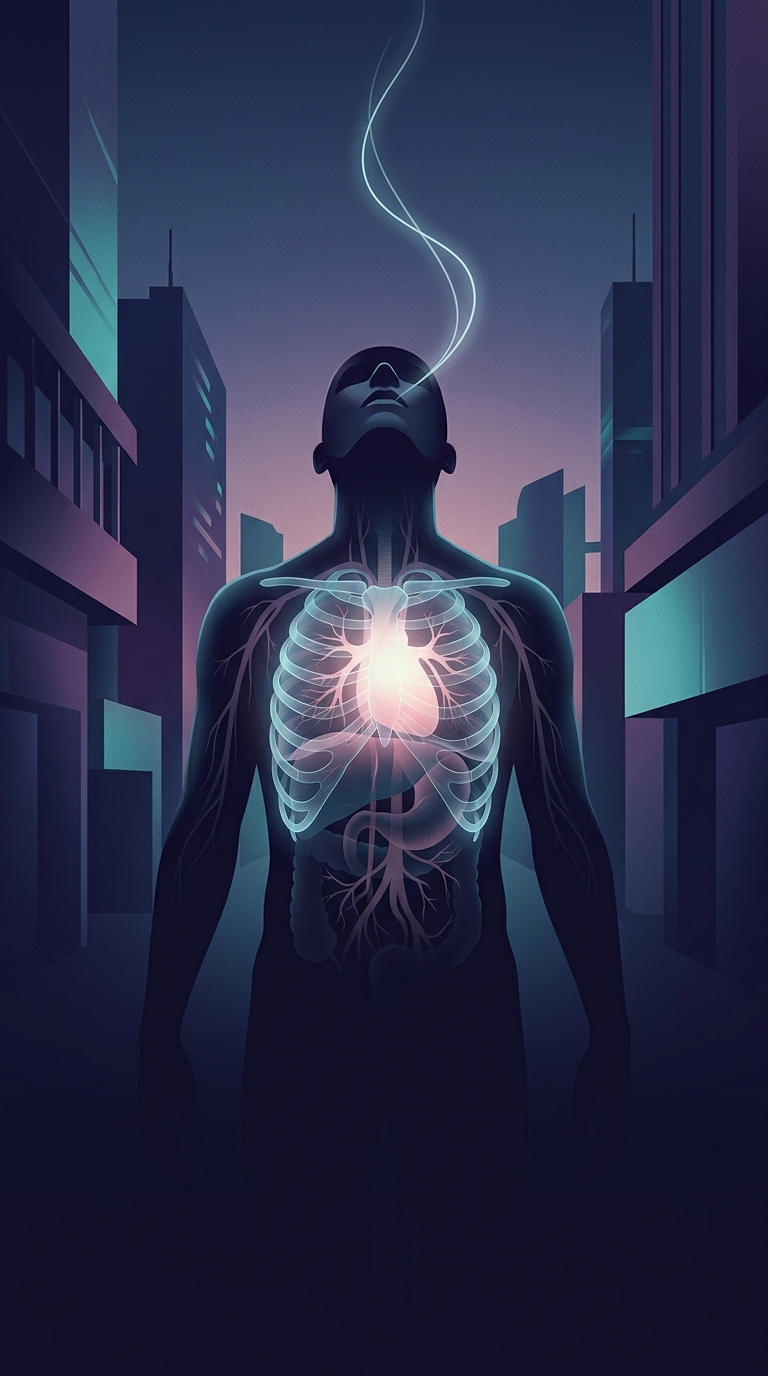
Why does your body physically force you to involuntarily take a deep, dramatic sigh every few minutes?
Why does your body physically force you to involuntarily take a deep, dramatic sigh every few minutes?
Discover more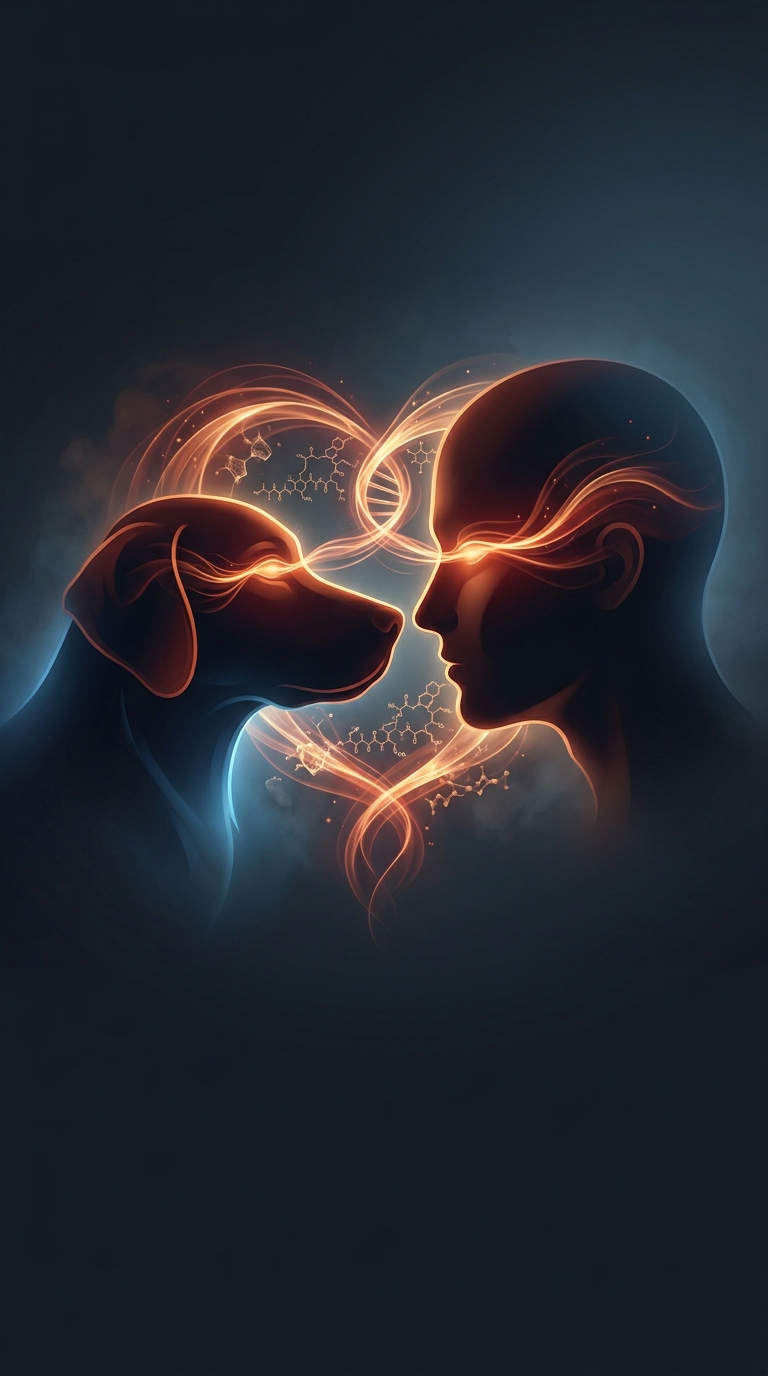
A dog's gaze can be part of a two-way bonding loop.
A dog's gaze can be part of a two-way bonding loop. A 2015 study linked longer dog–owner gazing with increases in owners' oxytocin, a hormone involved in…
Discover more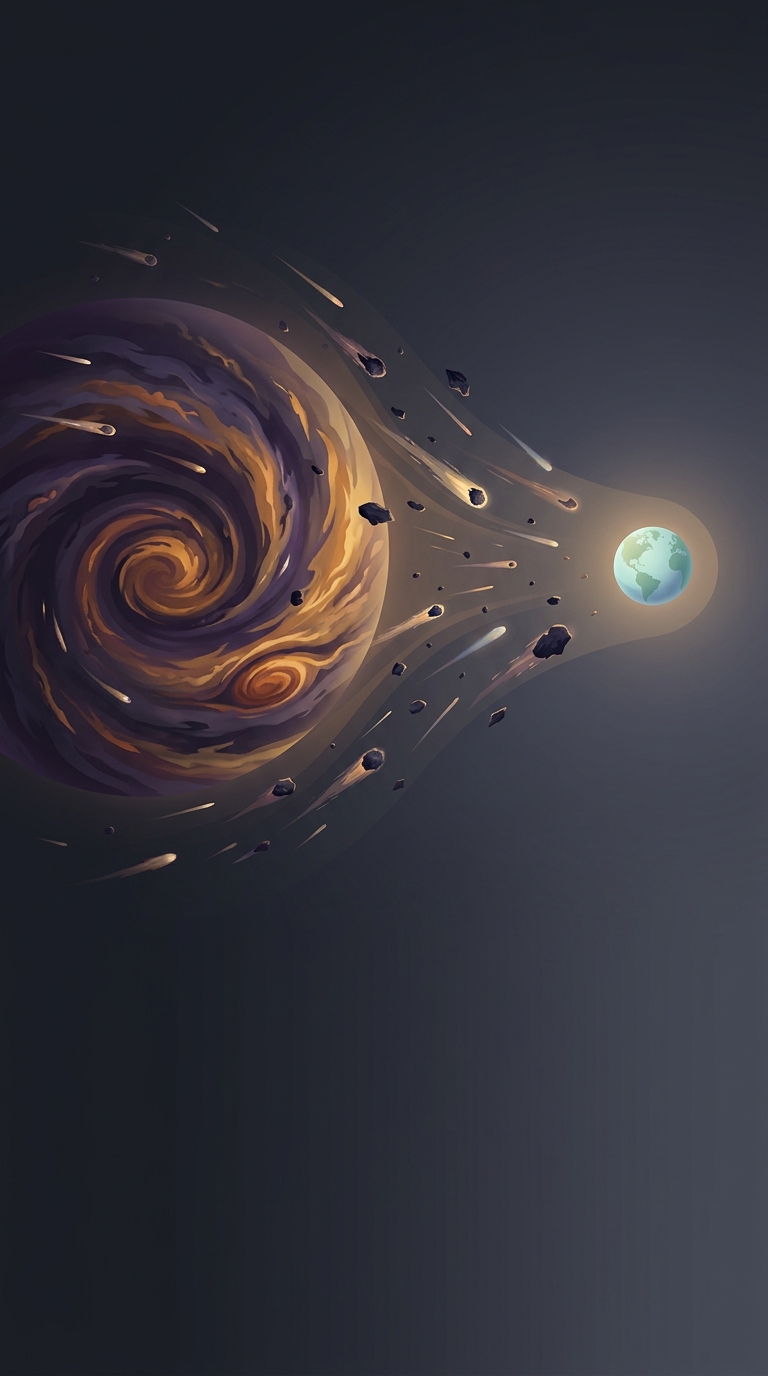
Jupiter can catch a comet—or send it somewhere dangerous.
Jupiter can catch a comet—or send it somewhere dangerous. Its gravity changes a passing object's direction and speed. Depending on the encounter, that can…
Discover more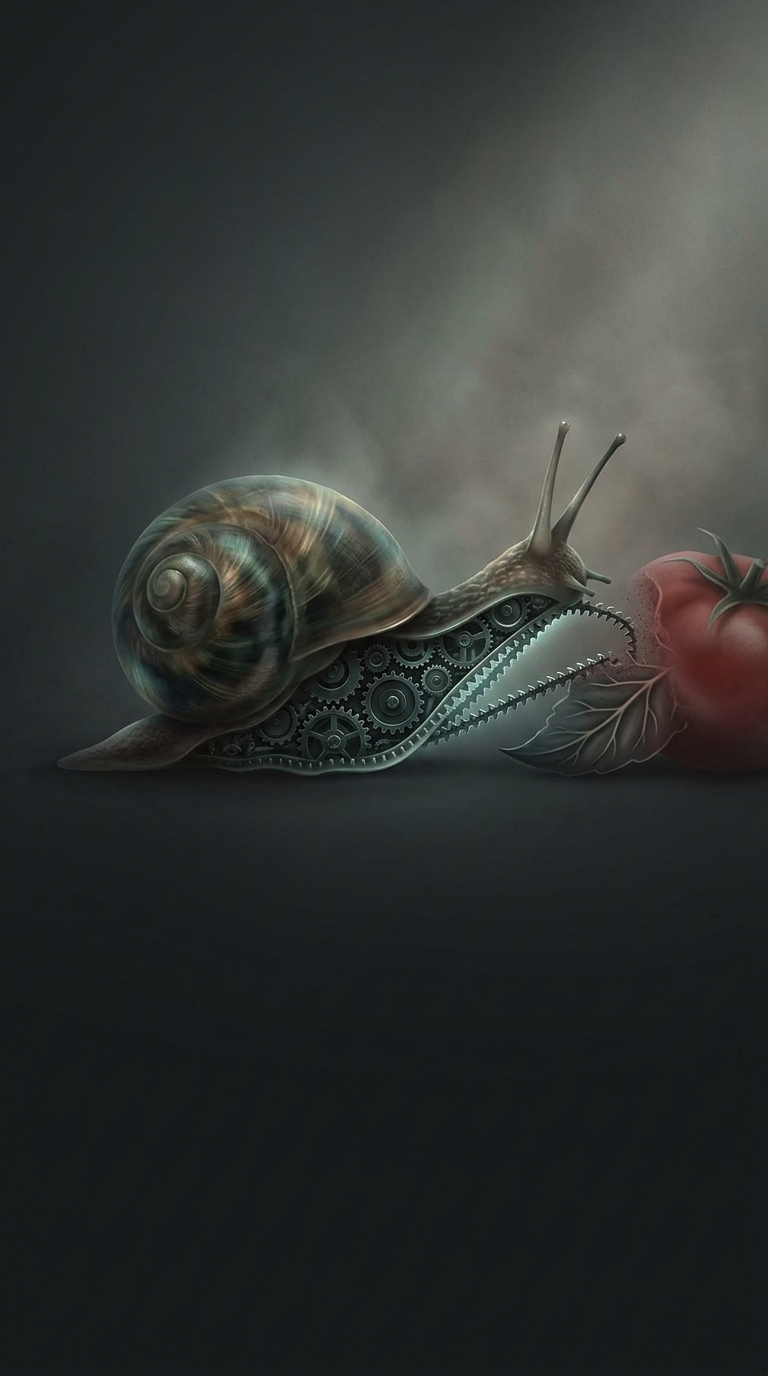
Garden snails possess a ribbon-like structure in their mouths called a radula, which is covered in up to fourteen thousand microscopic teeth used to scrape food into their digestive tracts.
Garden snails possess a ribbon-like structure in their mouths called a radula, which is covered in up to fourteen thousand microscopic teeth used to scrape…
Discover more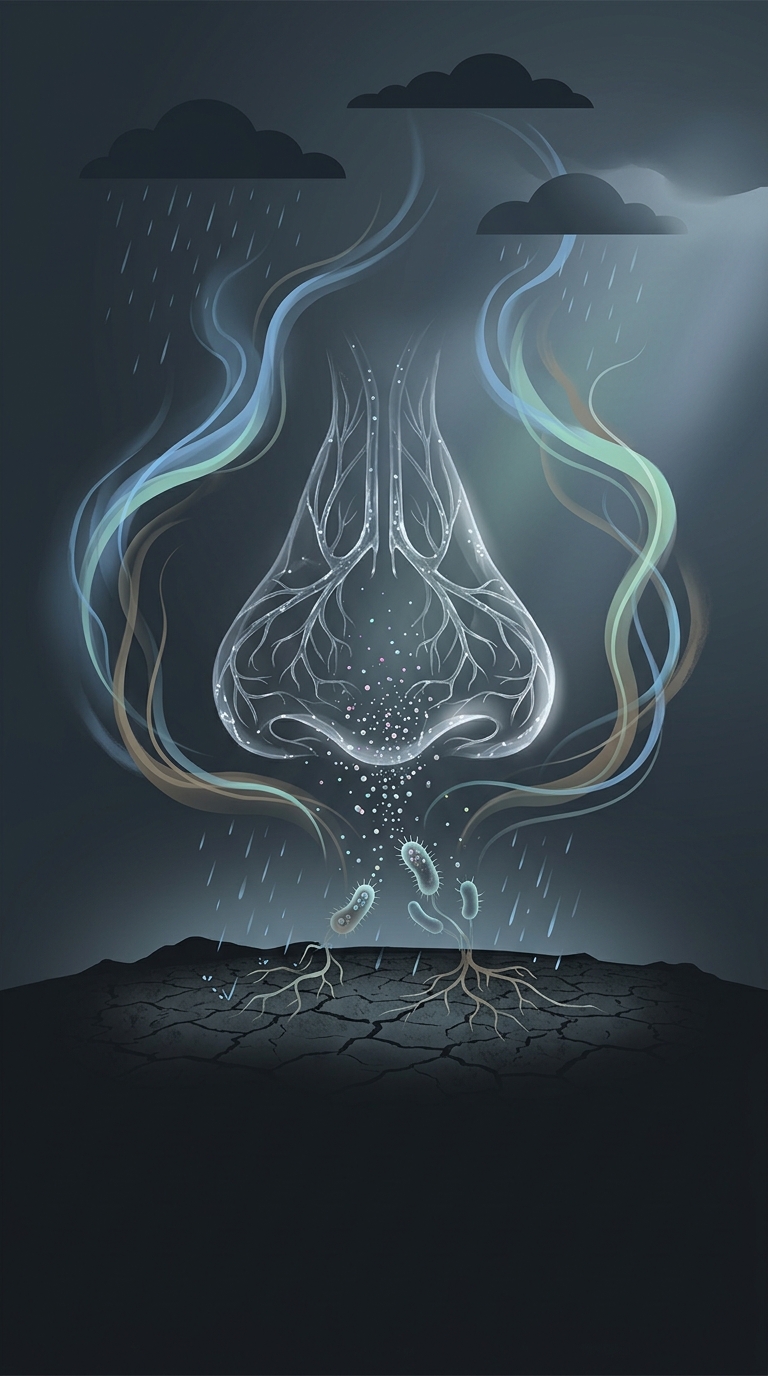
Petrichor is the distinct, earthy scent that occurs when rain falls on dry soil, which is actually caused by an oil produced by certain plants during dry periods and a chemical called geosmin.
Petrichor is the distinct, earthy scent that occurs when rain falls on dry soil, which is actually caused by an oil produced by certain plants during dry…
Discover more
Florets in the center of a sunflower are arranged in highly complex, interconnecting spiral patterns that perfectly follow the Fibonacci sequence and the golden ratio to maximize their packing efficiency.
Florets in the center of a sunflower are arranged in highly complex, interconnecting spiral patterns that perfectly follow the Fibonacci sequence and the…
Discover more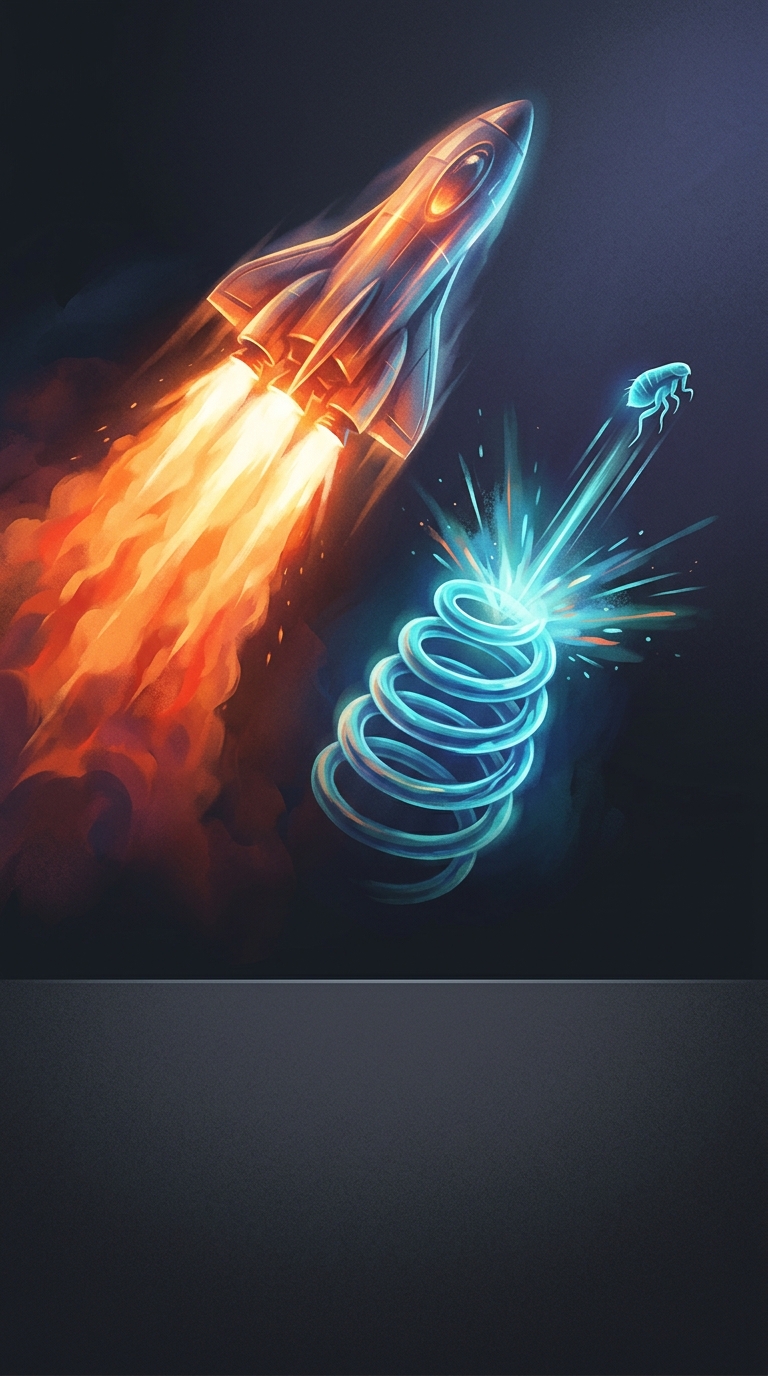
Fleas accelerate faster than a space shuttle during liftoff when they jump, experiencing a massive hundred g-forces in a fraction of a second.
Fleas accelerate faster than a space shuttle during liftoff when they jump, experiencing a massive hundred g-forces in a fraction of a second. A flea first…
Discover more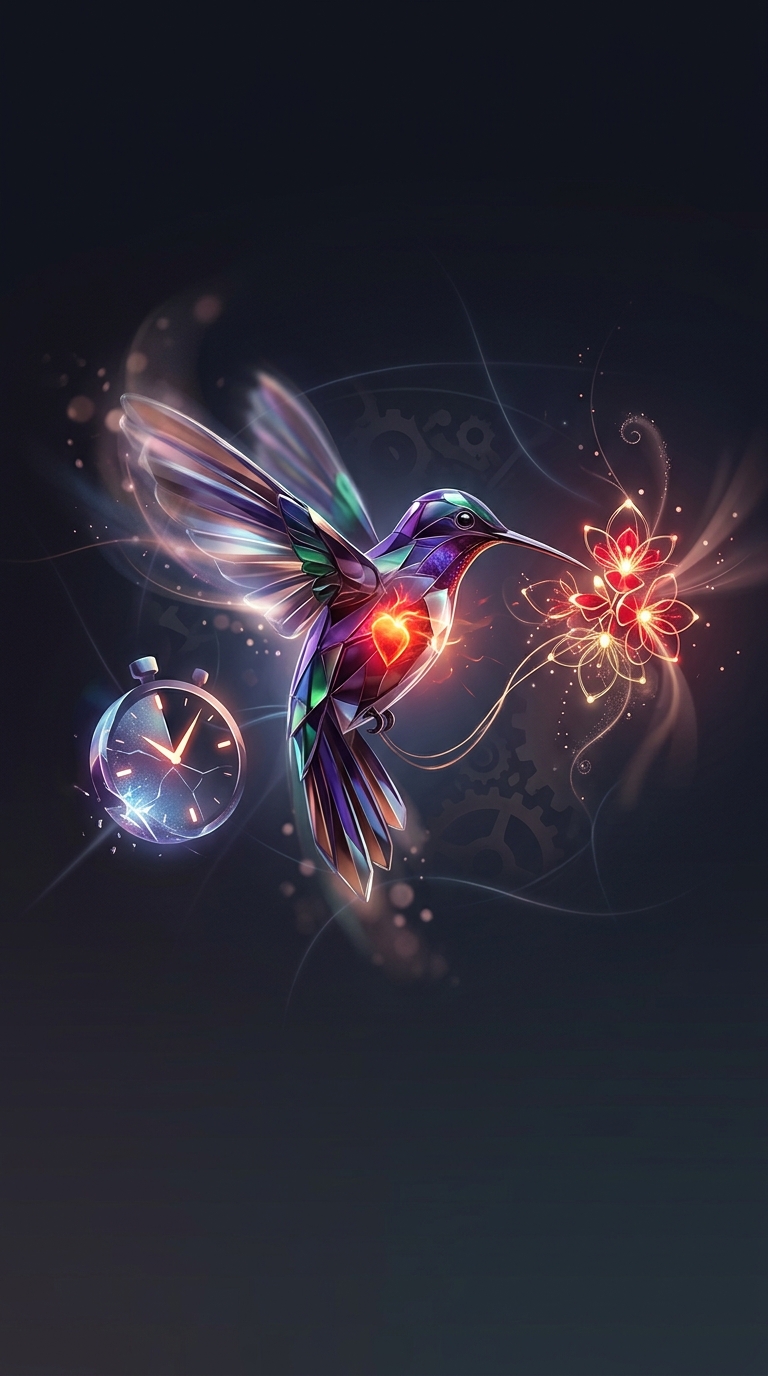
A hummingbird can turn down its metabolism to survive the night.
A hummingbird can turn down its metabolism to survive the night. Hovering burns energy rapidly, while a tiny body loses heat quickly. Torpor reduces body…
Discover more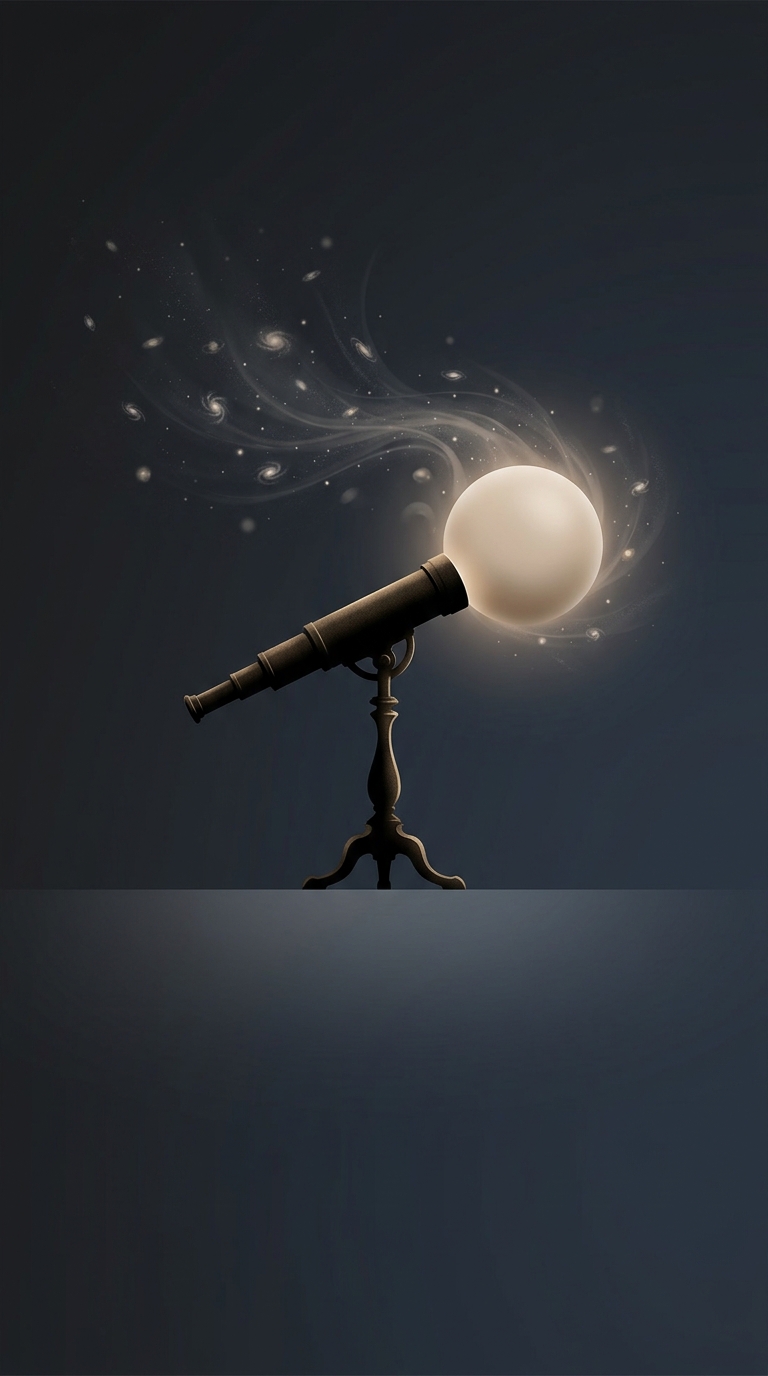
Astronomers averaged galaxy light and got cosmic latte.
Astronomers averaged galaxy light and got cosmic latte. A survey of about 200,000 galaxies produced an overall light spectrum that researchers translated into…
Discover more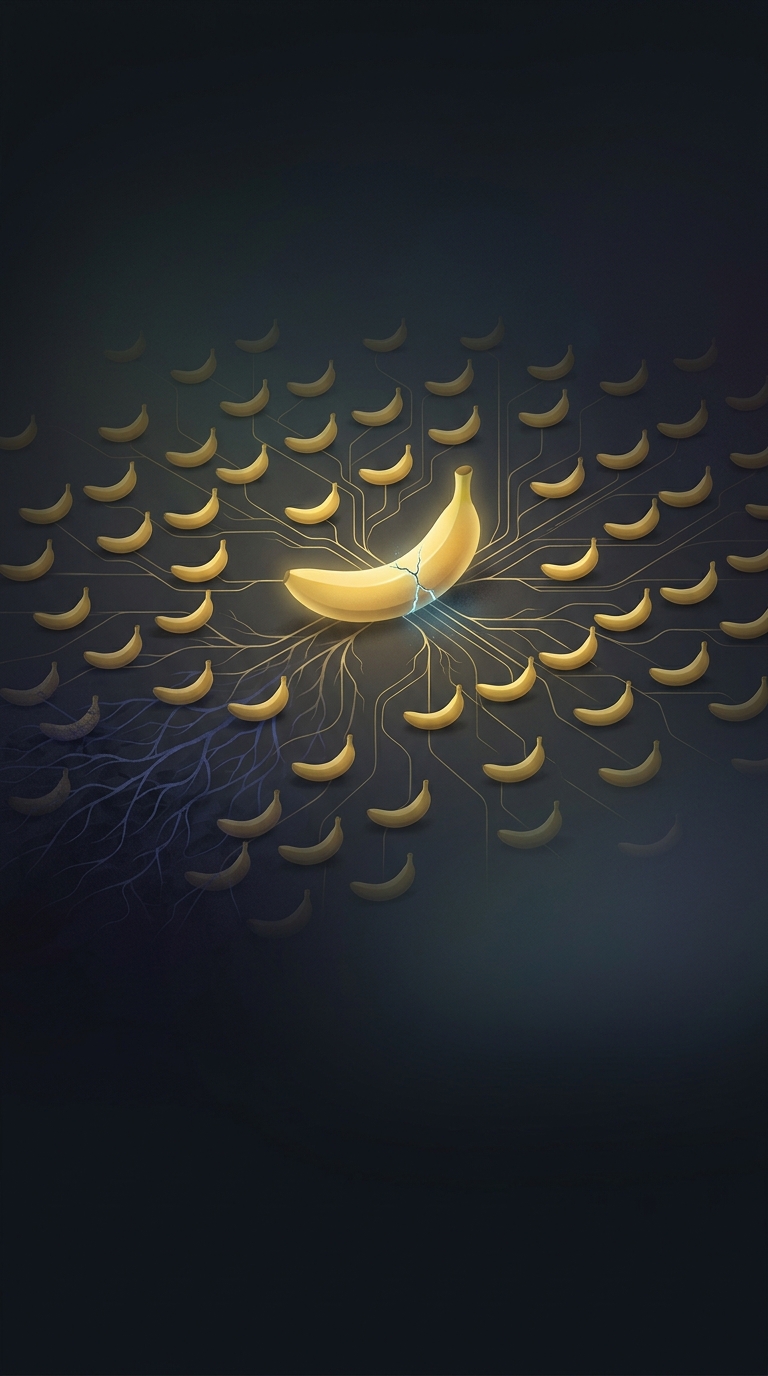
Banana farms can repeat the same vulnerability millions of times.
Banana farms can repeat the same vulnerability millions of times. Export production relies heavily on Cavendish bananas propagated as clones. Uniform plants…
Discover more
Different animals resolve the visual world at different speeds.
Different animals resolve the visual world at different speeds. A 2013 comparison linked smaller body size and higher metabolism with the ability to…
Discover more
Pigeons developed routines around food they did not control.
Pigeons developed routines around food they did not control. In B. F. Skinner's famous experiment, food arrived on a timer regardless of what a pigeon did.…
Discover more
Oxygen was once a radical change to Earth's atmosphere.
Oxygen was once a radical change to Earth's atmosphere. Microbes released oxygen long before it accumulated substantially in the air, around 2.4 billion years…
Discover more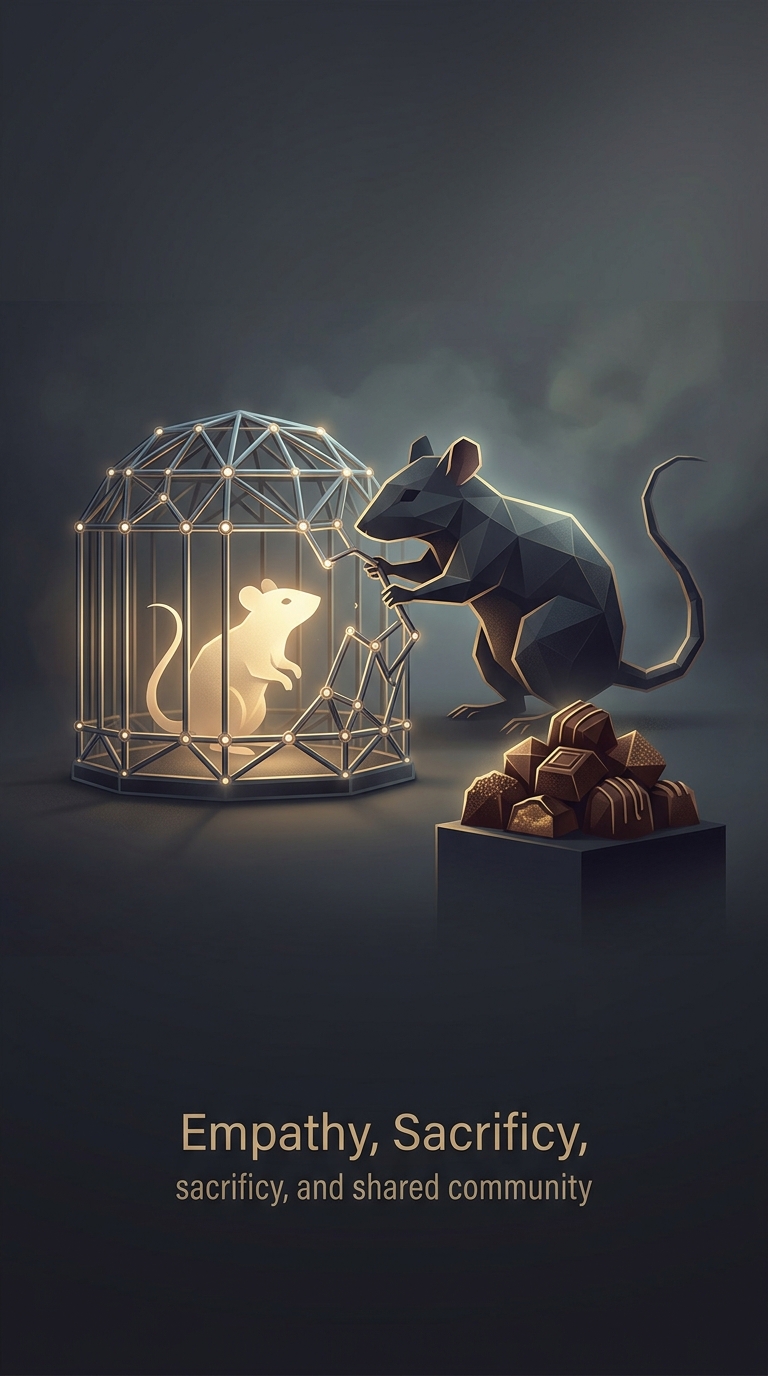
Rats freed trapped companions even when chocolate was available.
Rats freed trapped companions even when chocolate was available. In a 2011 experiment, rats learned to open a restrainer holding another rat. When chocolate…
Discover more