How a universe gets one color
To turn the light from a large galaxy survey into a single color, astronomers combine the galaxies’ light spectra—the distribution of light across wavelengths—rather than asking what color each galaxy looks like. The result is effectively weighted by brightness: a galaxy that contributes more light has more influence on the average than a faint one. Astronomers then translate that combined spectrum into a color humans can perceive.
That translation matters. “Cosmic latte” is a description of the average light, not a paint-like substance spread across space. Change the set of galaxies or the way their light is combined, and the resulting color can shift slightly.
Why the average is so pale
Individual stars span a range of colors. Hotter stars emit relatively more blue light; cooler stars emit more red. Galaxies also contain stars at different stages of life, so their combined light mixes those contributions. When the light from many galaxies is blended, the strong blue and red components partly balance, leaving a pale, warm tint rather than a vivid hue.
The average also reflects the history of star formation: galaxies with many young, massive stars contribute bluer light, while populations dominated by older stars tend to look redder. Combining both across a survey smooths those differences into a color that no single galaxy needs to match.
A swatch, not a view of the night sky
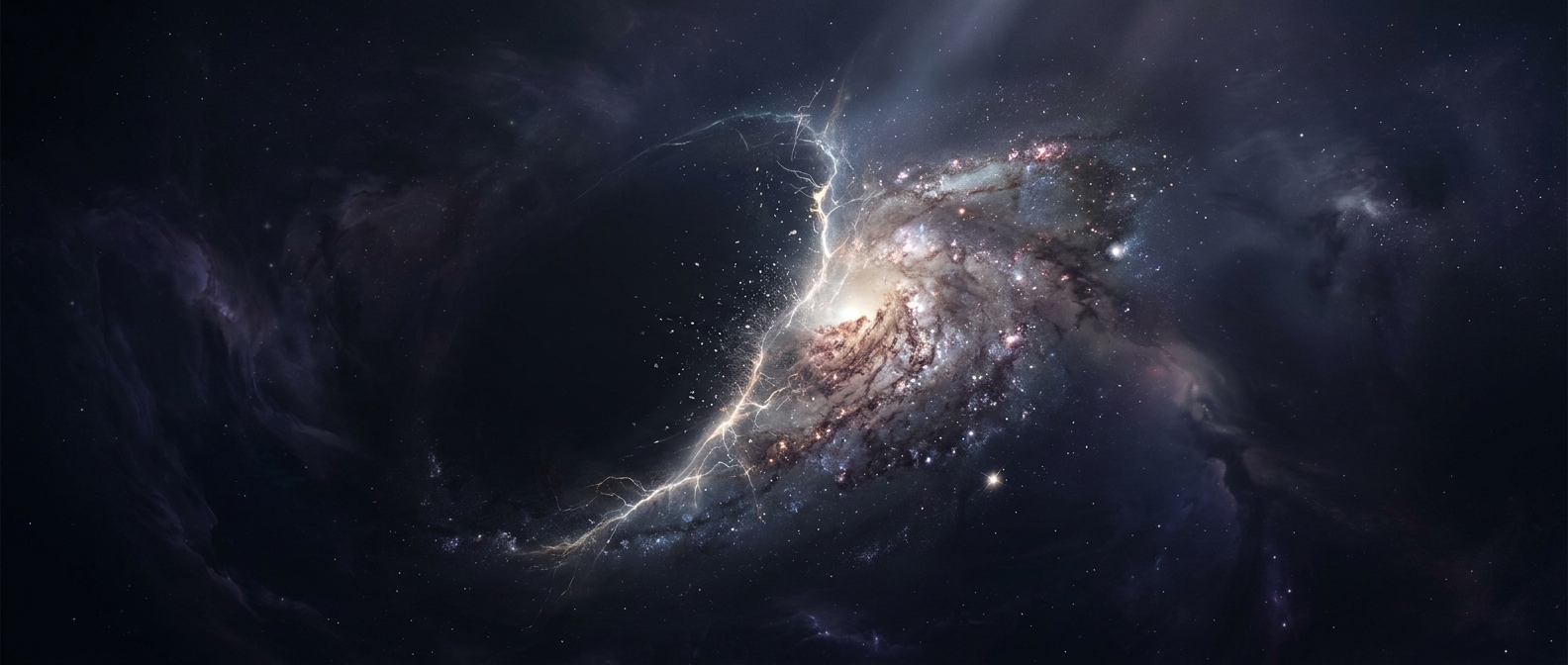
The night sky looks mostly black because most directions contain too little visible light to stimulate our eyes. The cosmic average, by contrast, is calculated from light gathered from galaxies and compressed into one representative color. It is a useful way to summarize their combined glow—but it does not illuminate the empty-looking spaces between them. The joke is that a spectacular collection of galaxies can average to beige; the practical point is that averages can conceal the vivid differences that produced them.