stackyFACTS
Science

Pluto's heart is a glacier, not just a shape

HERE’S THE INTERESTING PART

When the New Horizons space probe finally flew by the distant, wildly controversial dwarf planet Pluto, it beamed back an incredibly heartwarming image. The desolate, freezing surface heavily features a shockingly distinct, thousand-mile-wide pale heart shape, which scientists violently discovered is actually an incredibly deep, shifting glacier made of purely frozen nitrogen.

Pluto's heart is a glacier, not just a shape
STACKY / Science
One discovery leads to another.

Keep exploring facts in this topic.

Science →

STACKY FOR IPHONE

A bigger world.
One discovery
at a time.

Keep discovering with Stacky. Interesting facts in an app that is always within reach.

Download on the App Store
ONE MORE DISCOVERY?

Keep exploring

All in this topic →
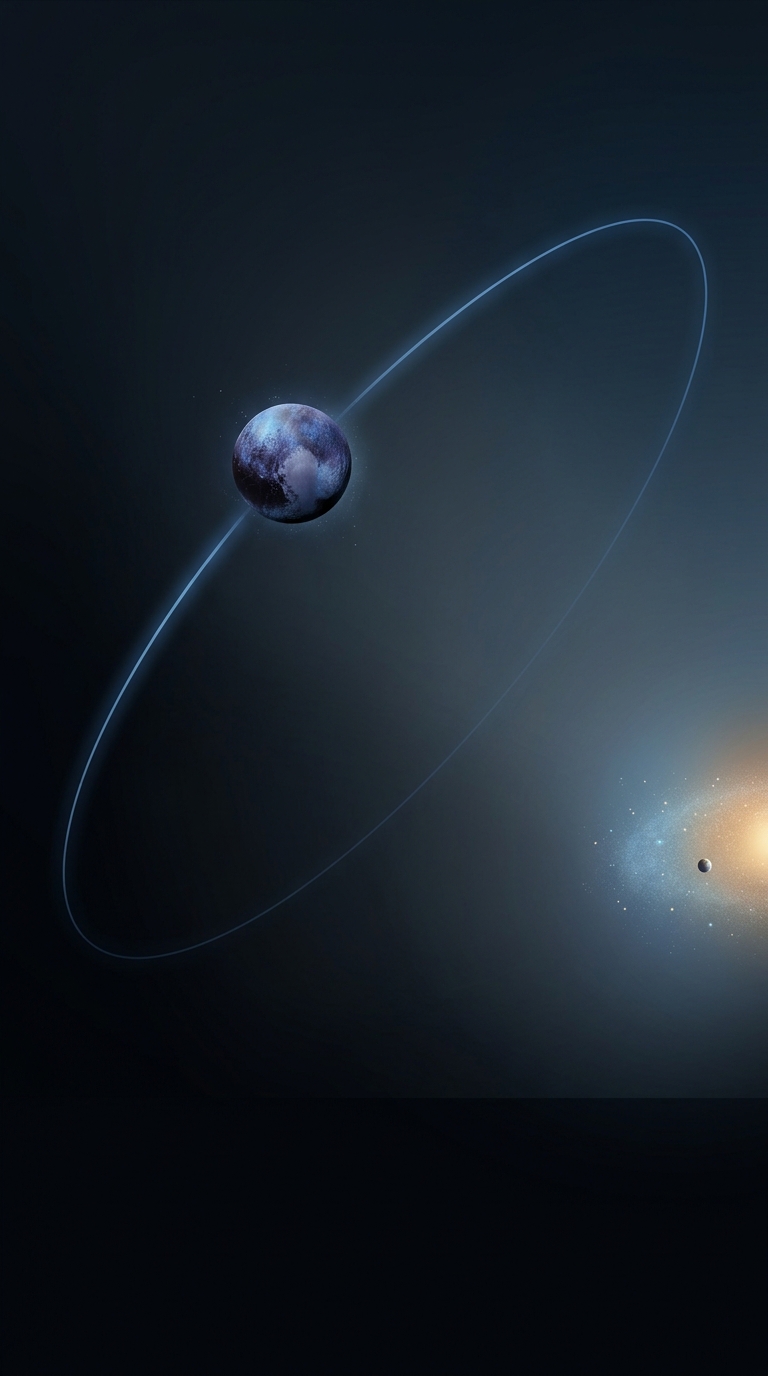
Pluto has not completed a single orbit around the sun since its discovery in 1930, and it will not complete its first observed revolution until the year 2178.
Science

Pluto has not completed a single orbit around the sun since its discovery in 1930, and it will not complete its first observed revolution until the year 2178.

Pluto has not completed a single orbit around the sun since its discovery in 1930, and it will not complete its first observed revolution until the year 2178.…

Discover more
How static electricity helped build planets
Science

How static electricity helped build planets

Before Earth was a giant sphere of rock, it was nothing more than a swirling disk of microscopic silicate dust orbiting a young Sun. The great mystery was how…

Discover more
Tidal friction caused by the gravitational pull of the moon is slowly dragging on the Earth's rotation, causing the length of a single day to increase by about one point eight milliseconds every century.
Science

Tidal friction caused by the gravitational pull of the moon is slowly dragging on the Earth's rotation, causing the length of a single day to increase by about one point eight milliseconds every century.

Tidal friction caused by the gravitational pull of the moon is slowly dragging on the Earth's rotation, causing the length of a single day to increase by…

Discover more
Earth's quasi-moon won't leave its neighborhood
Science

Earth's quasi-moon won't leave its neighborhood

Our planet is the lonely protagonist of the solar system, but it turns out we have a slightly creepy stalker. Kamoʻoalewa is an asteroid roughly the size of a…

Discover more
The dwarf planet hiding in the asteroid belt
Science

The dwarf planet hiding in the asteroid belt

While everyone was looking past Mars for the next big planet, they missed the absolute unit lurking right in the middle of the asteroid belt. Ceres accounts…

Discover more
The crowded neighborhood that changed Pluto's status
Science

The crowded neighborhood that changed Pluto's status

Pluto's demotion makes a lot more sense when you realize it lives in a crowded neighborhood. The Kuiper belt is a massive donut-shaped ring of icy bodies just…

Discover more
StackyMore discoveries in the app
Download on the App Store