Your eyes move between snapshots of vision
When you shift your gaze from one eye in the mirror to the other, your eyes make a rapid jump called a saccade. They do not smoothly sweep across the reflection. The movement takes only a fraction of a second, and during it the visual image would otherwise smear across your retina.
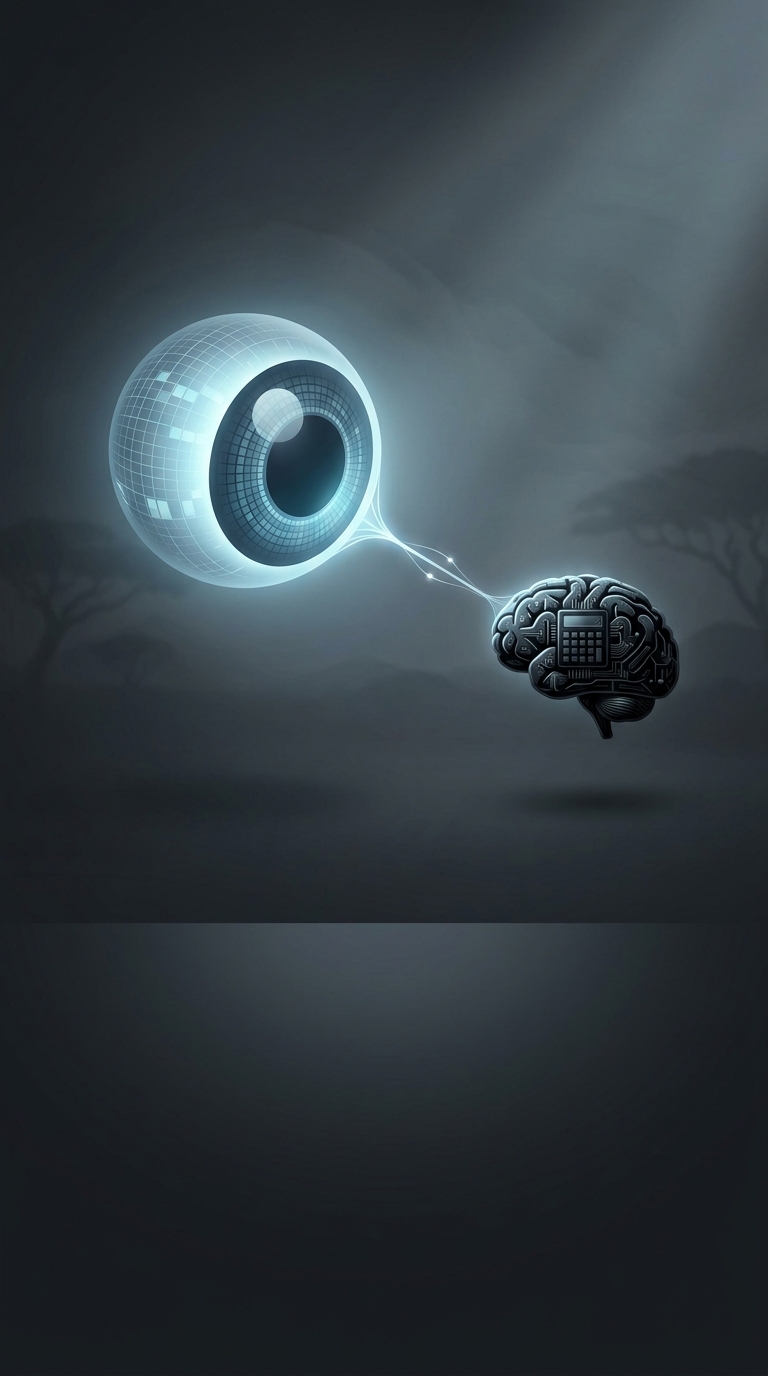
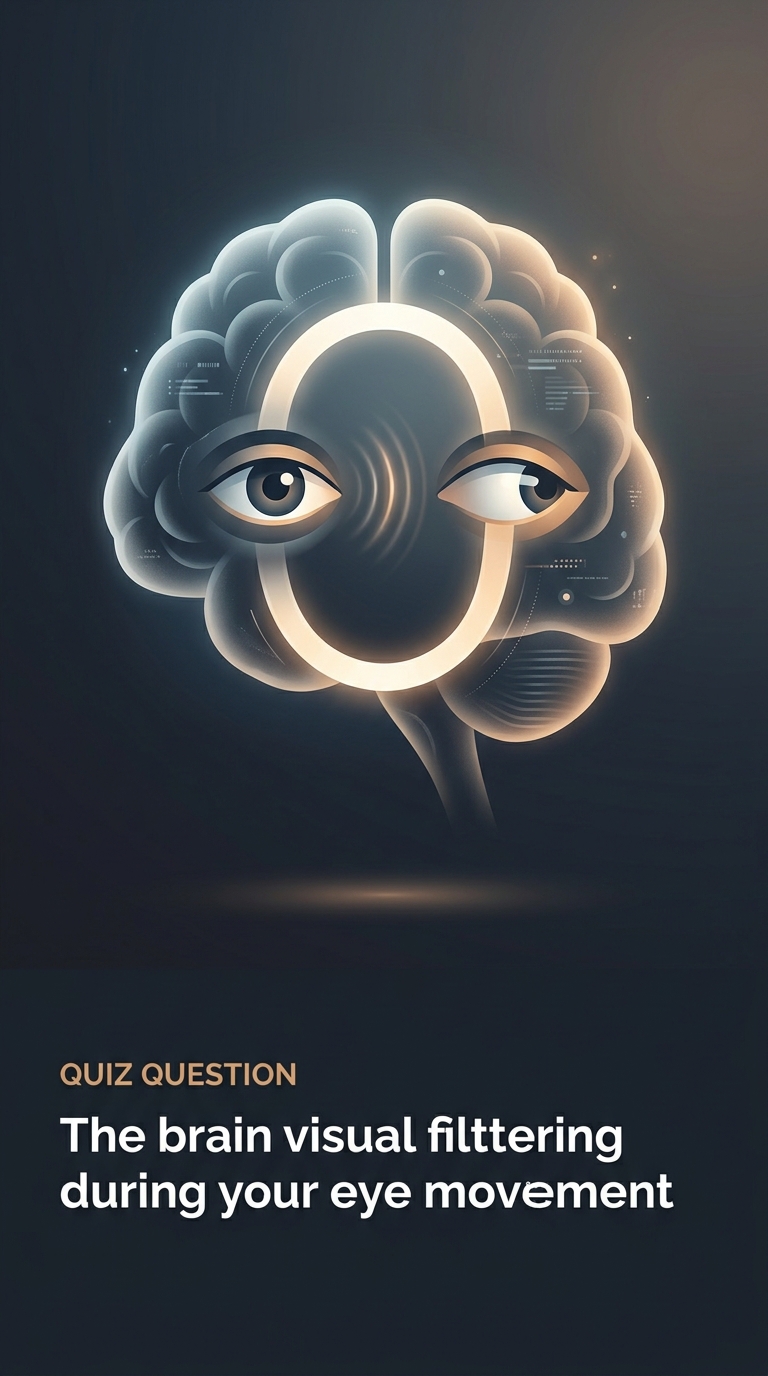
Your brain largely suppresses awareness of that smear. This brief reduction in sensitivity is called saccadic suppression. It helps the world seem stable rather than streaking every time your gaze shifts. By the time clear vision resumes, your eyes have already landed on the new target—so you see the eye you are looking at, not the movement that got you there.
The mirror offers no outside viewpoint
A mirror does not give you an independent view of your face. You see your eyes’ reflections through the same eyes that are moving, and the movement happens during the interval when your visual system is least likely to register it. Someone standing nearby, or a camera recording you, can see your eyes dart from one target to another because they are watching from outside that perceptual loop.
You can still notice the effect indirectly: your gaze has changed, and the reflected eyes now point somewhere else. But the transition itself is normally hidden from conscious view. The trick is not that your eyes move too quickly for light to reach the mirror; it is that your brain filters the brief visual disturbance caused by their movement.