Why an Ostrich Needs Such Large Eyes
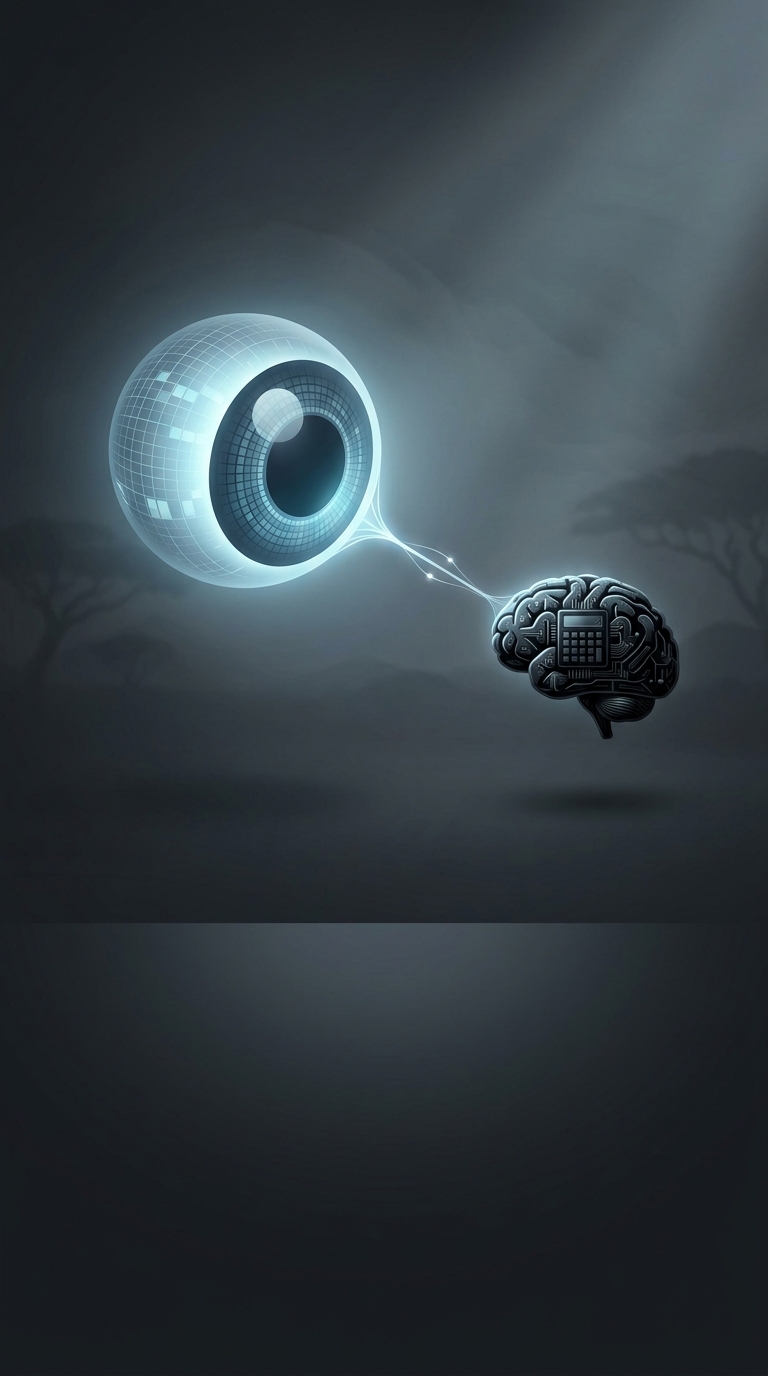
An ostrich’s enormous eyes are built for a landscape with few places to hide. On open ground, noticing movement early can give a large, fast-running bird time to turn away or flee. Large eyes can collect more light and form a detailed image, helping the bird pick out distant shapes and motion across the savanna.
The eye’s size is only part of the advantage. Its position on the sides of the head gives the ostrich a broad field of view, so it can monitor much of the surrounding landscape without constantly turning. That panoramic coverage is useful for detecting danger approaching from the side or behind.
A Tradeoff Between Panorama and Depth
Forward-facing eyes point their fields of view toward one another, creating a larger overlap. The brain can compare the two images to judge depth more precisely—a benefit when reaching for objects or navigating close obstacles. Side-facing eyes overlap less, but they cover more of the surroundings at once.
The ostrich’s arrangement suits a bird that often needs to notice what is happening across open terrain. It is not a perfect all-around view: the head and body still block some directions, and the bird must move its head to inspect particular details. But it can keep more of the horizon under watch while its attention is elsewhere.
Seeing Far Is Only the First Step
Spotting a possible threat does not identify exactly what it is. The ostrich can turn toward movement, focus its attention, and decide whether to run. In a landscape where concealment is scarce, the combination of large eyes and wide visual coverage helps make that warning arrive before a predator is close.