How a turkey’s face changes color
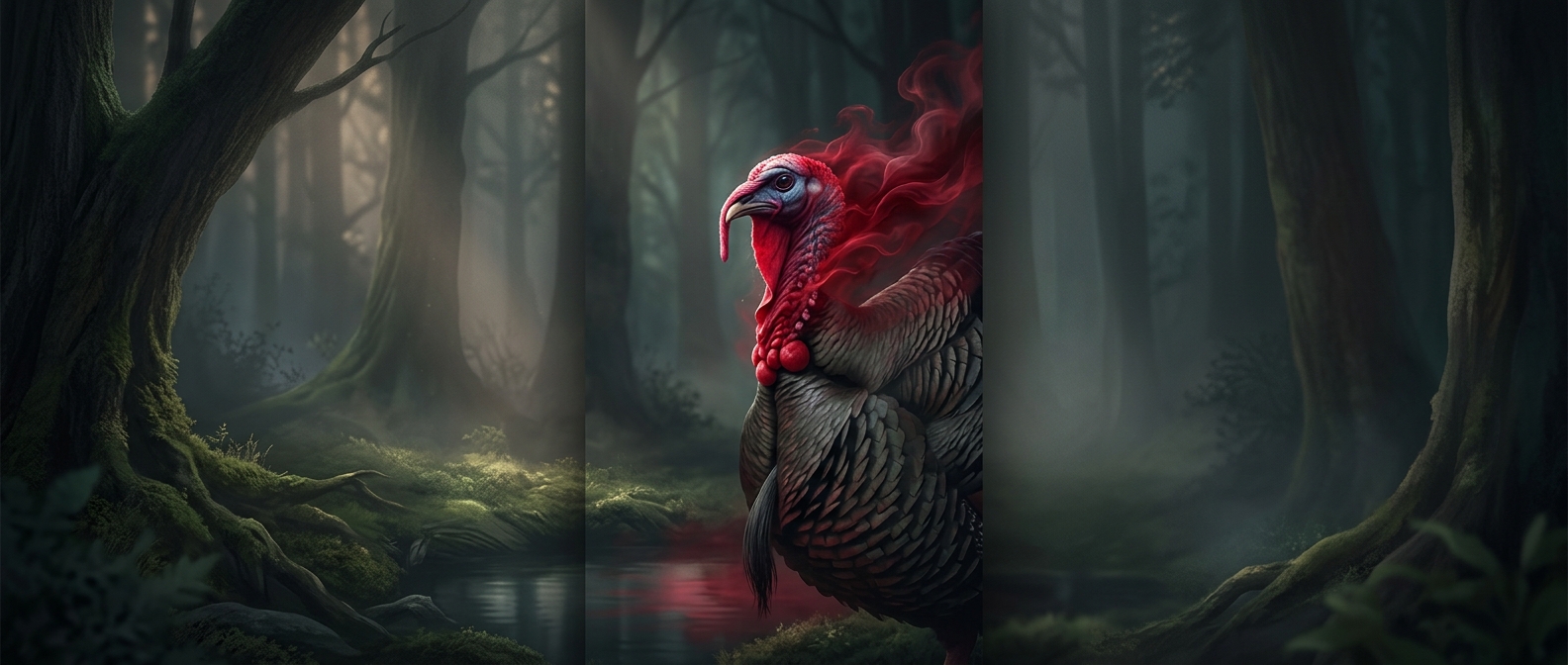
A turkey’s “blush” happens in its bare, blood-rich facial skin—not in its feathers. The snood, the fleshy flap that hangs over the beak, and the wattle beneath the throat contain many small blood vessels close to the surface. As blood flow through those tissues changes, their color can shift noticeably.
A living signal, not a fixed paint job
When a turkey is excited or otherwise physically aroused, changes in circulation can make these areas look redder. When less blood is near the surface, they may appear paler or take on a bluish cast. The color is therefore a visible, moment-to-moment effect of what is happening in the tissue, rather than a permanent marking.
The shift can be striking because the skin is exposed and thin, so changes beneath it show through. It gives an observer a quick glimpse of the bird’s changing physical state—but color alone does not reveal exactly what the turkey is feeling. The “blush” is blood flow made visible through the skin.