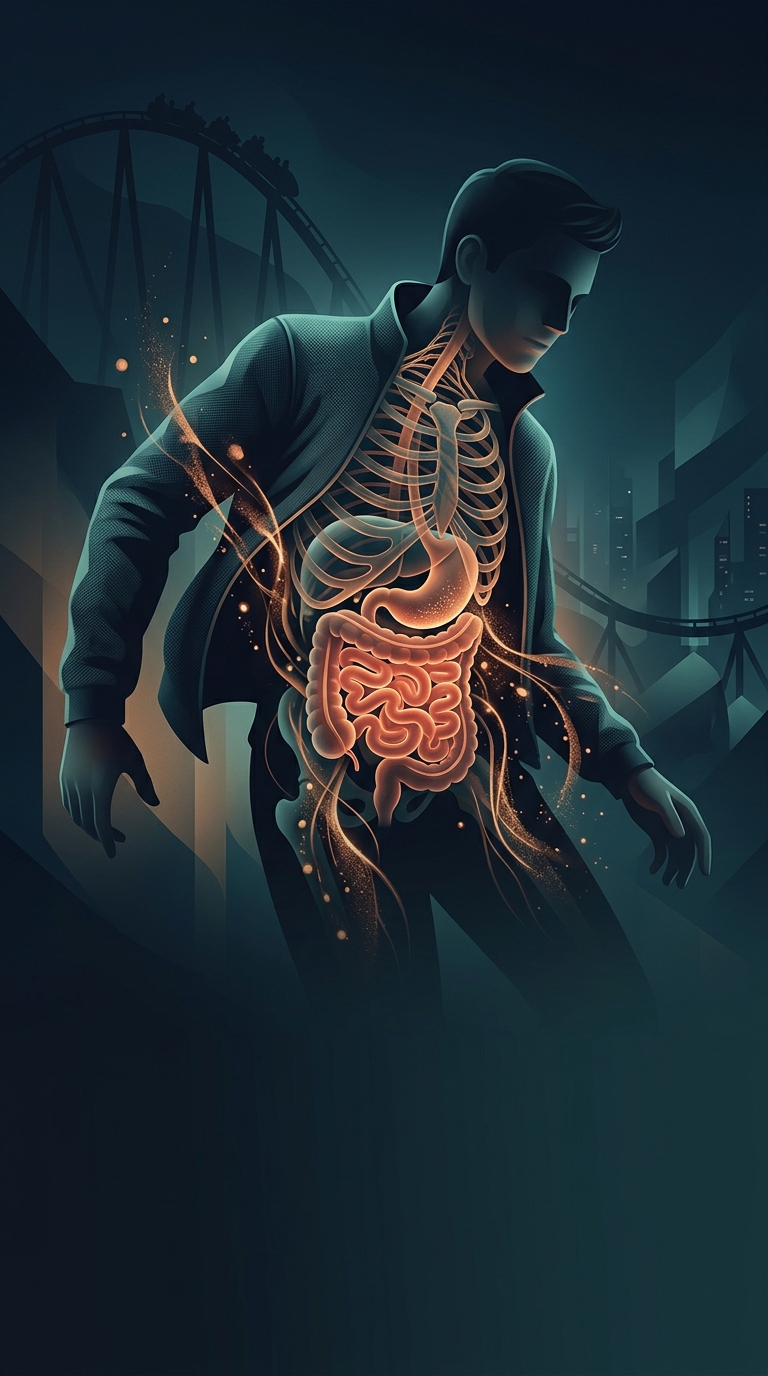
Why a coaster drop feels like your stomach is rising
At the crest of a roller coaster, the track curves downward and the car begins accelerating toward the ground. Your body accelerates with it, but for a moment the seat pushes up on you less strongly than it does when the car is moving steadily. That support force is what you normally feel as your weight. When it drops, your body feels briefly light.
Your stomach does not actually fall out of place. Its contents and the rest of your body are moving downward together. But soft tissues inside the abdomen can shift slightly relative to one another as the forces on them change. The gut has sensory nerves that register stretch and movement, adding an odd, hollow or fluttering feeling.
The brain reads the motion, too
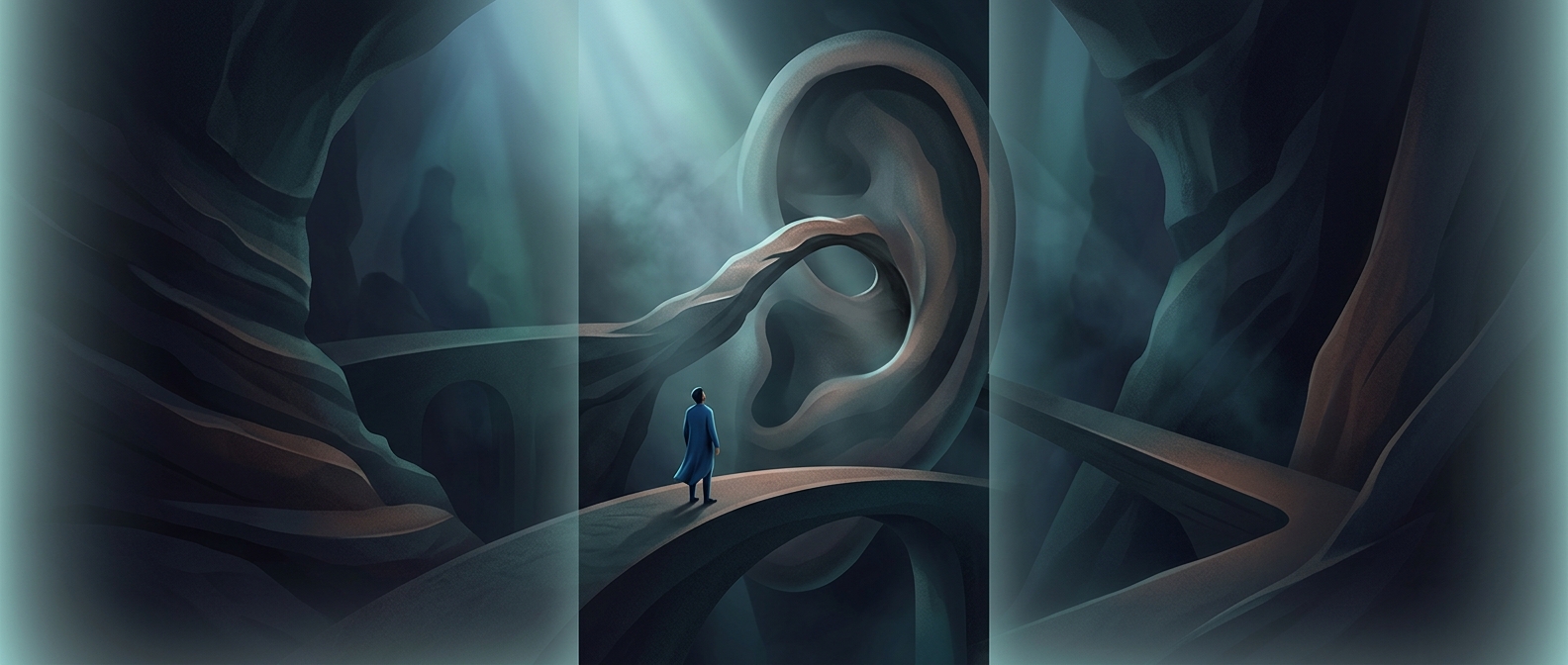
The inner ear contains balance organs that sense changes in movement, including acceleration. During a sudden descent, those signals combine with what your eyes see and with the reduced pressure you feel against the seat. The result is a strong sense of being dropped—even though the car and your body are following the same path.
The sensation is most noticeable when the car’s downward acceleration makes you feel much lighter than usual. It is a brief change in force, not your stomach literally lagging far behind your body. That fleeting mismatch between motion, pressure and the body’s internal sensations is what gives a coaster’s drop its distinctive “stomach-lurch” feeling.