A small fold at the rim of the ear
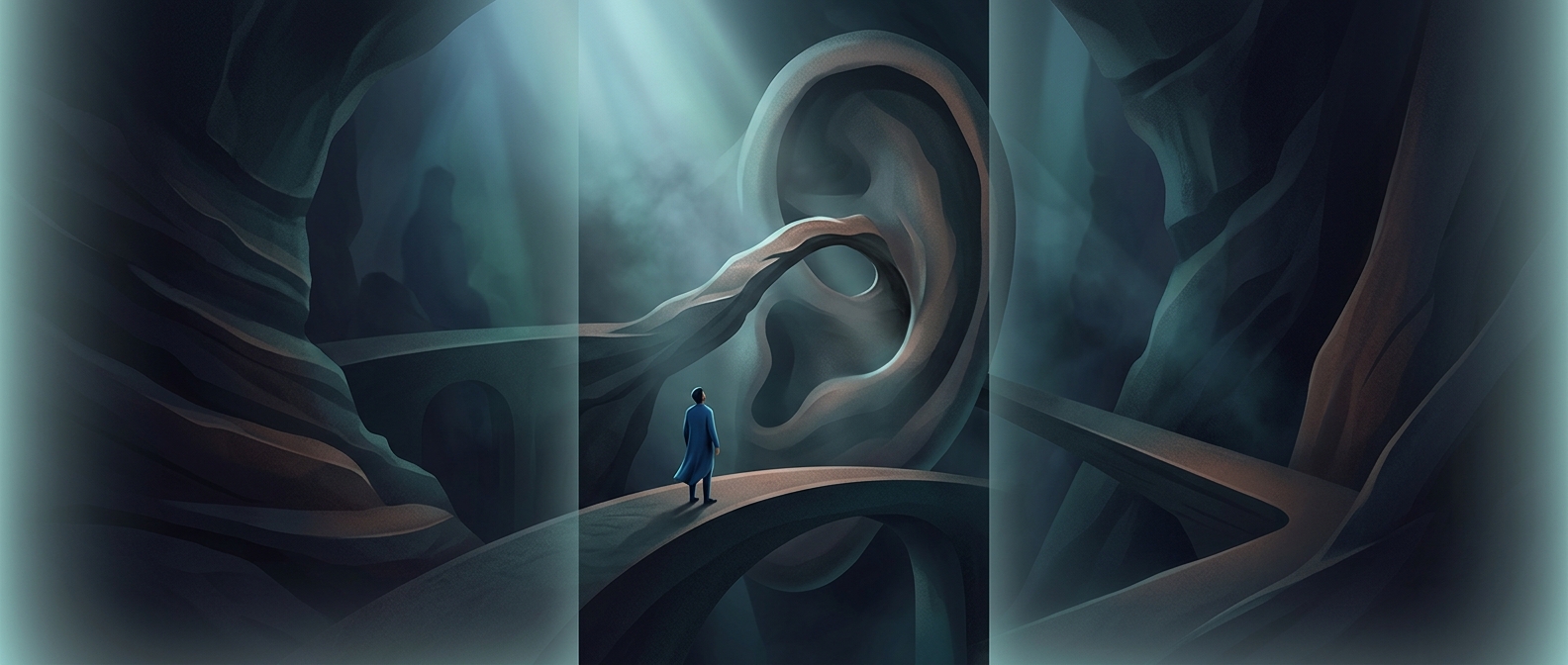
Darwin’s tubercle is a tiny thickening on the outer edge of the ear, usually near the upper part of the rim. It can look like a rounded bump or a slight point. The feature varies from person to person: it may be obvious, subtle, or absent, and it is generally just a normal variation in ear shape.
How the shape develops
The outer ear takes shape before birth as several small pieces of developing tissue grow and join. Differences in how that tissue forms can produce variations in the rim, including Darwin’s tubercle. It may appear on one ear or both, and its size and prominence differ widely. The bump itself is not evidence of a health problem.
Why Darwin’s name is attached
The name comes from naturalist Charles Darwin, who discussed the ear feature as a possible remnant of an ancestor with more pointed ears. In evolutionary biology, a vestigial feature is one inherited from ancestors that has become reduced or no longer serves its earlier function. But the bump’s appearance alone cannot establish that history, and its proposed connection to pointed-eared ancestors remains an evolutionary hypothesis—not a settled explanation.
So the name is more definite than the story behind it: Darwin’s tubercle is a recognizable variation, while what it may reveal about ancestral ears is still uncertain.