The muscles behind an ear wiggle
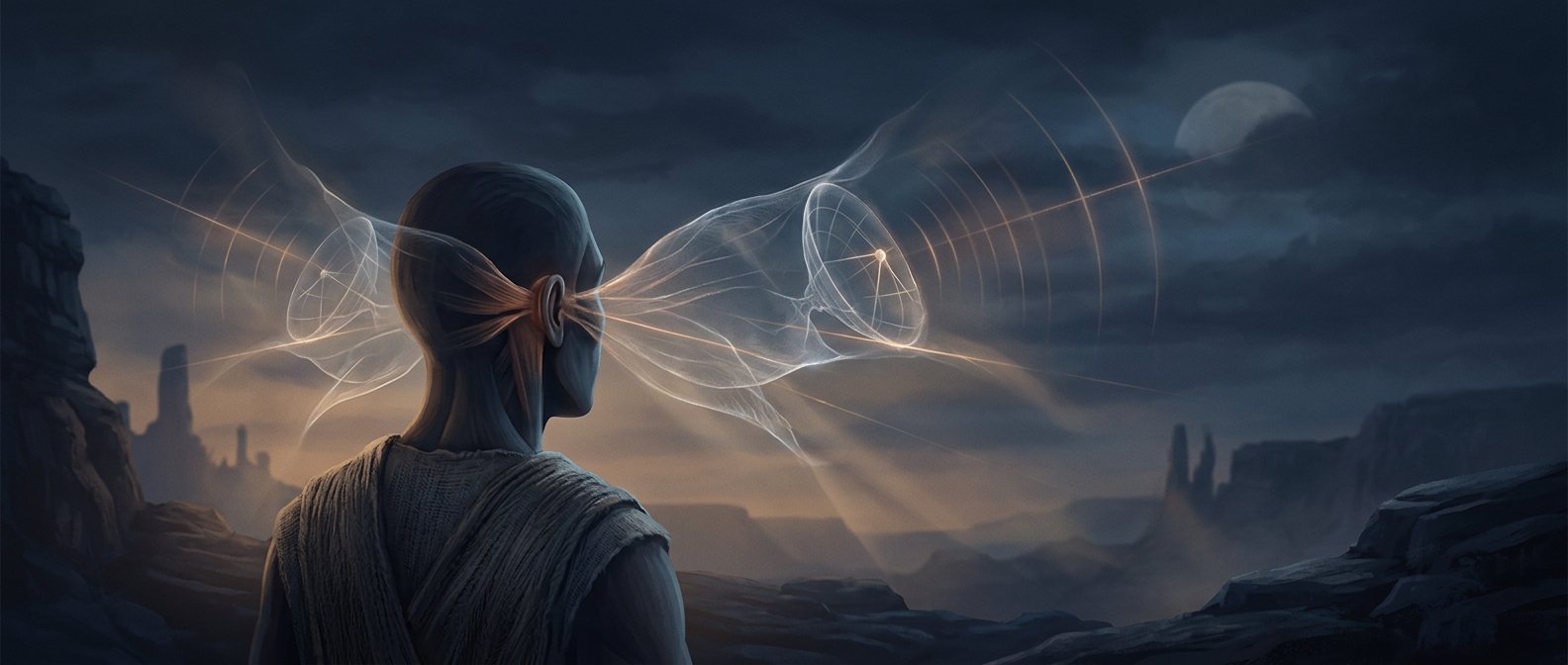
The outer ear—the visible, flexible part called the pinna—is surrounded by small muscles. In many mammals, these muscles move the pinna toward a sound, helping direct incoming noise into the ear canal. Cats are especially good at this: each ear can swivel toward a different sound.
Humans have the same basic muscle groups, but they no longer provide much useful movement for most people. They are vestiges of an ability that was more important in ancestors whose ears could turn toward sounds. In everyday human hearing, moving the head and relying on the brain to compare what reaches each ear do the more useful work of locating a sound.
Why a few people can still do it
The muscles have not vanished; they are simply weak and difficult for most people to control. Some people can recruit them enough to make one or both ears twitch. The movement may be tiny, but it is a real contraction of the muscles around the pinna—not the ear cartilage bending on its own.
Like other small movements, ear wiggling depends on a person’s anatomy and ability to activate the relevant muscles. Practice can help someone notice and coordinate a movement that was already possible, though it does not turn human ears into catlike sound detectors.
That is the amusing evolutionary twist: a once-useful way to aim an ear survives in some people as a motion with little practical payoff, but enough visible effect to make a party trick.