Disgust can show up in the gut as well as the face
The wrinkled nose and raised upper lip of disgust are more than a social signal. The same emotional response can affect the digestive system, producing sensations such as a queasy stomach or nausea. The reaction is not a literal copy of the facial expression: the brain coordinates changes in different parts of the body as it responds to something perceived as revolting or potentially harmful.
How the brain links the two
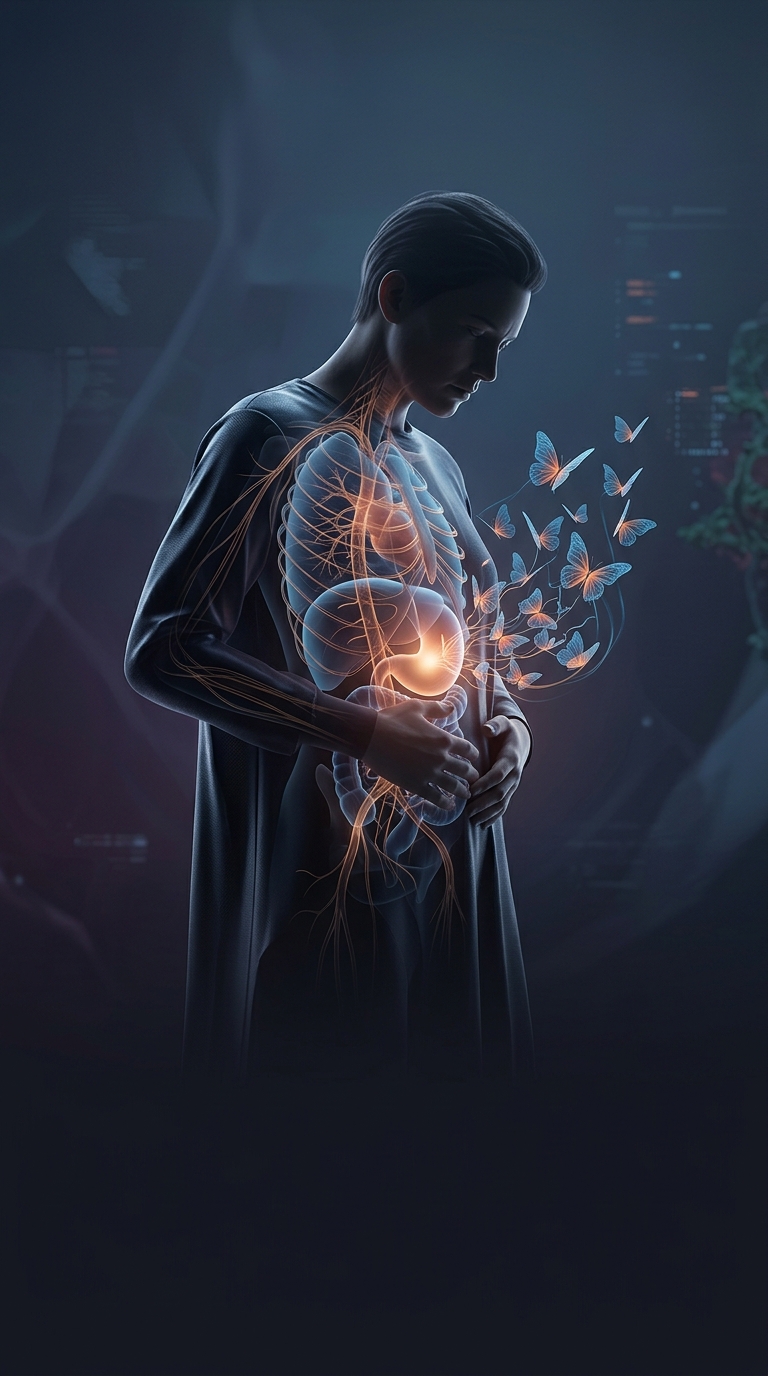
Sensory information—such as the sight or smell of spoiled food—can activate brain systems involved in both emotion and bodily regulation. Those systems communicate with the gut through the autonomic nervous system, which controls functions that usually happen without conscious effort, including digestion. As a result, disgust may alter gut activity and make the stomach feel unsettled.
The face and gut are therefore two parts of a coordinated response, not one causing the other. The facial expression can make the feeling visible to other people; the gut response is part of the body's internal reaction. How strongly someone feels it varies with the person and the situation.
Why an unpleasant feeling can be useful
Disgust often arises around cues associated with contamination, such as spoiled food. A queasy response can reinforce the impulse to avoid or spit out something unappealing, while the facial expression can communicate aversion to others. These reactions do not prove that something is dangerous—the feeling can be triggered by harmless sights or smells—but they help explain why revulsion can feel physical rather than merely like a judgment.
So the next time a grimace comes with a churn in the stomach, the two sensations may be different outward and inward signs of the same emotional response.