Why embarrassment can redden your face
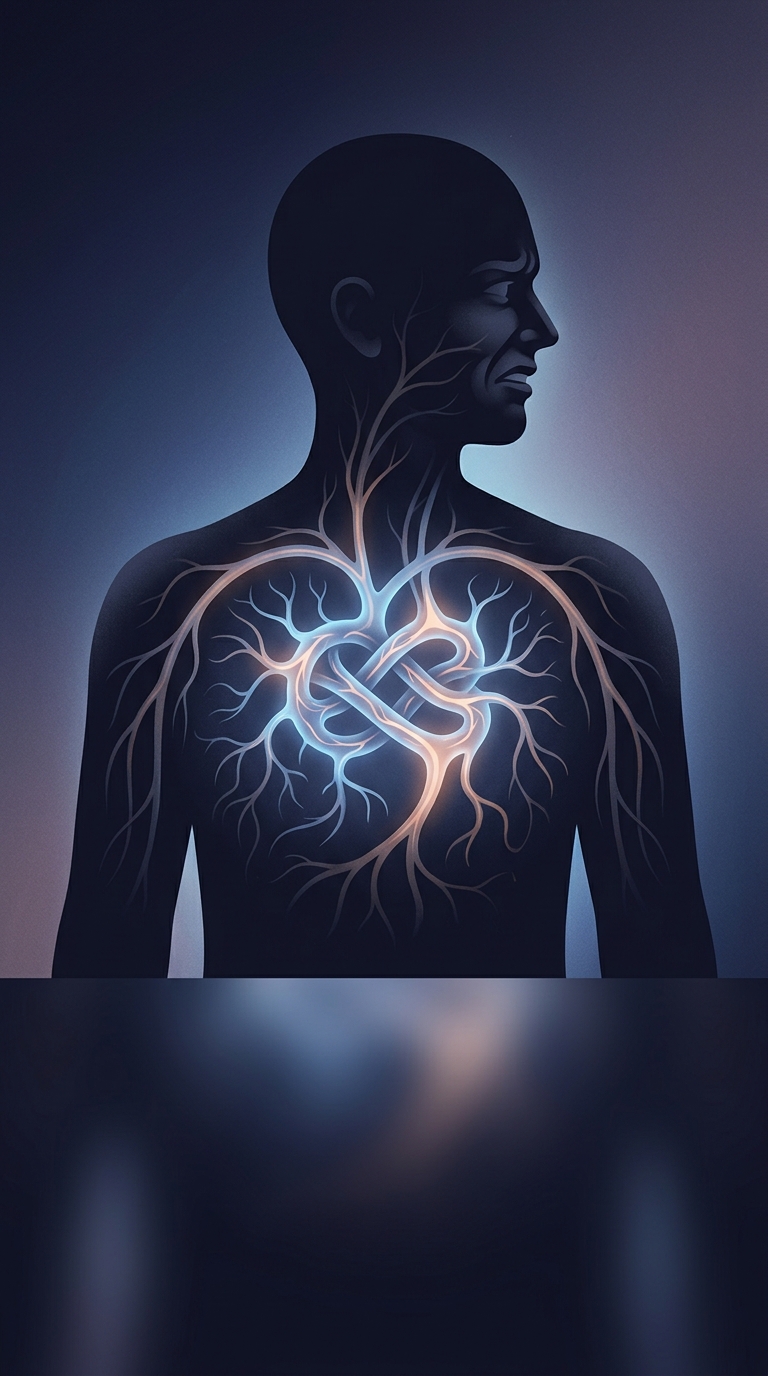
A blush is not simply “more blood” rushing to the skin. It happens when small blood vessels near the surface of the face widen, making the skin look redder. Emotional blushing is tied to the body’s automatic nervous system—the network that changes bodily functions without conscious control. You cannot reliably order it to stop, even when you know exactly why it started.
That involuntary quality is what makes a blush unusual. Heat or exercise can also redden a face, but an emotional blush is set off by social feelings such as embarrassment, shame, or being the focus of attention. The response often spreads beyond the cheeks to the ears, neck, or upper chest.
A social reaction that announces itself
Blushing can make a private feeling visible. If someone realizes they have made a social mistake, for example, the body may reveal their discomfort before they can explain it. Researchers have suggested that this visibility may help in social interactions by signaling self-consciousness or regret, but the reaction is not a deliberate message: people generally cannot produce or suppress it on demand.
The response can also feed on itself. Noticing that others might see a blush can make a person more self-conscious, which may intensify the redness. That loop helps explain why telling someone not to blush can have the opposite effect: it draws attention to the very situation that may trigger the reaction.
Why the face, and why humans?
The face is highly visible, and people spend much of social interaction watching one another’s expressions. A change in its color can therefore be conspicuous even though it carries no words. The claim that humans alone blush refers to this involuntary, emotion-linked facial response—not to every form of redness in other animals.
Its oddity is that the body turns a feeling people might prefer to conceal into a visible signal. A blush can give away self-consciousness precisely when someone is trying to keep it private.