The stripes are developmental pathways
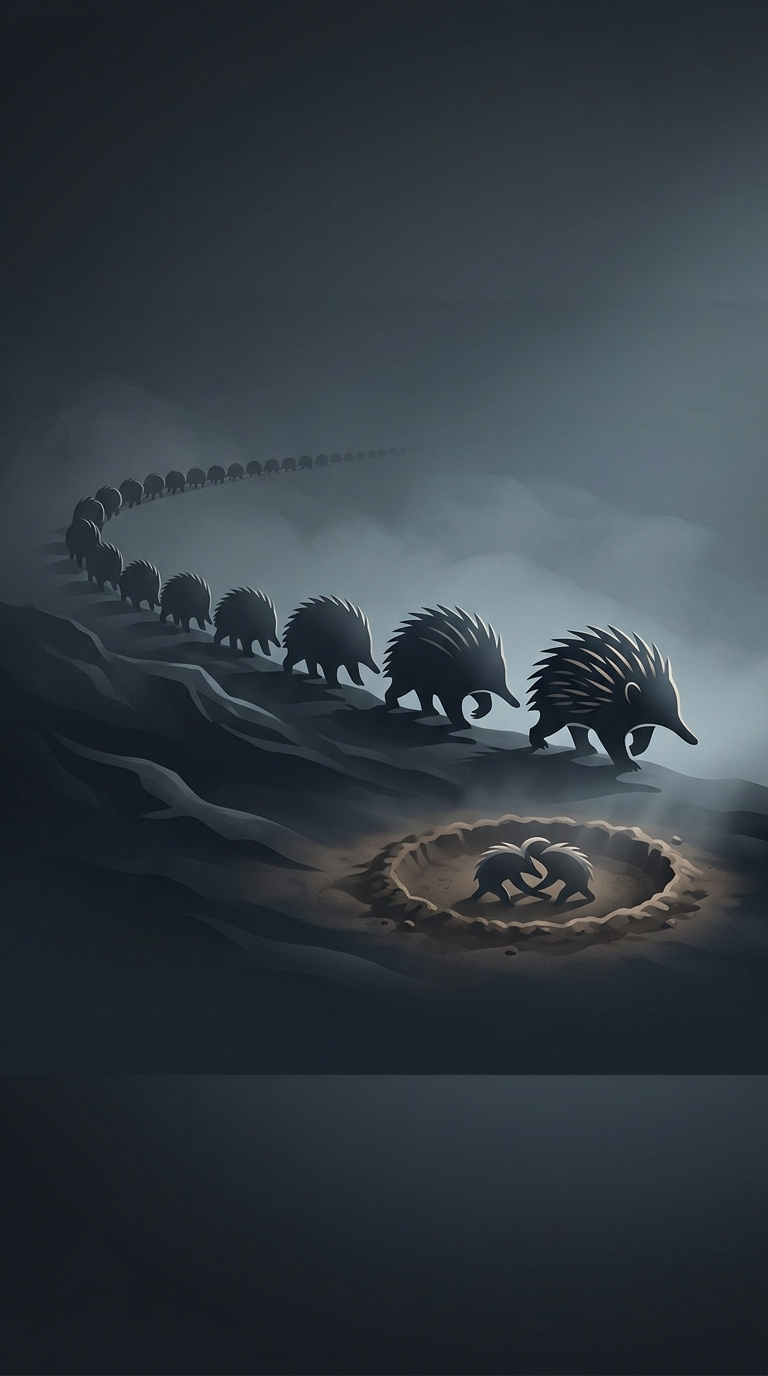
The patterns behind this claim are called Blaschko lines: faint, invisible-to-the-naked-eye tracks that reflect how groups of skin cells spread as an embryo develops. Different cell populations can carry slightly different genetic changes, creating a mosaic—patches of skin with distinct cellular traits—without making a visible pattern in most people.
The lines are not stripes painted into everyone’s skin like a tiger’s. They are a map of cell development, usually hidden because neighboring cells look and behave alike.
When the map becomes visible
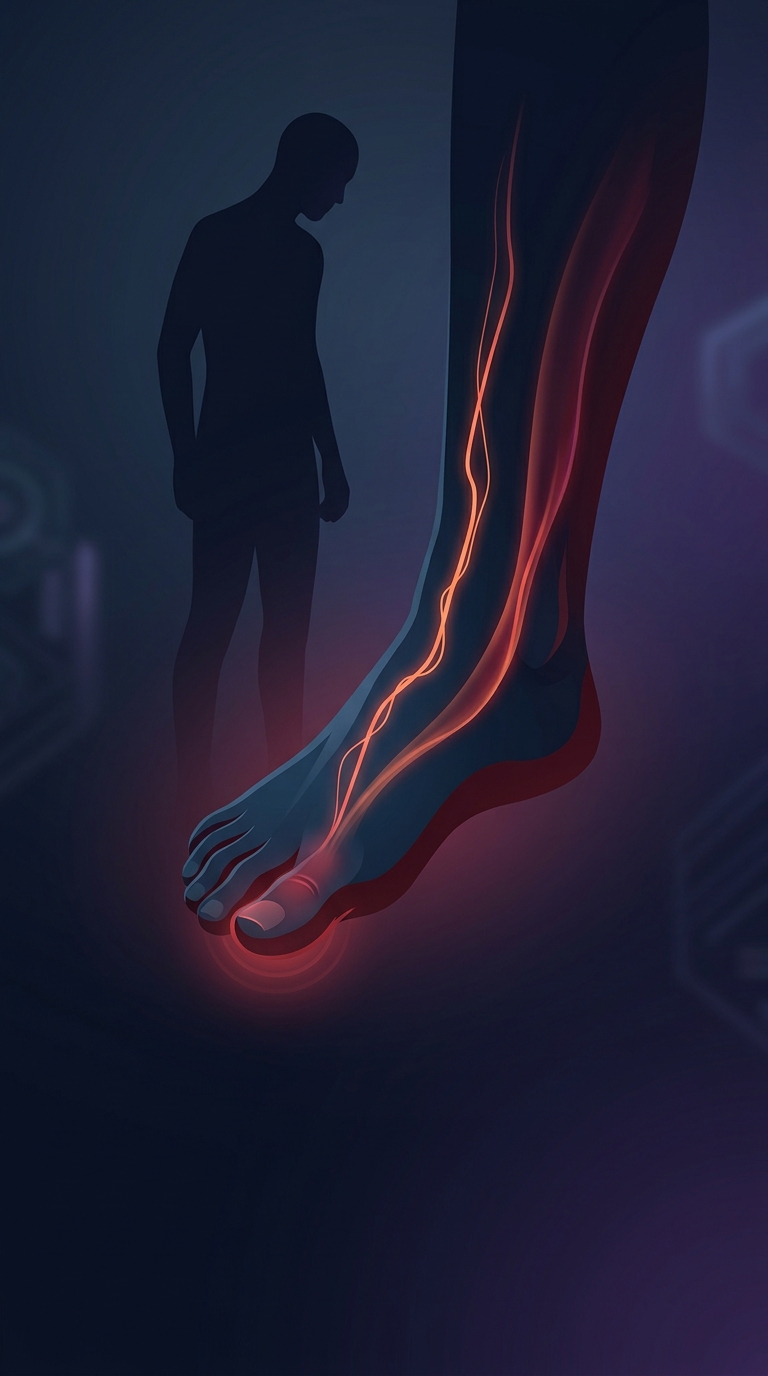
Blaschko lines can show up when a skin condition affects one cell population but not another. Pigment differences may then trace characteristic curves and zigzags across the torso or limbs. Some inherited skin disorders follow the same routes. The pattern is a clue that the affected cells arose from a shared developmental lineage, rather than spreading randomly across the skin.
A special light is not a reliable way to reveal ordinary Blaschko lines. They generally become noticeable because of a particular condition, not because everyone has a set of vivid stripes waiting to be uncovered.
A record written by cell growth
The routes vary across the body and are thought to follow the paths skin cells took as they multiplied and expanded before birth. Their curved, branching appearance is especially striking because it is nothing like the straight boundaries on a map: it is the trace of an early cellular process still visible, in some people, on the surface of the skin.