Two nerve routes carry the blow
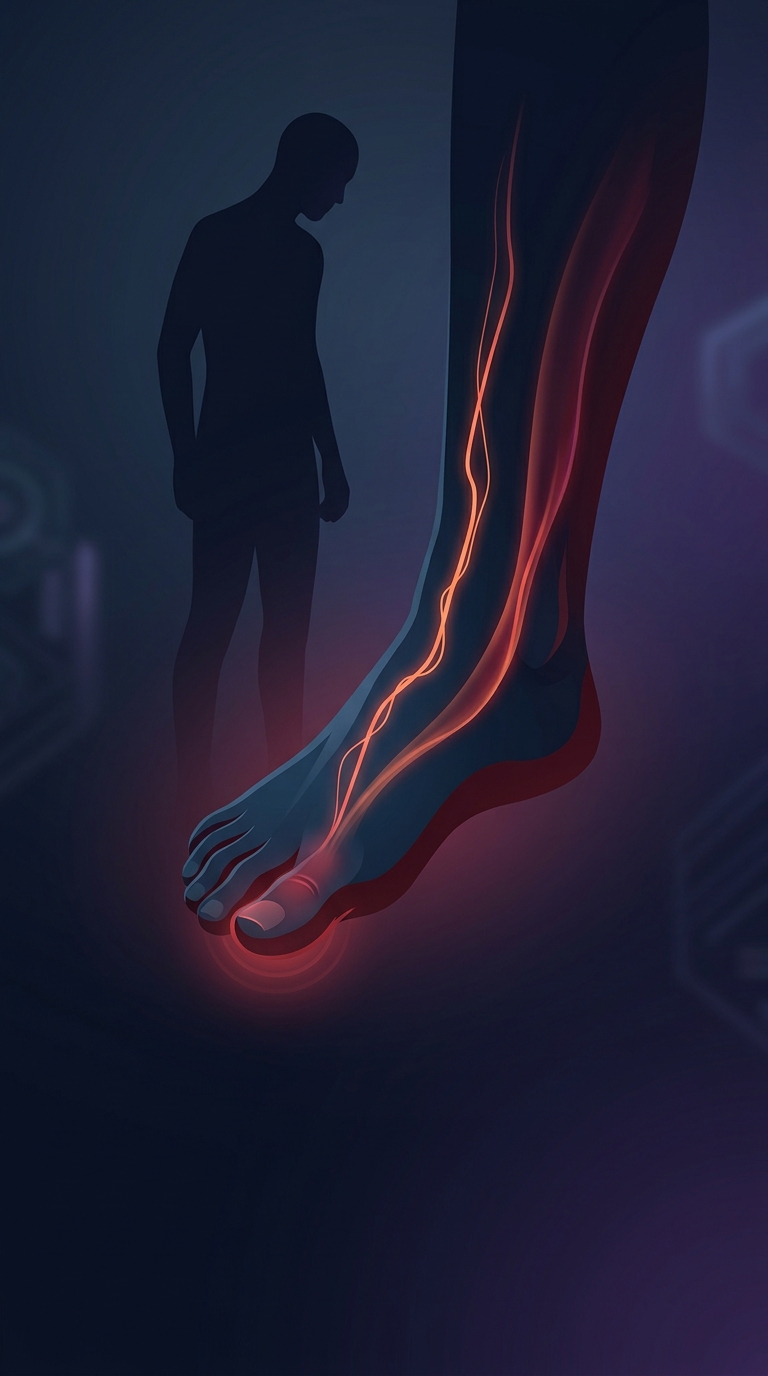
A stubbed toe can feel as if it hurts twice because the impact activates pain signals that travel at different speeds. The first jolt is often sharp and immediate. It is carried largely by A-delta fibers: thin nerves with an insulating covering that lets signals move relatively quickly from the toe toward the spinal cord and brain.
A slower set of nerves, called C fibers, carries a more diffuse, burning or throbbing signal. These fibers lack that insulation, so their messages arrive later. The brain experiences the faster and slower inputs as two phases of pain, even though both began with the same collision.
The tissue keeps sending messages
The delay is not only about nerve speed. The impact can bruise tissue, stretch small blood vessels, and disturb cells. Those cells release chemical messengers that activate or sensitize nearby pain-sensing nerve endings. In other words, the toe may keep generating signals after the initial strike is over. The slower C-fiber message, combined with this continuing activity, helps make the later ache feel persistent rather than like a second, separate hit.
Pain also draws attention to the injured area. As the toe becomes tender, even light pressure—such as a sock or the floor—can trigger extra signals. The first wave reports the sudden impact; the later one reflects slower nerve traffic and an injury that is still irritating local nerves. That is why a toe can seem to have gone quiet for a moment, only to announce the bruise again with every step.