What the navel marks beneath the skin
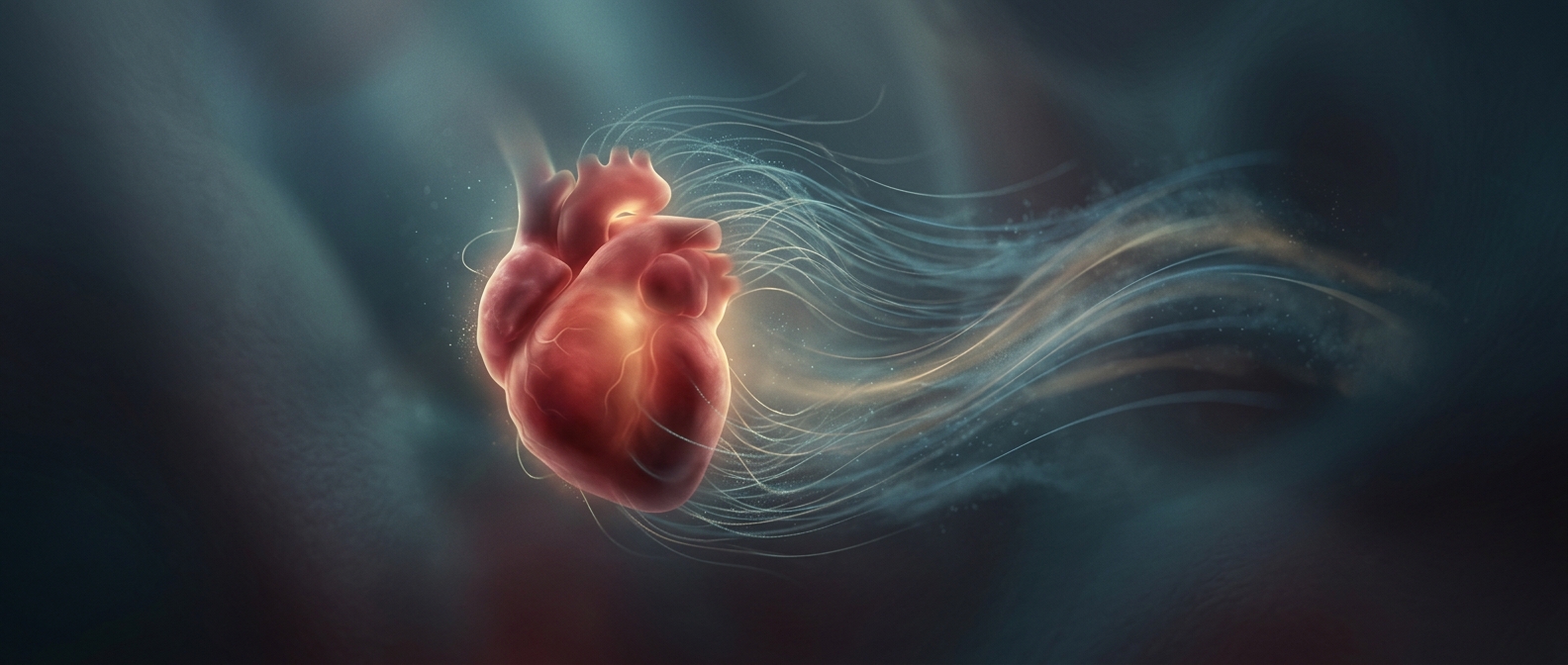
Before birth, the umbilical cord connects the fetus to the placenta, carrying blood through vessels that pass into the abdomen. Once that connection is no longer needed, the vessels close and the small opening in the abdominal wall finishes sealing. The cord’s external stump is temporary; the navel is the lasting surface mark left as the area heals.
That distinction explains why the way the cord was cut does not determine whether someone has an “innie” or an “outie.” The cut is made in the cord, away from the abdominal wall. The eventual shape forms as the stump separates and the skin and tissue settle around the healing spot.
Why navels take different shapes
Healing does not leave every navel with the same contours. The amount and arrangement of scar tissue, along with how the surrounding skin draws inward or remains raised, can produce a shallow hollow, a deep crease, or a protruding shape. An outie is not simply a cord stump left behind; it reflects the healed form of the area. In some cases, a bulge can also involve an umbilical hernia, when tissue pushes through a weak spot in the abdominal wall.
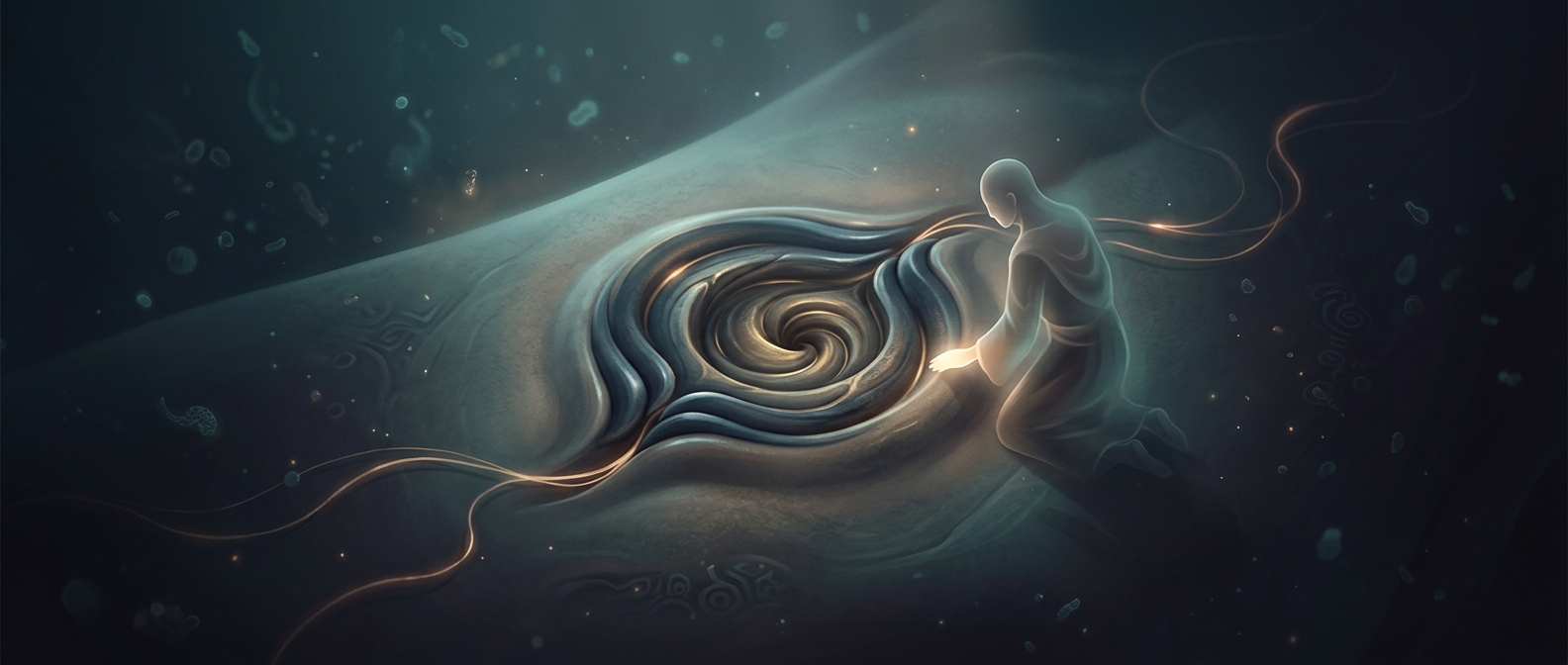
The navel is therefore less like a mark made by a tool and more like a tiny landscape shaped by repair: the same basic closure, with different contours from one body to another.