Why emotion shows up in your gut
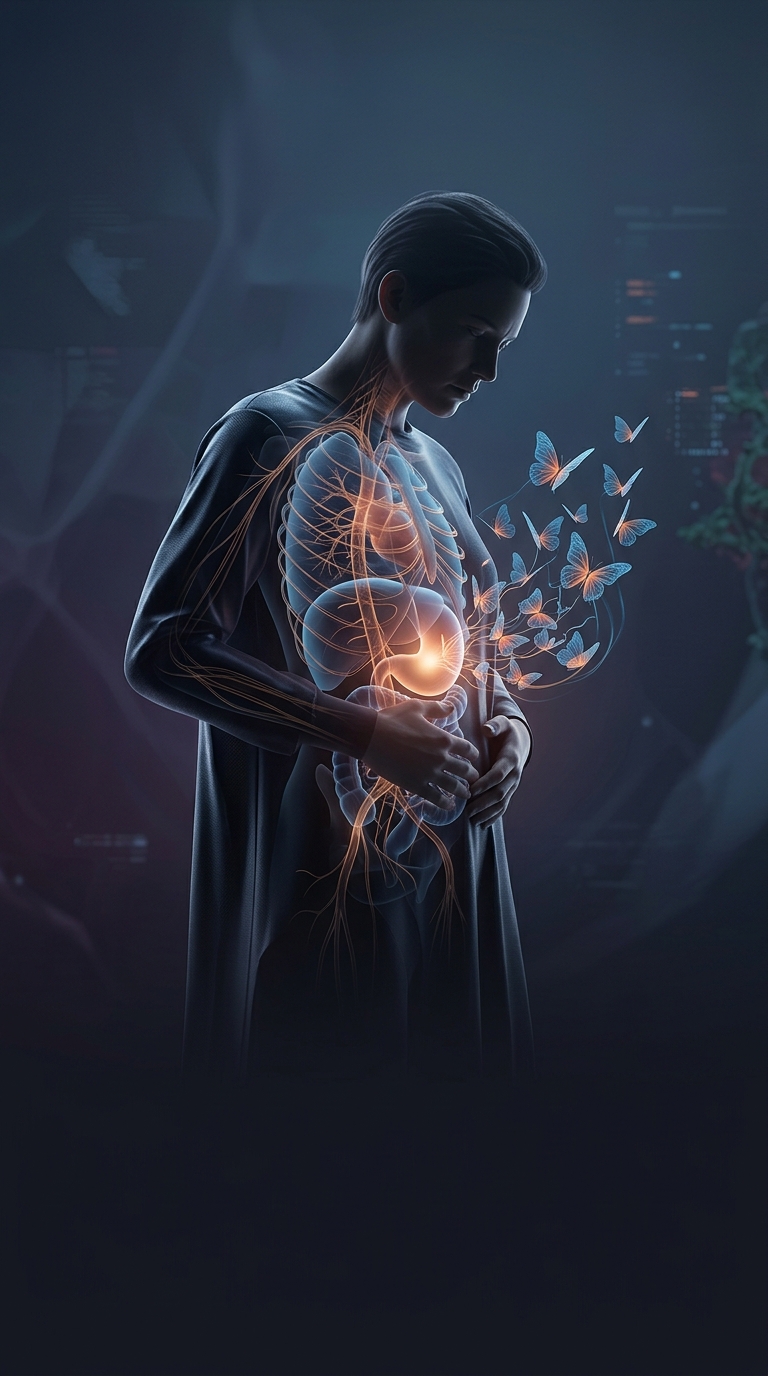
The “butterflies” are a real body sensation, but they aren’t insects—or a special response reserved for romance. Strong excitement, attraction, and anxiety can all activate the autonomic nervous system, which regulates functions you don’t consciously control, including heartbeat and digestion.
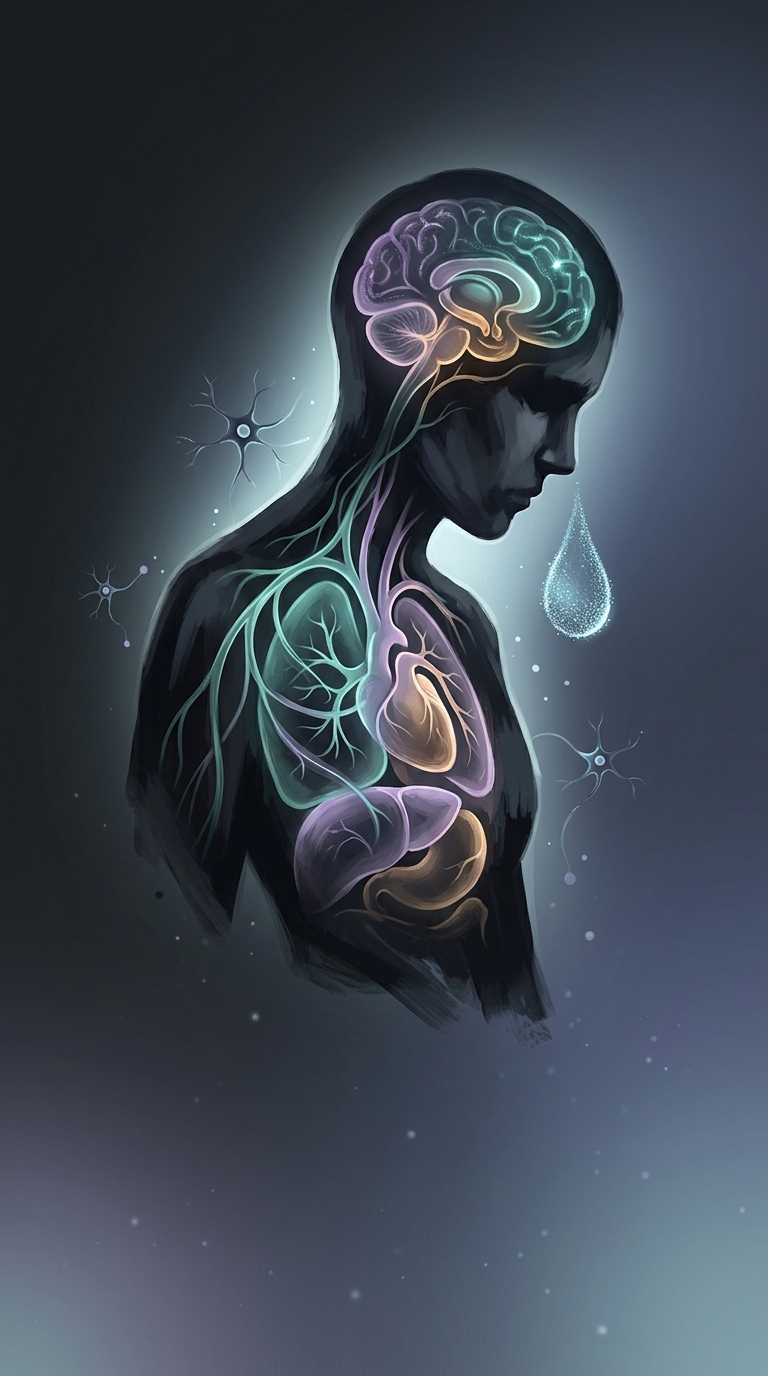
When your brain reads a situation as emotionally important, it can increase sympathetic activity—the system that prepares the body to respond. Stress hormones such as adrenaline help raise alertness and ready the heart and muscles. At the same time, the brain and gut adjust digestive activity. The gut has its own network of nerve cells, called the enteric nervous system, and it continually exchanges signals with the brain.
A changing rhythm, noticed more intensely
Digestion doesn’t simply switch off. Instead, gut movement and muscle tension can shift: contractions may become less regular, and the stomach or intestines may feel tight or unsettled. Meanwhile, heightened alertness makes you more aware of sensations inside your body. A small change in gut movement that might go unnoticed while you’re relaxed can register as a flutter, churn, or “drop.”
That is why a crush and a nerve-racking moment can produce a similar feeling. The emotion differs, but both can put the body into a state of heightened arousal. The sensation is also personal: some people feel it strongly, while others mainly notice a racing heart, warm face, or tense muscles.
The butterflies are the gut’s side of an emotion-driven, whole-body response. Your brain changes the body’s readiness; the gut’s shifting activity supplies one of the sensations you recognize as excitement or nerves.