Emotional tears are more than eye protection
Mammals use tears to keep the eye’s surface moist and to wash away irritants. Humans do that too, but intense emotion can also activate the tear-producing glands. Those glands sit above the outer corner of each eye; when they make fluid faster than the eye’s drainage system can carry it away, tears spill onto the cheeks.
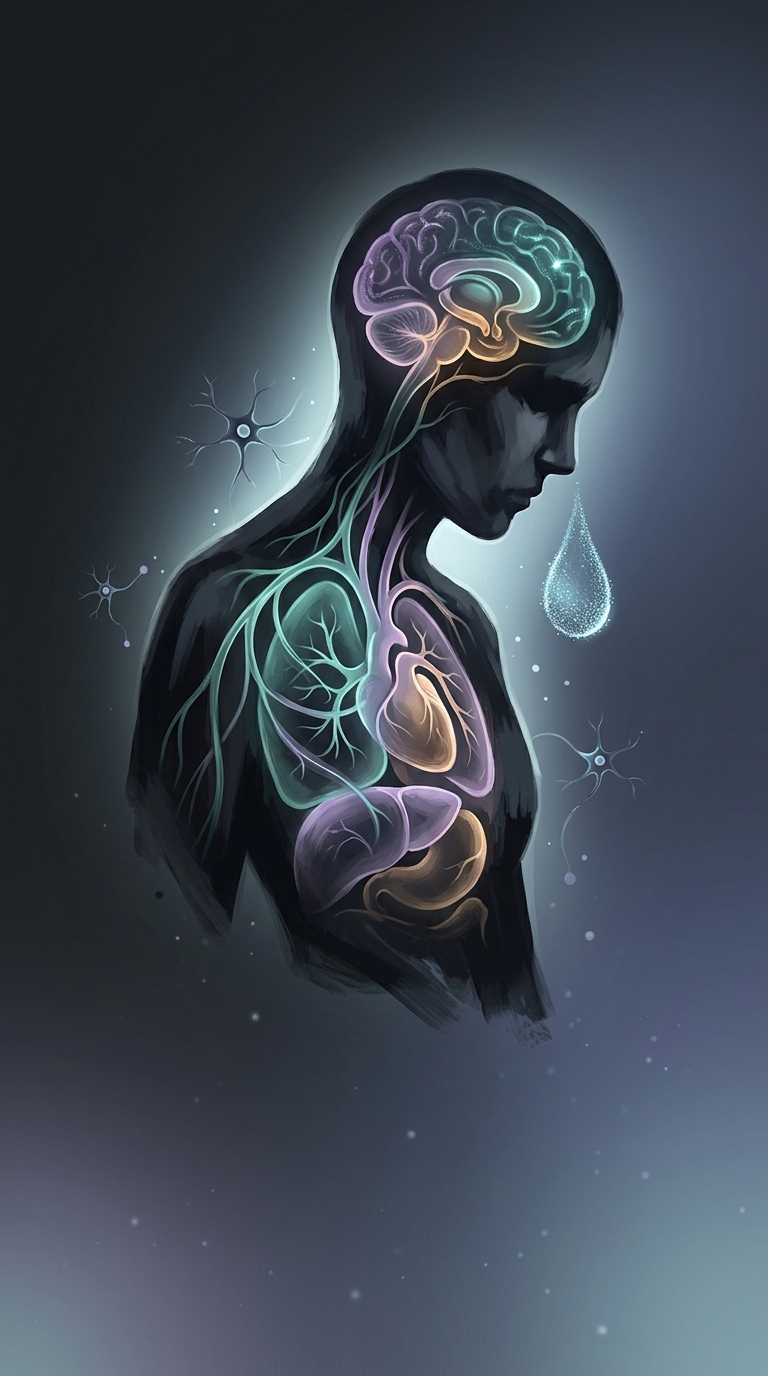
The response is tied to the body’s autonomic nervous system—the system that helps regulate involuntary processes such as heart rate. Emotional crying can accompany distress, relief, or other powerful feelings, and often comes with changes in breathing and facial expression. It is not simply a deliberate signal someone switches on.
A visible signal that can bring help
Why humans developed emotional crying is not settled. One plausible function is social: tears make distress visible, even when a person cannot explain what is wrong. A tearful face may prompt others to comfort, protect, or assist the person crying. That could matter especially for infants and children, whose needs are difficult to meet without caregivers’ attention.
This does not mean every bout of crying is a calculated appeal, or that tears always make others respond kindly. Rather, a bodily reaction may also serve as a signal in social life. Its visibility gives other people information that a private feeling alone would not provide.
The distinction is important: many mammals produce tears for eye care, while humans are notable for shedding them in response to emotion. The familiar image of tears running down a face is therefore both a physical overflow and, potentially, a cue that another person is in need.