A tiger’s stripes reach beneath the coat
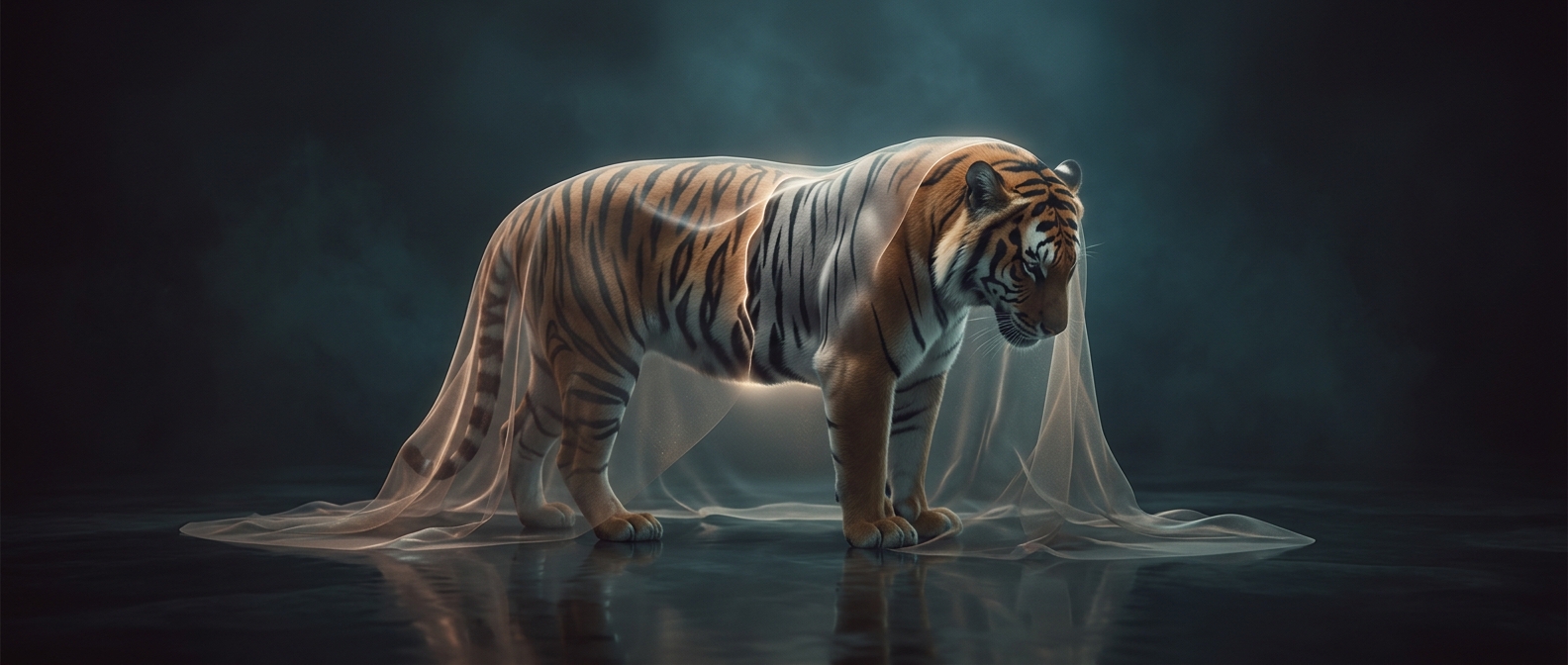
A tiger’s coat is not a uniform surface painted with dark hairs. The dark and light bands correspond to differences in pigmentation in the skin as well as in the fur. Remove the coat and the underlying pattern remains, though it may be subtler than the bold contrast made by long, colored hairs.
Hair color is produced as a hair grows inside a follicle, a tiny pocket in the skin. Pigment-making cells supply color to the developing hair. Across a tiger’s body, those follicles produce hairs of different colors in bands, while the skin beneath also carries the stripe pattern. The coat makes the design easier to see; it does not create it from scratch.
The pattern is built into the animal
This is why a tiger’s stripes are not merely a surface effect that disappears when the fur is gone. The pattern is part of how the animal’s skin and coat are organized as they develop. A close shave would expose striped skin, although the appearance would depend on how much hair remained and on the contrast between the skin’s tones.
The distinction matters because fur can conceal the structure beneath it. In a tiger, the coat is less like a striped blanket laid over a plain body than a visible extension of a pattern already present in the skin.