How oxygen escaped the ocean’s chemical sinks
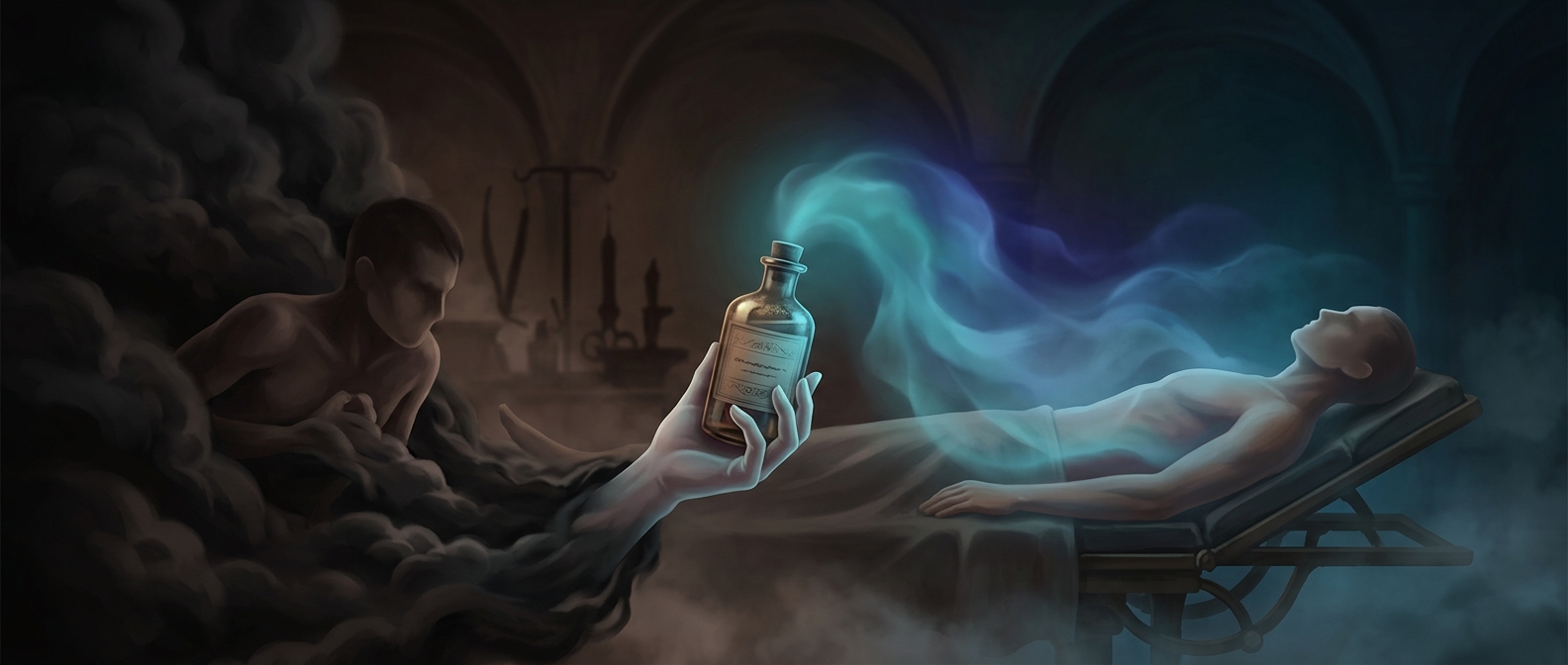
For much of early Earth’s history, oxygen made by photosynthetic microbes did not build up in the air. It reacted first with materials around it. Dissolved iron in seawater, for example, combined with oxygen and settled into iron-rich layers on the seafloor. Volcanic gases and other chemicals also consumed oxygen. These reactions acted like a drain: oxygen could be produced continually without much reaching the atmosphere.
The Great Oxidation Event began when that balance shifted, roughly 2.4 billion years ago. Oxygen production eventually outpaced the reactions removing it, allowing the gas to accumulate in the atmosphere and oceans. The change was gradual, not a sudden release into an otherwise stable world.
A new atmosphere changed the climate—and the rules for life
Oxygen was poisonous to many organisms that had evolved without it. These microbes were not necessarily killed everywhere; oxygen-rich environments simply became dangerous places for them, while oxygen-free refuges remained. The transition therefore reshaped where life could thrive rather than neatly erasing all early life in one blow.
The atmospheric change also affected climate. Methane, a potent heat-trapping gas, reacts with oxygen and became less abundant. With less methane to hold warmth, Earth may have cooled enough to contribute to major glaciations. The precise links between oxygen, methane, and individual ice ages remain a subject of scientific research, but the episode shows how a biological innovation could alter the planet’s atmosphere and climate.
A hazard became an energy source
Some organisms later evolved ways to use oxygen in cellular respiration—the process of extracting usable energy from food. Because oxygen enables efficient energy release, this adaptation opened new possibilities for life, though it did not make oxygen harmless to every organism. The same gas that transformed Earth into a hostile place for many microbes became a powerful resource for others.
That contrast is the lasting consequence of the Great Oxidation Event: life did not merely adapt to a changed planet. By producing oxygen, microbes helped create the conditions that would favor entirely different ways of living.