A closer look
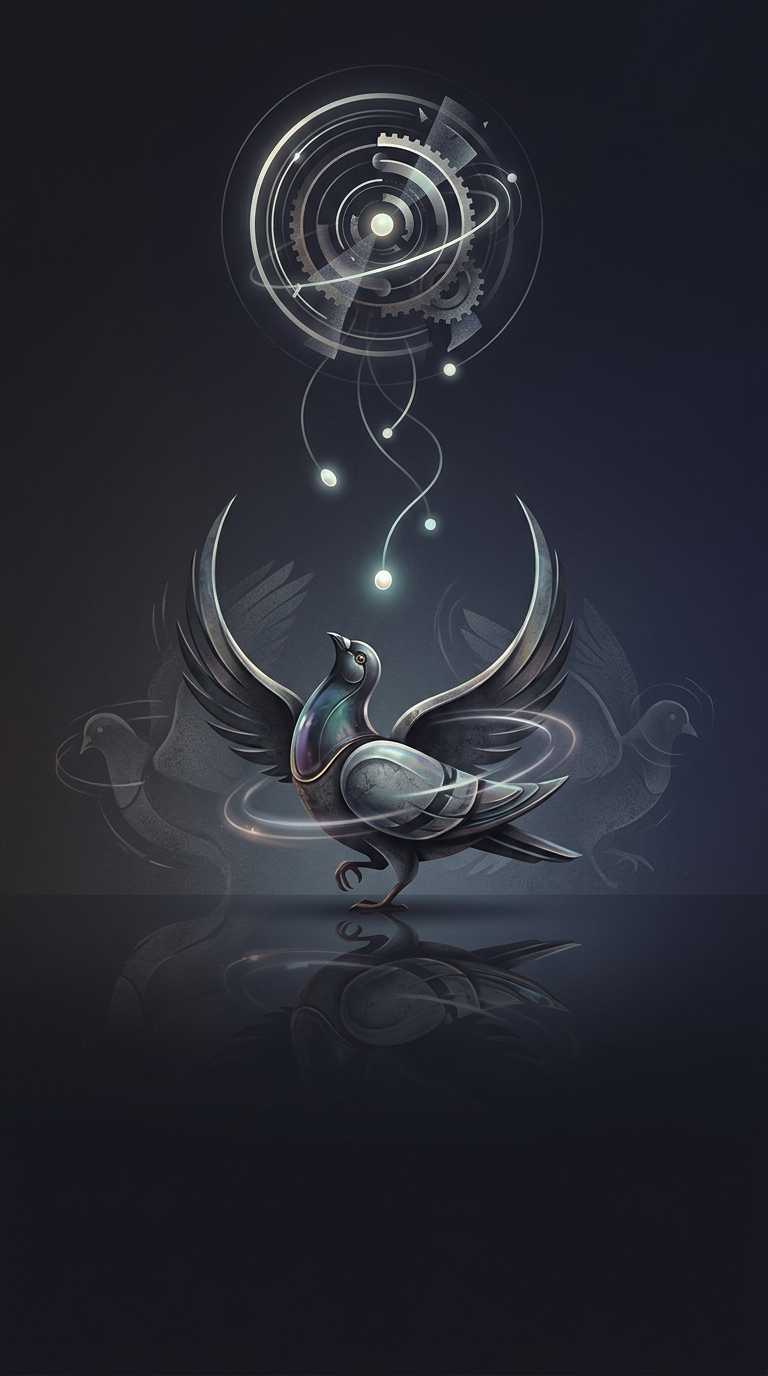
Researchers famously demonstrated that pigeons can easily develop completely irrational superstitions if they are given food at totally random, unpredictable intervals. When an automatic feeder dropped pellets without any logical pattern, the hungry pigeons mistakenly associated whatever random movement they were doing at that exact second with the arrival of the food. Within days, the birds were obsessively spinning in circles, aggressively bobbing their heads, or rhythmically swinging from side to side, completely convinced that their ridiculous little dance moves were magically summoning the food. This heavily implies that the psychological mechanisms behind human superstitions, like wearing lucky socks or avoiding black cats, are biologically no more sophisticated than a severely confused pigeon begging a machine for seeds. We think our intricate religious and superstitious rituals make us profound, but scientifically, we are just birds bobbing our heads in a chaotic universe