Why the “Guilty Look” Appears
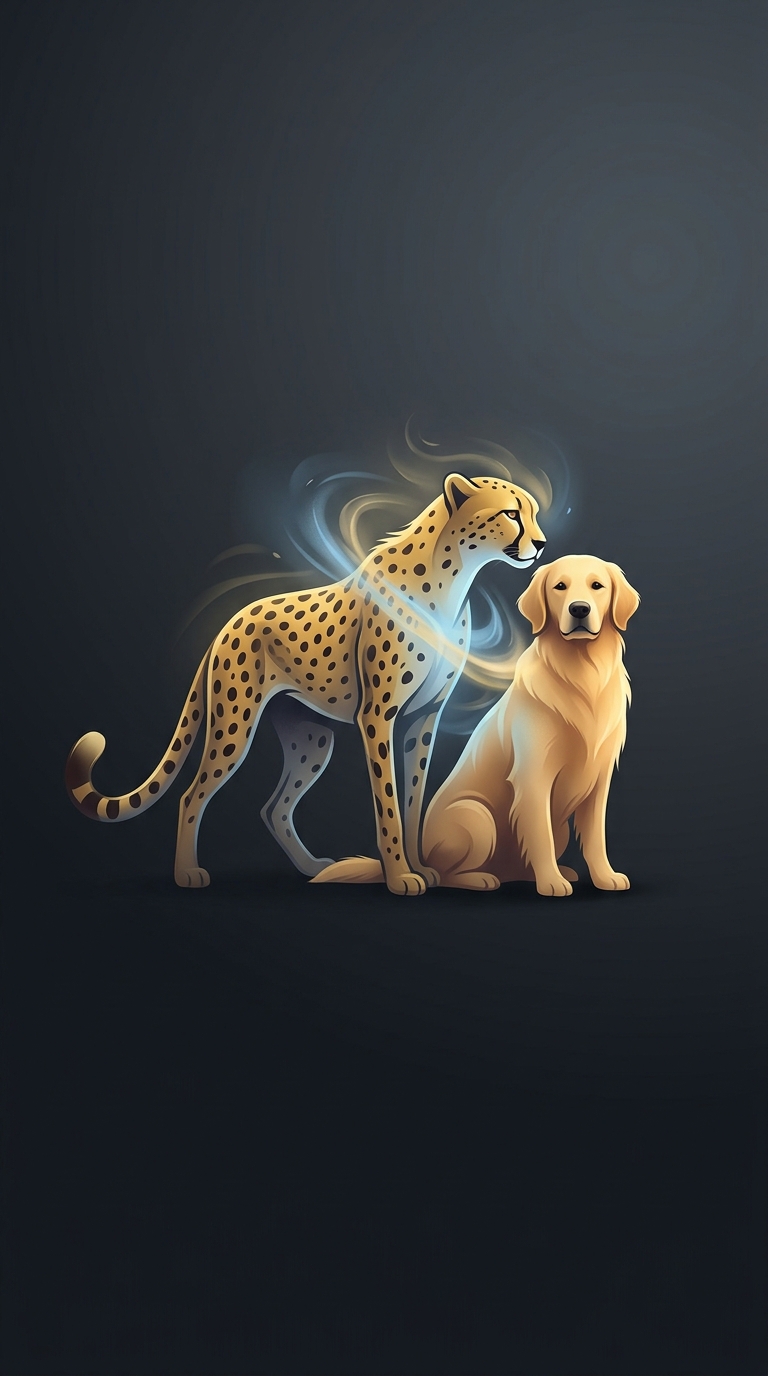
A dog’s lowered head, tucked ears, or averted gaze can look like a confession. But those movements are better understood as signals of unease or appeasement—ways of reducing tension when an interaction feels threatening. A dog may offer them after a person’s voice sharpens, posture stiffens, or attention fixes on the mess.
That timing matters. The expression can appear to be a response to the ruined pillow, when it may instead be a response to the owner’s reaction. Dogs are highly attentive to human cues, and they can learn that certain situations—such as a shredded cushion followed by a stern voice—predict conflict.
What Dogs May Be Learning
The behavior does not establish that a dog is thinking, “I broke a rule and deserve blame.” Human guilt involves judging one’s own action against a standard; a dog’s expression alone cannot show that kind of reflection. The dog may be anticipating scolding, trying to calm its owner, or feeling uncertain about what will happen next.
In experiments on the “guilty look,” dogs’ appeasing behavior has been associated more with an owner’s scolding or suspicion than with whether the dog actually committed the forbidden act. That helps explain why a dog can look guilty even when it did nothing: it may be responding to the person’s signals, not recalling a specific offense.
Why the Distinction Matters
If a dog has already destroyed the pillow, the look is not reliable evidence that it understands the damage as wrongdoing. It is more useful as a sign that the encounter has become stressful. Punishment delivered after the fact may leave the dog wary without teaching which earlier action was unwanted. The “guilty” face may say less about a dog’s moral judgment than about how carefully it is reading yours.