A warning that can reveal its source
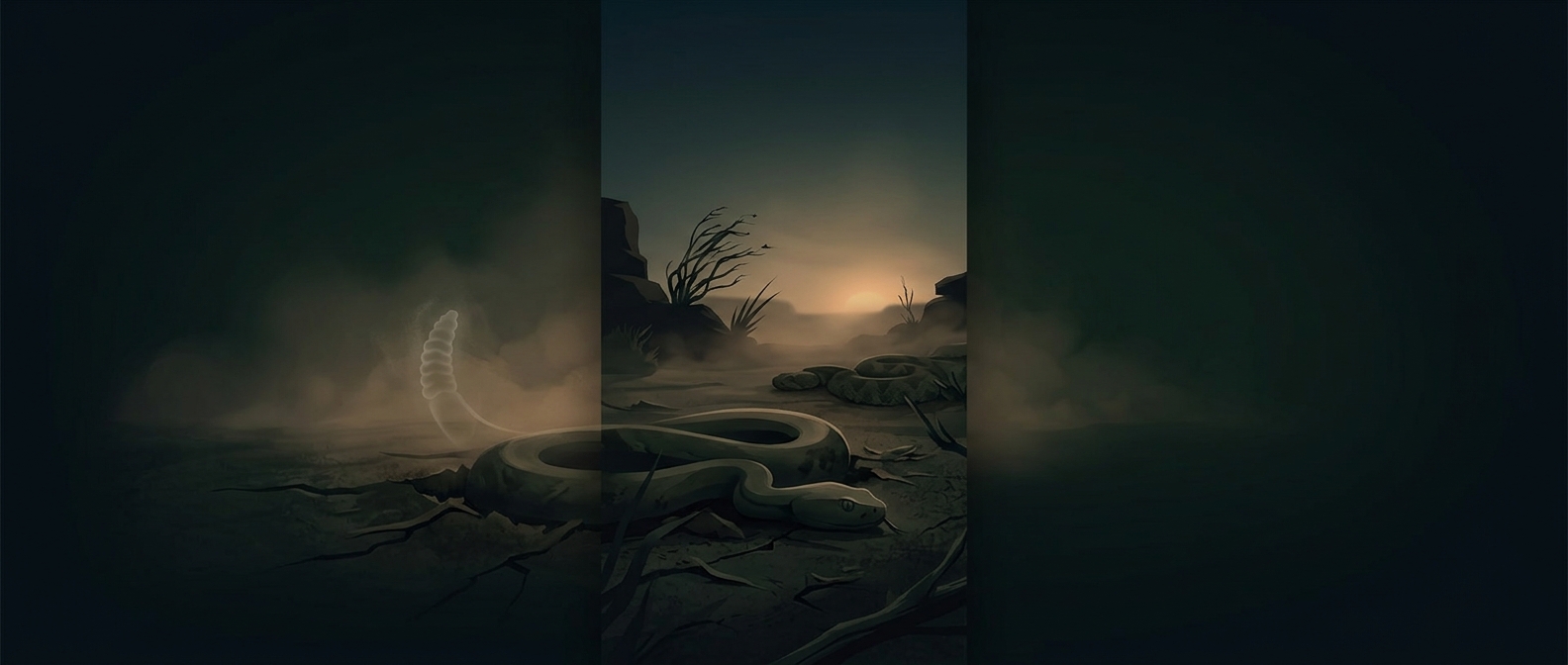
A rattlesnake’s rattle is produced by rapidly vibrating the loosely linked segments at the end of its tail. The sound can warn an approaching animal to keep its distance, potentially preventing a bite. But a warning has a cost: sound also tells a listener where the snake is.
That trade-off matters most when the listener is not simply passing by. To a person searching for snakes, a conspicuous rattle may make the animal easier to locate. Staying quiet could reduce that risk, even though it gives up the chance to warn the person away.
Why silence might vary from place to place
Researchers have reported that some rattlesnakes stay silent when threatened in areas where people hunt them. One possible explanation is behavioral: snakes facing repeated human threats may be less likely to rattle in those encounters. The sound itself is still available; the difference would be in whether a snake uses it under particular conditions.
The pattern does not establish why the snakes are quiet. Hunting could favor silence over time, but other differences between places—or in the situations in which snakes encounter people—could also help explain what researchers observe. Showing that hunting caused the behavior would require evidence that separates those possibilities.
The cost of withholding a warning
Silence may make a snake harder to pinpoint, but it can also leave a person unaware of the animal nearby. The same rattle that risks exposing the snake can protect it by alerting a threat before the encounter gets closer. For a rattlesnake, warning and concealment can pull in opposite directions.