How a Bat’s Hand Becomes a Steering Surface
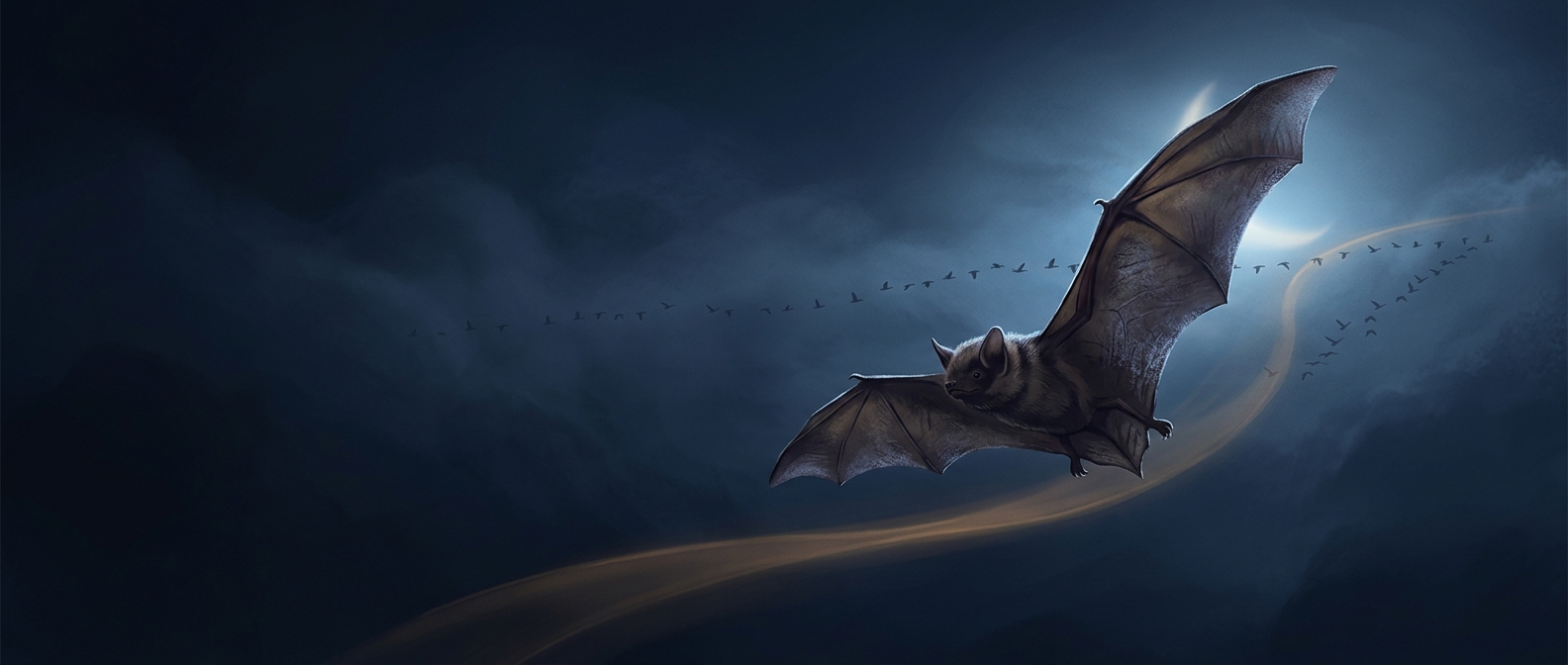
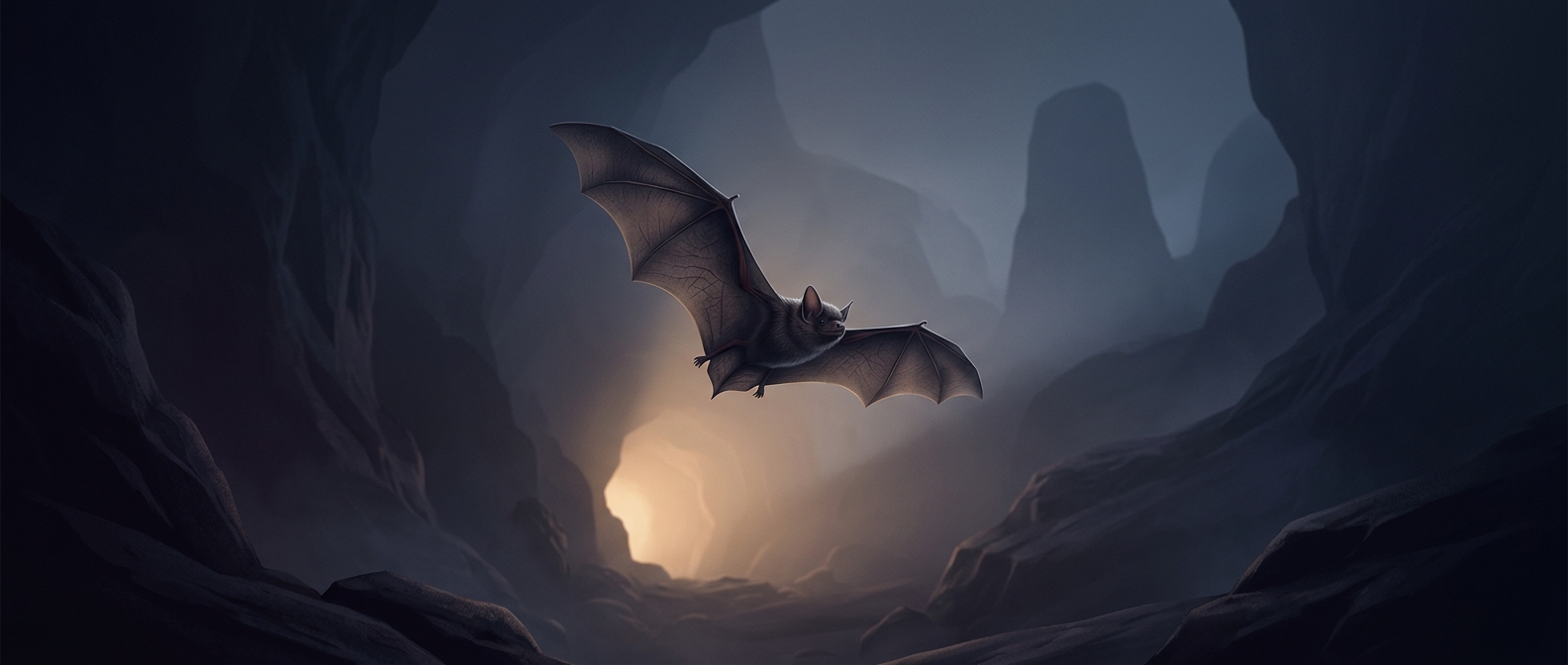
A bat’s wing is not a rigid blade. A thin membrane stretches from the body across greatly elongated fingers, with the thumb usually left free. As the bat flies, muscles in the wing and fingers alter the membrane’s shape and tension. The wing can bend and twist rather than simply sweep up and down.
That flexibility helps a bat control air moving over its wing. By changing the wing’s angle and outline from one part of a stroke to another, it can adjust lift and thrust—the forces that keep it aloft and move it forward. It can also change direction quickly, folding or reshaping part of a wing to maneuver through cluttered spaces.
Flapping Flight Versus Gliding
A flying squirrel’s membrane also creates lift, but it works differently: stretched between its limbs, it acts as a fixed surface while the animal descends. The squirrel can steer its glide, but it cannot keep itself in the air by repeatedly generating lift with powered wingbeats.
Bats do. Their flight muscles drive repeated strokes, while the flexible, finger-supported wing lets them tune each stroke. The result is a rare combination: a mammal that supplies its own flight power and can continually reconfigure the surface pushing against the air.
That distinction is why a squirrel can cross a gap only by losing height, while a bat can circle back, climb, or turn sharply without first needing a launch point.