A migration powered by wings, not caves
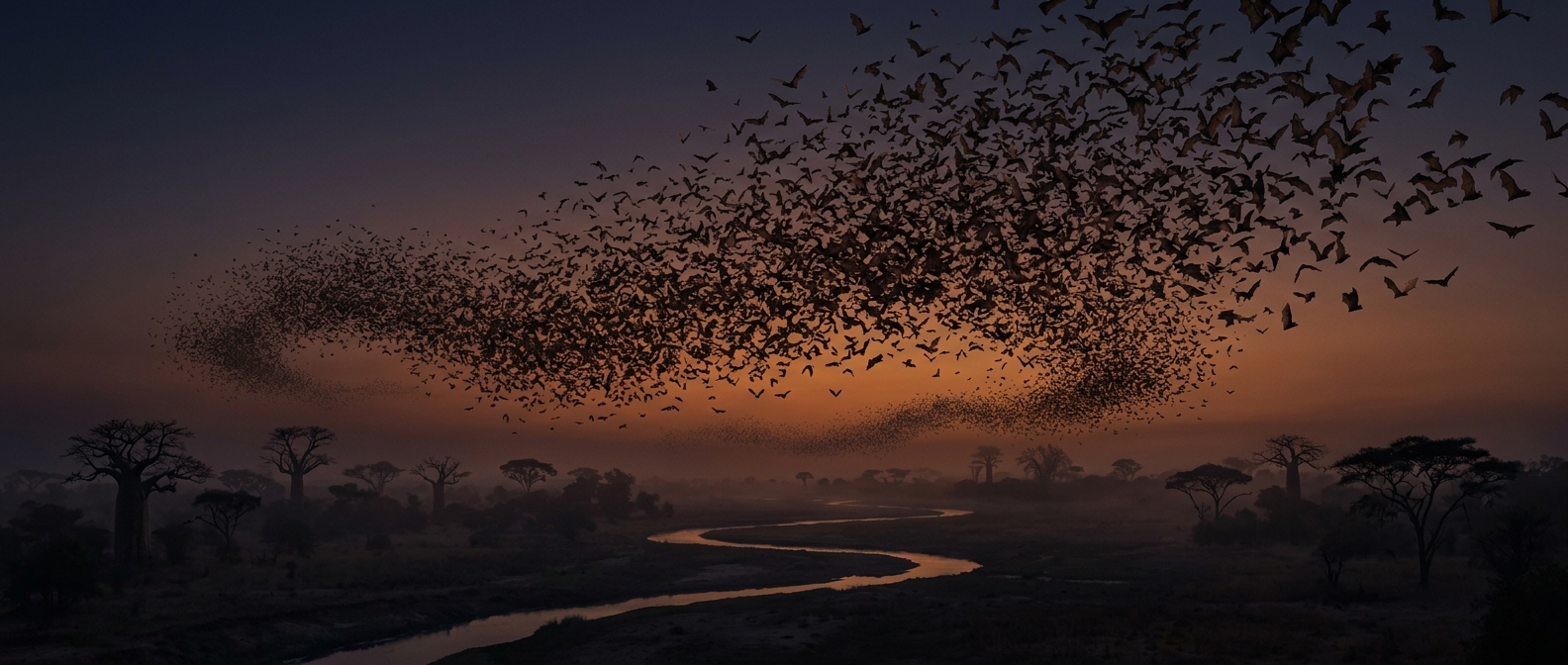
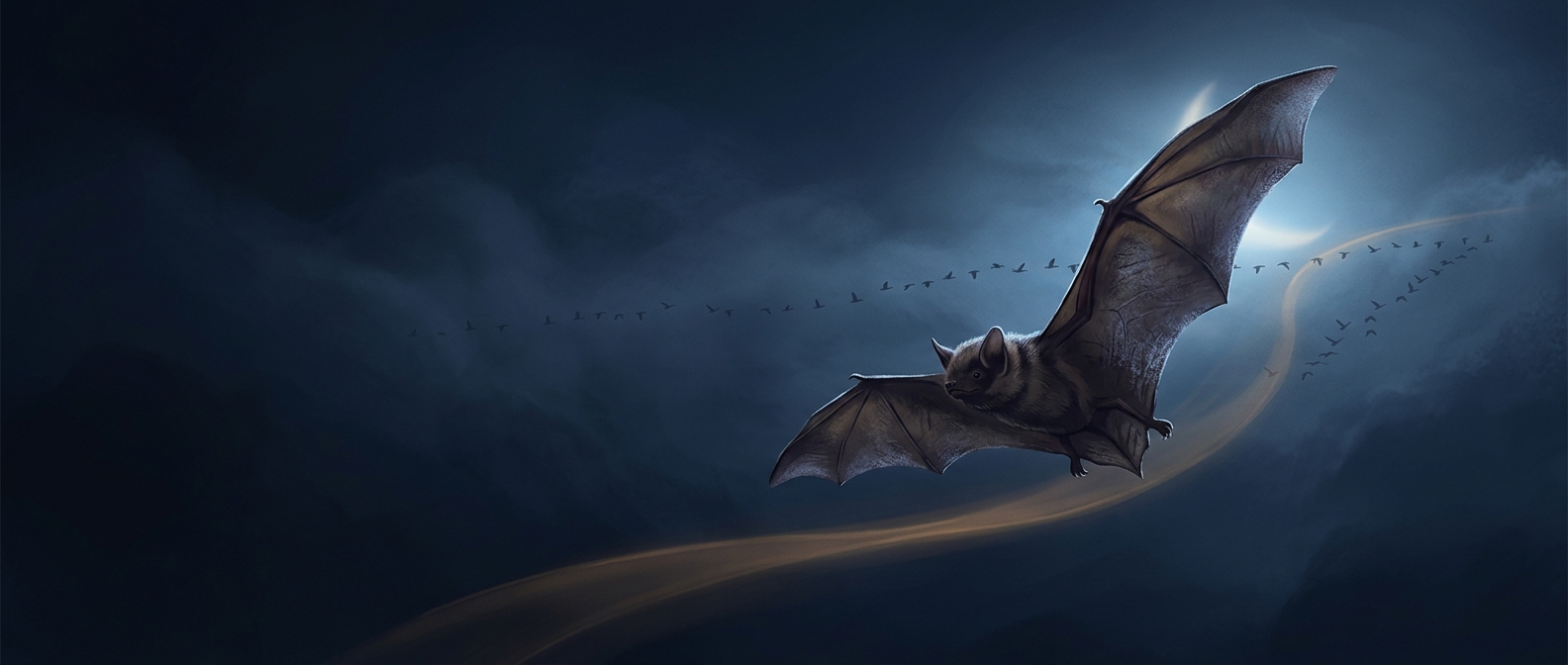
Hoary bats are among the bat species that escape winter by traveling to warmer regions rather than spending the season dormant in a cave. Their journey is a response to a practical problem: when cold weather reduces the number of flying insects, a bat that depends on catching them in the air has less to eat. Moving south lets hoary bats keep using their usual hunting strategy where conditions are more favorable.
Migration also means they cannot rely on a fixed, sheltered roost for the whole season. They travel through landscapes and rest along the way, often alone in trees.
A branch becomes a temporary refuge
A hoary bat may settle on a branch and fold its wings close against its body. Its long fur is mottled with pale tips, giving the coat a frosted look that breaks up the outline of the bat against bark, leaves, or lichen. That camouflage makes a resting animal harder to spot; it does not make the tree a cave-like shelter from severe weather.
Roosting alone is part of this dispersed way of life. Instead of gathering in a large, conspicuous colony, each bat can rest in a separate spot among the trees. The roost may be easy for a person to overlook precisely because it looks like part of the foliage.
The tradeoff of staying on the move
A cave can offer a stable place to wait out winter, but migration trades that long stay for repeated travel and temporary rests. Hoary bats must find suitable places to land while moving between seasonal ranges, and their quiet stops can be difficult to detect. In winter, one may be resting not in a cavern but on a branch, its fur helping it disappear into the very landscape it crossed to reach.