How bats become a radar “cloud”
Weather radar sends out pulses of energy and records what bounces back. Rain droplets reflect some of that energy, but they are not the only things that can do it: a dense swarm of bats can return enough signal to appear as a broad patch on the radar screen.
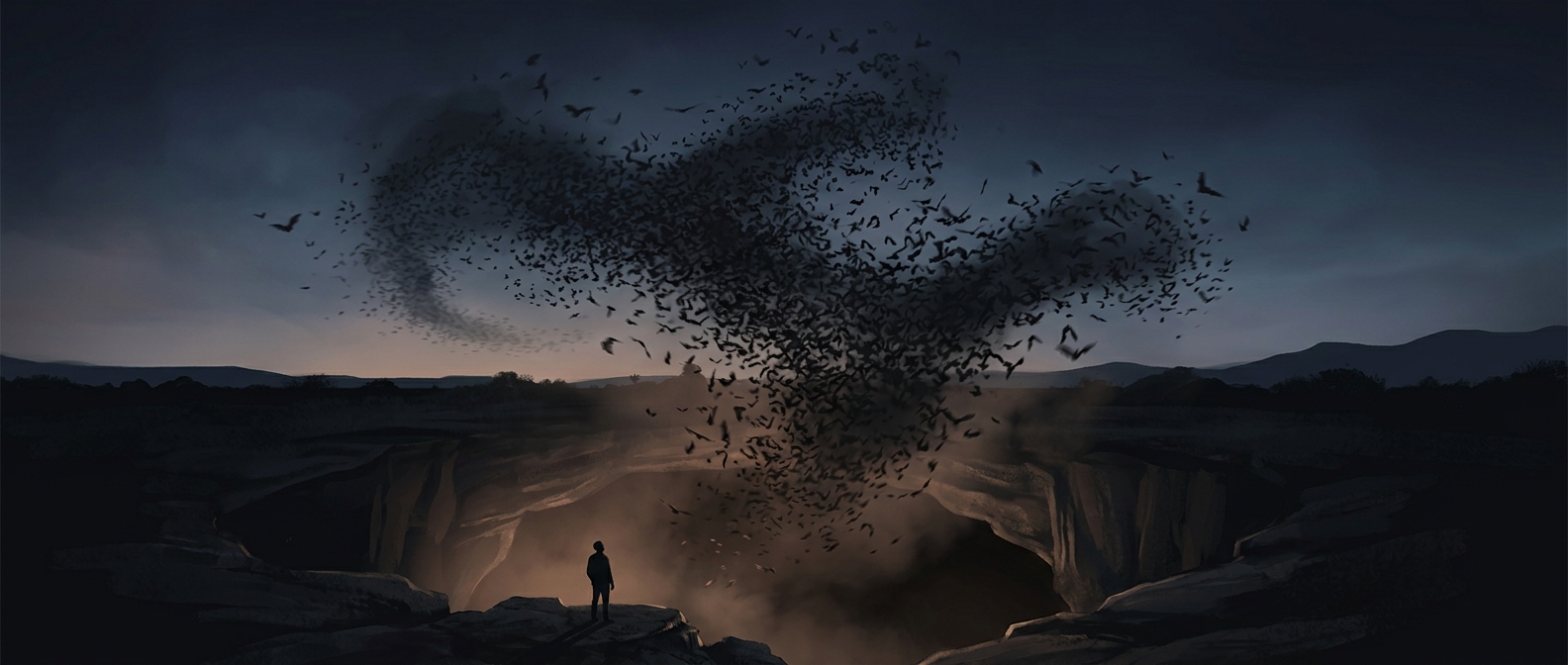
Mexican free-tailed bats often leave a roost in a concentrated stream. As thousands upon thousands of moving animals spread outward, the radar samples reflections from across the swarm. The resulting echo can resemble a rain area, even though the signal comes from flying animals rather than falling water.
A moving pattern, not a storm
The difference lies in what is producing the echo and how it behaves. Rain radar echoes come from precipitation distributed through the air; a bat echo traces the movement of a living swarm as it pours away from its roost. Radar shows reflected energy, not a direct picture of what is in the sky, so a strong patch alone does not identify its source.
That makes the effect a useful reminder of radar’s limits as well as its reach. The instrument can detect objects too small or distant for people on the ground to see, but interpreting the return requires context: a cloud-like mark may be a storm, or it may be millions of bats taking flight together.