How a banana becomes a near-copy
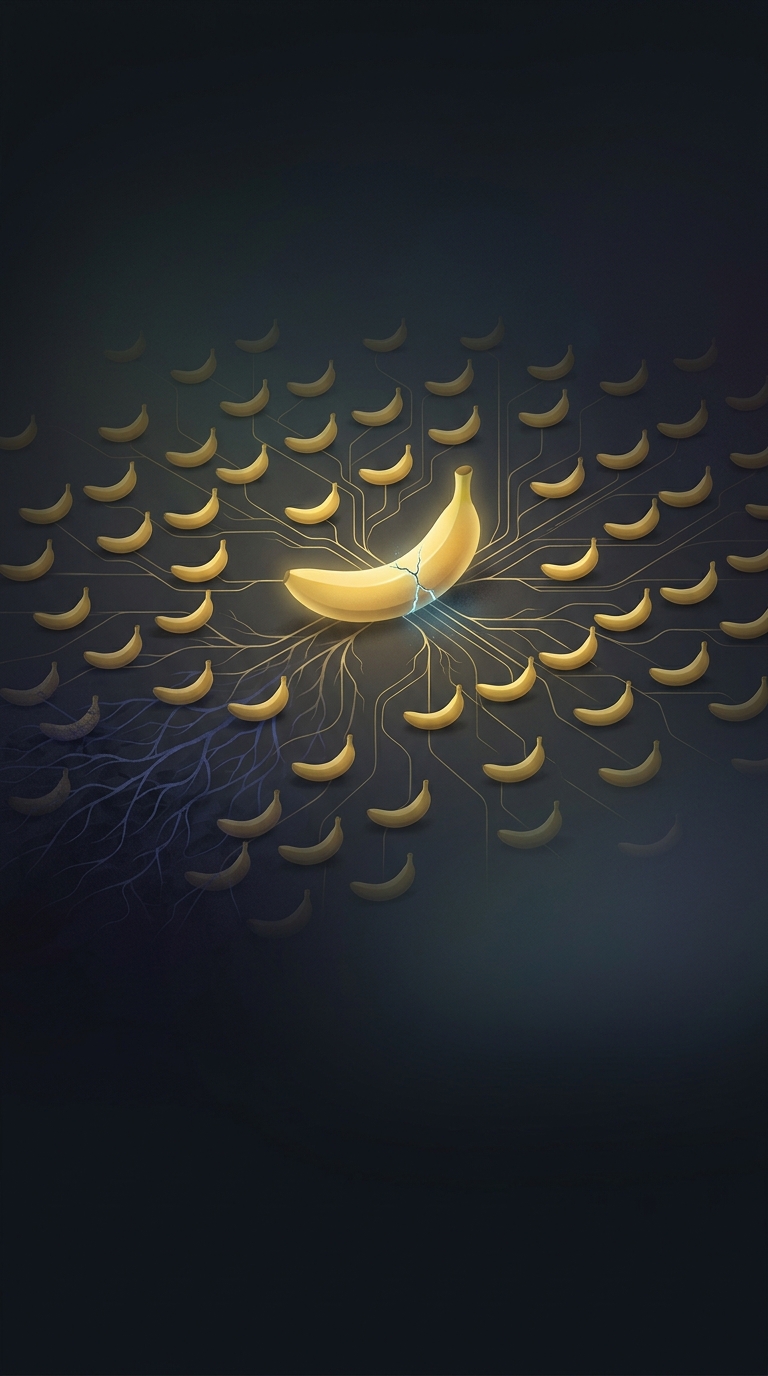
The familiar supermarket banana is usually a Cavendish banana. Like many cultivated bananas, it has little or no usable seed, so growers do not raise each new plant from a seed that reshuffles its parents’ genes. Instead, they reproduce plants from suckers—shoots growing from the base of an existing plant—or from tiny pieces grown in laboratories. The new plants inherit nearly the same genetic makeup as the original.
That sameness is useful on a farm. Fruit ripens and ships in predictable ways, and growers can manage large plantations using similar schedules and methods. It does not mean every banana is literally identical: small mutations and environmental differences occur. But there is far less genetic variety than in a mixed population of seed-grown plants.
Why one fungus can threaten so many plants
The danger comes from a soil-dwelling fungus called Fusarium, which causes Panama disease. Its spores can persist in soil for years, and contaminated soil can be carried to new areas on equipment, footwear, or plants. Once the fungus enters a plant through its roots, it blocks the tissues that move water, causing leaves to wilt and the plant to die.
A genetically varied crop might include individuals with different levels of resistance. In a plantation dominated by one banana type, however, a pathogen that can defeat that type may find many similar hosts. A particularly concerning strain, Tropical Race 4, can infect Cavendish bananas as well as some other banana varieties. It has spread to multiple growing regions, but that does not mean the world’s banana supply is about to disappear: the disease’s impact varies by location, and not all bananas are Cavendish.
Replacing the crop is harder than replacing a plant
Growers cannot simply switch to any resistant banana. A replacement also has to meet the demands of shoppers, shipping companies, and farms: familiar taste and texture, reliable yields, and fruit that survives transport. Breeders are working on ways to improve resistance, while farms use measures to limit the movement of contaminated soil.
The central tradeoff is stark: uniform plants make a dependable supply chain easier to run, but they leave fewer genetic differences that might help the crop withstand a new disease. A fungus does not need to destroy every banana variety to disrupt the trade; it needs to threaten the one that plantations have built their routines around.