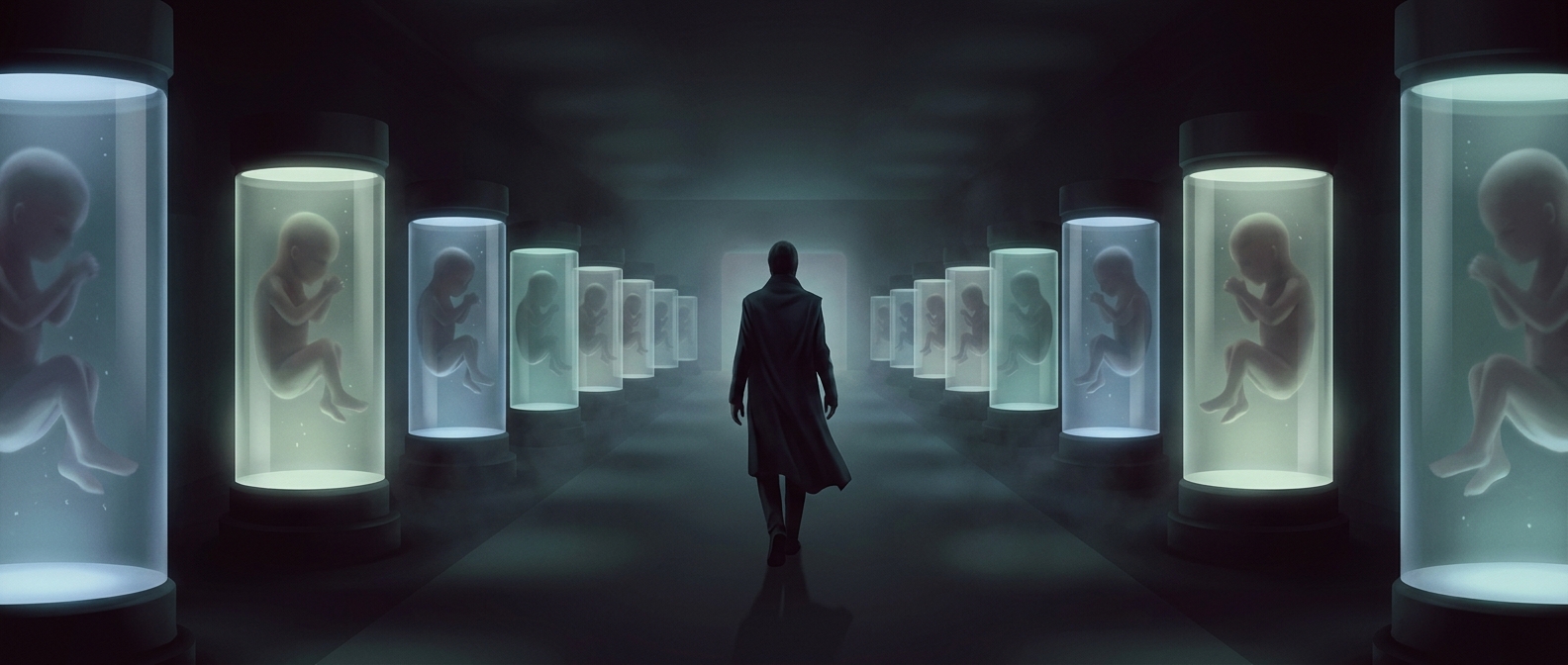
How an adult cell can begin development again
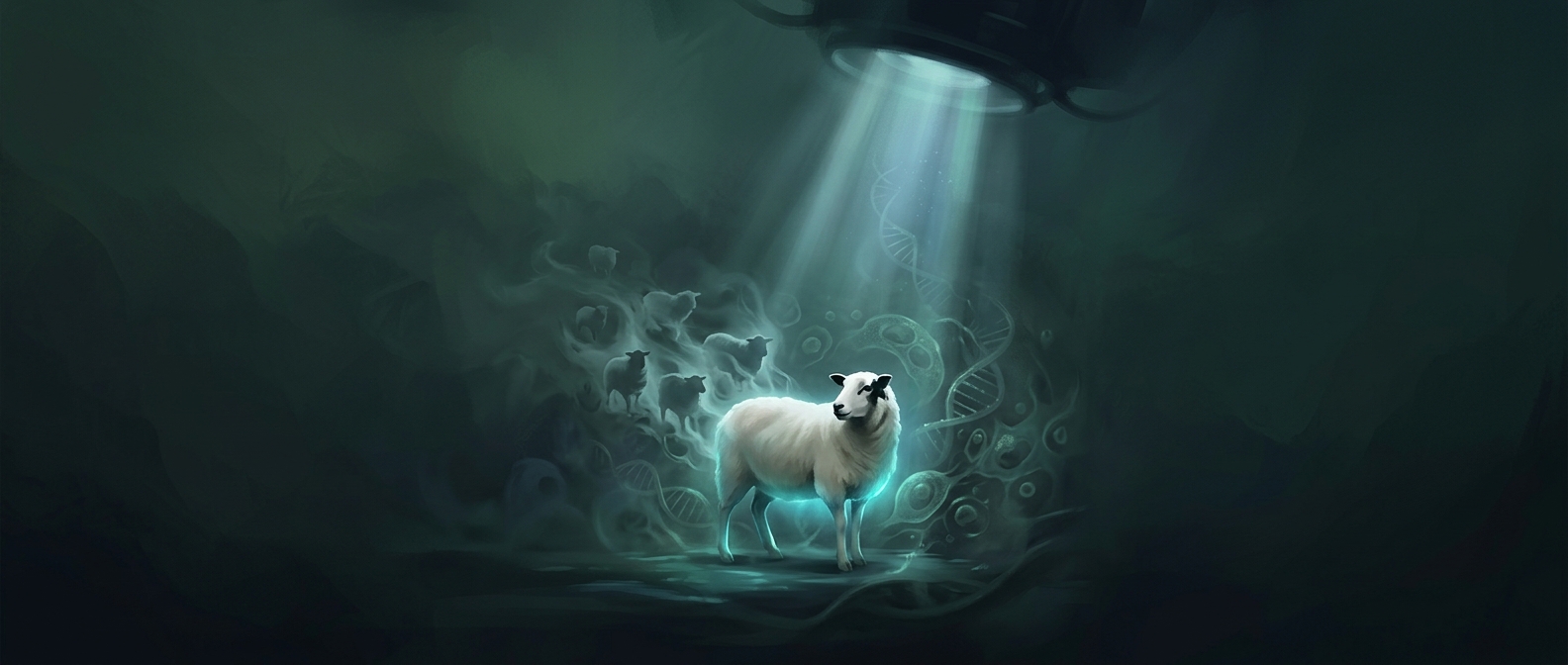
Most of an animal’s cells carry the same DNA, but they use different parts of it. A skin cell, for example, is organized to do the work of skin—not to build an entire body. Cloning by somatic cell nuclear transfer tries to reverse that specialization: scientists place the nucleus, which contains the cell’s DNA, into an egg whose own nucleus has been removed.
The egg is not just a container. Its molecules can reprogram the adult nucleus, changing which genes are active so the DNA can direct early development. If the reprogramming works well enough, the reconstructed egg begins dividing and may develop into an embryo. That reset is the difficult handoff: the nucleus must regain the coordinated instructions needed for development, not merely retain a complete genome.
Why animal success does not make cloning routine
Animal cloning shows that this route to development can work, but it is inefficient. An adult nucleus has accumulated a particular pattern of gene activity, and resetting that pattern is complex. Errors can disrupt development at many stages, so embryos may fail to implant, miscarry, or die before birth. The obstacles are not simply solved by inserting DNA into an egg; the egg must also make that DNA function appropriately.
A surviving clone is also not a duplicate in every sense. It shares nuclear DNA with the animal that supplied the nucleus, but it develops in a different egg and environment. The egg’s small amount of DNA outside the nucleus comes from the egg donor, and experience shapes the individual as it grows.
The gap between possible and safe
The key implication is that biological possibility is not the same as a dependable method. Animal experiments establish that a mammal can sometimes develop from a reprogrammed adult-cell nucleus; their failures show how much can go wrong along the way. For humans, the central scientific barrier is still that this process cannot be treated as a reliable, safe path from adult cell to birth.