How Dolly’s egg reset a mature cell
A mature cell carries DNA, but it does not use every gene. A muscle cell and a skin cell contain essentially the same genetic library; each specializes by keeping some instructions active and others quiet. Before Dolly, many scientists doubted that a nucleus from an already specialized cell could again direct the formation of a whole animal.
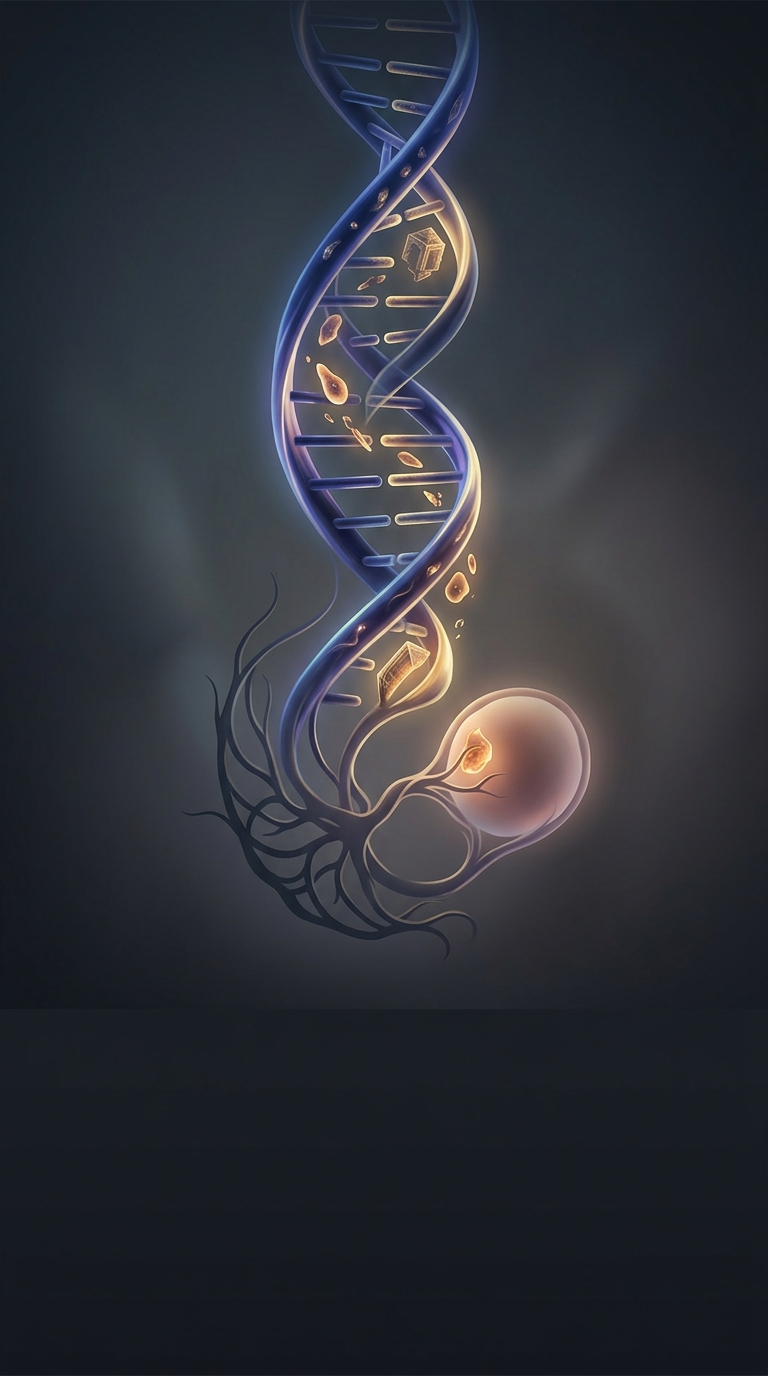
The key step was to place a mature-cell nucleus inside an egg whose own nucleus—the source of most of its DNA—had been removed. The egg was not an empty container. Its cytoplasm, the material surrounding the nucleus, contained molecules that could alter which genes were active. In effect, it reset the donor nucleus’s pattern of gene use enough for development to begin.
Reprogramming, not rebuilding DNA
The egg did not replace the donor’s genetic instructions. It changed how those instructions were read. This process, called nuclear reprogramming, helps explain why cell specialization is usually a change in gene activity rather than the loss of genes a cell no longer needs.
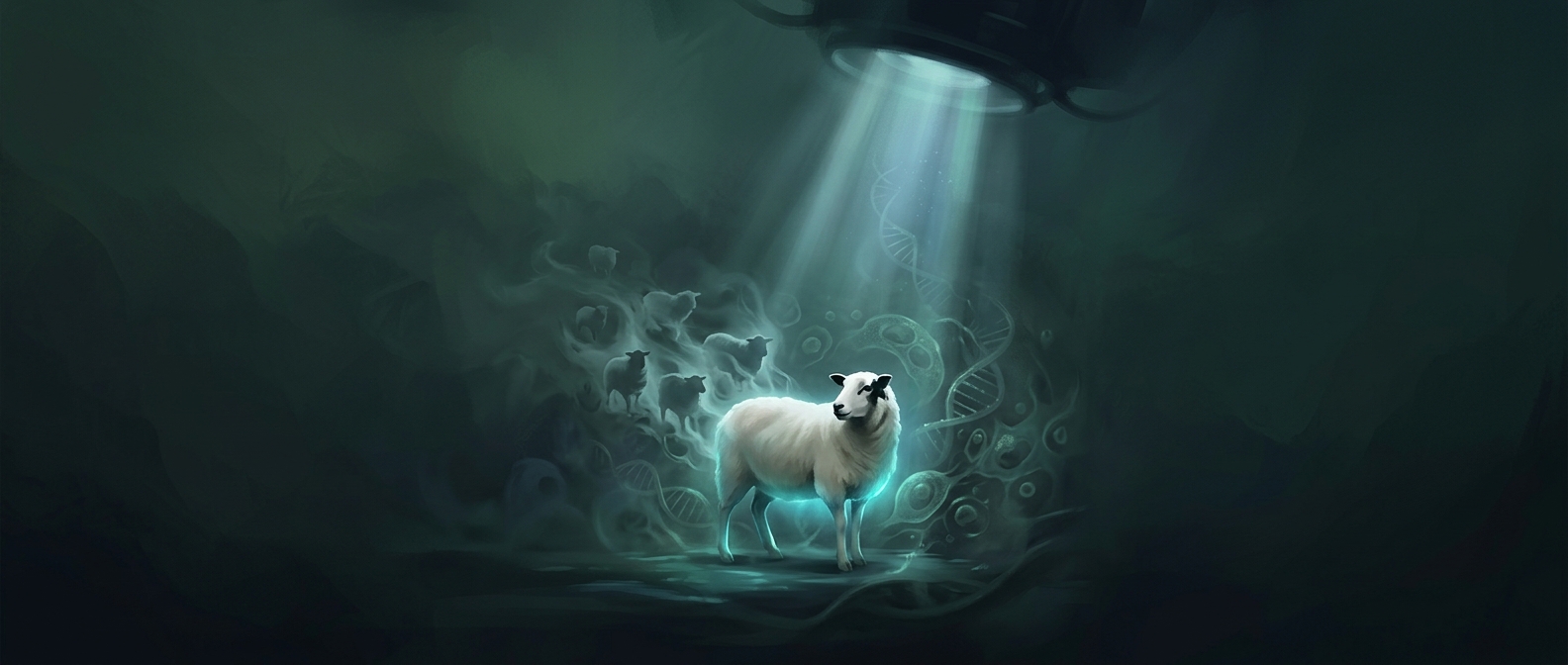
The reset was not a simple switch, and development from a transferred nucleus was difficult. But Dolly showed that a nucleus from an adult body cell could, under the right conditions, support development into an entire animal. That finding changed the scientific question: specialization could be reversible, even if reliably reversing it remained a major challenge.
Why the result mattered
Dolly’s birth demonstrated a possibility, not a routine recipe for copying animals. It gave researchers a way to investigate how cells acquire and lose their specialized identities, and it helped establish nuclear transfer as a tool for studying development. The lasting surprise was that the cell’s genetic library had survived specialization intact; what changed was which pages the cell was using.