How an infection became inheritable
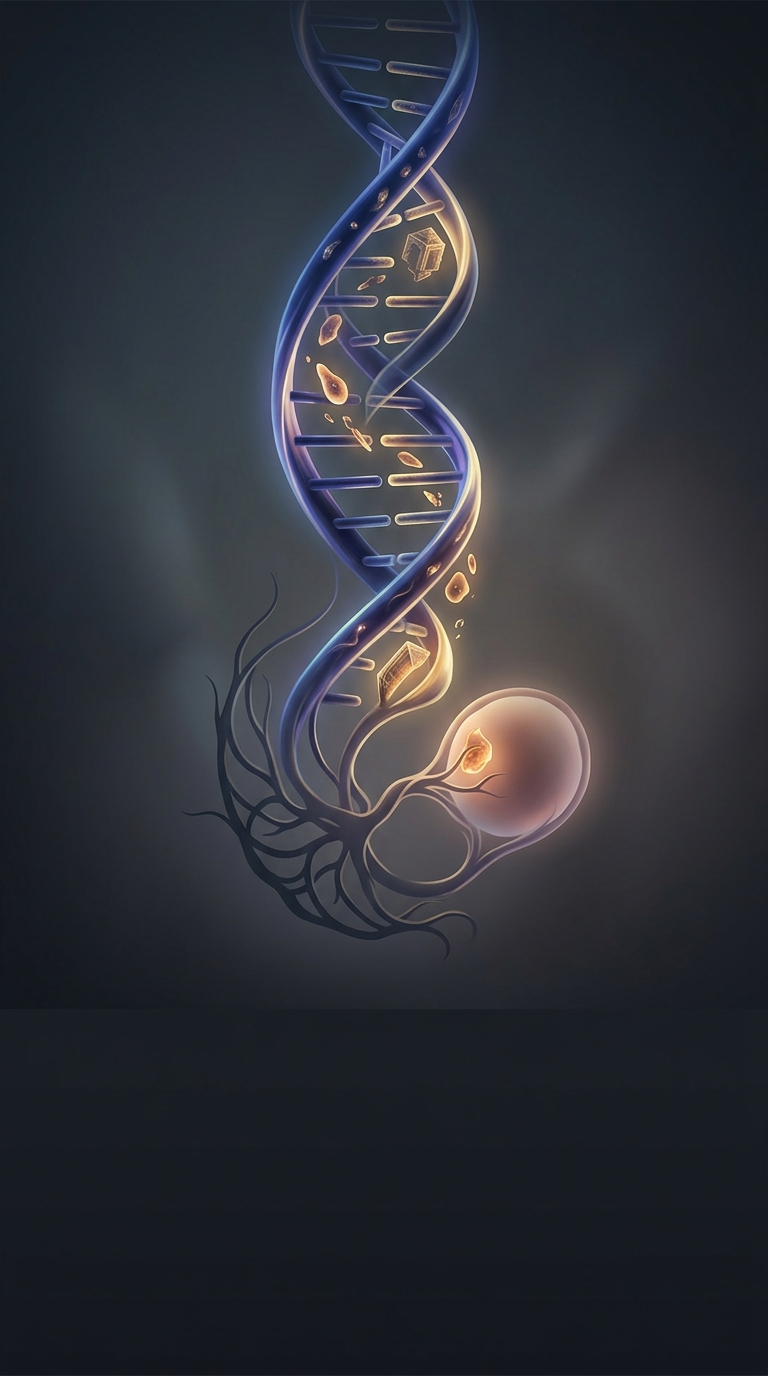
A retrovirus reproduces by inserting a copy of its genetic material into a host cell’s DNA. If that insertion happens in a cell that contributes to eggs or sperm, descendants can inherit it—not as an ongoing infection, but as a stretch of DNA passed down through generations. Most such viral remnants have lost the ability to make a complete virus.
Some remnants, however, preserve a gene for an envelope protein. In an active virus, that protein helps the virus merge its outer membrane with a cell’s membrane so it can enter. Evolution could repurpose the same membrane-fusing ability for a different job.
A viral tool at the maternal–fetal interface
In the human placenta, proteins encoded by ancient viral-derived genes help certain placental cells fuse together. The resulting layer, called the syncytiotrophoblast, is a continuous, many-nucleated surface in contact with the mother’s blood. Beneath it, fetal blood travels through tiny vessels; the two blood supplies normally remain separate.
Across this thin interface, oxygen and nutrients move toward the fetus, while carbon dioxide and other waste products move away. The fused layer also helps form a barrier and produces hormones that support pregnancy. It is not simply a sheet of cells glued together: fusion creates a specialized surface suited to exchange and placental signaling.
The genes involved are known as syncytins. Different mammal lineages appear to have recruited different retroviral genes for placental roles, a striking example of evolution reusing available genetic material rather than building every useful feature from scratch. In humans, an old mechanism for getting a virus into a cell helps build the tissue through which a fetus receives what it needs to grow.