How DNA turns digital files into chemical sequences
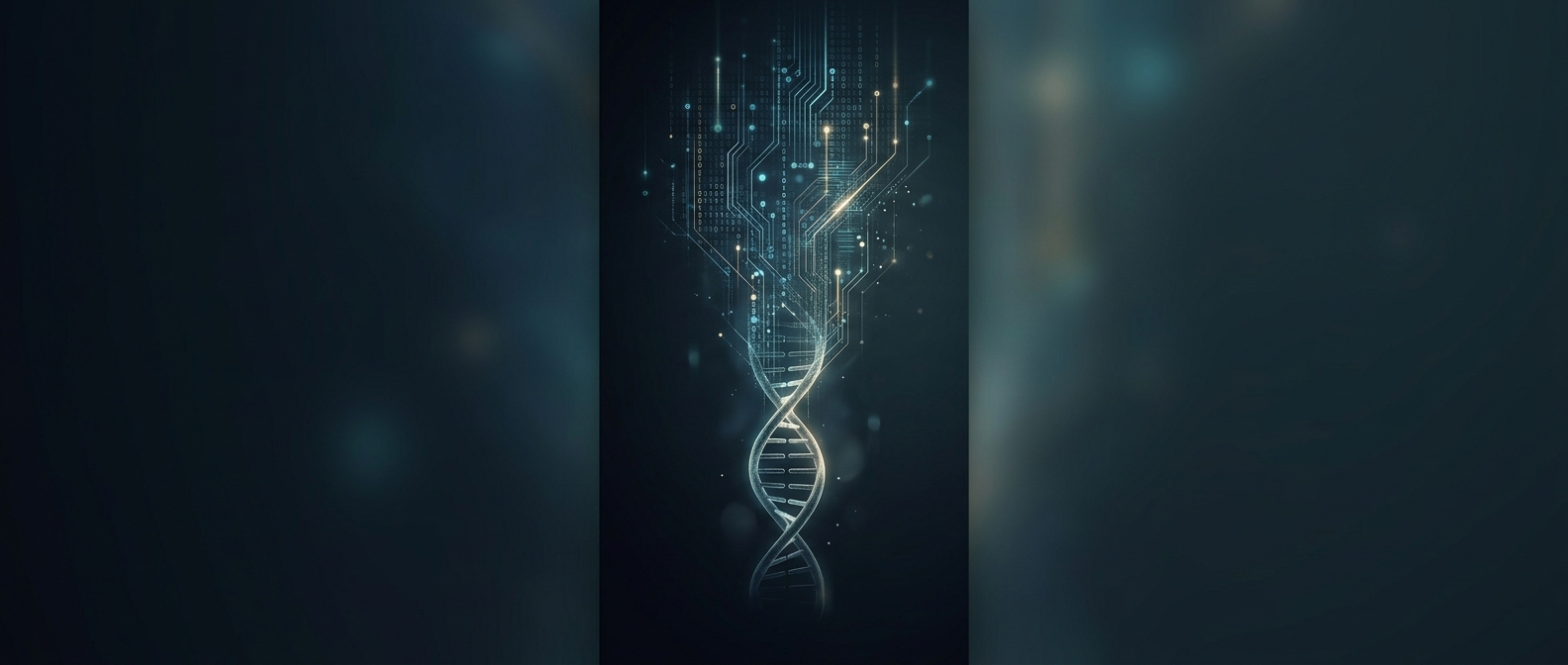
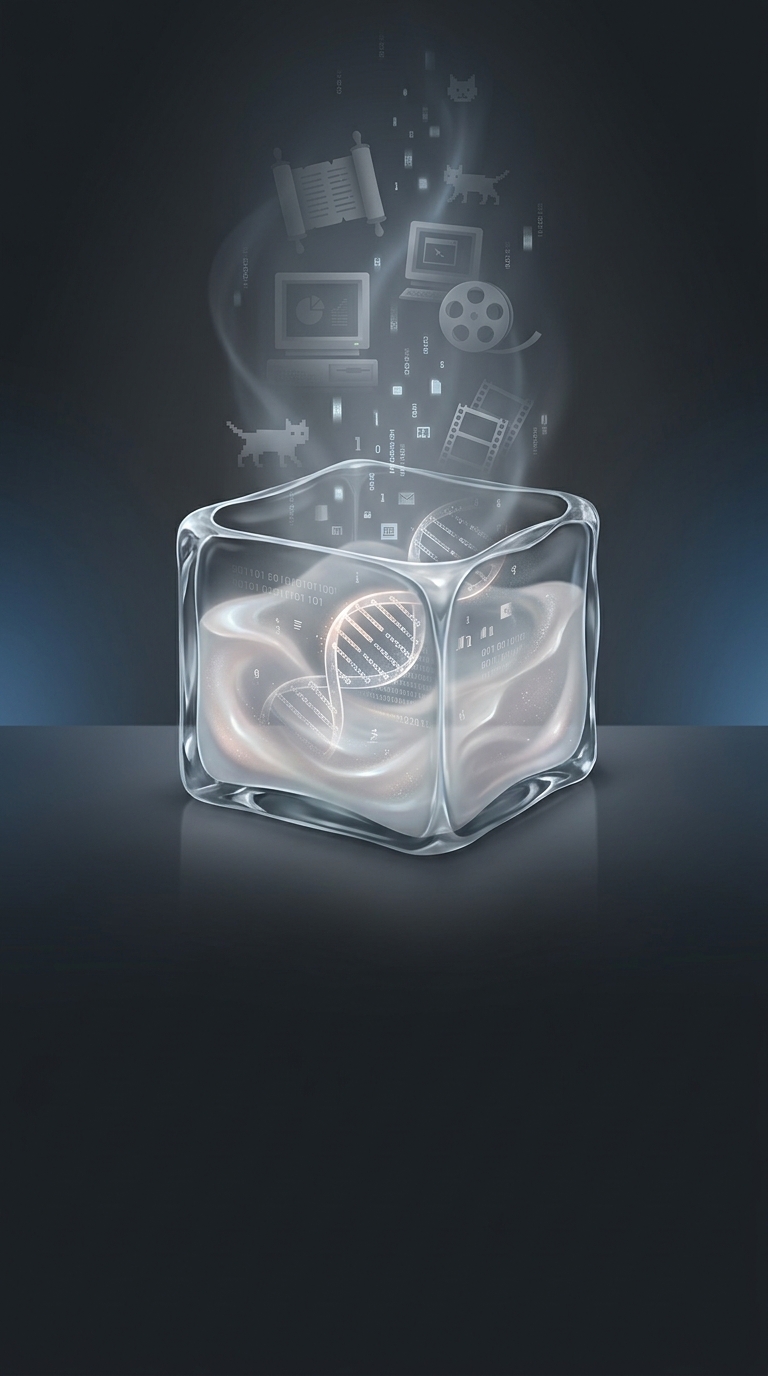
A computer stores information as bits: strings of 0s and 1s. DNA offers a different alphabet, with four chemical bases—A, C, G, and T—so a storage system can translate groups of bits into sequences of those letters. The resulting sequence is then built into synthetic DNA molecules, which can be kept in a tiny physical sample rather than on a spinning disk or flash-memory chip.
The conversion is not simply a matter of replacing every pair of bits with one DNA letter. A practical system adds labels and error-correction codes: extra information that helps identify which file a sequence belongs to and repair mistakes introduced during copying, storage, or reading. Without those safeguards, a single altered or missing letter could make a long stretch of data difficult to recover.
Why the storage is so compact—and so slow
DNA packs information densely because its letters are molecules, not marks spread across a large electronic device. A small amount of material can therefore represent an enormous digital archive. That density is what makes the shoebox comparison conceivable, though the exact amount depends on what counts as all the data on the internet and on how much redundancy the encoding requires.
Retrieval follows a very different path from opening a file. A reader must locate the relevant DNA, chemically process it, determine the order of its bases through sequencing, and translate that sequence back into bits. Writing data also requires manufacturing the chosen sequences. These steps take far longer than electronic memory access, so DNA is better suited to information that can sit untouched for a long time than to files people need constantly.
A different kind of archive
The tradeoff is between capacity and access. DNA could make sense for preserving records that are rarely retrieved but costly to keep in conventional storage. Its striking promise is not that a shoebox could replace today’s computers; it is that a physical archive small enough to hold in one hand might eventually preserve a vast digital record, provided the data can wait to be read.