How a Baby’s Cells Can Remain in a Mother’s Body
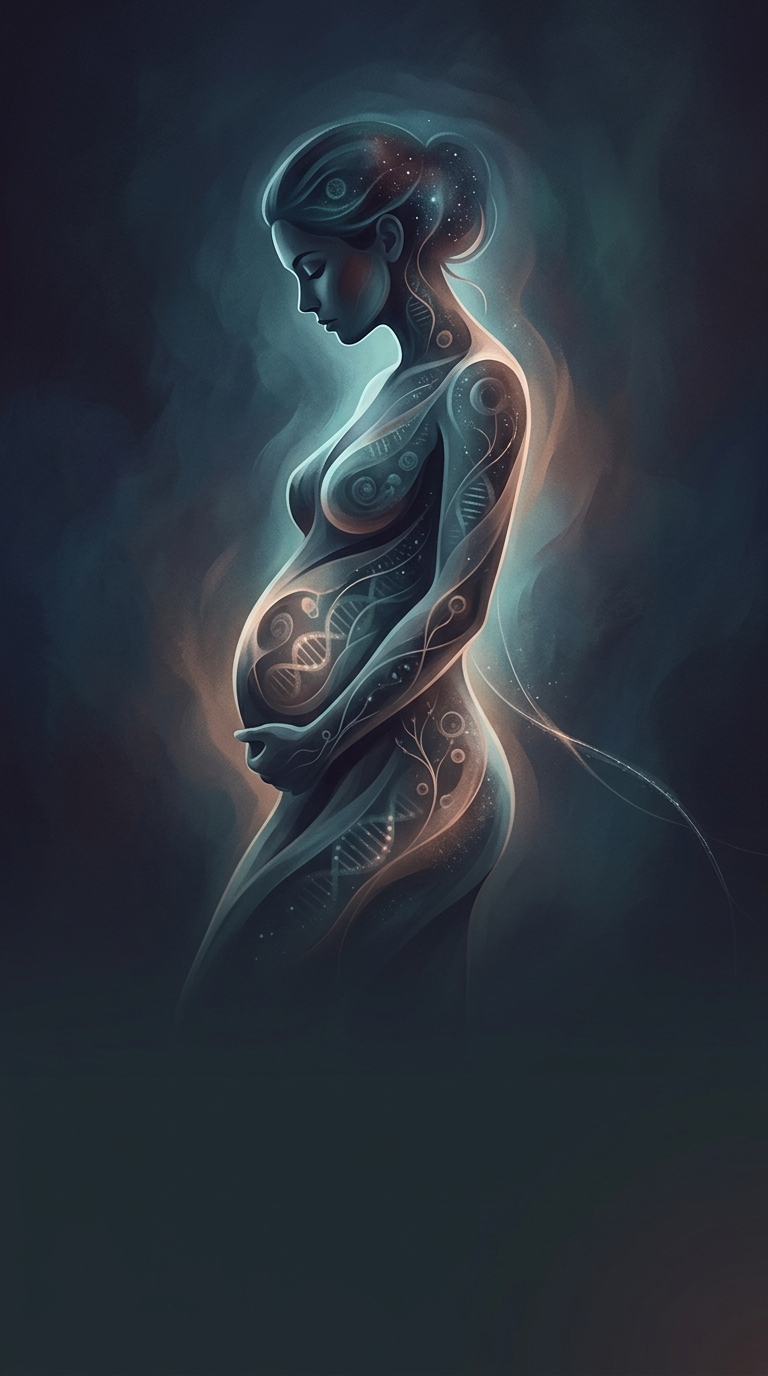
During pregnancy, the placenta connects mother and fetus while keeping most of their blood separate. But the barrier is not an absolute wall: small numbers of cells can cross in both directions. When fetal cells enter the mother’s bloodstream, some may settle in tissues and remain there long after pregnancy ends. The persistence of a small population of genetically distinct cells is called fetal microchimerism.
A Lasting Cellular Trace
These cells are not merely fragments of fetal DNA circulating briefly in blood. Researchers have found cells with fetal genetic signatures in maternal tissues, including organs. Because they carry a combination of genetic material different from the mother’s, they can be distinguished from her own cells in some analyses.
The exchange can happen during pregnancy and around childbirth. It is also not necessarily limited to a mother’s first pregnancy: cells from different pregnancies may leave distinct traces. That makes the body a record of past pregnancies at the cellular level, even when no outward sign remains.
What the Cells Do Is Still Unclear
Finding fetal-origin cells in a tissue does not, by itself, show what they are doing there. Some may behave like ordinary immune or tissue cells; others may have the capacity to develop into different cell types. Scientists are investigating whether they help with tissue repair, influence immune responses, or sometimes contribute to disease. Their effects may depend on where they are and what is happening in the body, so their presence should not be treated as automatically beneficial or harmful.
The striking part is not that a baby remains physically intact inside its mother, but that pregnancy can leave behind a sparse, living cellular trace. Years later, a mother’s tissues may still contain cells that began as part of her child.