Pregnancy Can Leave a Cellular Trace
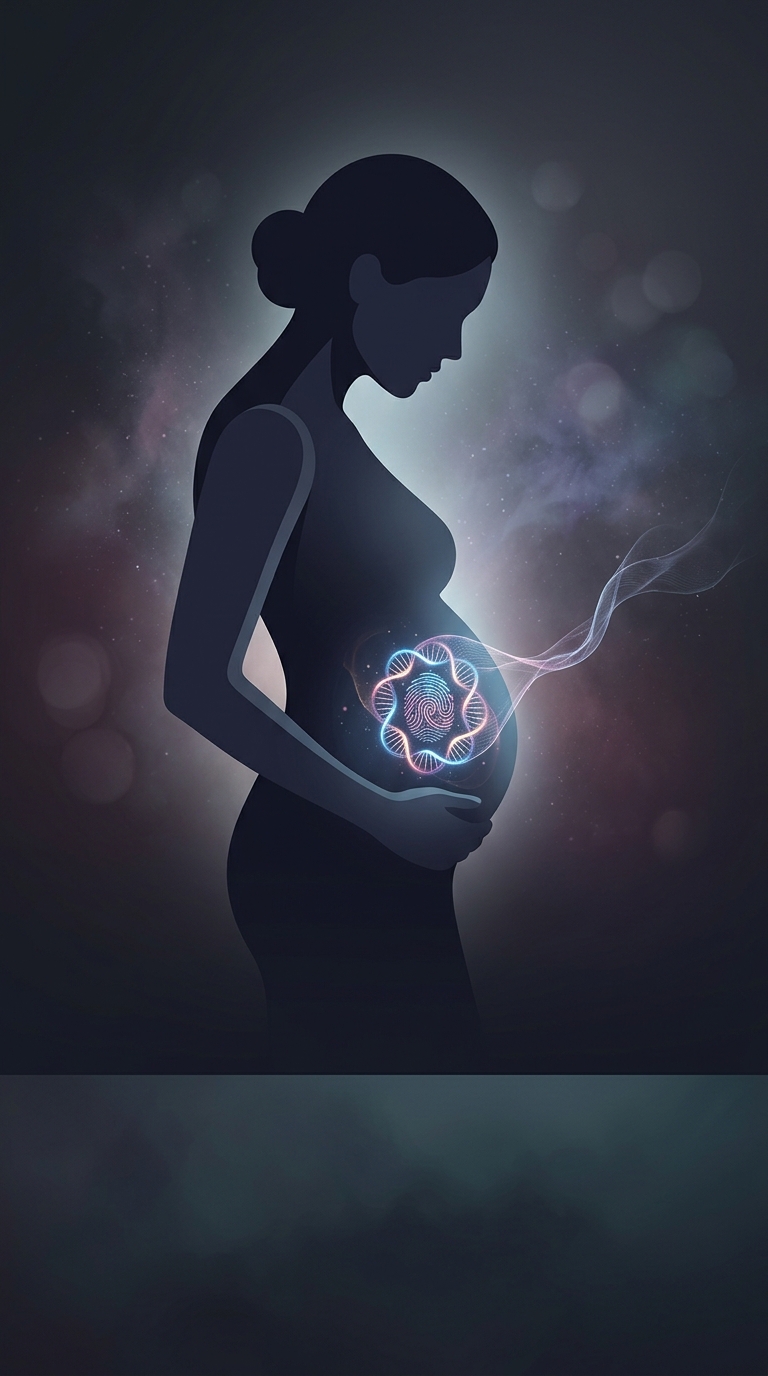
During pregnancy, the placenta connects a developing fetus to the mother’s blood supply. It is not a completely sealed barrier: a small number of cells can cross it in both directions. Some fetal cells enter the mother’s circulation, and some can settle in her tissues.
After birth, most pregnancy-related cells and material are cleared, but a small number of fetal cells may remain. This long-term presence of cells from one individual in another is called fetal microchimerism. The cells are not a second baby growing inside the mother; they are a tiny cellular population among her own cells.
Why the Cells Can Stay
Fetal cells can travel through the bloodstream and lodge in places such as the lungs, liver, or skin. Some have been found years—and, in some cases, decades—after pregnancy. Because they carry genetic material from the fetus, researchers can distinguish them from the mother’s cells.
Scientists are still investigating what these cells do. They may interact with the immune system, and some research has explored whether they take part in tissue repair. But their presence alone does not prove that they are helpful or harmful; their effects may depend on the cells and the surrounding tissue.
The lasting remnant of birth, then, is not a visible structure but a small biological exchange that can outlast pregnancy itself.