Science
Discover facts about science. Small discoveries that change the way you see familiar things.
Science
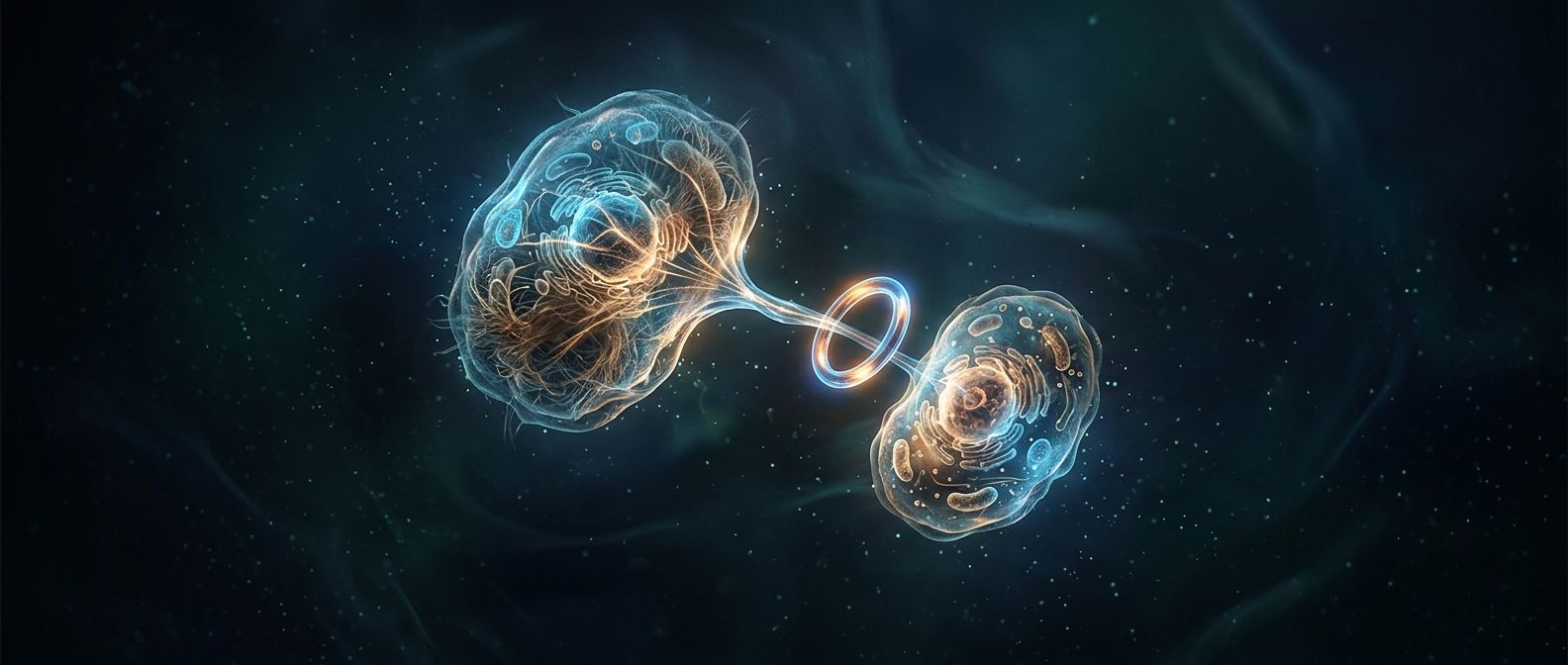
Plasmids transfer genetic code between single cells
Instead of passing useful genes only to offspring, bacteria can hand them sideways in plasmids—small, separate loops of DNA. A recipient cell may gain a…
Discover more
Dominant genes mask the traits of recessive alleles
For a simple inherited trait, one dominant allele can determine what shows up, even if the person also carries a recessive allele. The recessive version is…
Discover more
Magnetic poles always come in inseparable pairs
Break a magnet in half and you don’t get a north piece and a south piece. Each fragment has its own north and south ends, because the magnetic poles stay…
Discover more
Gene flow introduces fresh DNA into isolated populations
When an outsider joins an isolated population and has children, its DNA adds new versions of genes to the family tree. That can make it less likely that two…
Discover more
Mutations create entirely new variations of specific genes
A mutation is a genetic change, not evolution’s custom order form. It may do nothing or change how a protein works; if the change is passed on and helps…
Discover more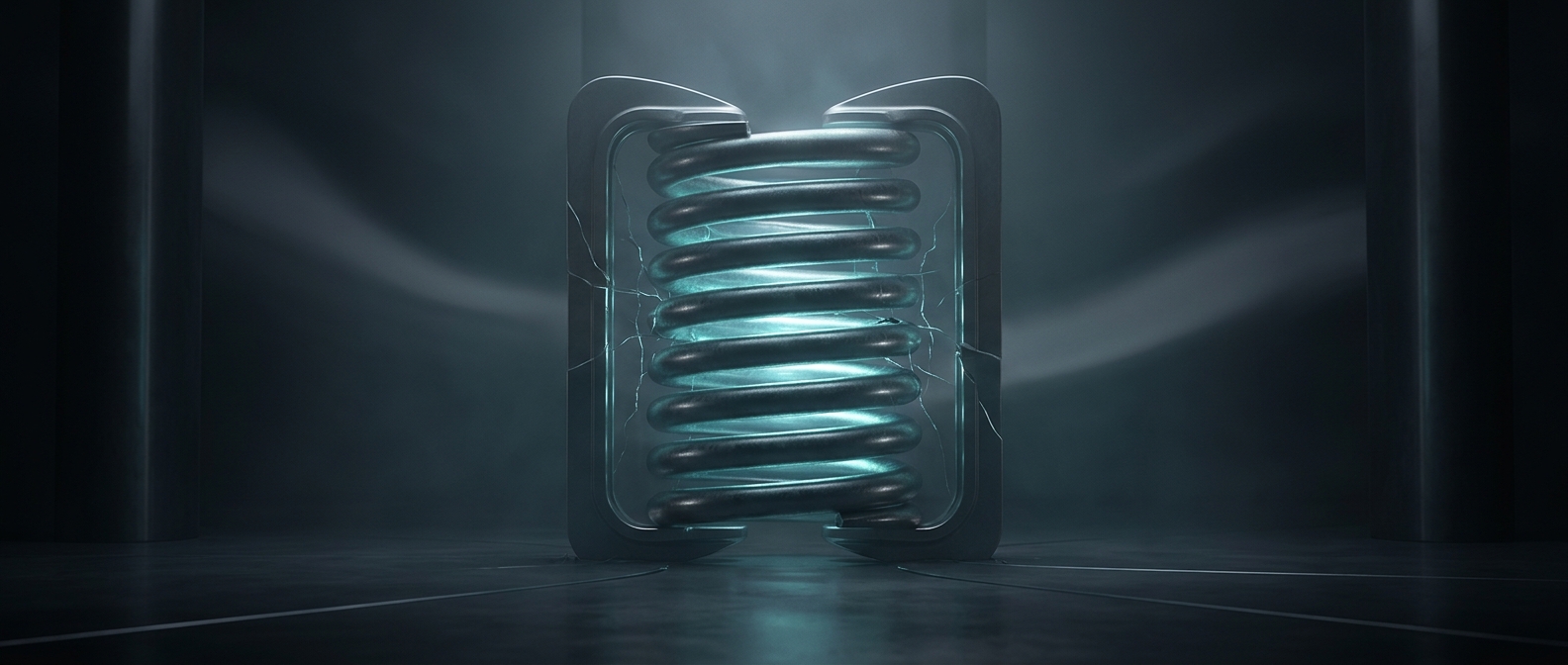
Springs store mechanical energy when physically compressed
Bend or compress a spring and you force its material away from its relaxed shape, storing energy in that deformation. Let go and the spring pushes back,…
Discover more STACKY FOR IPHONE
A bigger world.
One discovery
at a time.
Keep discovering with Stacky. Interesting facts in an app that is always within reach.

Electromagnetic induction creates voltage remotely
Move a magnet near a coil and the magnetic field through the coil changes. That change pushes electric charges along the wire, creating voltage without the…
Discover more
Bottleneck events reduce overall genetic diversity
When a population shrinks to just a few survivors, its genes get sampled by chance. Any variant none of them carries disappears as the population grows…
Discover more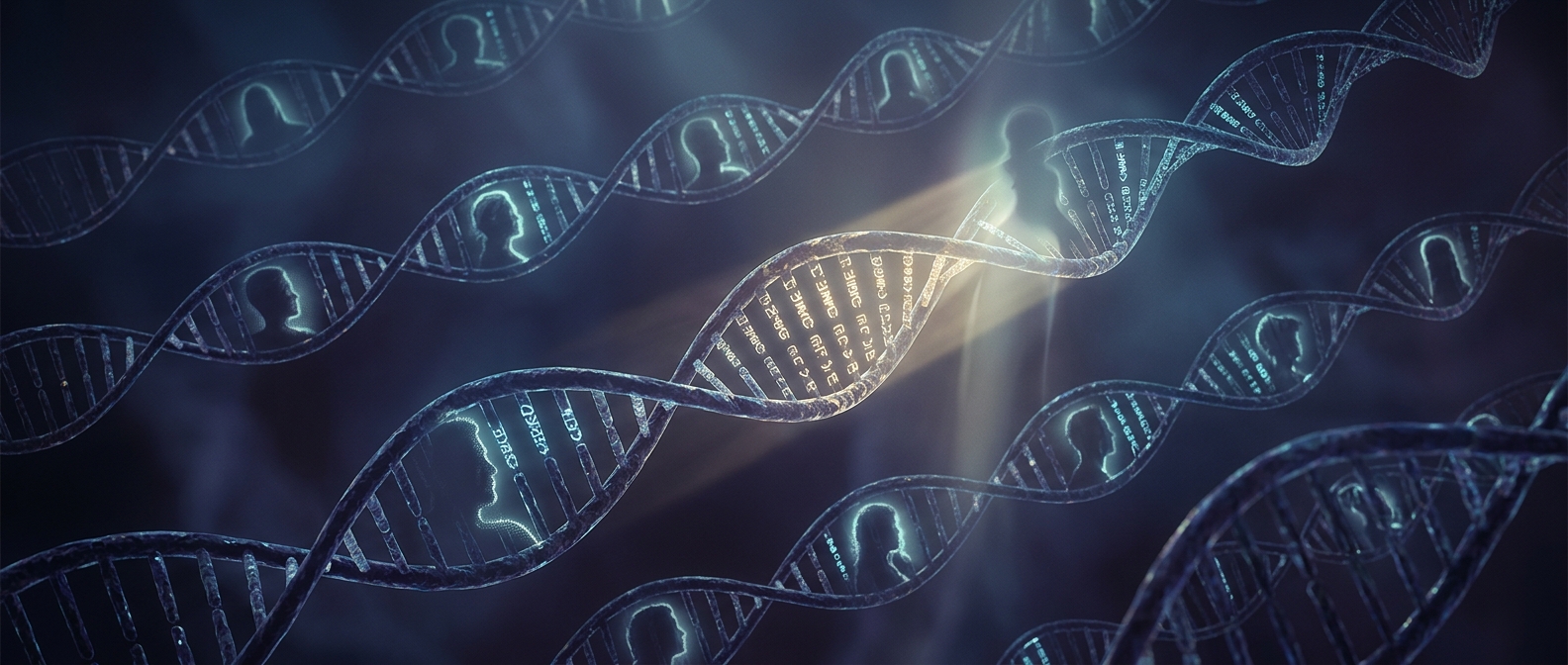
DNA profiling relies on unique repeating sequences
DNA profiling counts repeating short sequences at selected spots in a person’s DNA. People often have different repeat counts, and combining several counts…
Discover more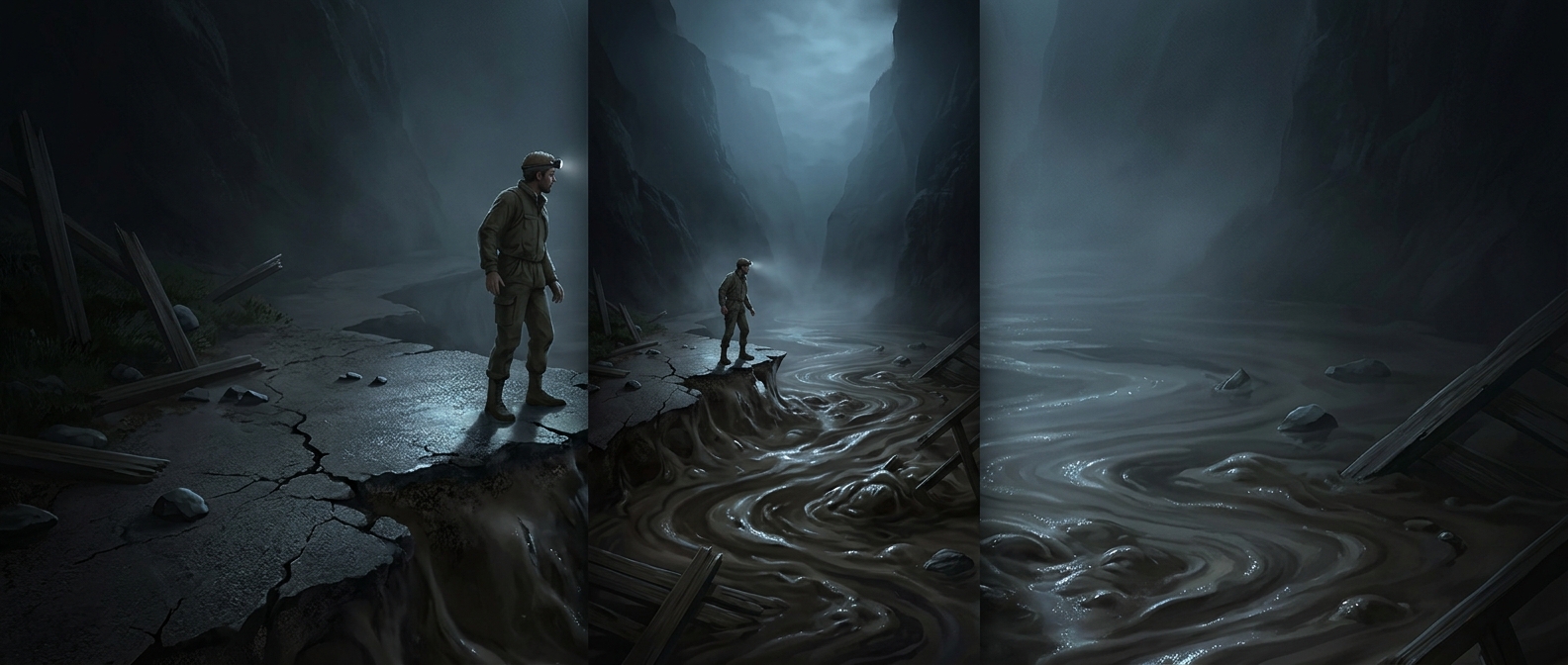
When solid ground turns into liquid mud
When shaking squeezes water between soil grains, the water pressure can rise and push the grains apart. Without enough friction to lock together, saturated…
Discover more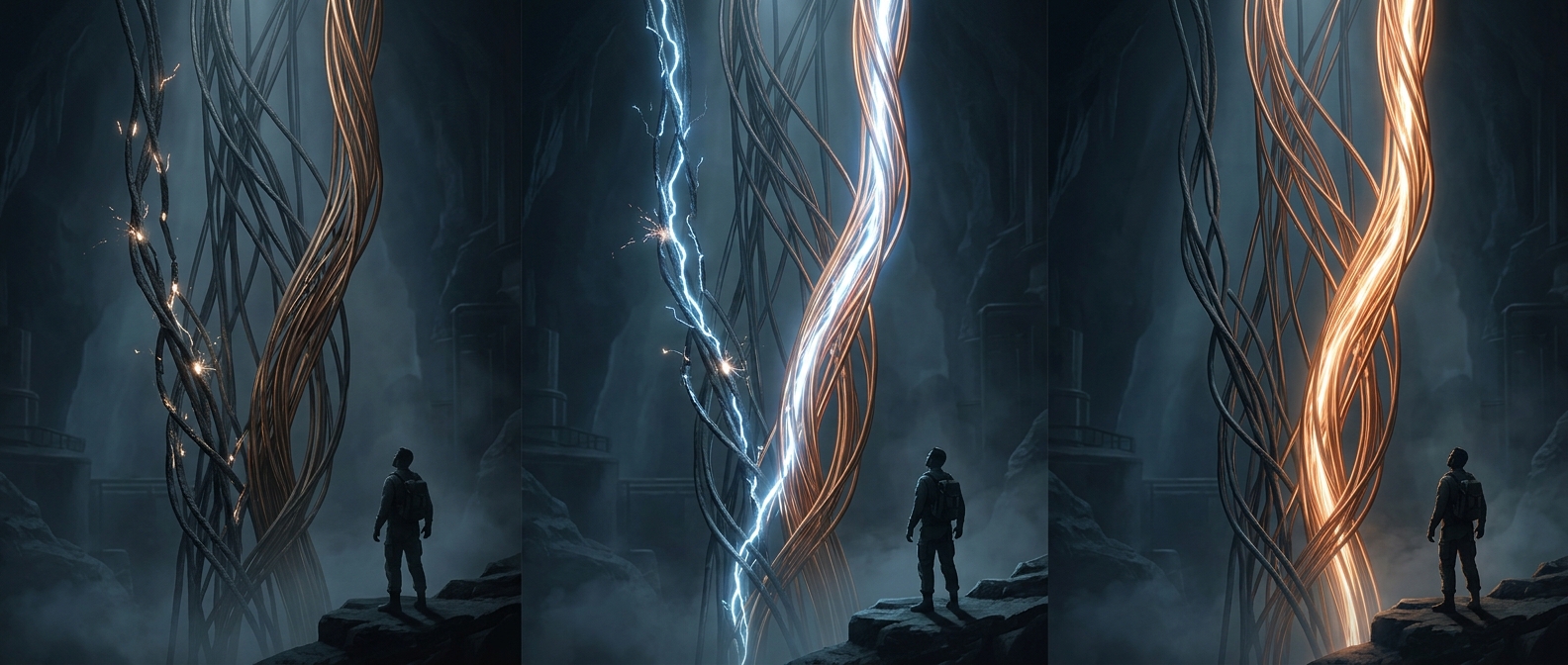
Copper wiring conducts electricity better than iron
Copper lets electric charge flow with less resistance than iron does. Less energy gets diverted into heating the wire, so copper carries the same current with…
Discover more
You're not being thrown outward in a sharp turn
Your body would keep going straight while the car changes direction beneath it. The door—or your seat belt—pushes you inward so you turn with the car; your…
Discover more
Radon gas silently accumulates in residential basements
Radon can collect in a basement without color, smell, or any obvious warning. Its radioactive decay releases particles that can damage lung tissue when…
Discover more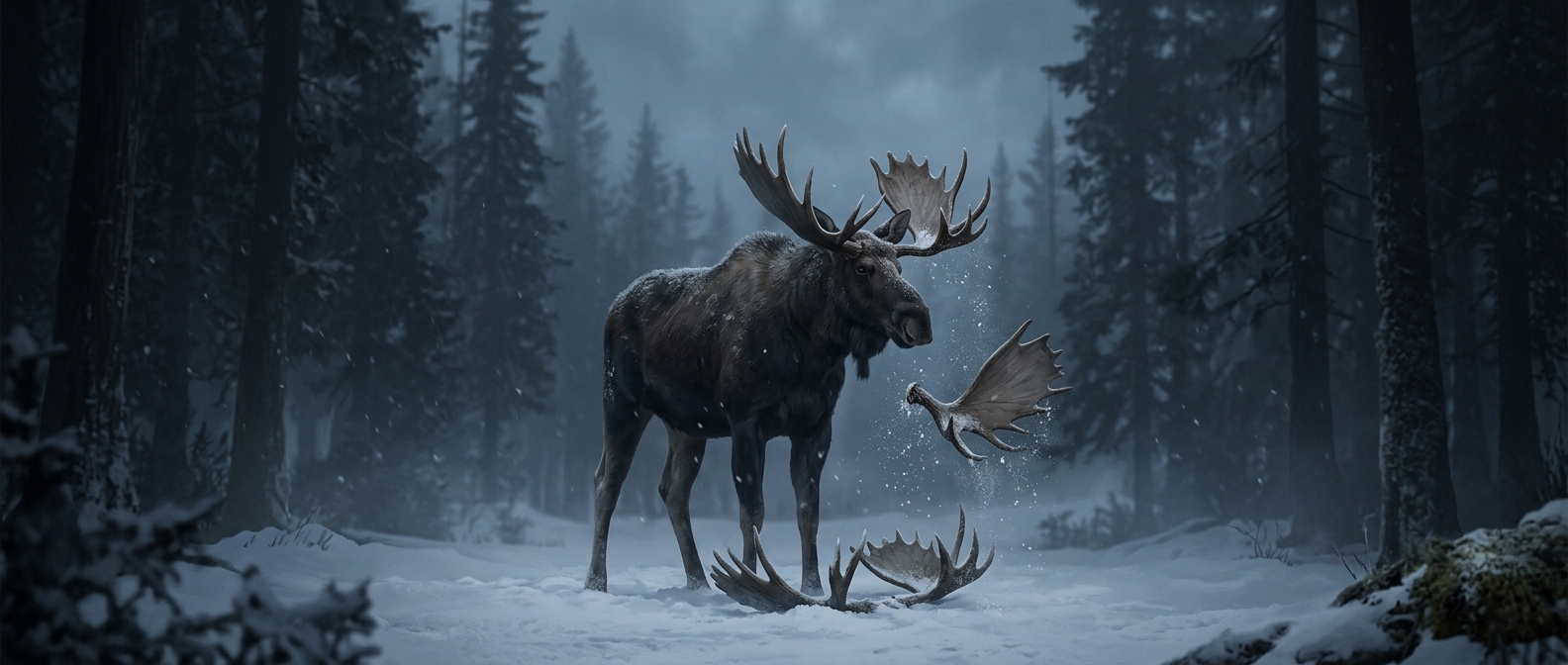
A moose rebuilds its antlers every year
Seasonal hormone changes trigger the weakening of the attachment and the old antlers drop off. A new set grows under blood-rich velvet; later, rising…
Discover more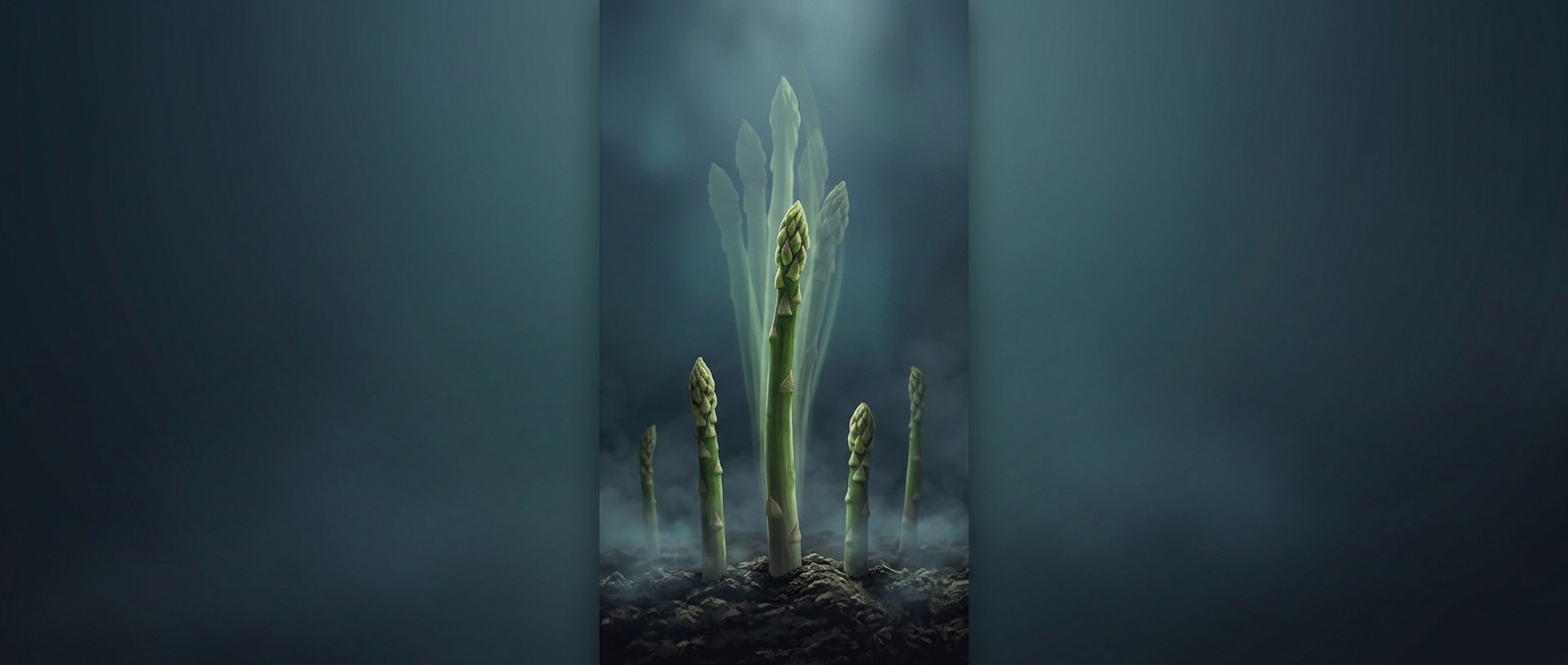
The asparagus you eat is a plant caught before it opens
An uncut spear grows into tall, feathery foliage that helps replenish the plant's reserves. Growers harvest young shoots for part of the season, then let…
Discover more
Why hydrogen fires can disappear in daylight
Hydrogen flames can be hard to see because they produce few of the hot particles that glow with visible light. In daylight, that faint flame can disappear…
Discover more
Apples are part of the rose family
Apples are in the rose family because plant families group species by shared ancestry and features, not just by what their flowers look like. The family also…
Discover more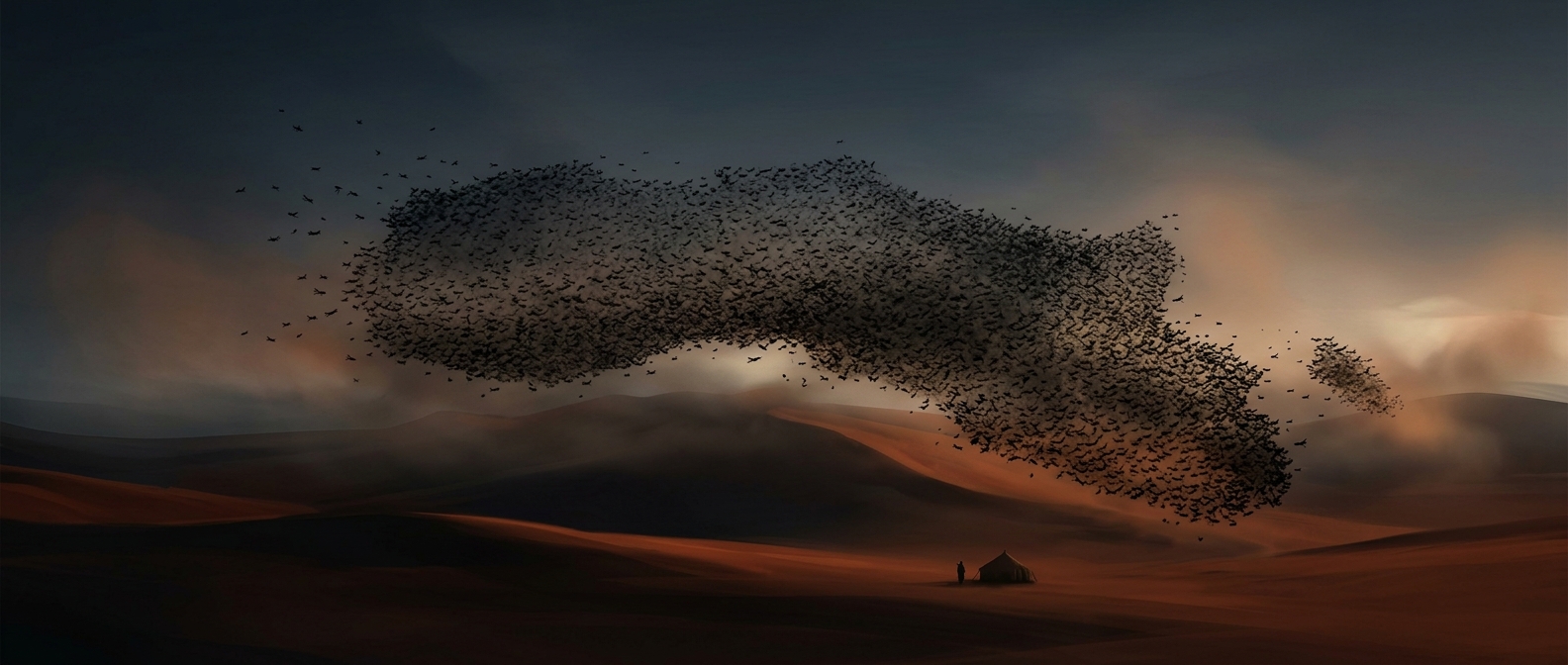
Crowding can turn solitary locusts into a swarm
Desert locusts have different behavioral phases. Repeated contact in a crowd helps trigger a shift toward gathering and moving together. The insects don't…
Discover more
What creates the blue haze over mountain ridges
Trees release an invisible gas called isoprene, especially when the weather is warm. Reactions in the air can turn some of that gas into tiny particles, which…
Discover more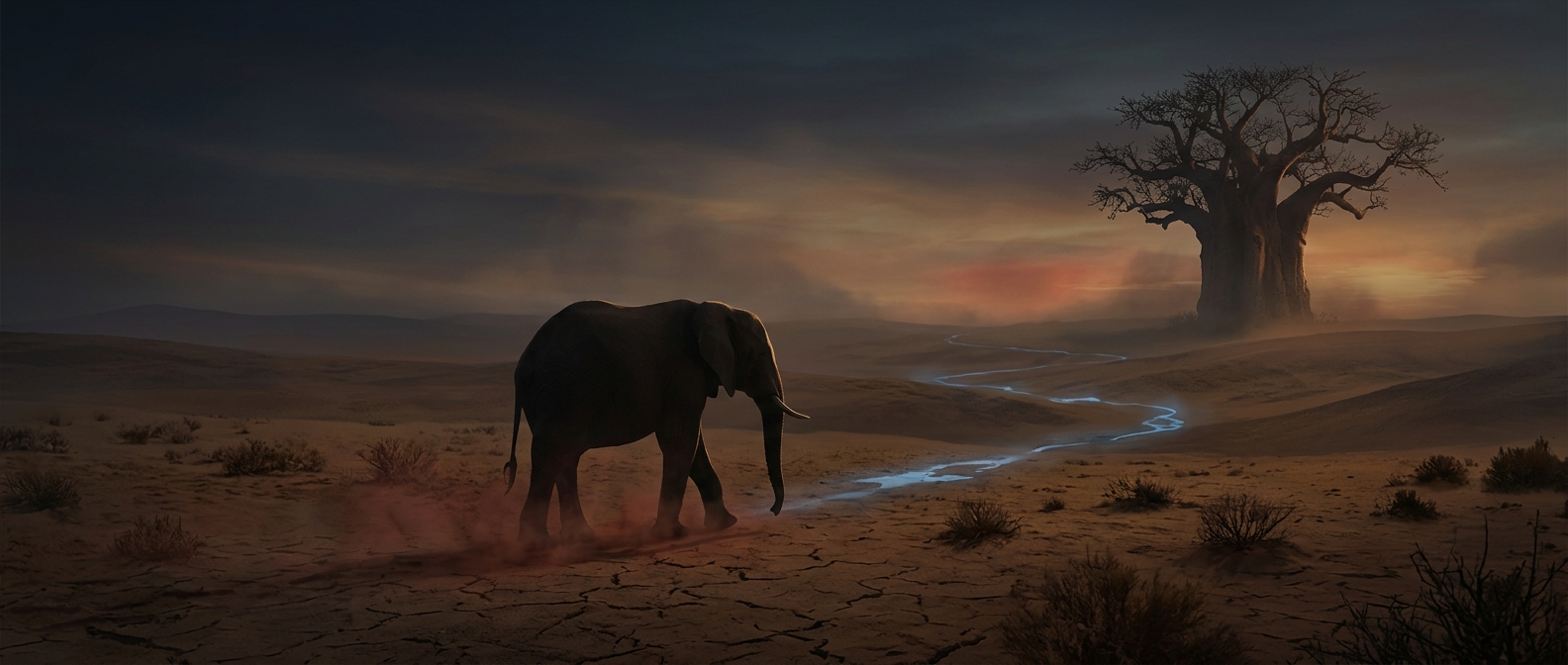
African elephants travel hundreds of miles seeking water
When water holes dry up, a herd may need more than luck to find the next one. A matriarch’s memory of routes and water sources can guide the elephants toward…
Discover more
Arctic terns fly enormous distances across the globe
Instead of taking the shortest route from pole to pole, Arctic terns travel where winds and food make the journey work. Their seasonal migration lets them…
Discover more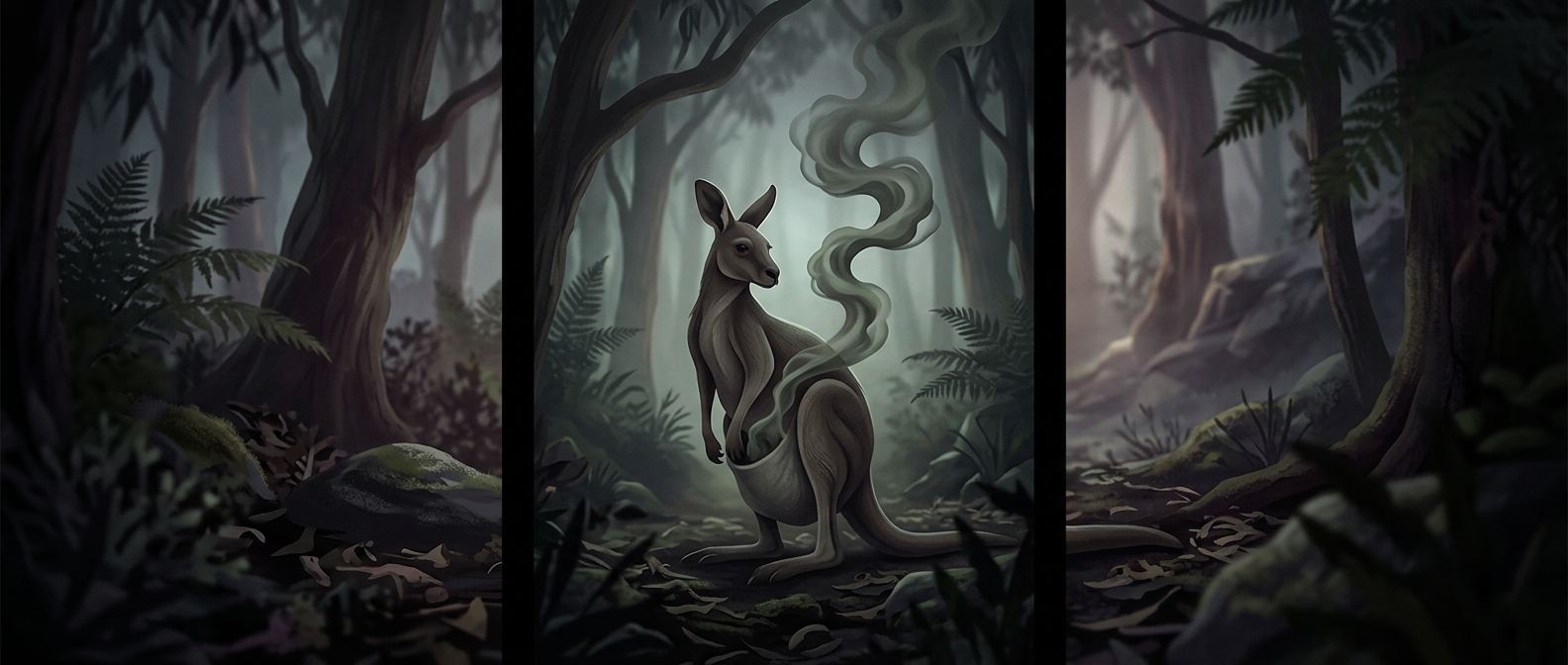
A kangaroo pouch is dirtier than you think
A kangaroo pouch doesn’t empty itself: it’s a crease in the mother’s skin, where dirt and waste can stick around. She uses her tongue to clean the fold and…
Discover more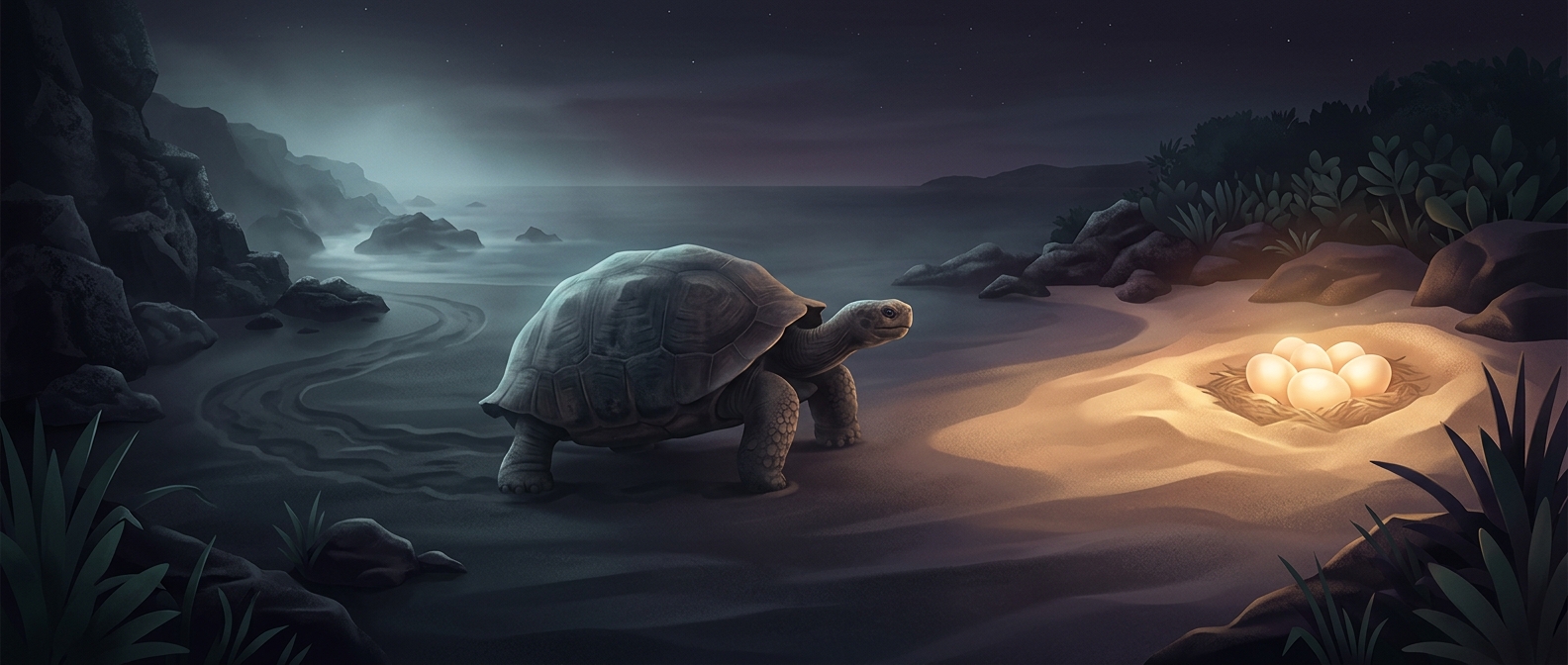
A 20-minute trip can take tortoises weeks
A route that takes a person about 20 minutes can take a giant Galápagos tortoise weeks. It moves between seasonal feeding areas over rough volcanic slopes,…
Discover more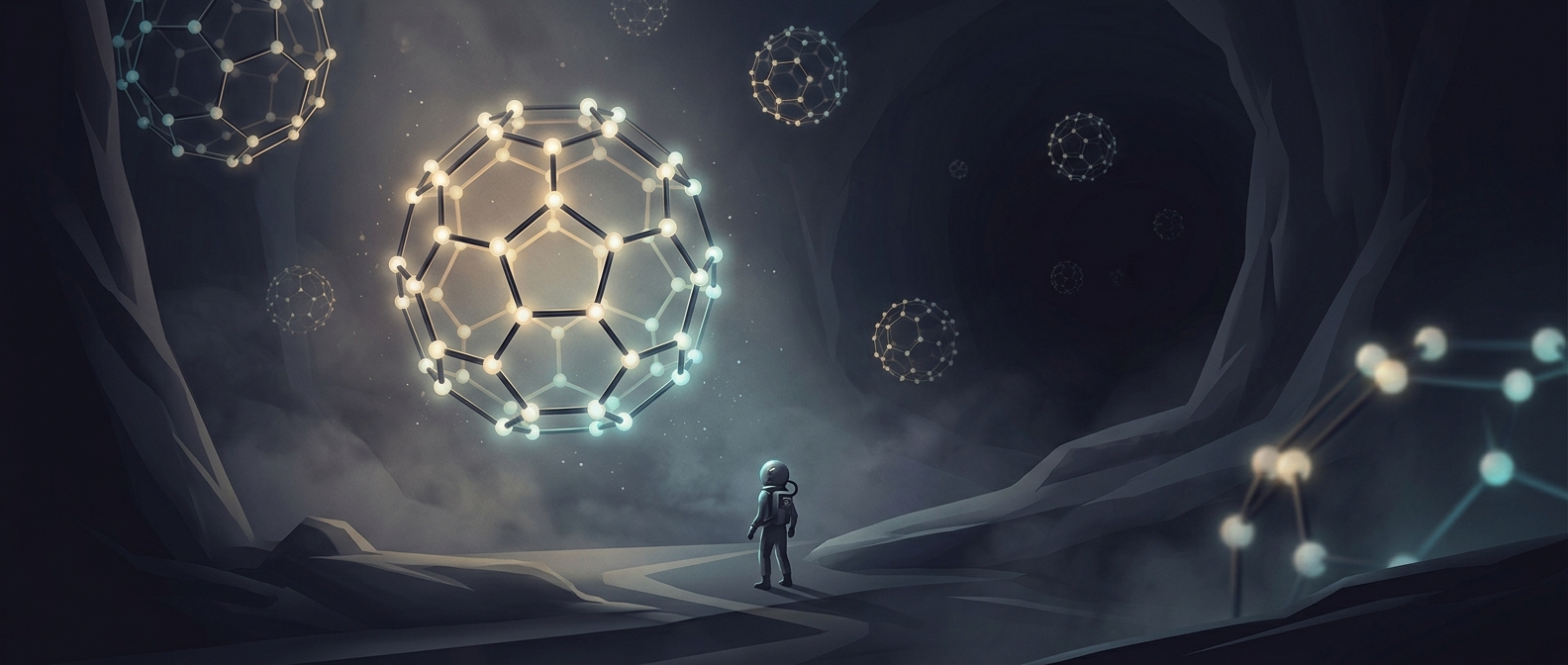
The tiny carbon molecule shaped like a soccer ball
This molecule is a hollow cage of 60 carbon atoms arranged in pentagons and hexagons, like panels on a soccer ball. The pattern closes into a shell instead of…
Discover more