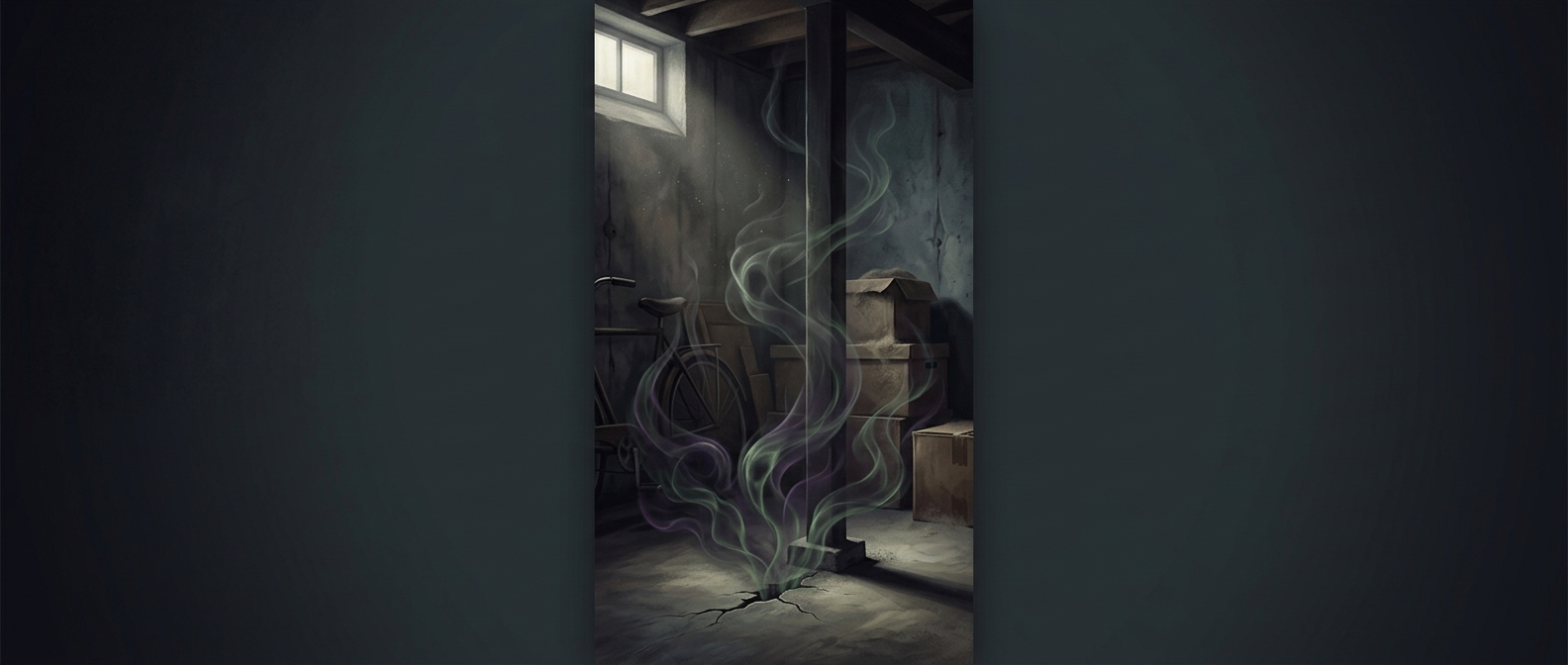
How radon gets indoors
Radon begins underground as uranium in soil and rock slowly breaks down. The resulting gas can move through pores and cracks in the ground, then enter a house through gaps around foundations, floor drains, or utility pipes. Because air pressure inside a home is often slightly lower than the pressure in the soil beneath it, the house can draw that gas inward—much like a gentle, continuous suction.
Once inside, radon can build up, especially in lower levels with limited air exchange. The amount varies from one home to another, even among houses on the same street, because the route from the ground and the way air moves through each building differ.
What makes inhaled radon hazardous
Radon itself is a gas, but as it decays it produces radioactive particles. If someone breathes them in, some can lodge in the airways and emit radiation close to lung tissue. Repeated exposure can damage cells and increase the chance that cancer develops over time. The risk is greater for people who smoke: tobacco smoke and radon exposure compound the danger to the lungs.
A basement’s appearance cannot reveal whether radon is present. The gas has no reliable sensory warning, and ordinary construction details do not predict a home’s level. Testing measures the concentration directly; it is the only way to know what is in the air. If a test finds an elevated level, a radon professional can install a system that draws gas from beneath the foundation and vents it outdoors, reducing the amount that enters living spaces.
The practical consequence is simple: a home can feel perfectly normal while its air carries an avoidable risk, so a test is more informative than the age, location, or smell of the house.