How a DNA change becomes a new gene variant
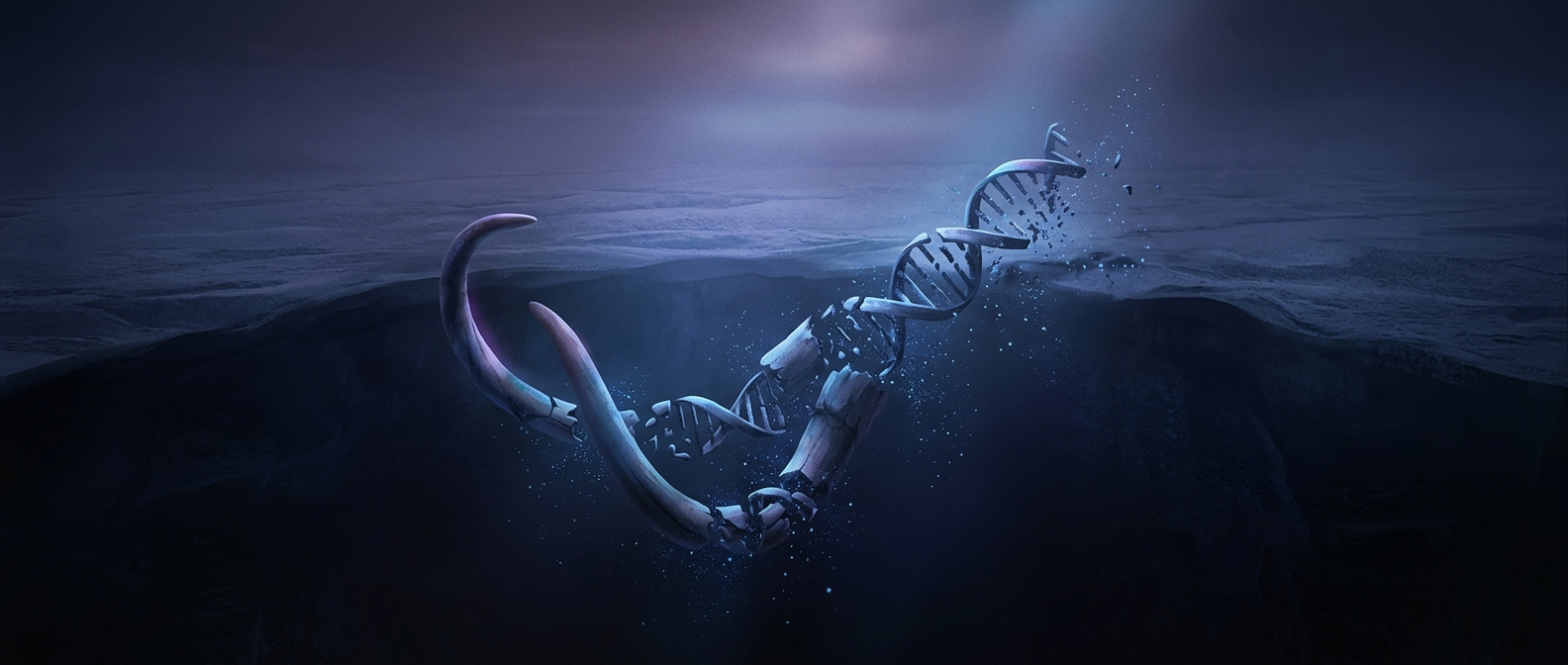
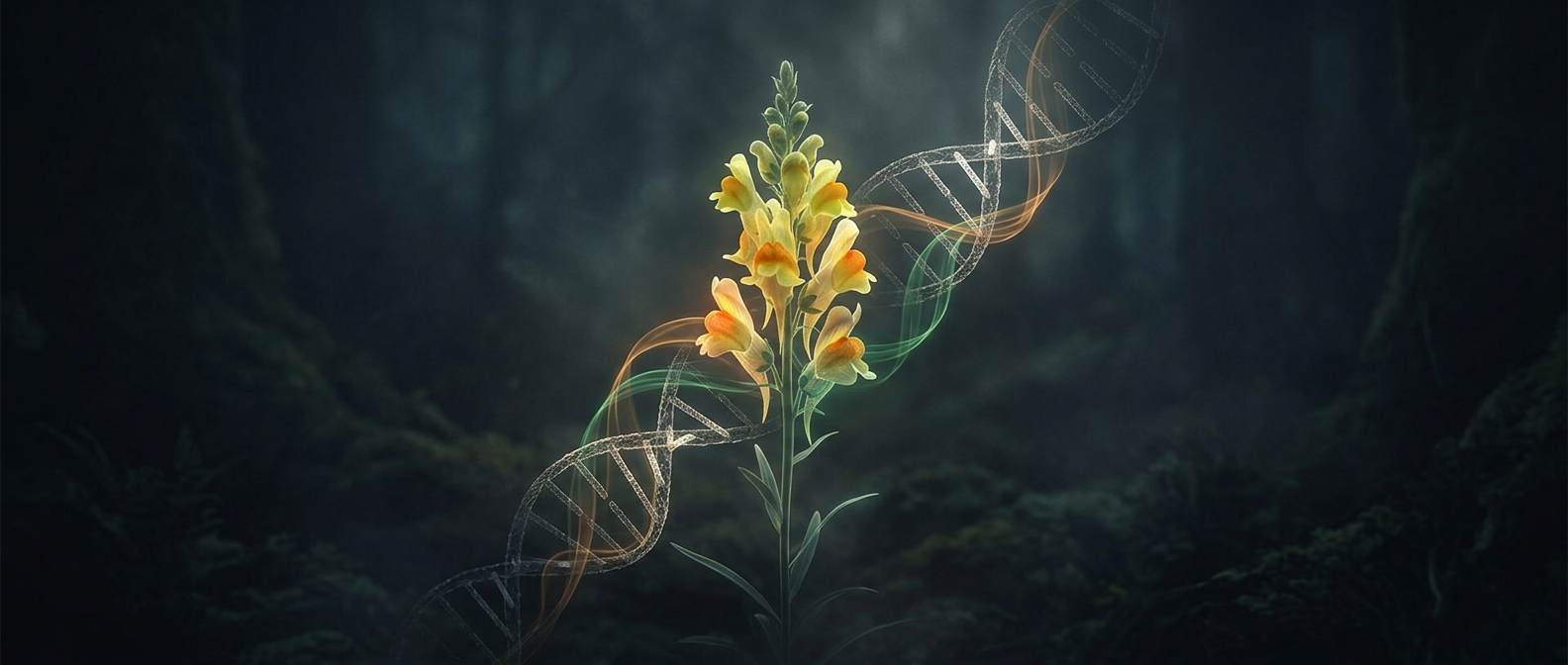
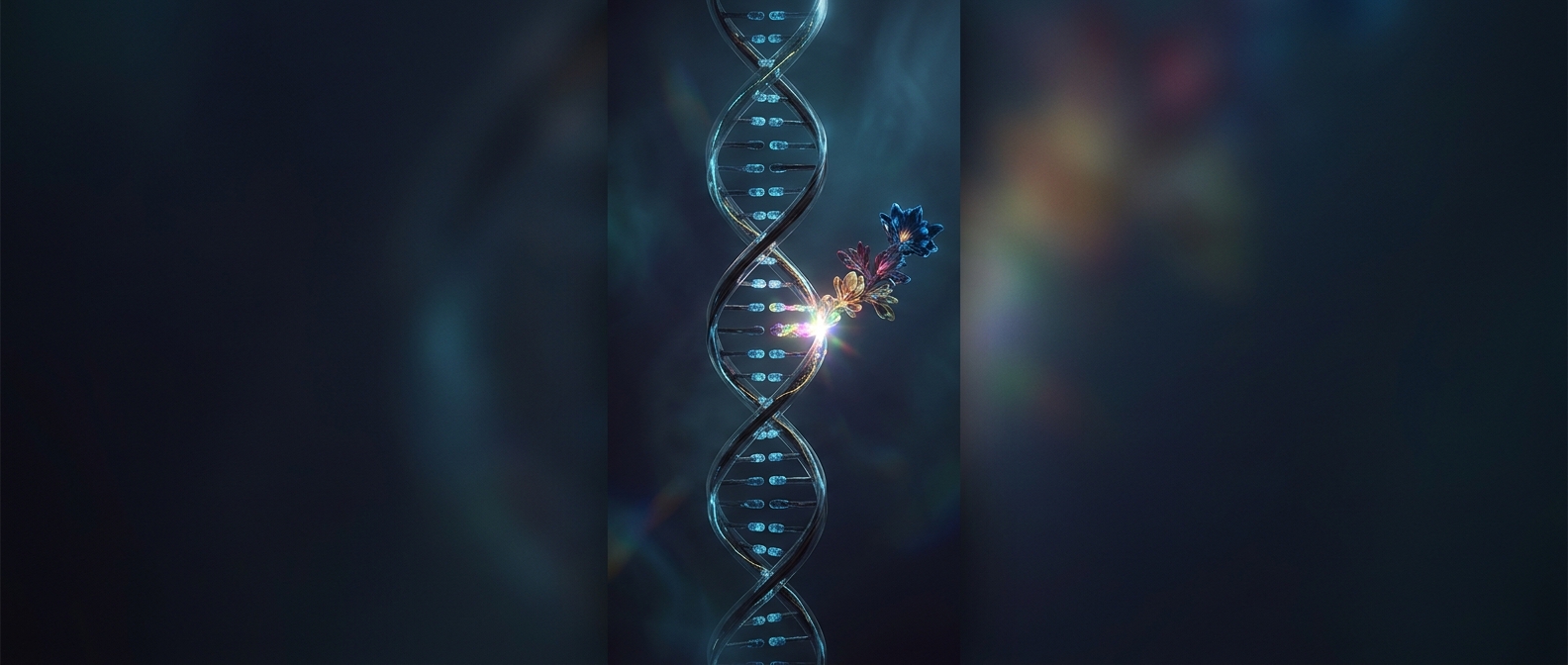
A gene is a stretch of DNA that helps guide the production of a functional product, often a protein. Its instructions are written in four chemical “letters.” When a cell copies DNA, a letter can be substituted, added, or lost; changes can also arise when DNA is damaged and repaired. The result is a new version, or variant, of that particular gene.
The effect depends on where the change lands. A DNA alteration may leave the protein unchanged, alter one of its building blocks, or affect when and how much of it is made. A small change can therefore have no noticeable effect, while another can alter a biological trait. The same mutation can matter differently in different genetic or environmental settings.
From one organism to a population
For a variant to be inherited, it generally must occur in an egg- or sperm-producing cell, or in the cells that give rise to them. A change confined to other body cells can affect that individual but usually is not passed to children.
Once inherited, a variant can become more or less common over generations. If it improves reproductive success in a particular setting, carriers may leave more descendants, increasing its share of the population. Harmful variants may become less common, while neutral ones can rise or fall by chance. These shifts are population-level evolution; the mutation itself does not arise because a species needs a particular solution.
That distinction explains why evolution has no ready-made supply of useful changes. A mutation introduces a new possibility at one genetic location; inheritance, chance, and conditions in the environment determine what happens to it next.