What changes when a domestic pig goes feral
A pig living outdoors can look increasingly wild without undergoing rapid genetic evolution. The first changes are often practical responses to its surroundings: seasonal shifts can make its coat thicker, and exposure to mud, rough ground, and weather can alter its appearance. These changes affect the animal’s body or condition, not the genes it passes on.
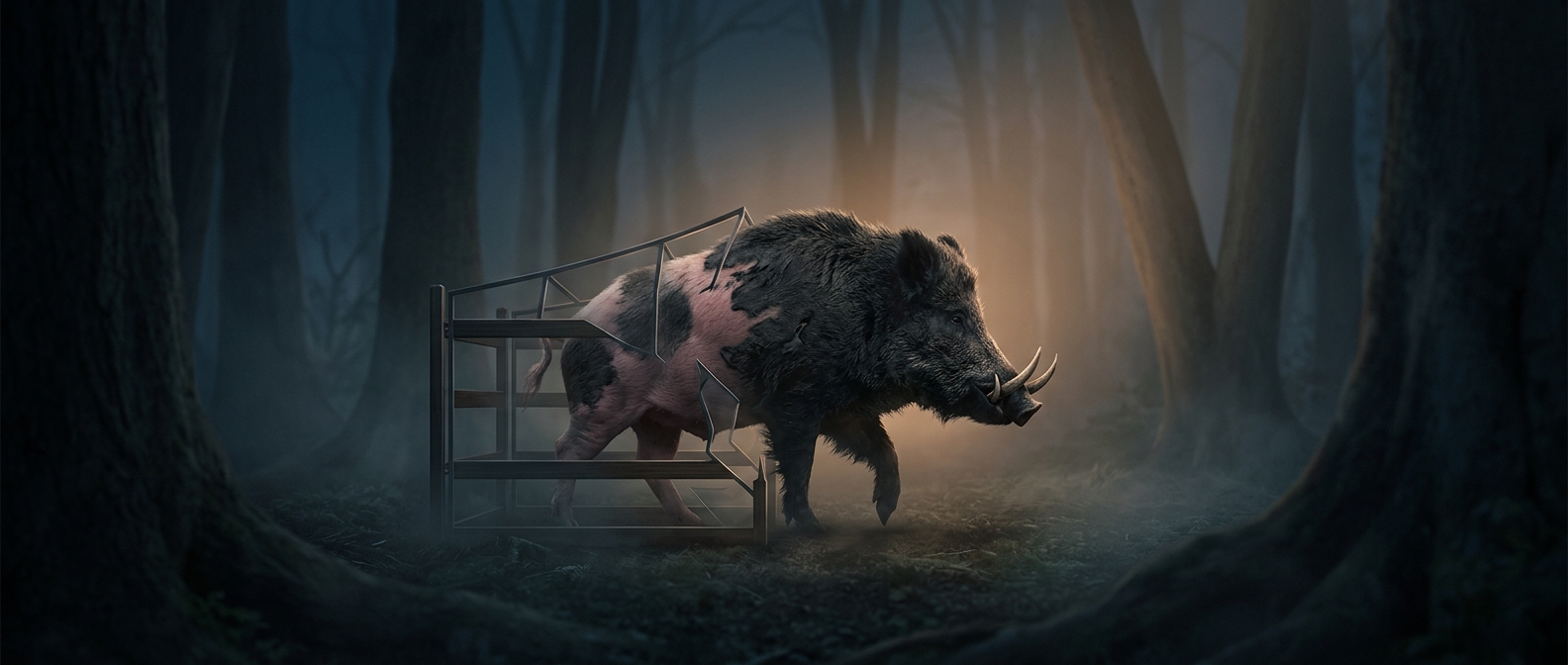
“Feral” describes a domestic animal living independently of people. It does not mean the animal has instantly become a different species or developed a wild ancestry. A pig can acquire a rougher, more boar-like look while still being descended primarily from domestic pigs.
Two clocks: seasonal change and inheritance
A coat can change within an individual’s lifetime. As seasons shift, the animal’s body responds to conditions by growing or shedding hair. That can make a pig look markedly different over a short period, but the change is not a new inherited trait.
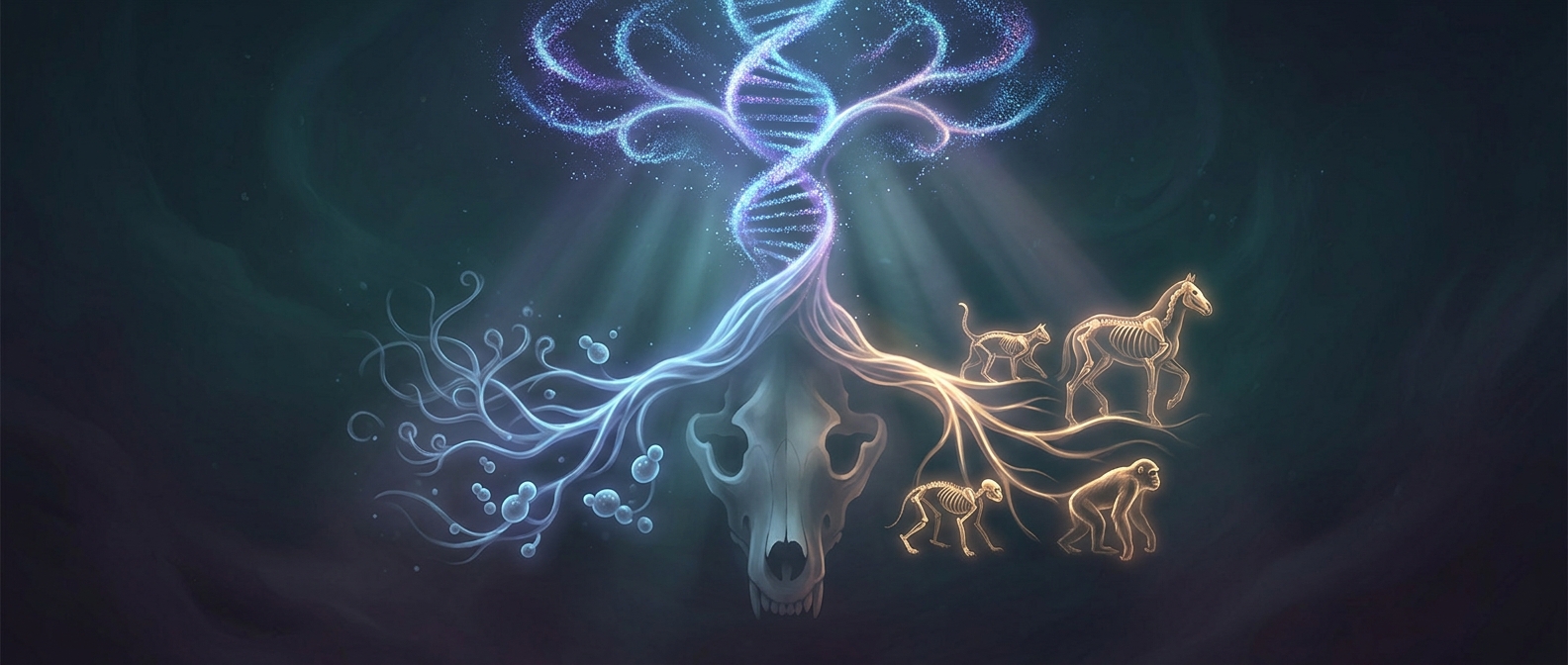
Evolution works across generations. It happens when inherited differences affect which animals survive and reproduce, so those traits become more common in a population. A few weeks is far too little time for that process to transform a pig’s inherited appearance.
How wild-looking traits can spread
Over generations, pigs living in the wild may come to show traits that help them cope with life outside farms. In some places, domestic pigs also breed with wild boars, introducing inherited traits from those animals. Either route takes generations, even if the resulting changes are conspicuous.
The useful distinction is between a pig changing its appearance and a population changing its inheritance. A feral pig may look wilder surprisingly quickly; the genetic story behind a genuinely inherited change unfolds on a much longer clock.