Why cell division keeps familiar instructions
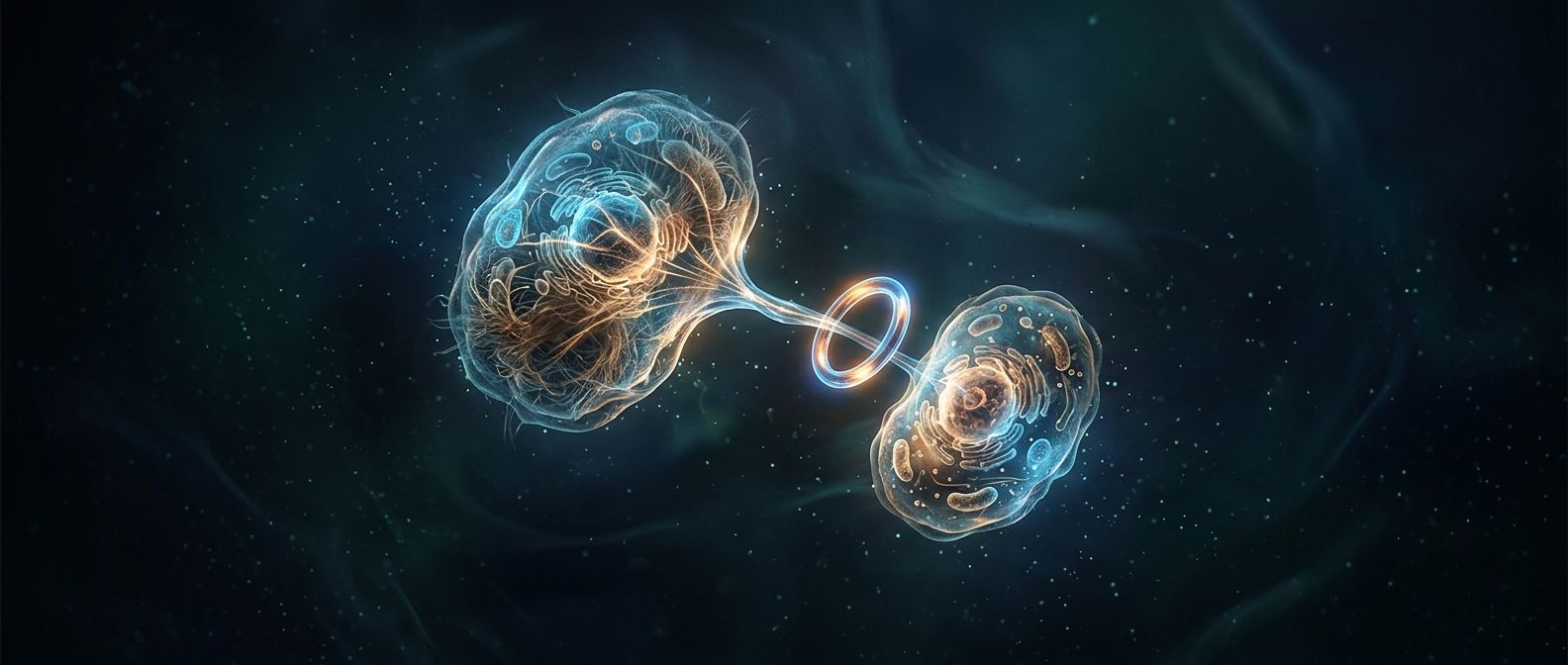
A cell cannot simply copy its contents and split. It must duplicate its DNA, check that the copies are ready, and distribute them so each new cell receives a workable set of instructions. Genes help build and regulate the proteins that carry out these steps.
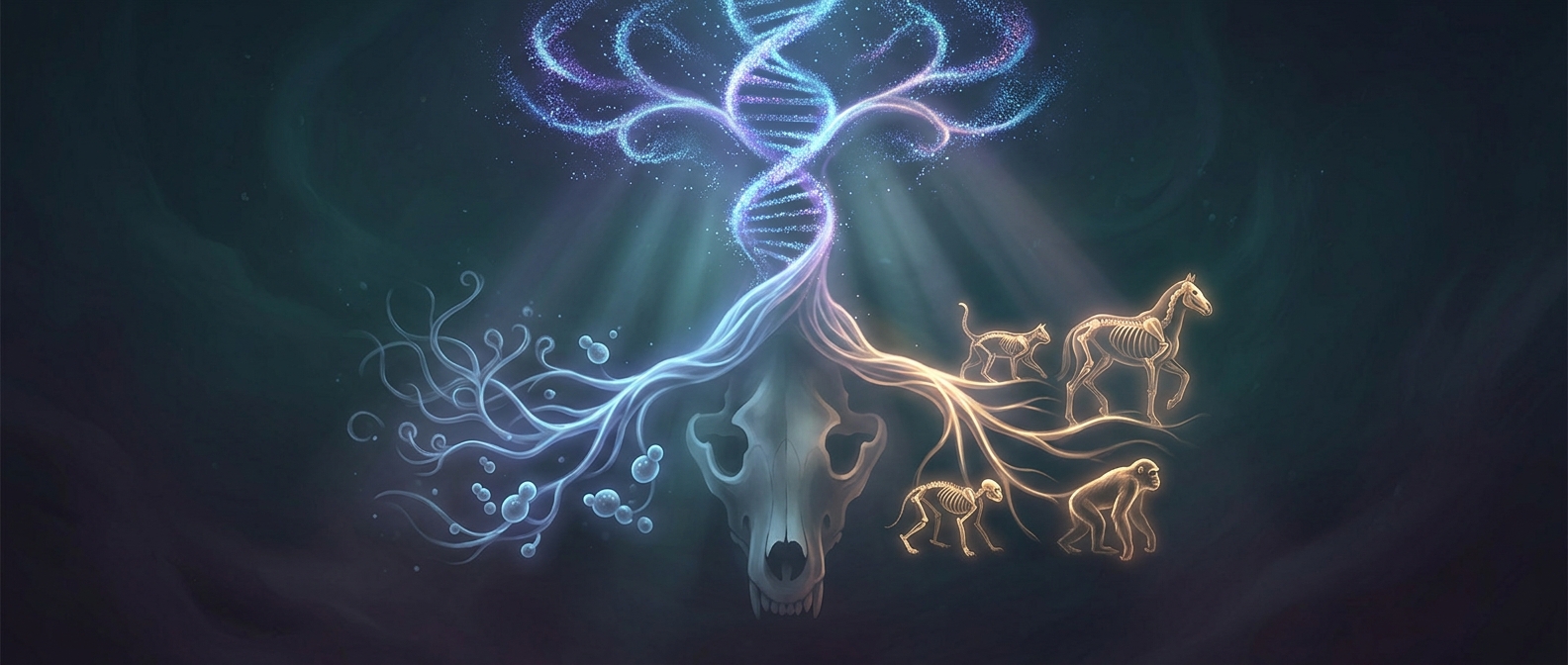
Many of those proteins descend from versions present in a distant common ancestor of yeast and humans. Across generations, mutations altered some details, but changes that disrupted this essential process could prevent cells from surviving or reproducing. Evolution therefore preserved many of the underlying molecular jobs—even as the organisms became vastly different.
What yeast can reveal—and what it cannot
Baker’s yeast is a single-celled organism, but its cells are built on the same broad plan as human cells: both have a nucleus and organize DNA into chromosomes. Scientists can alter yeast genes and watch what happens to division, making it possible to investigate a cell-cycle component in a comparatively simple setting.
That does not make yeast a miniature human. Human cells have additional layers of regulation, and the surrounding tissues and signals are different. A result in yeast can point to a basic mechanism worth testing in human cells, not prove that every detail works identically.
The useful surprise is that studying a humble organism can expose the ancient machinery beneath a process happening constantly in the human body: one cell becoming two.