Science
Discover facts about science. Small discoveries that change the way you see familiar things.
Science
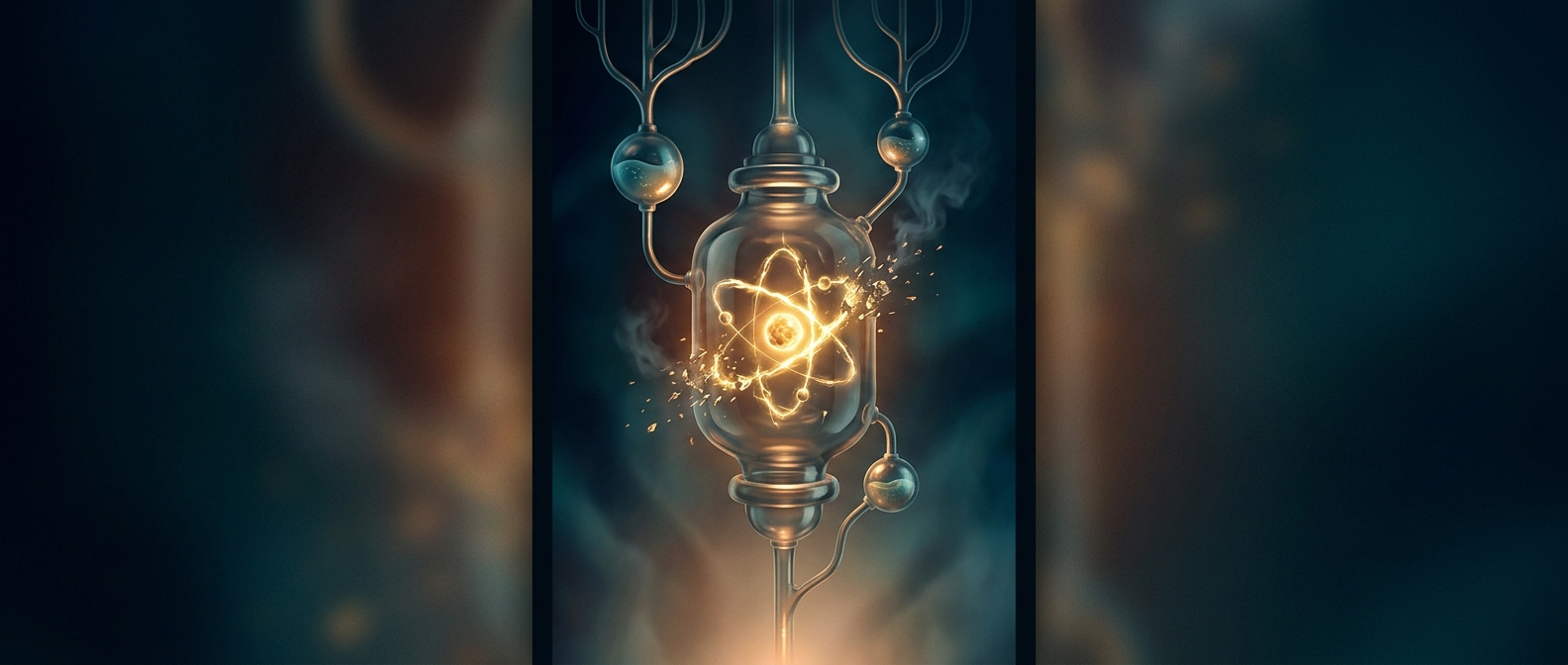
Promethium is entirely synthetic and inherently unstable
Promethium atoms decay, so any that form naturally tend not to stick around long enough to build up in rocks. Tiny amounts can still be made by natural…
Discover more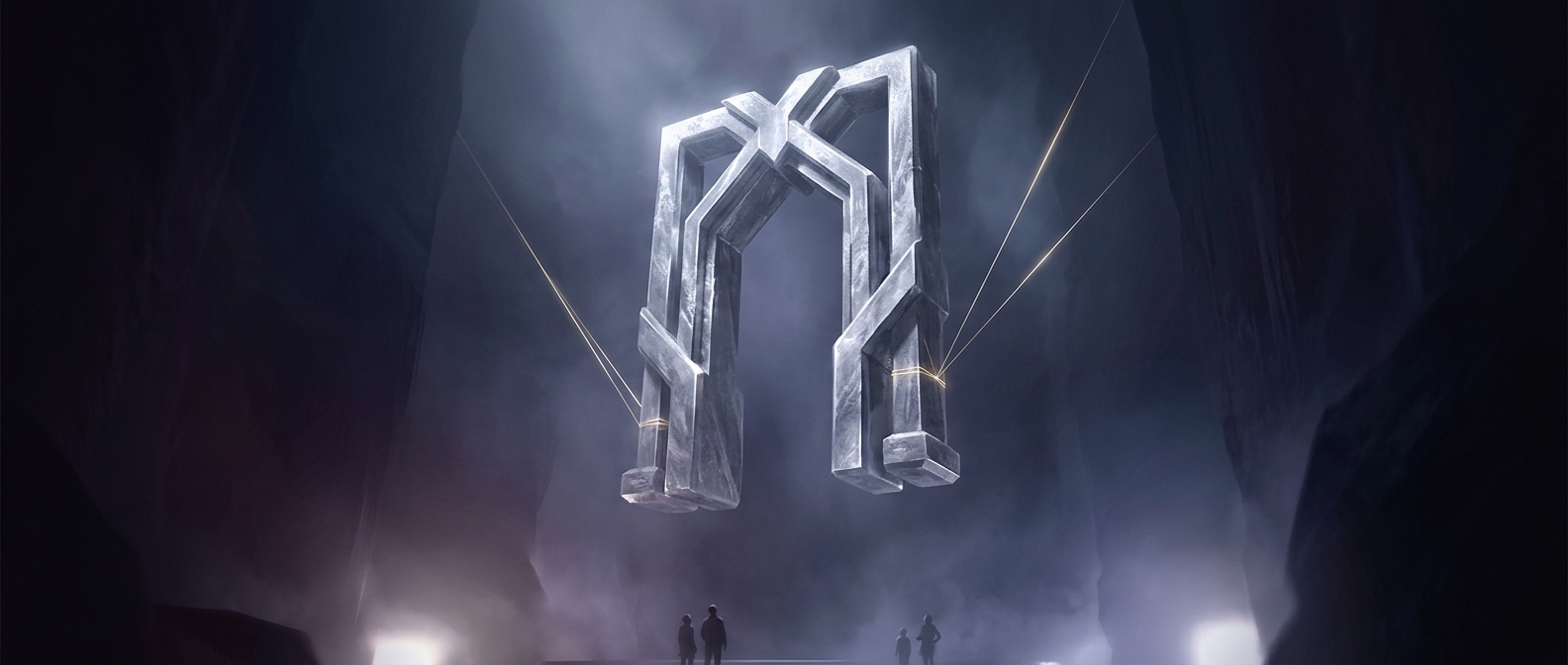
Beryllium is incredibly stiff yet impressively light
Beryllium can make a rigid part without making it heavy. Its crystal structure resists being stretched out of shape, so a beryllium component can bend less…
Discover more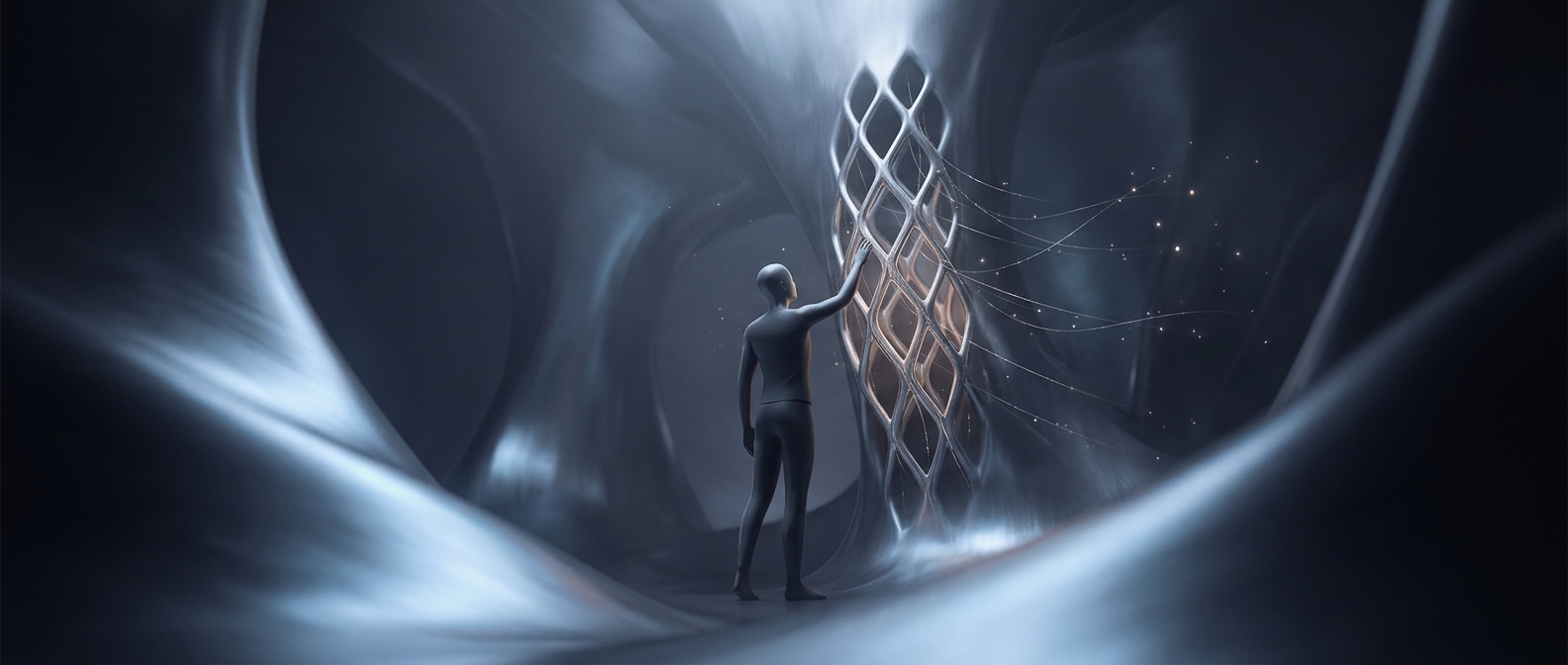
Scandium strengthens aluminum without adding any bulk
When metal bends, tiny defects move through its internal structure. Scandium-rich particles inside aluminum get in their way, making the alloy harder to…
Discover more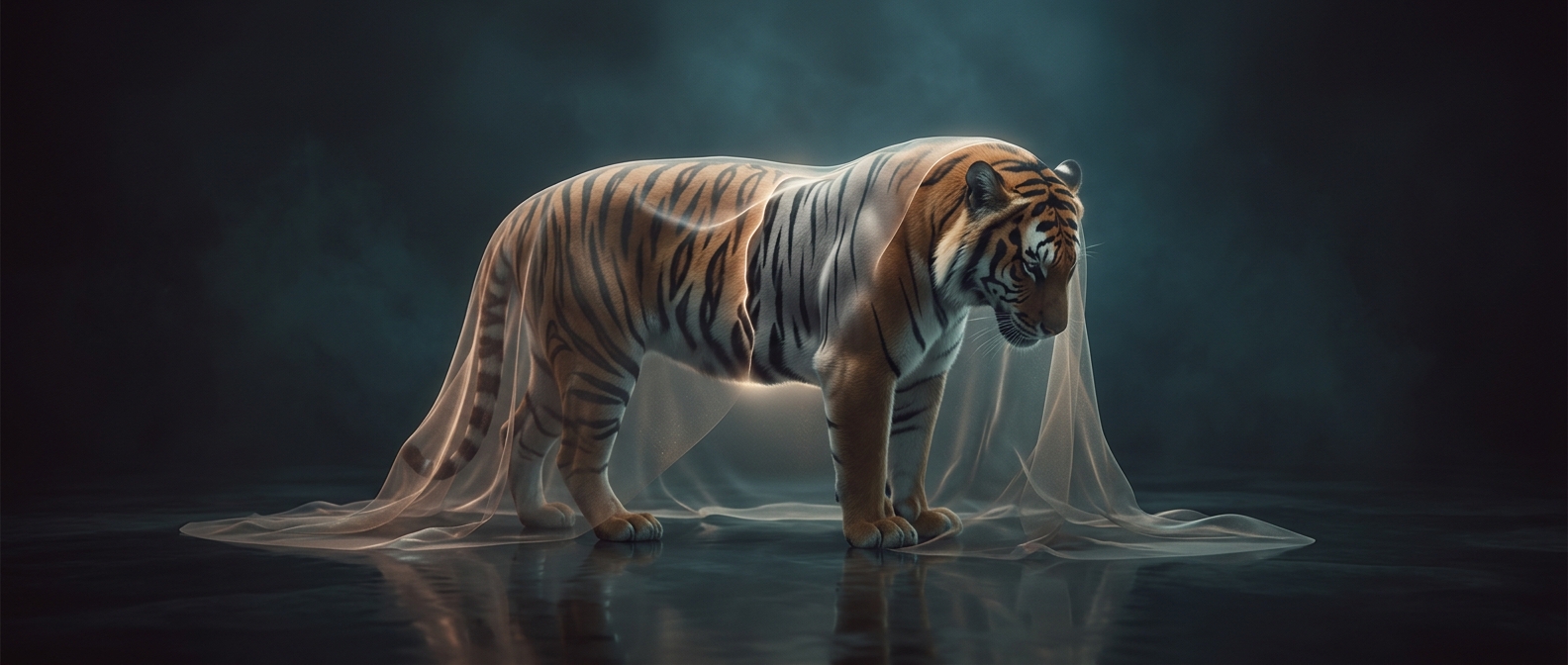
A tiger's stripes remain after you shave it
The stripes aren’t just colored hairs laid over plain skin. The skin itself has the pattern, so a shaved tiger would still look striped—just without the furry…
Discover more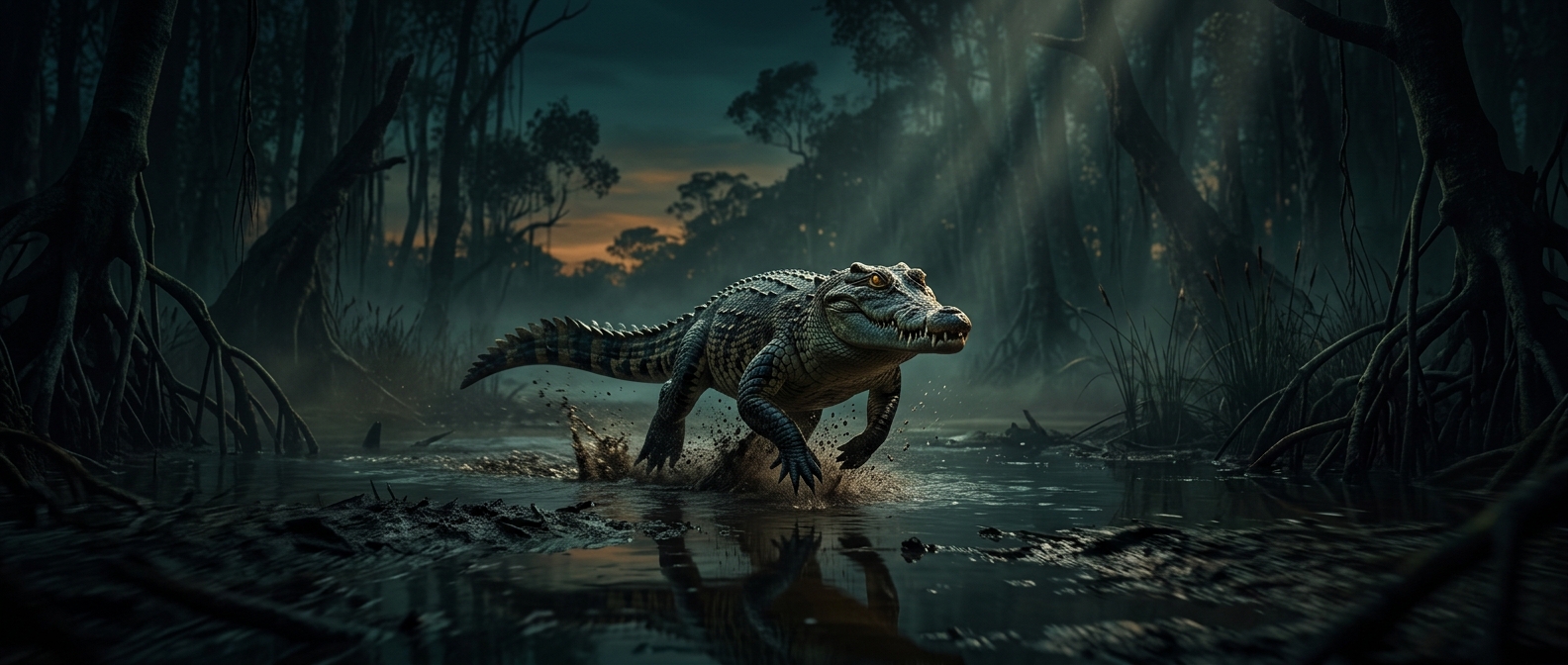
Australian crocodiles can gallop
A galloping crocodile lifts its belly clear of the ground and bounds on its legs, giving it a quick, springy burst of speed. That is very different from the…
Discover more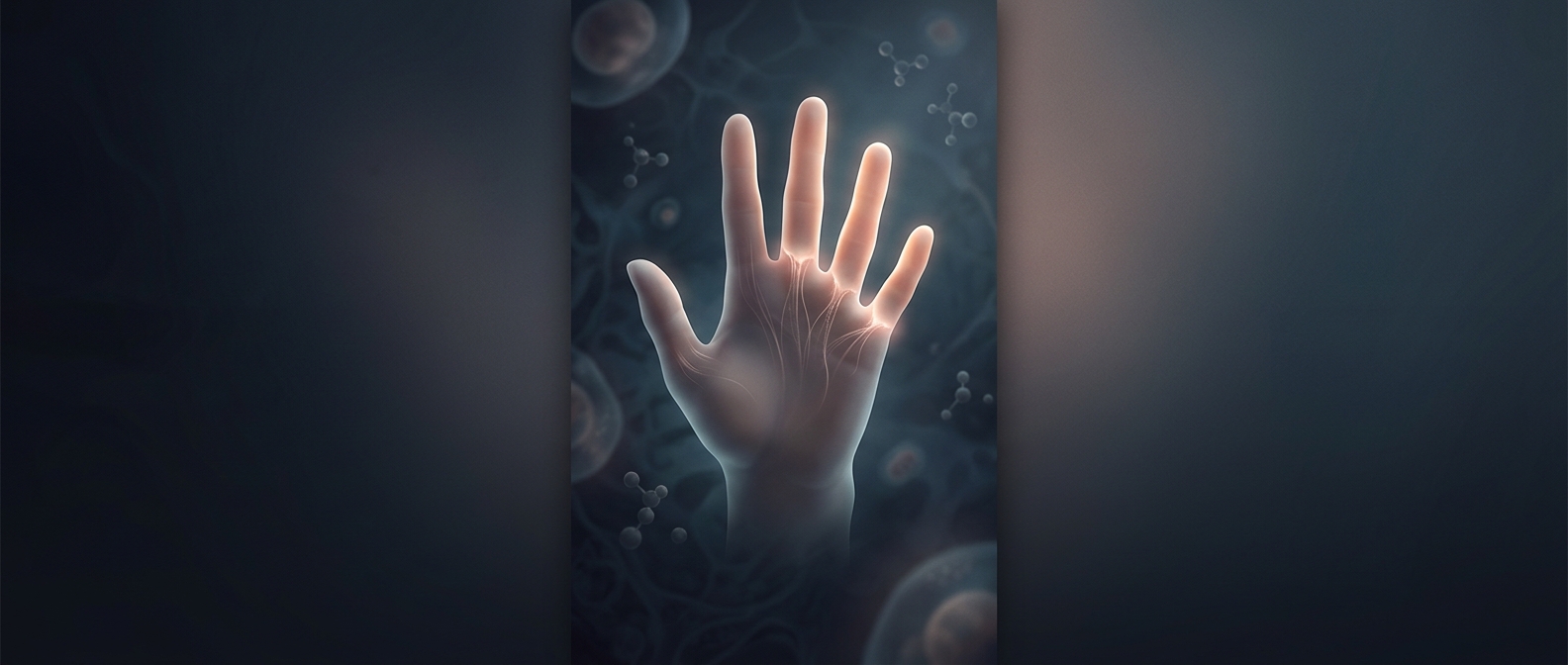
Your fingers were shaped by cellular self-destruction
Fingers take shape partly because the body removes tissue between them. Cells in those spaces undergo controlled self-destruction, and nearby cells clear away…
Discover more STACKY FOR IPHONE
A bigger world.
One discovery
at a time.
Keep discovering with Stacky. Interesting facts in an app that is always within reach.
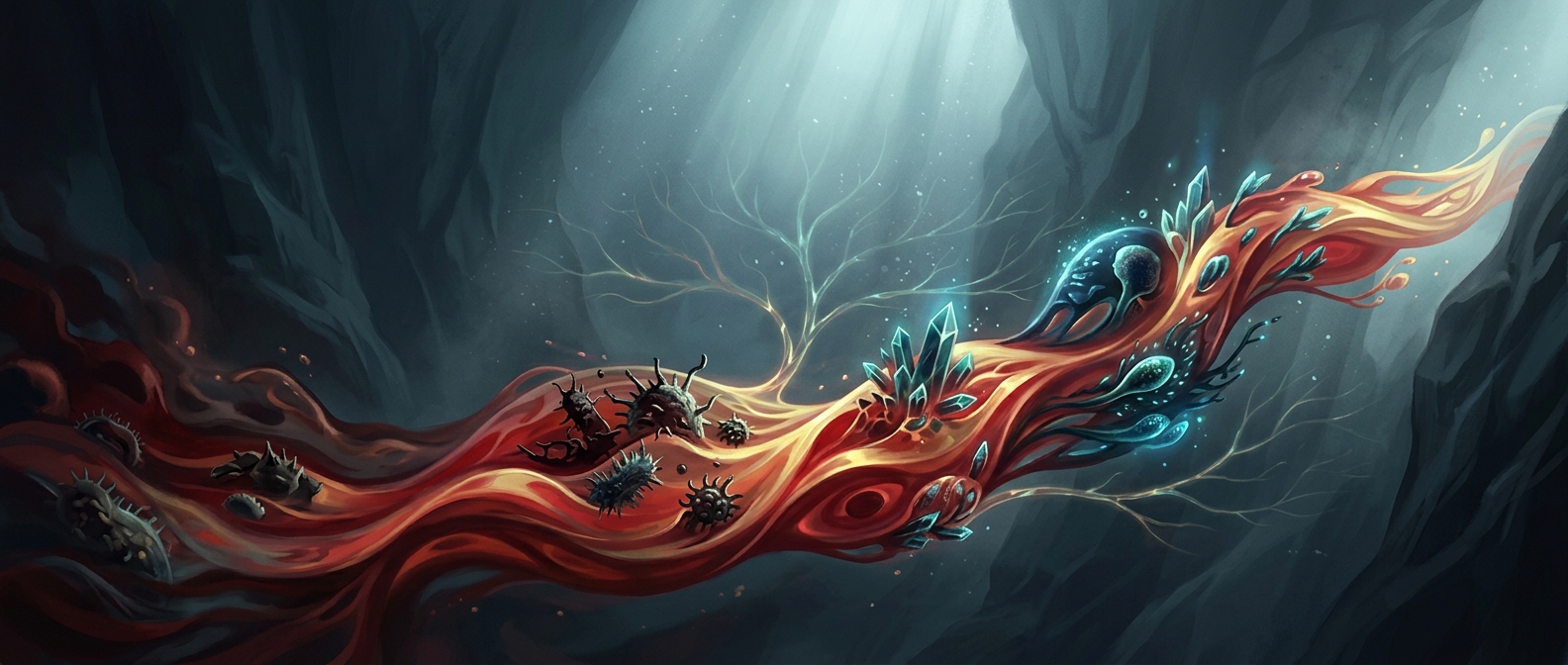
Why humans have different blood types
Blood types differ partly because red blood cells carry different surface markers, and those markers can affect how pathogens behave. In malaria, infected…
Discover more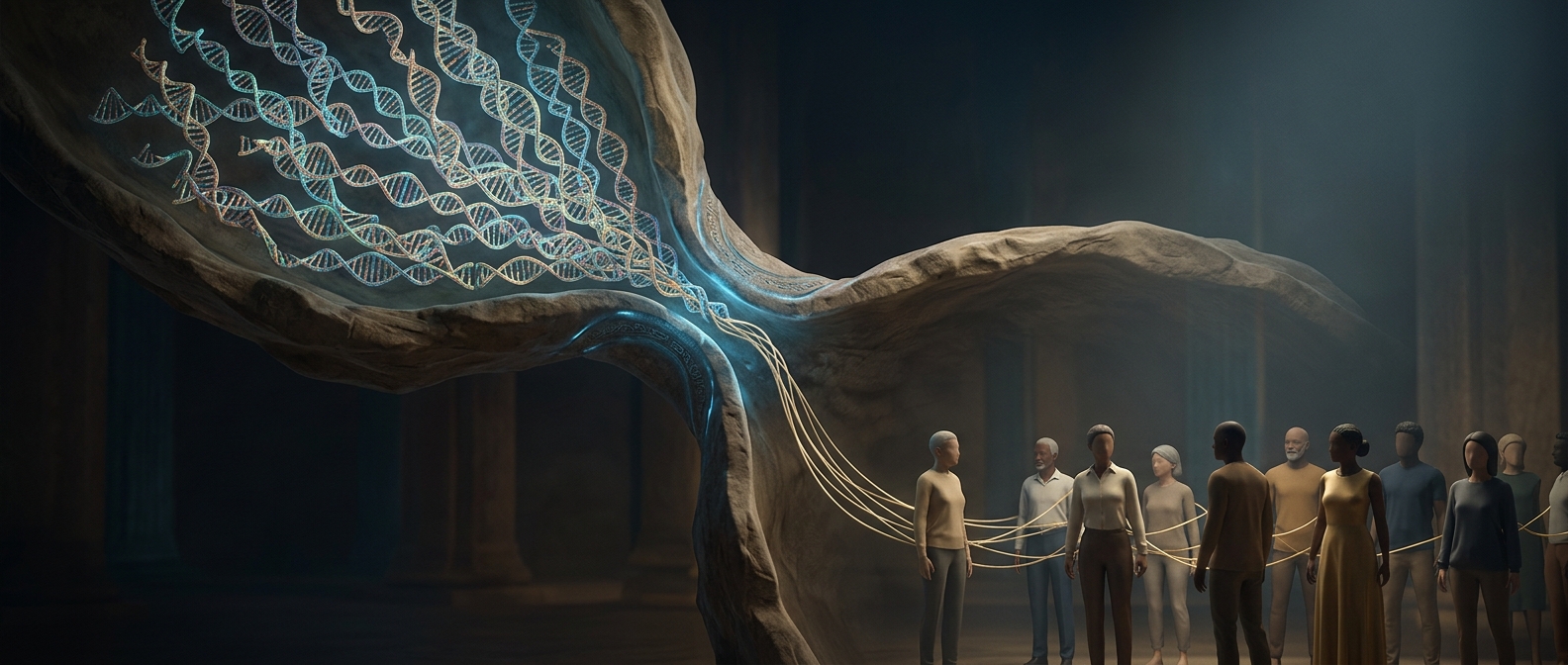
Why humans have surprisingly little genetic diversity
Imagine a recipe book losing pages, then being copied by the few people who still have copies. That’s what happens in a genetic bottleneck: survivors pass on…
Discover more
Your belly button is the scar you never outgrow
After birth, the umbilical cord stump dries up and falls away. The skin heals over the spot, leaving a scar whose shape depends on how that healing…
Discover more
Why some people can wiggle their ears
Cats can aim their ears at a sound because muscles around the outer ear swivel them toward it. Humans have related muscles, but they’re mostly leftovers and…
Discover more
Tendons anchor your muscles forcefully to your bones
Your muscle does the pulling; the tendon is the tough connector that delivers that force to bone. In your Achilles tendon, a little stretch stores energy and…
Discover more
A real neon sign only glows one color
Pure neon gas glows reddish-orange when electricity excites it. Other gases produce other colors, and phosphor coatings can shift the light again—so a blue…
Discover more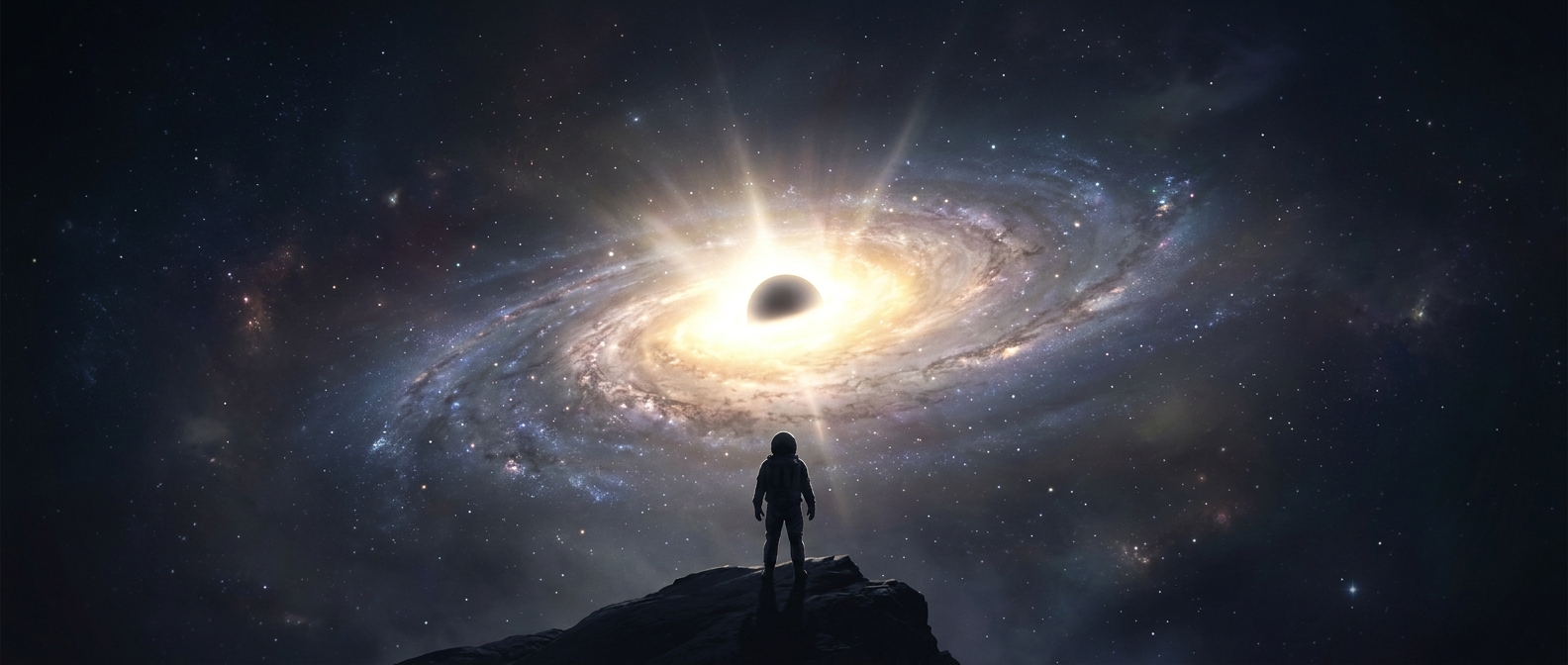
A quasar can outshine the entire galaxy surrounding its feeding black hole
A quasar shines because gas spiraling toward a black hole gets heated, not because the black hole itself glows. The inward-moving gas rubs and crashes against…
Discover more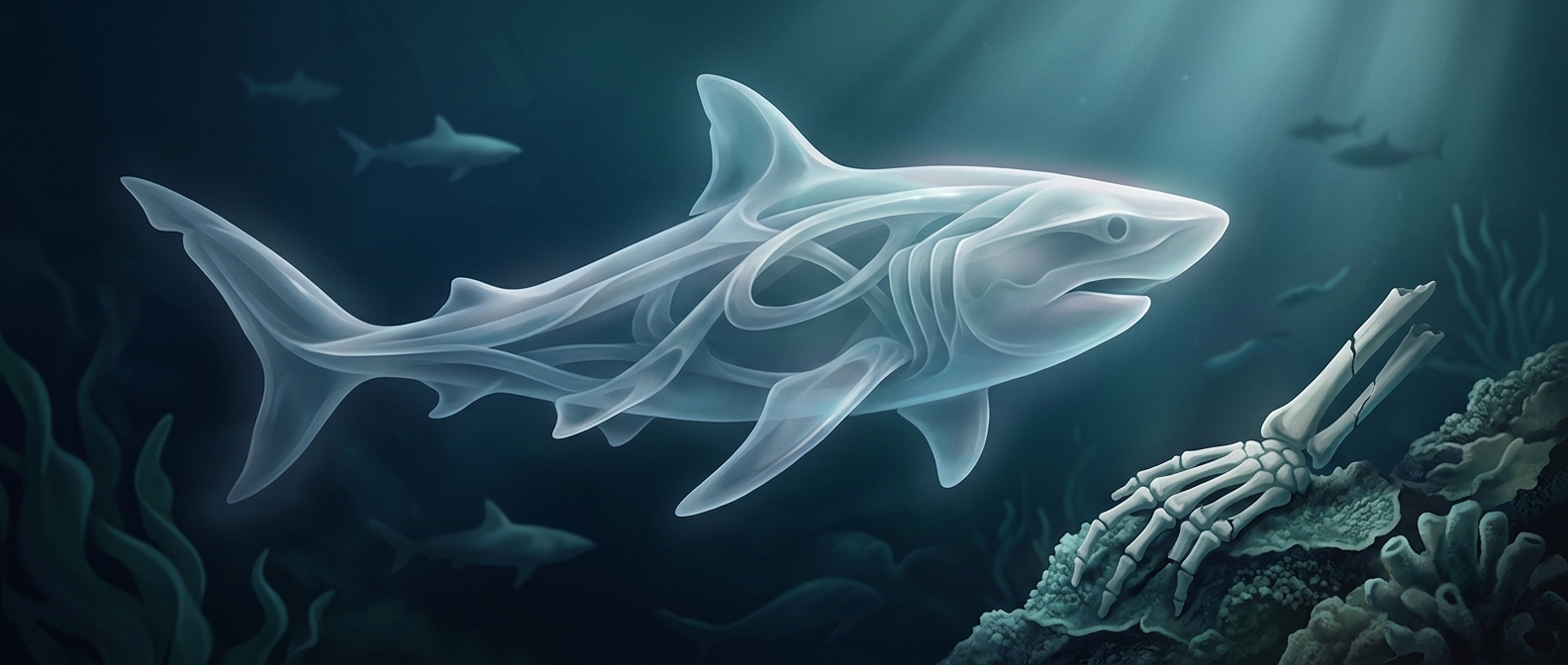
Sharks feature skeletal structures made strictly of cartilage
A shark’s skeleton is cartilage, but it isn’t all floppy. In high-stress spots such as the jaws, calcium salts stiffen the cartilage, while the rest stays…
Discover more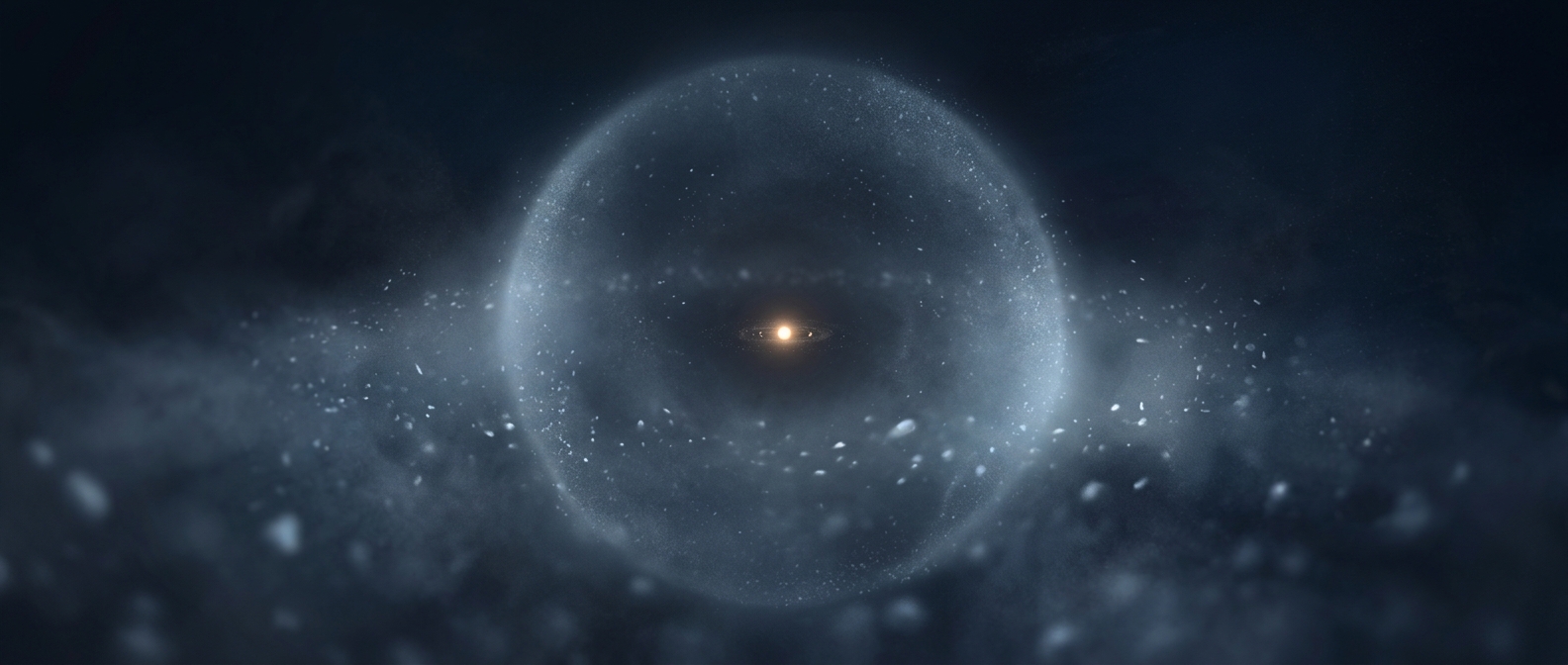
Oort cloud completely surrounds the solar system
Some comets swing around the Sun on such long, unusual paths that astronomers infer a distant storehouse of icy bodies sending them inward. Those comets are…
Discover more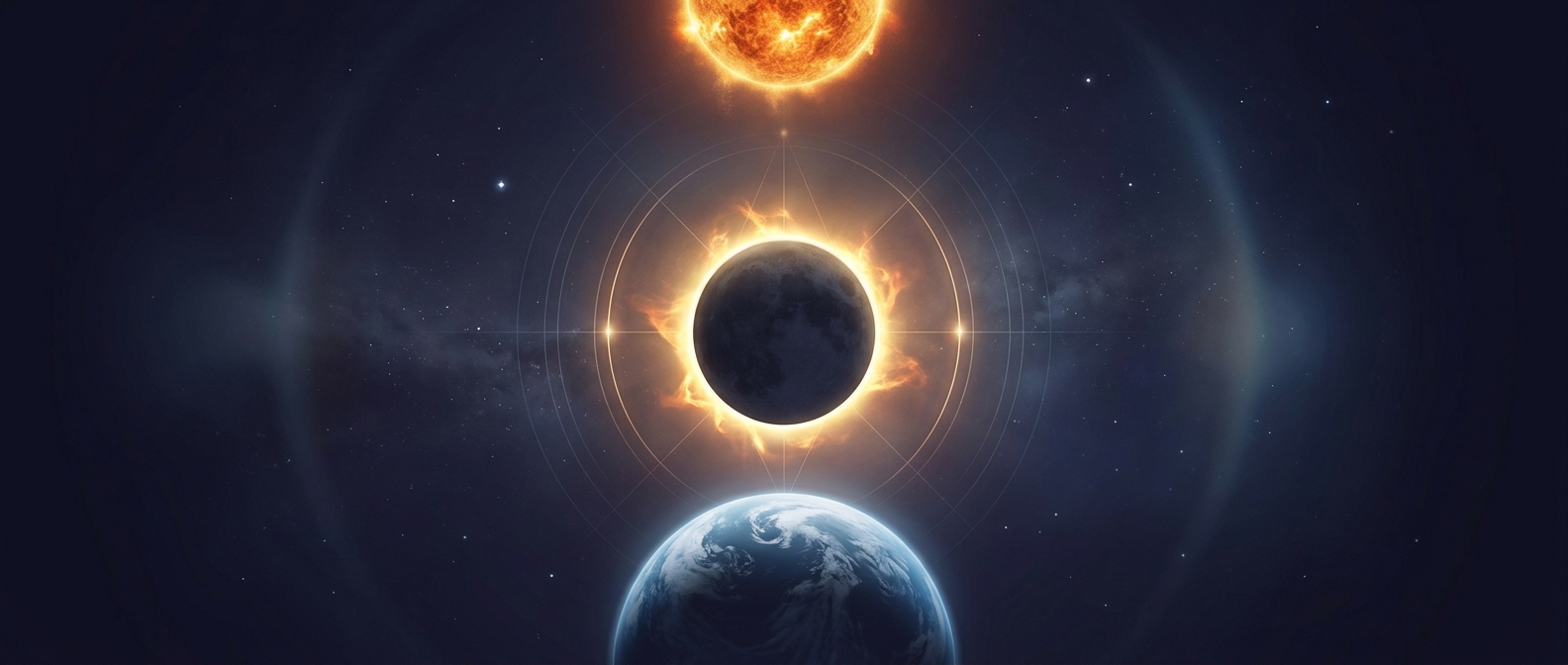
Solar eclipses require precise celestial alignment
A total solar eclipse depends on the Moon looking large enough to cover the Sun. As the Moon gradually recedes from Earth, its apparent size shrinks until it…
Discover more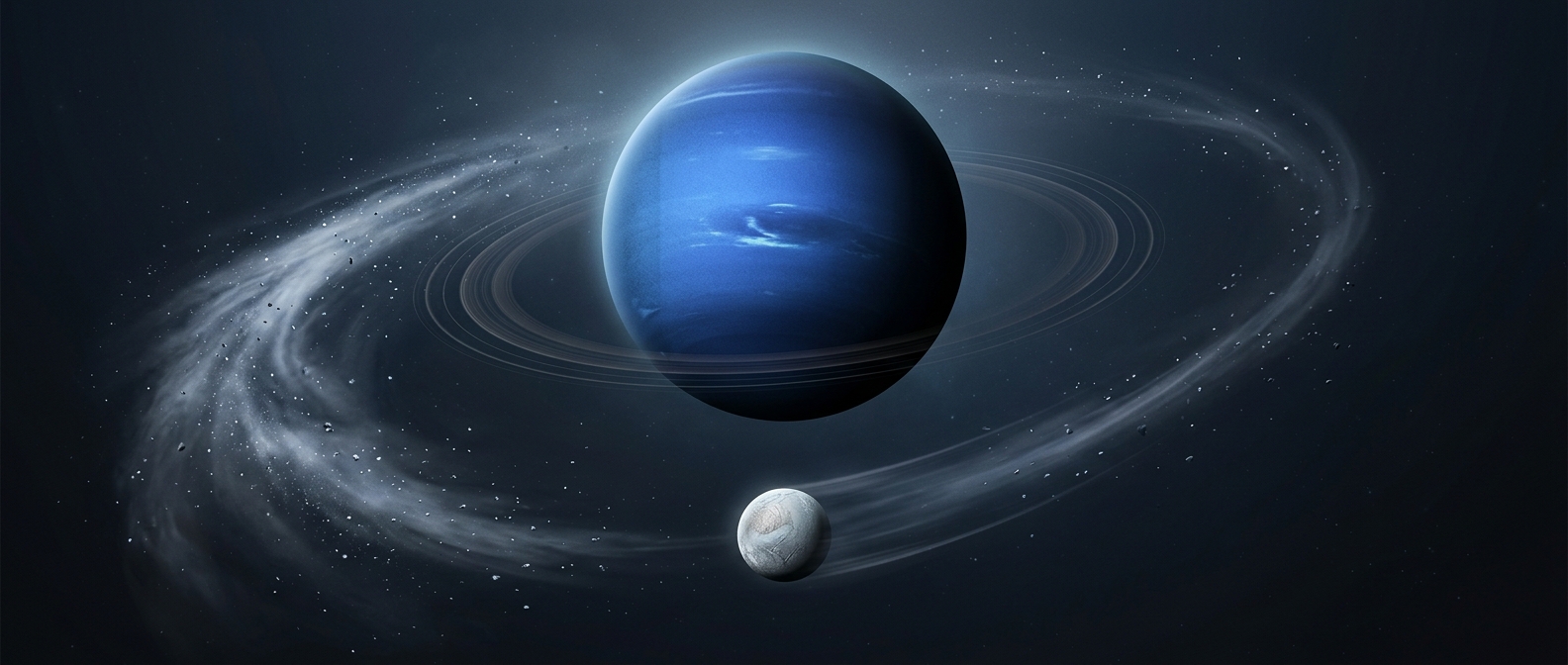
Triton orbits Neptune the wrong way
Triton’s backward orbit is slowly carrying it inward. Neptune’s gravity raises tides on the moon, and the interaction drains energy from its orbit. Far in the…
Discover more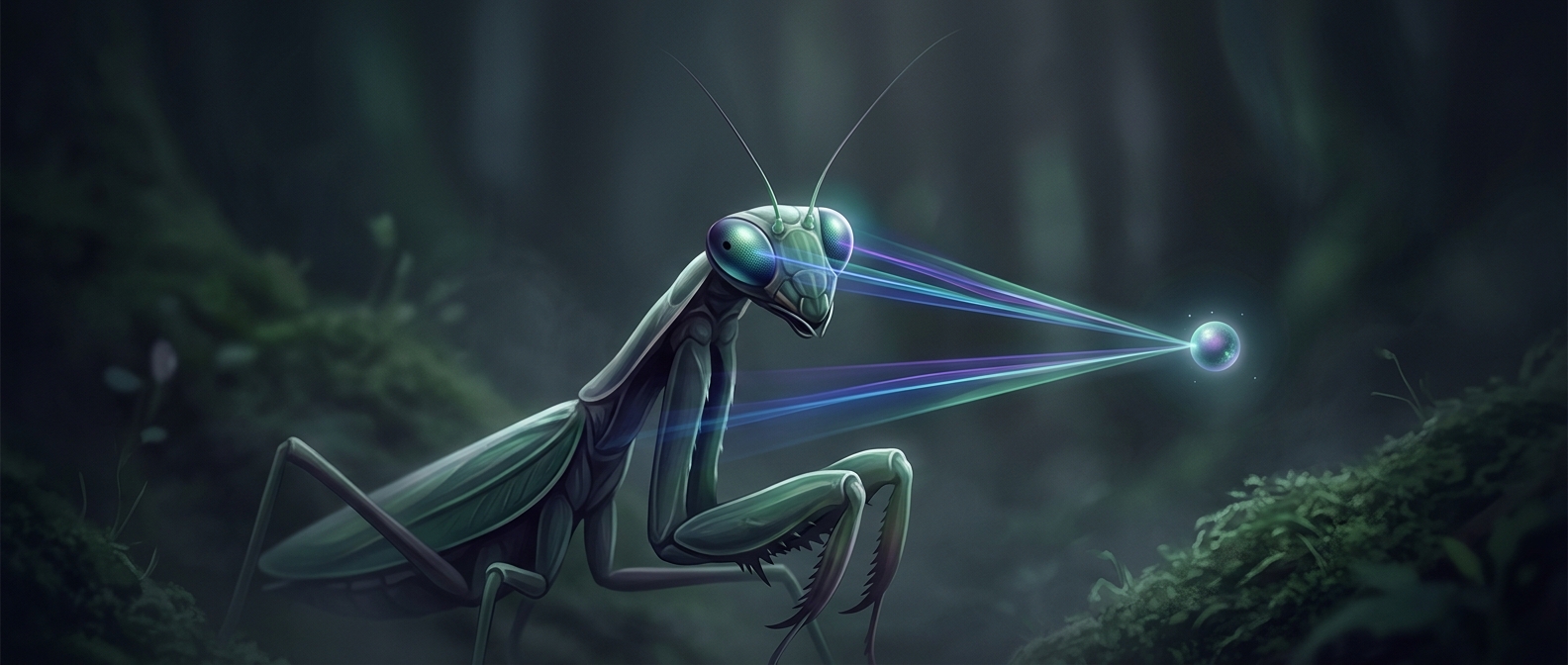
Mantises feature highly specialized stereoscopic vision
A mantis gets a distance clue by comparing the slightly different views from its two large eyes. That helps it judge how far away prey is before launching a…
Discover more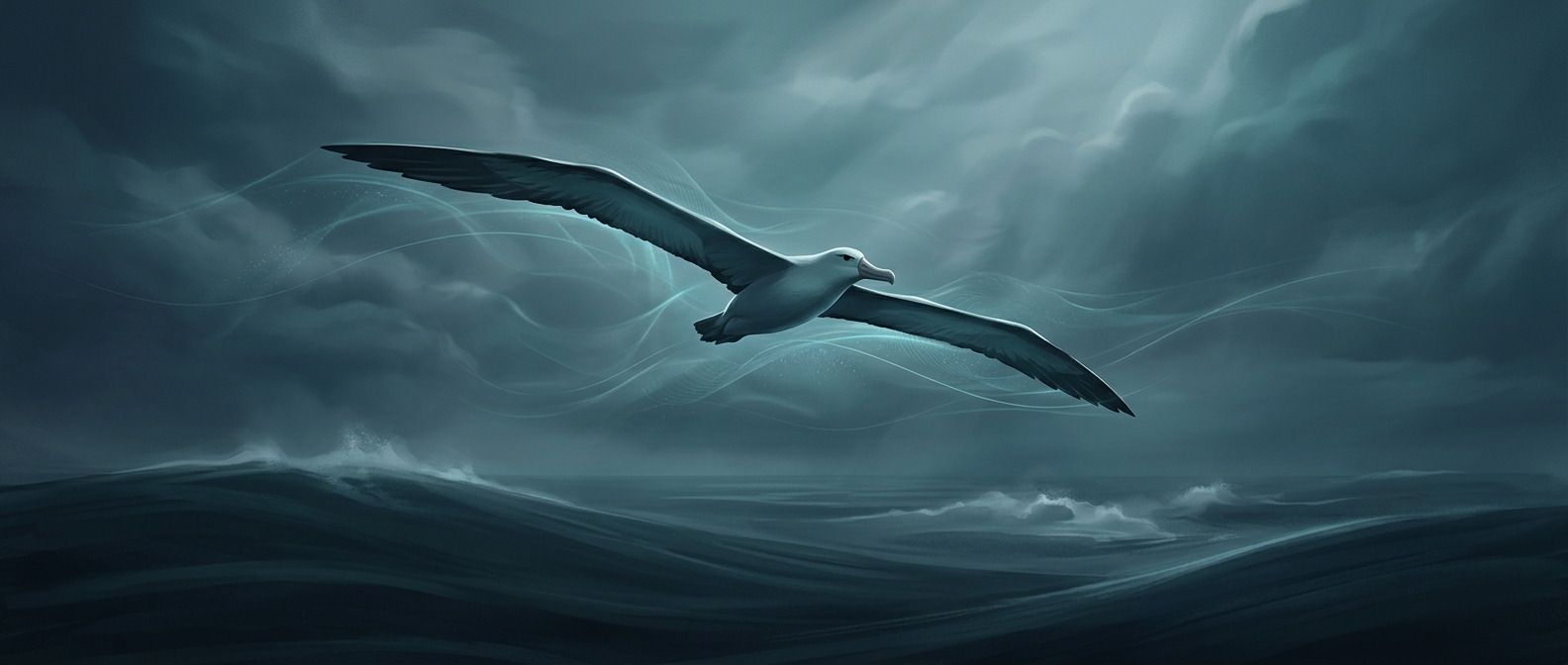
Albatrosses harvest energy from changing wind
They climb into faster air above the waves and sweep back toward the slower air near the surface. Repeating this cycle, called dynamic soaring, lets them…
Discover more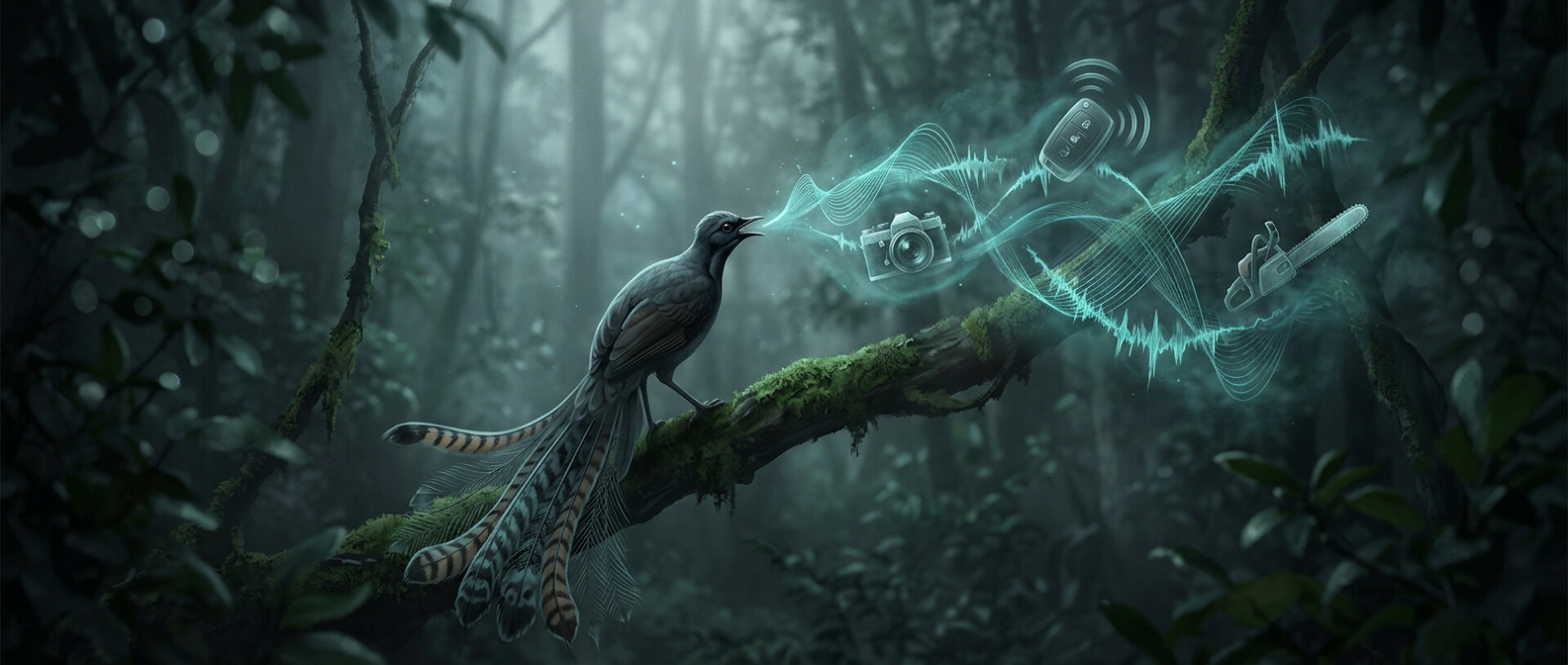
A lyrebird's love song can borrow other animals' voices
Male lyrebirds build elaborate displays around learned sounds, especially imitations of other birds. Some individuals also reproduce human-made noises…
Discover more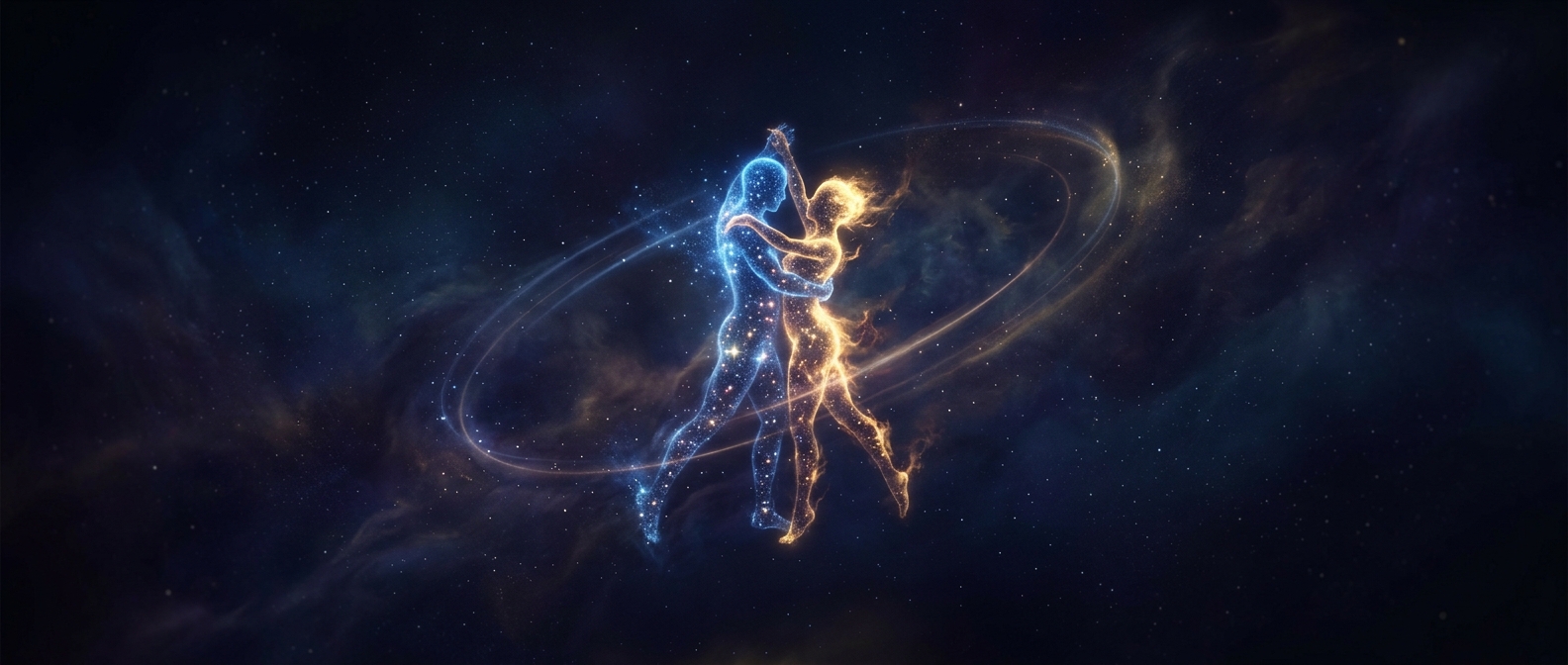
Some stars orbit so closely they steal material
In a close pair of stars, one can pull gas away from its companion. The gas often spirals into a hot disk around the receiving star instead of falling…
Discover more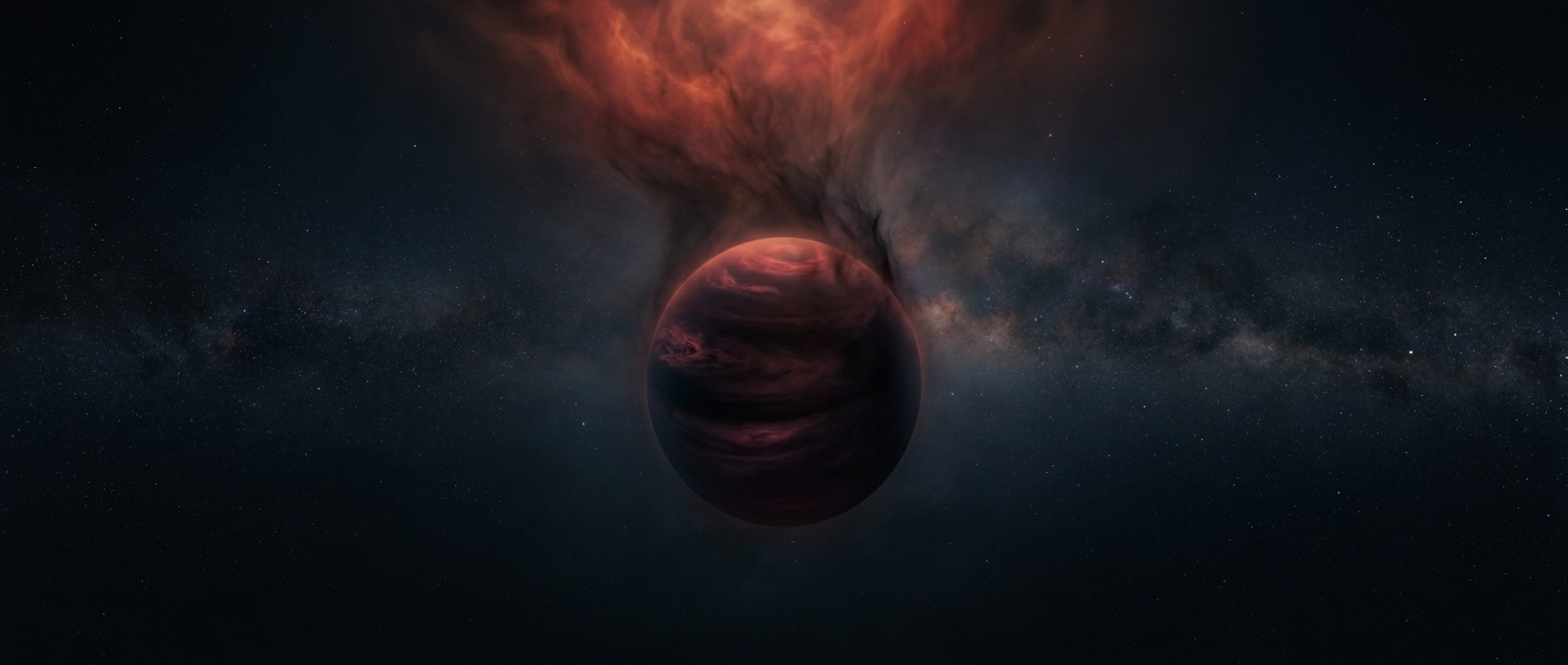
Brown dwarfs are stars that never ignited
Brown dwarfs shine without sustaining the hydrogen fusion that powers the Sun. Some briefly fuse deuterium, a heavier kind of hydrogen, but much of their…
Discover more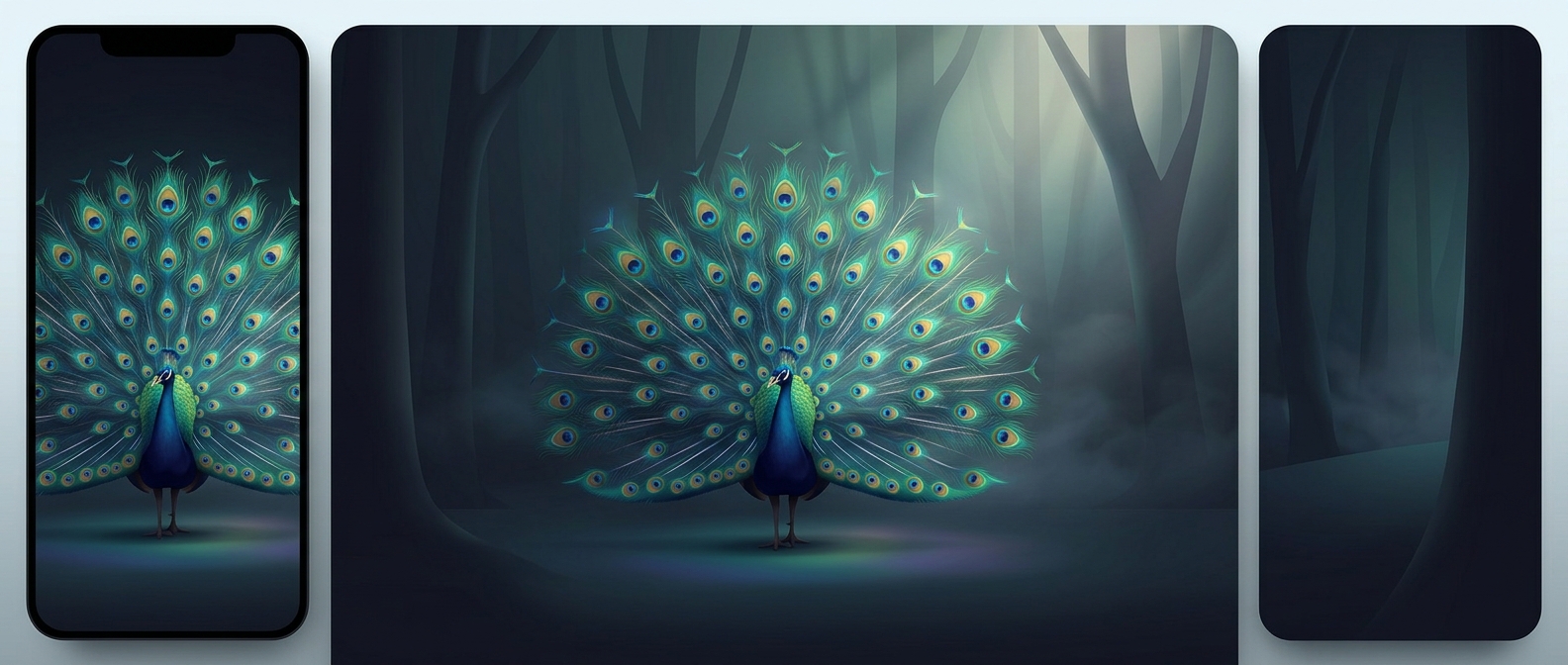
Peacocks display massive iridescent tail feathers
A peacock feather’s tiny layers reflect light like a stack of microscopic mirrors. Their reflections reinforce some colors and cancel others; shift your…
Discover more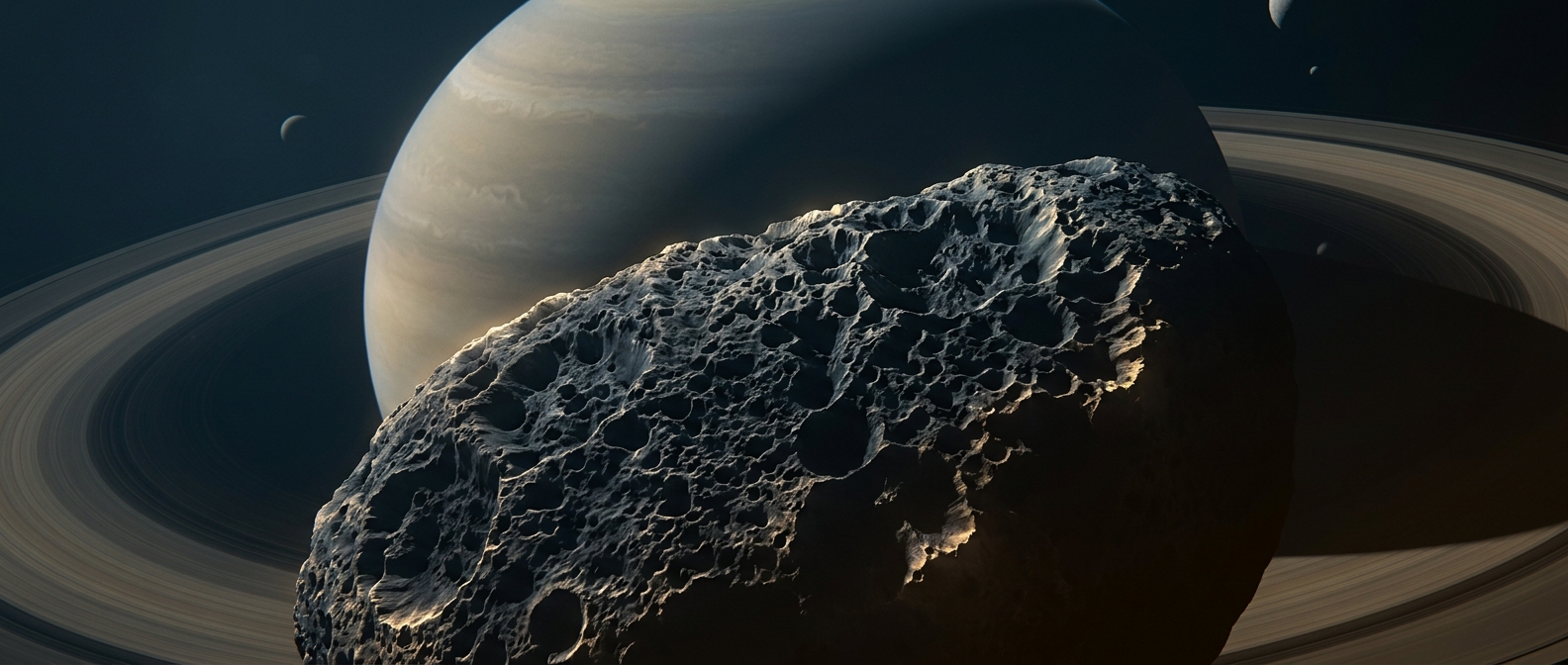
Saturn's moon Hyperion looks like a cosmic sponge
A smooth, balanced moon could spin steadily; Hyperion is shaped more like a cosmic sponge. Titan’s gravity gives it small, changing tugs, which can disrupt…
Discover more