How a population can grow without regaining its old genetic variety
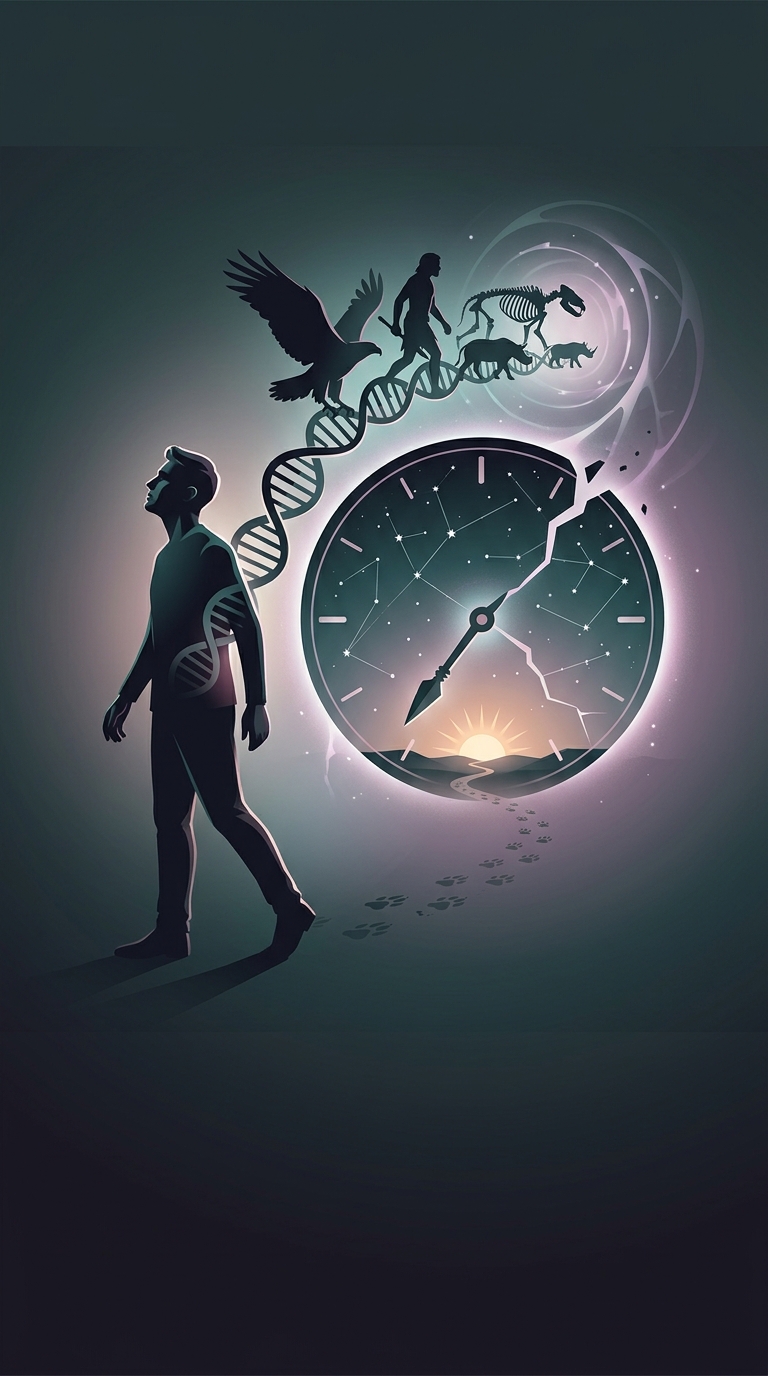
A population’s genetic diversity is not the same as its head count. It depends on how many versions of genes—called alleles—are present and how common they are. A population can expand rapidly while carrying only a fraction of the variants its ancestors had.
The loss happens by chance as well as through survival. If only a small group contributes offspring after a population crash, some variants may be absent from that group altogether. Others may survive in just one or two individuals, making them easy to lose in later generations. This random change in variant frequencies is called genetic drift.
Why growth does not undo the loss
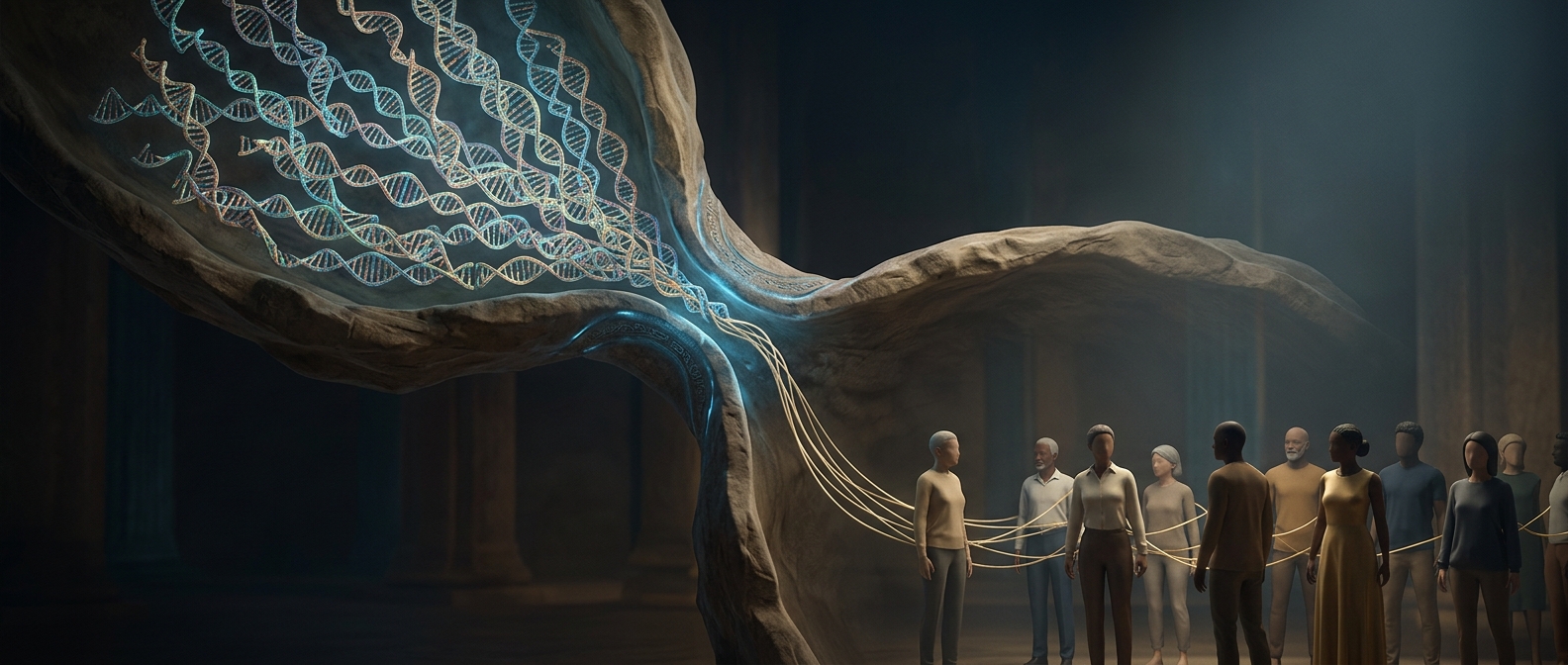
When the surviving population becomes larger, its members pass their existing variants to more descendants. But copying a variant many times does not recreate one that vanished. New variants can arise through mutation, and migration can bring variants from other populations, but both take time or depend on outside sources of genetic material.
That is why a population’s recent size can be a poor guide to its genetic variety. A large population may descend from a relatively small set of ancestors, while a smaller population with a different history may retain a broader mix of variants.
What the pattern can—and cannot—tell us
Genetic bottlenecks leave a lasting imprint on which variants remain and how frequently they occur. Researchers can use those patterns to investigate population history, though no single genetic measure captures every kind of diversity. The practical consequence is simple: a population can become numerous again long before its lost genetic options return.