How a Feather Builds Color from Structure
A peacock’s brilliant blue and green are not simply dyes painted into the feather. Much of the effect comes from structural color: light interacting with the feather’s microscopic arrangement of material. In the colored bars of each feather, tiny structures in the surface and within the barb—the fine branches that make up the feather—reflect light in ways that favor some wavelengths over others.
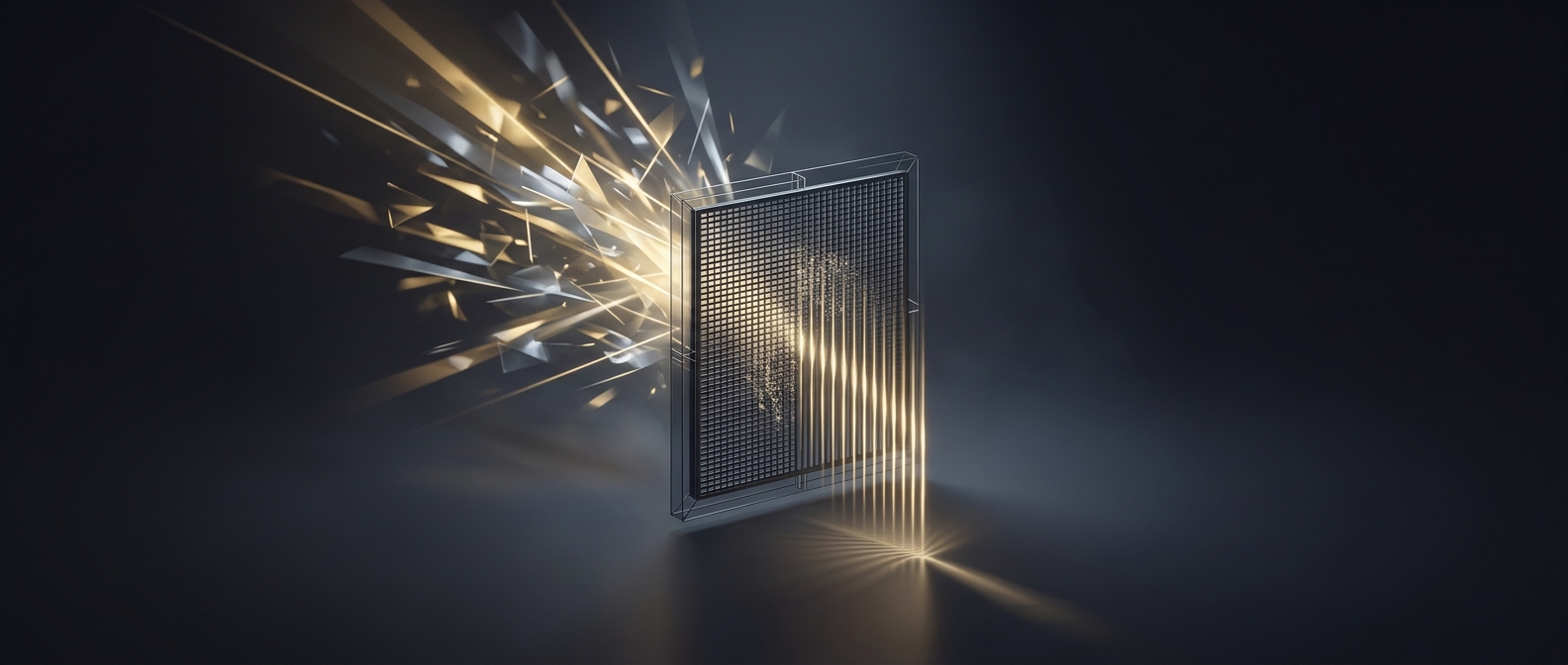
When light waves reflected from neighboring layers meet, their peaks can reinforce one another, while other waves partly cancel. The wavelengths reinforced most strongly are the colors that reach your eye. Because the reflected light depends on the spacing and arrangement of these microscopic features, moving your head changes which colors are most prominent. That shifting shimmer is why the feather can look different from different angles, unlike a surface colored only by pigment.
The Pattern Is Part of the Display
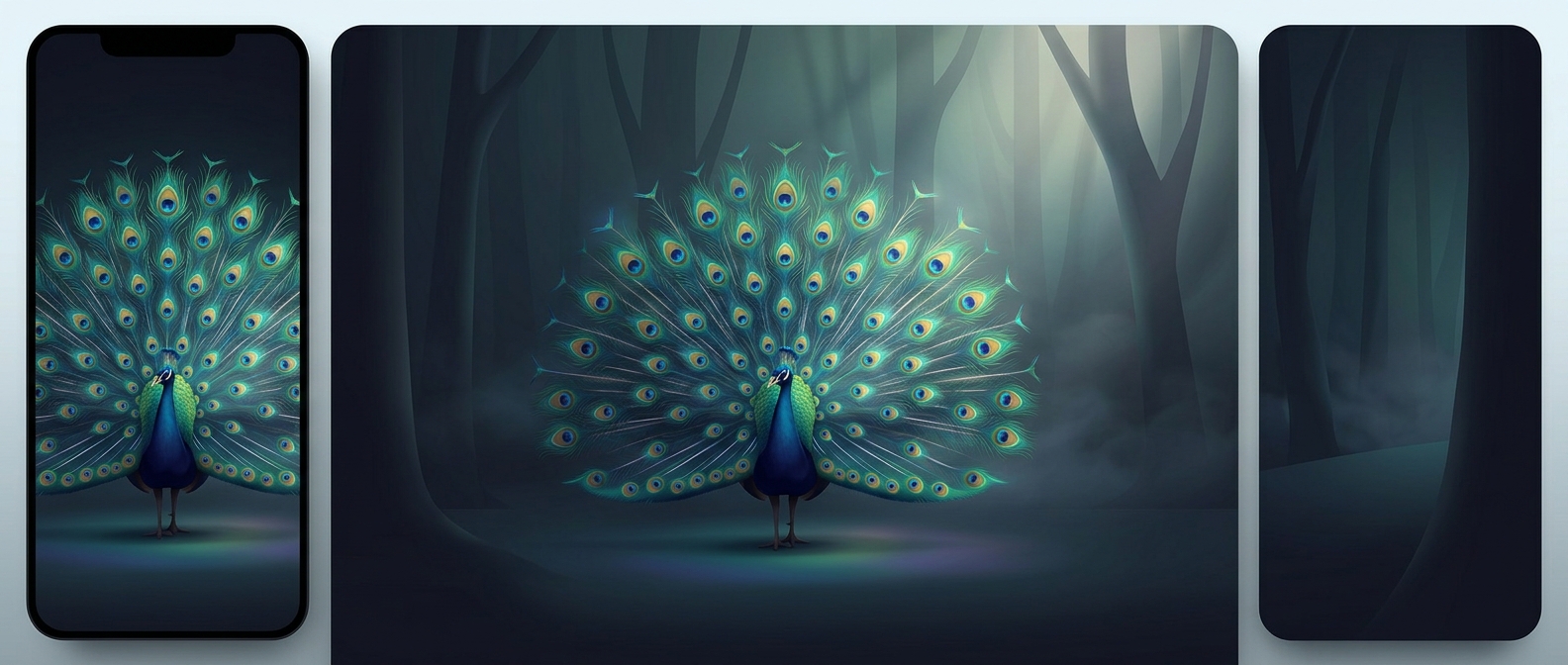
The familiar “eye” on a peacock feather is formed by bands of color arranged across the feather’s surface. The microscopic structures create the iridescence; the larger pattern organizes it into a conspicuous mark. Together, the color and pattern make the tail visible and striking during a display.
The long feathers are not a rigid fan of solid panels. They are lightweight, flexible structures that the bird can raise and spread, turning many individual feathers into a broad visual surface. As the bird moves, changing angles make the colors flash and shift. The display’s impact comes from both scales at once: microscopic architecture shaping the light, and a moving fan arranging that light into a pattern another peacock can see.