Why a mixed picture can suddenly become extreme
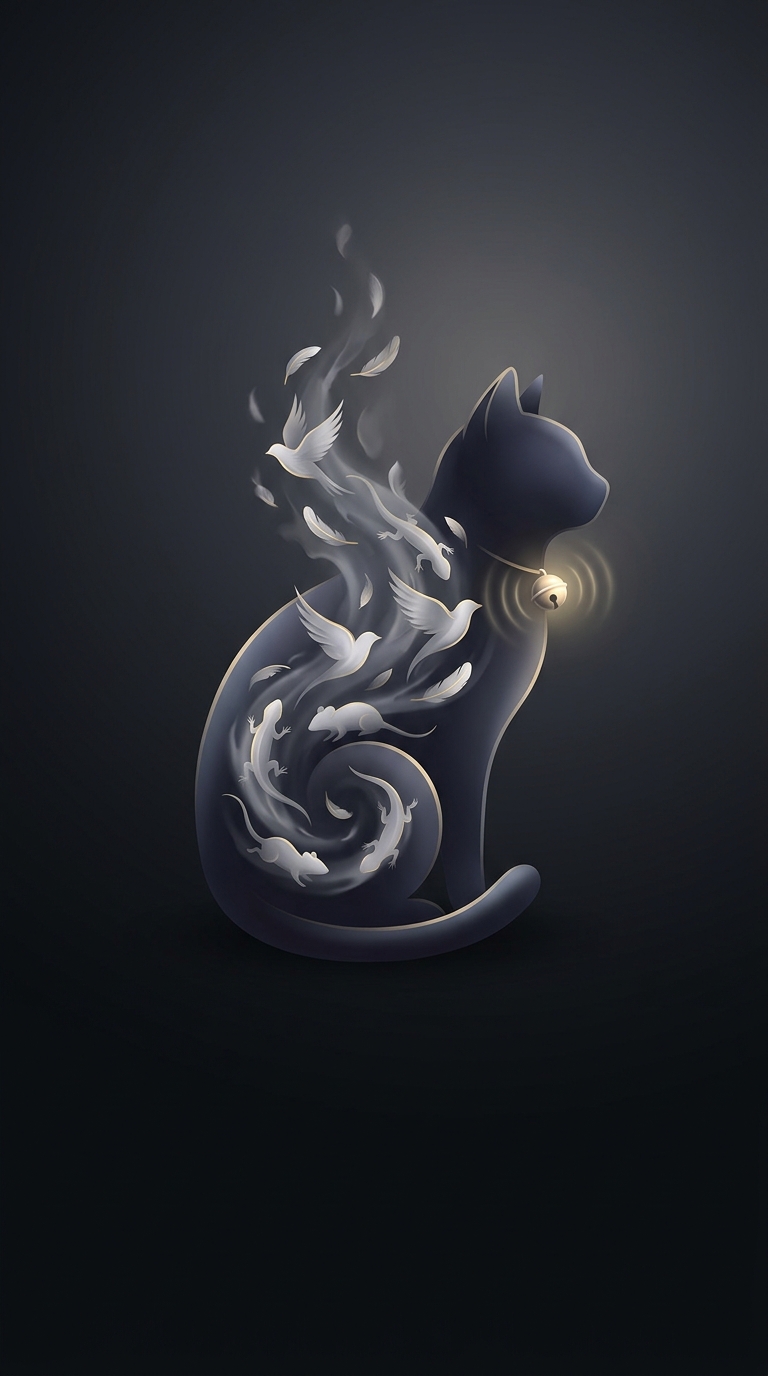
In borderline personality disorder (BPD), intense emotion can make it harder for some people to keep conflicting impressions of someone in mind at once. A person may feel deeply caring and, at another moment, angry or let down. Under stress, the painful feeling can dominate: the other person may seem entirely safe and loving, or entirely rejecting and cruel. This black-and-white shift is sometimes called splitting.
It is not simply a decision to ignore someone’s good qualities. When emotional arousal is high, attention can narrow around what feels most urgent—such as a delayed reply or a disagreement. The broader history of the relationship may become harder to access in that moment. As the emotion changes, the overall judgment can change too.
The relationship can feel different from one moment to the next
That rapid swing can confuse both people. A reassuring interaction may bring closeness back; a perceived slight may revive fear or anger. The reaction can be powerful even when the event looks small from the outside, because its meaning may feel like rejection or abandonment. Not everyone with BPD experiences this pattern, and its intensity varies.
Understanding the shift can help explain it without treating every reaction as harmless. Naming the feeling, slowing down before acting, and revisiting the situation after the emotional peak can make room for a more complete view. Therapies for BPD can teach skills for managing intense emotions and relationships. The practical goal is not to decide that someone is all good or all bad, but to recover the ability to see both their hurtful action and their broader human complexity.