What the Great Red Spot’s outline measures
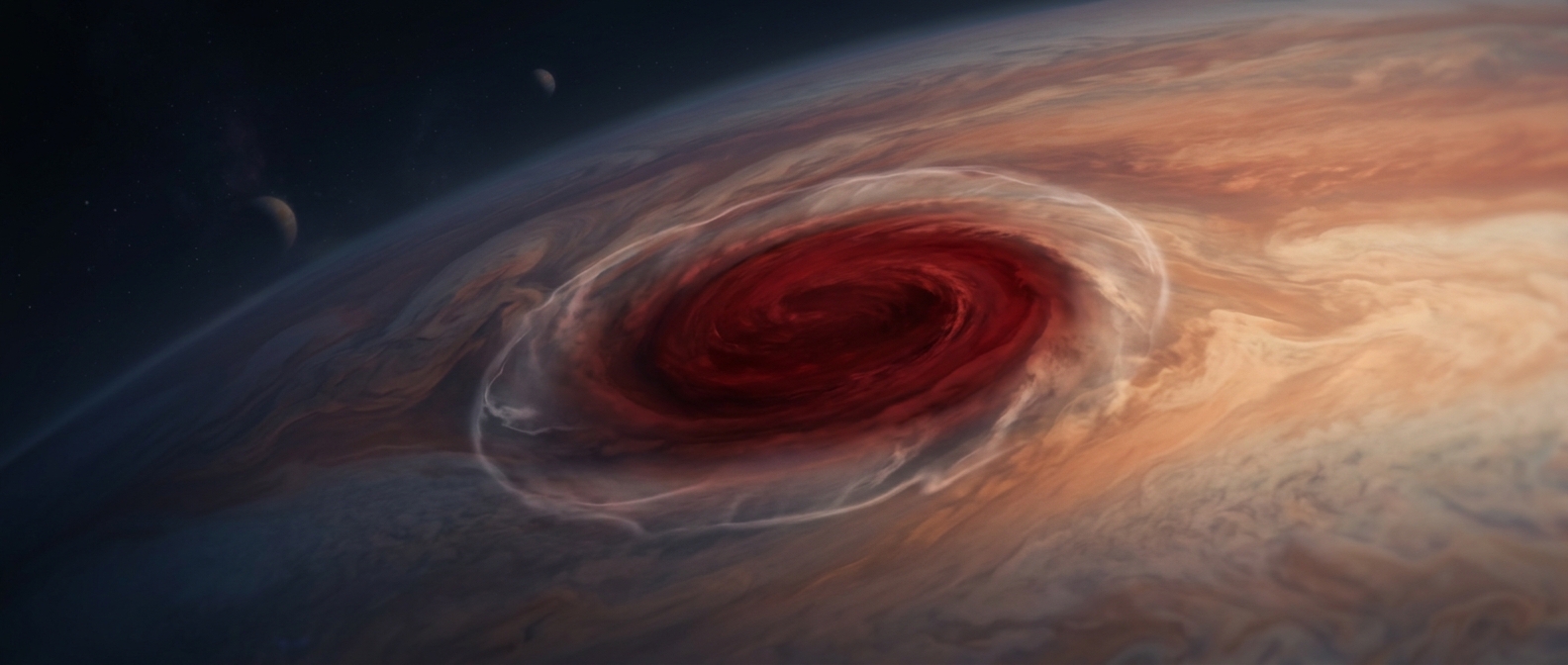
The Great Red Spot is a vast, rotating storm in Jupiter’s atmosphere—not a fixed object with a solid edge. Its visible boundary is the pattern of clouds and winds that marks the storm against the surrounding bands. When that pattern contracts, the measured storm is smaller, even though it can still span a distance comparable to Earth’s diameter.
Jupiter has no solid surface beneath the clouds to interrupt the storm. Instead, powerful east–west jet streams border it, helping shape and contain its circulation. The spot’s outline can shift as winds and cloud patterns change, so its size is not a simple gauge of how much energy the storm has left.
Why the change is not a countdown
A storm can narrow without immediately losing its identity. The Great Red Spot is a persistent atmospheric circulation, and its long-term behavior depends on interactions among the surrounding winds, smaller storms, and the planet’s turbulent atmosphere. Those interactions can alter its shape and may affect its strength, but scientists have not settled on a single explanation for its changes over time.
That distinction matters: a visible trend is not, by itself, a forecast of when the storm will end. Tracking the spot’s size and shape helps researchers test how Jupiter’s atmosphere moves energy around. Its changing outline is a clue about a living, shifting weather system—not a countdown clock.