stackyFACTS
Science

Mars can be swallowed by planet-wide dust storms

HERE’S THE INTERESTING PART

When Mars decides to have a windy day, it fundamentally ruins the entire planet. Thanks to extremely low gravity and a thin atmosphere, fine red dust can easily get swept into gigantic global storms that completely block out the sun for months at a time. It turns the whole world into an impenetrable, angry red sphere of aggressive static electricity.
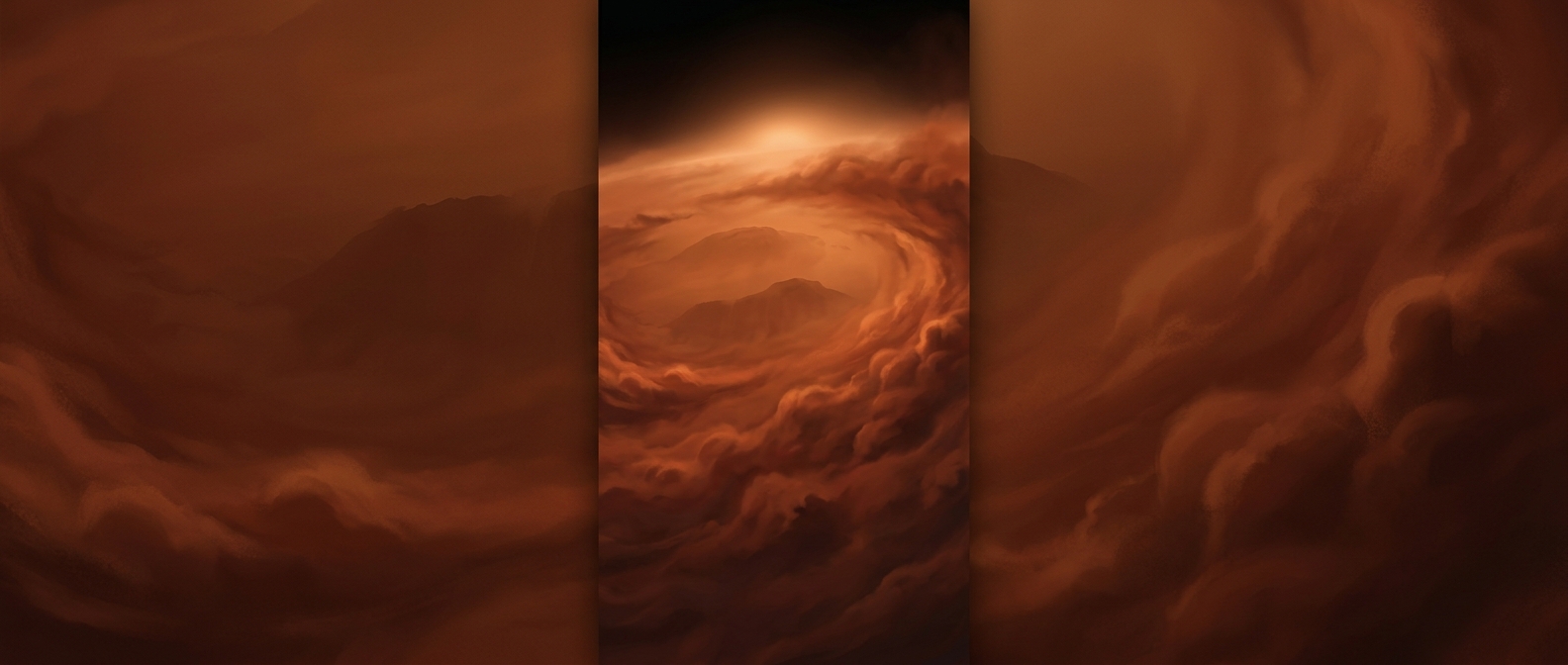
Mars can be swallowed by planet-wide dust storms
STACKY / Science
One discovery leads to another.

Keep exploring facts in this topic.

Science →

STACKY FOR IPHONE

A bigger world.
One discovery
at a time.

Keep discovering with Stacky. Interesting facts in an app that is always within reach.

Download on the App Store
ONE MORE DISCOVERY?

Keep exploring

All in this topic →
How dark energy is ripping space apart
Science

How dark energy is ripping space apart

The universe isn’t just expanding; it is accelerating at a terrifying, catastrophic speed, driven by a phantom force we call dark energy! It makes up most of…

Discover more
Jupiter's moon collection tops 90
Science

Jupiter's moon collection tops 90

Jupiter is the ultimate hoarder of the solar system, boasting an absurd collection of over ninety moons ranging from massive icy worlds to completely…

Discover more
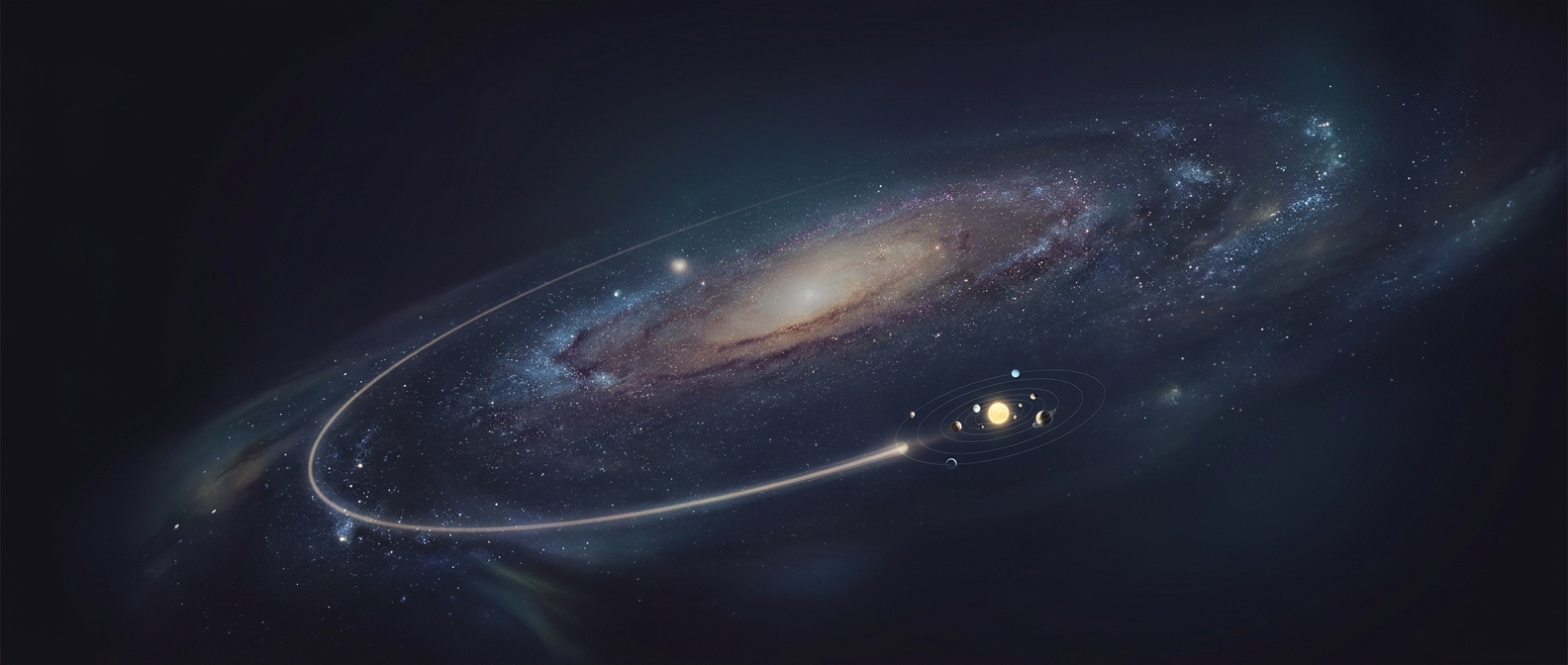
Our solar system takes eons to orbit the galactic center
Science

Our solar system takes eons to orbit the galactic center

We are currently on the most boring cosmic road trip imaginable. It takes our solar system approximately two hundred and thirty million years to complete a…

Discover more
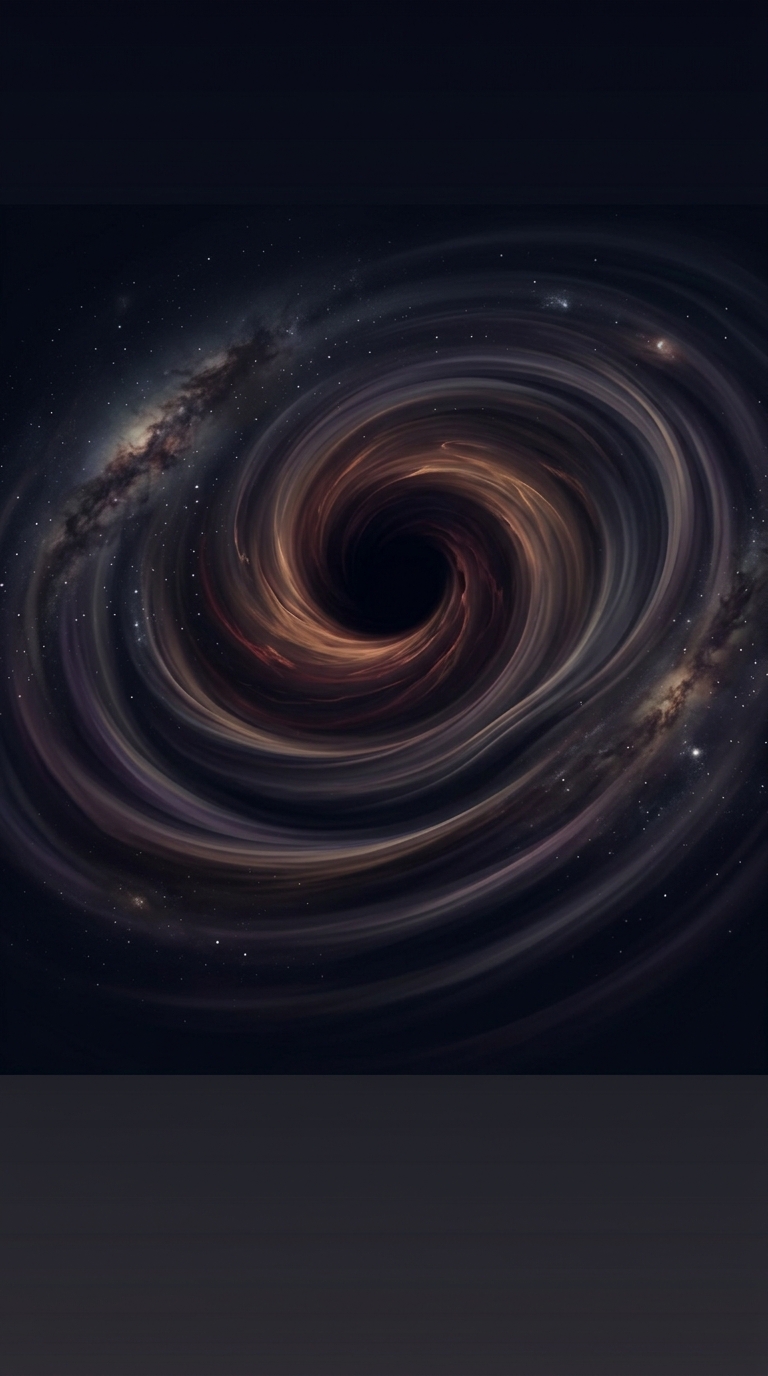
Astronomers have isolated the sound of a supermassive black hole located in the Perseus galaxy cluster, and it registers as a B-flat that is fifty-seven octaves below middle C.
Science

Astronomers have isolated the sound of a supermassive black hole located in the Perseus galaxy cluster, and it registers as a B-flat that is fifty-seven octaves below middle C.

Astronomers have isolated the sound of a supermassive black hole located in the Perseus galaxy cluster, and it registers as a B-flat that is fifty-seven…

Discover more
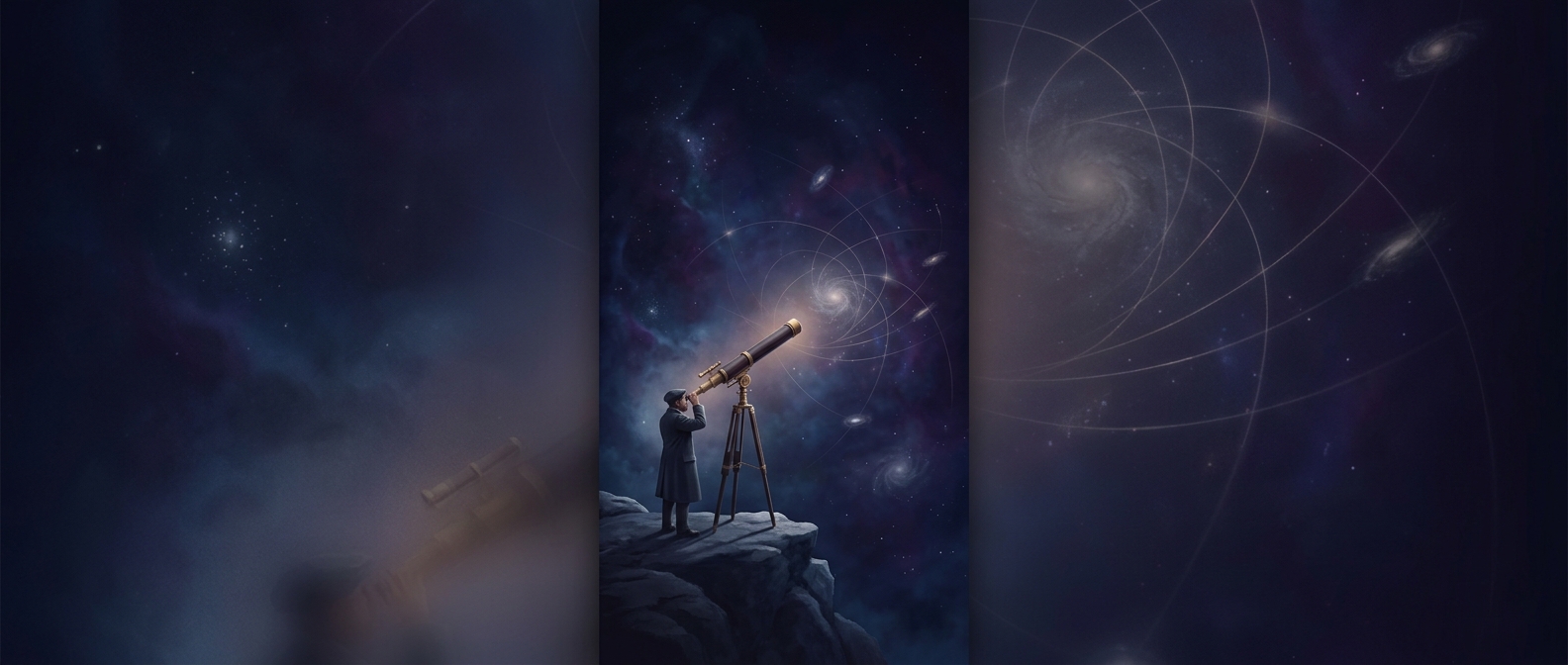
Hubble wasn't the first to find evidence of expansion
Science

Hubble wasn't the first to find evidence of expansion

History loves to hand the wrong guy the trophy. Years before Edwin Hubble became the poster boy for the expanding universe, Vesto Slipher was quietly…

Discover more
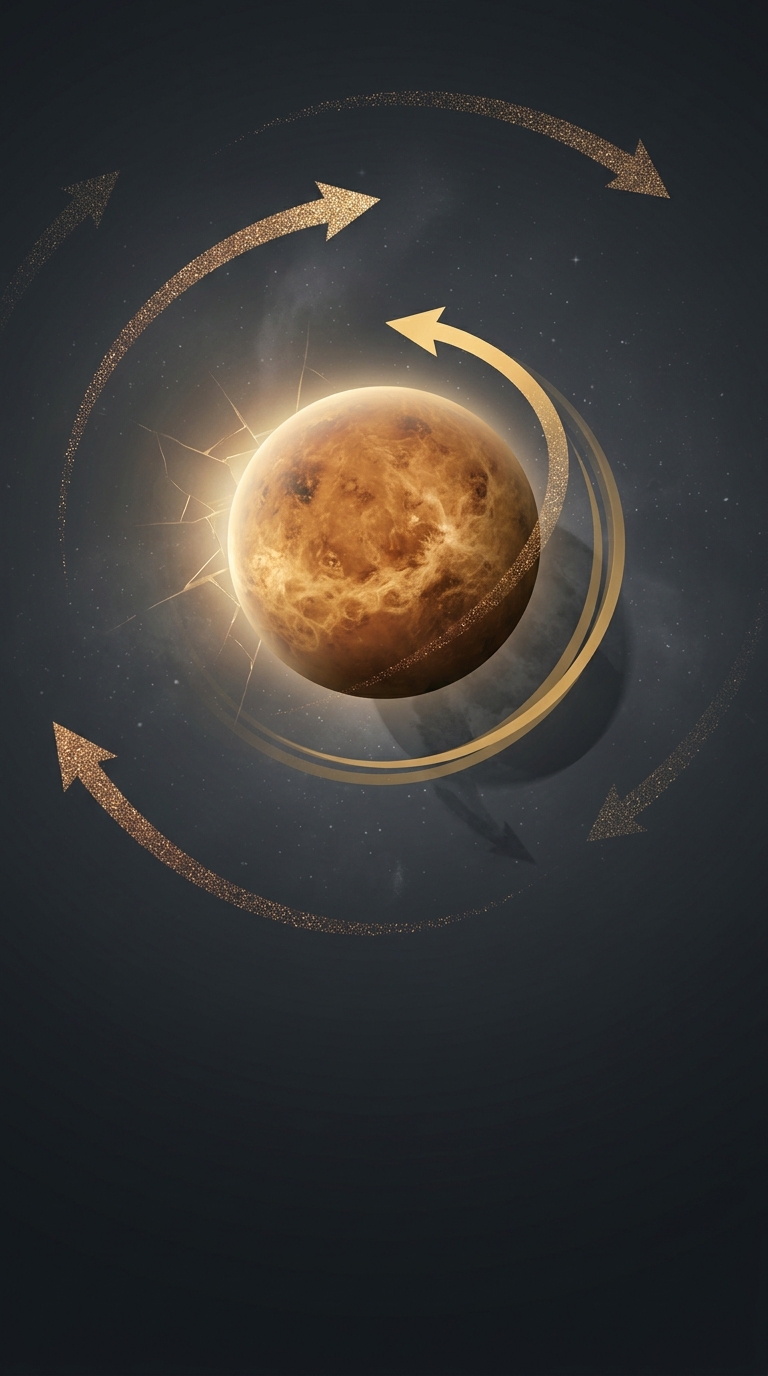
Venus is the only planet in our solar system that spins clockwise on its axis, a phenomenon astronomers refer to as retrograde rotation.
Science

Venus is the only planet in our solar system that spins clockwise on its axis, a phenomenon astronomers refer to as retrograde rotation.

Venus is the only planet in our solar system that spins clockwise on its axis, a phenomenon astronomers refer to as retrograde rotation. While Earth and all…

Discover more
StackyMore discoveries in the app
Download on the App Store