stackyFACTS
Science

Our solar system takes eons to orbit the galactic center

HERE’S THE INTERESTING PART

We are currently on the most boring cosmic road trip imaginable. It takes our solar system approximately two hundred and thirty million years to complete a single lap around the Milky Way, meaning the last time we were in this exact spot, dinosaurs were just figuring out how to exist.
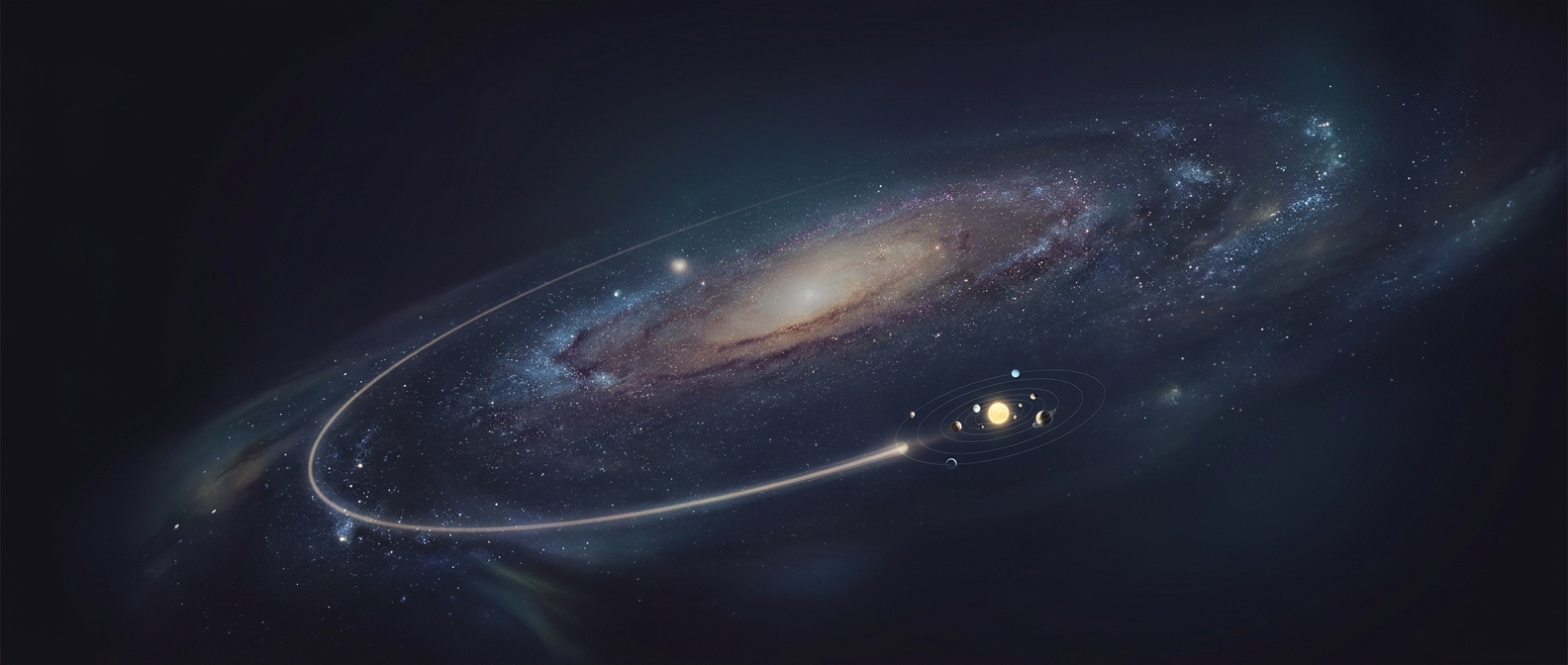
Our solar system takes eons to orbit the galactic center
STACKY / Science
One discovery leads to another.

Keep exploring facts in this topic.

Science →

STACKY FOR IPHONE

A bigger world.
One discovery
at a time.

Keep discovering with Stacky. Interesting facts in an app that is always within reach.

Download on the App Store
ONE MORE DISCOVERY?

Keep exploring

All in this topic →
Oort cloud completely surrounds the solar system
Science

Oort cloud completely surrounds the solar system

We are fundamentally trapped inside a colossal spherical bubble of icy garbage. The outer edge of our stellar neighborhood is encapsulated by a massive shell…

Discover more
Solar mass is so unfathomably huge that the Sun accounts for exactly ninety-nine point eight percent of all the matter in our entire solar system, effectively reducing everything…
Science

Solar mass is so unfathomably huge that the Sun accounts for exactly ninety-nine point eight percent of all the matter in our entire solar system, effectively reducing everything…

Solar mass is so unfathomably huge that the Sun accounts for exactly ninety-nine point eight percent of all the matter in our entire solar system, effectively…

Discover more
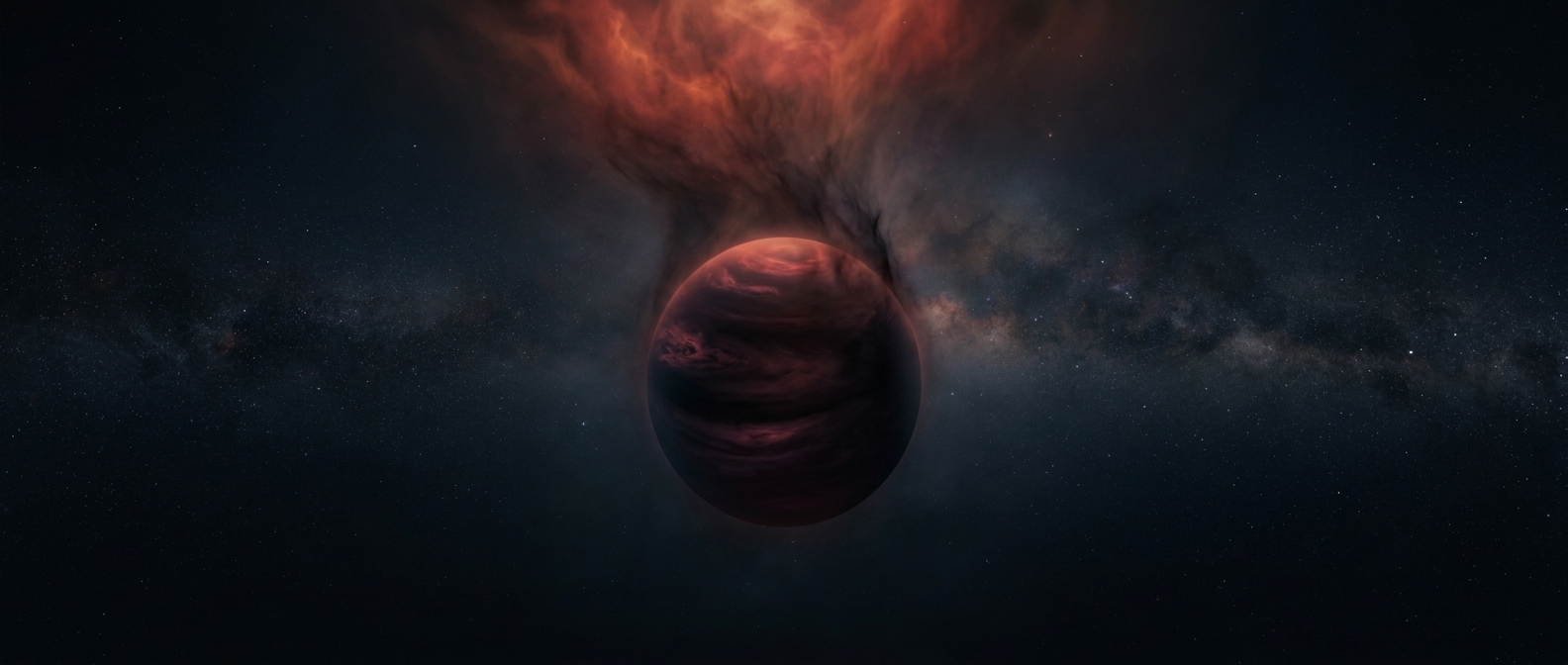
Brown dwarfs are stars that never ignited
Science

Brown dwarfs are stars that never ignited

Imagine gathering immense amounts of cosmic gas and just entirely giving up right before the finish line. These tragic celestial objects are too massive to be…

Discover more
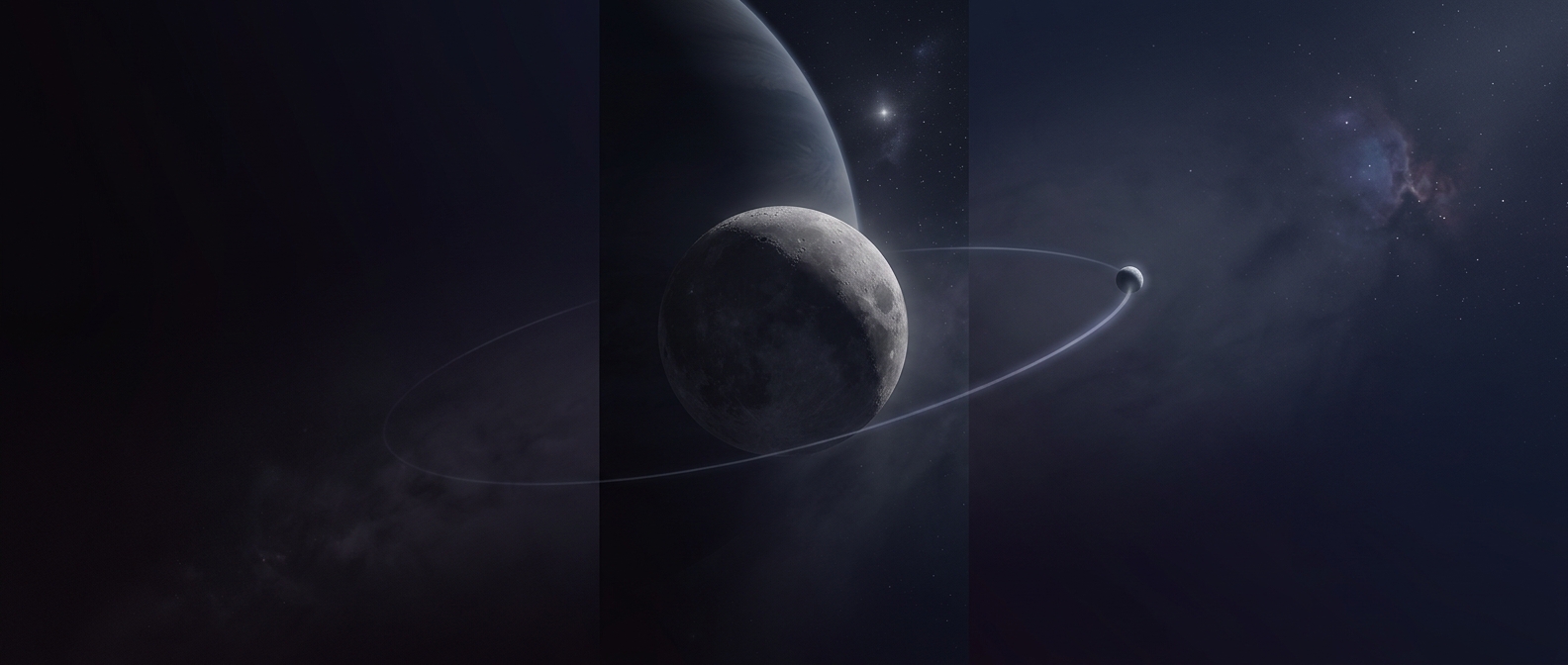
Could a moon have its own moon
Science

Could a moon have its own moon

Nature loves a good matryoshka doll, and celestial bodies are no exception. Astronomers have calculated that large enough moons can theoretically host their…

Discover more
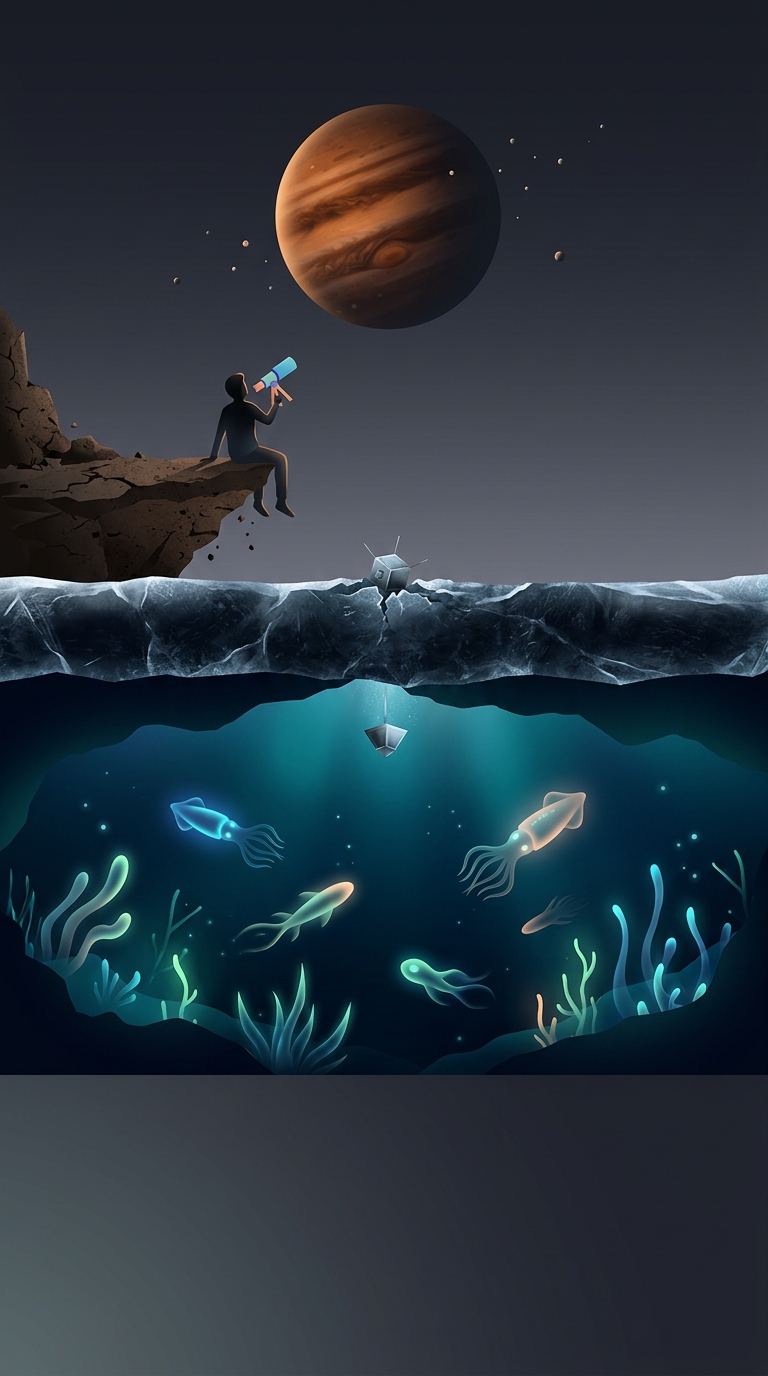
Europa, one of Jupiter's many moons, contains a massive subsurface ocean holding more than twice the amount of water found on Earth.
Science

Europa, one of Jupiter's many moons, contains a massive subsurface ocean holding more than twice the amount of water found on Earth.

Europa, one of Jupiter's many moons, contains a massive subsurface ocean holding more than twice the amount of water found on Earth. Beneath a crust of solid…

Discover more
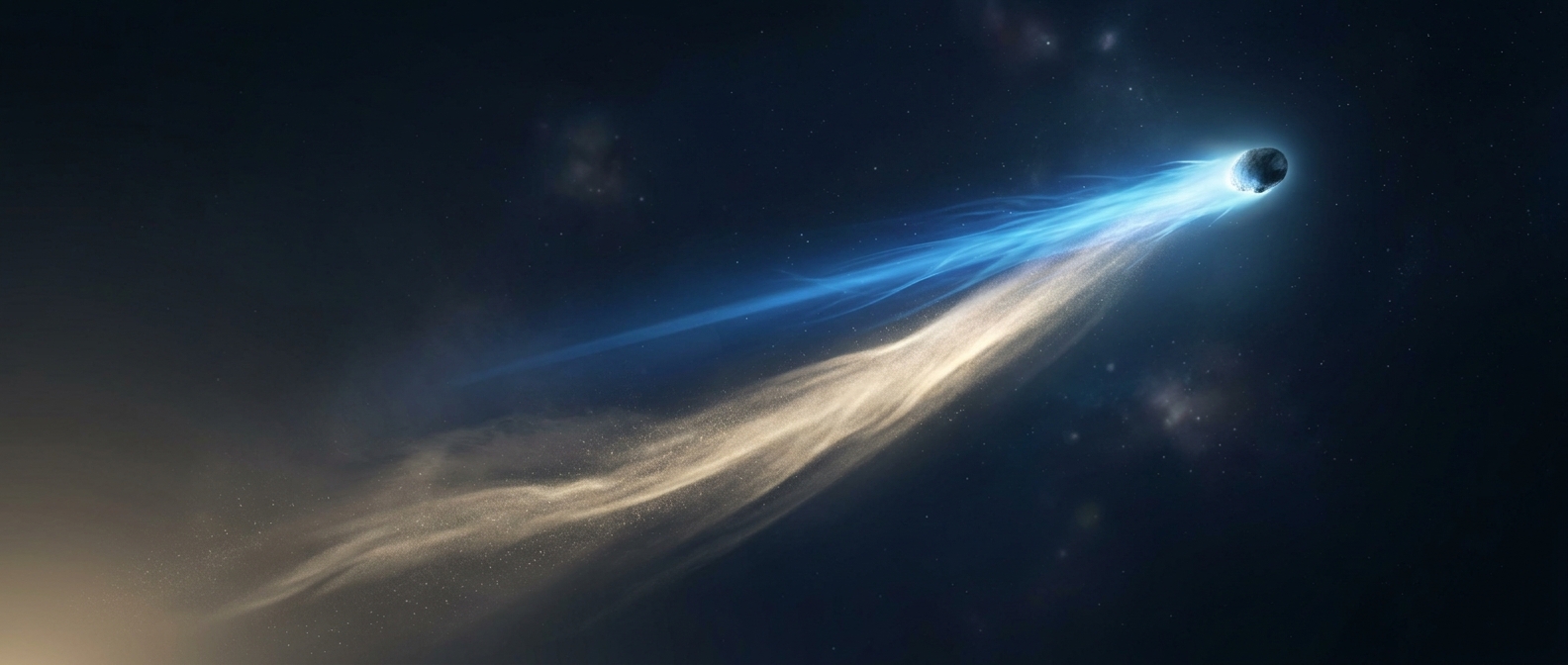
Why comets have two tails
Science

Why comets have two tails

Why settle for one dramatic exit when you can throw a double-barreled tantrum? As these frozen debris clusters approach a star, they do not just disintegrate…

Discover more
StackyMore discoveries in the app
Download on the App Store