Science
Discover facts about science. Small discoveries that change the way you see familiar things.
Science
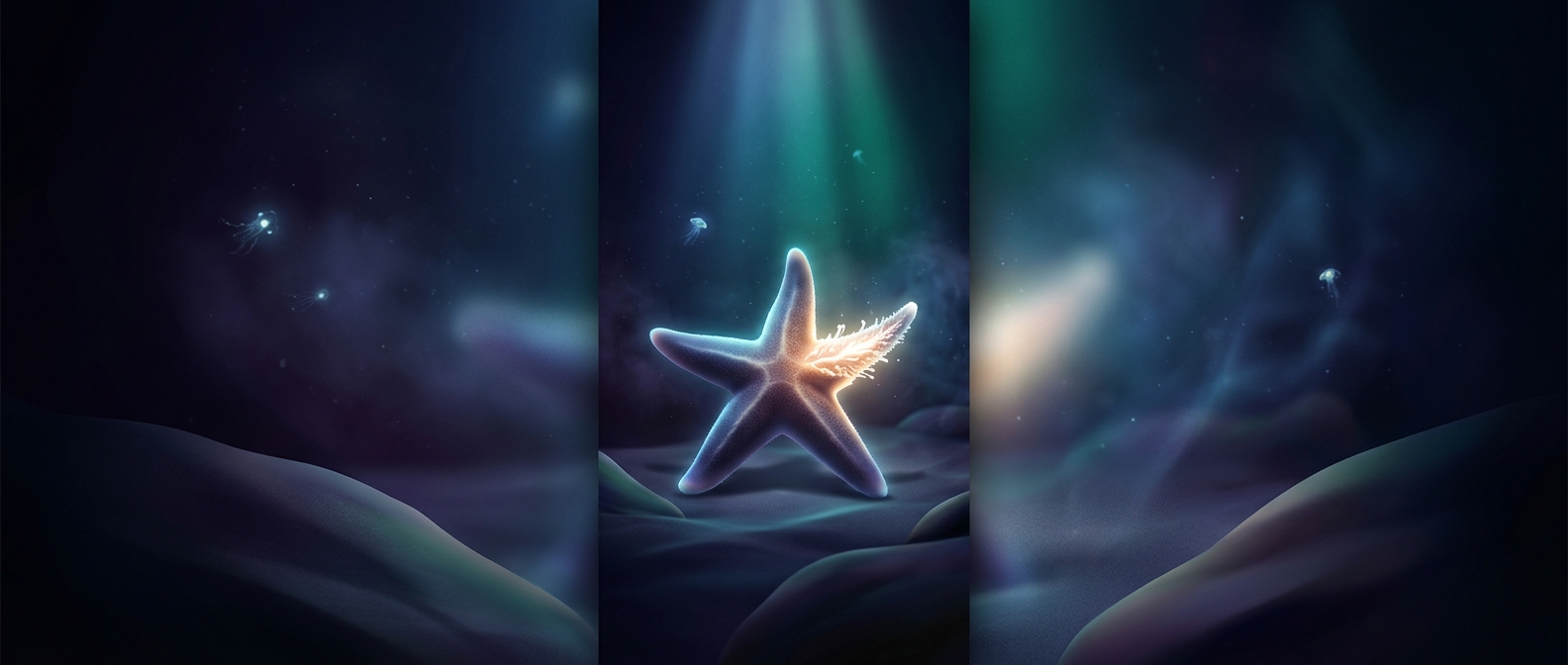
Some starfish can rebuild far more than a missing arm
Regenerative abilities differ among species: many need part of the central disk to regrow a whole animal, while a few can regenerate from an arm. The feat…
Discover more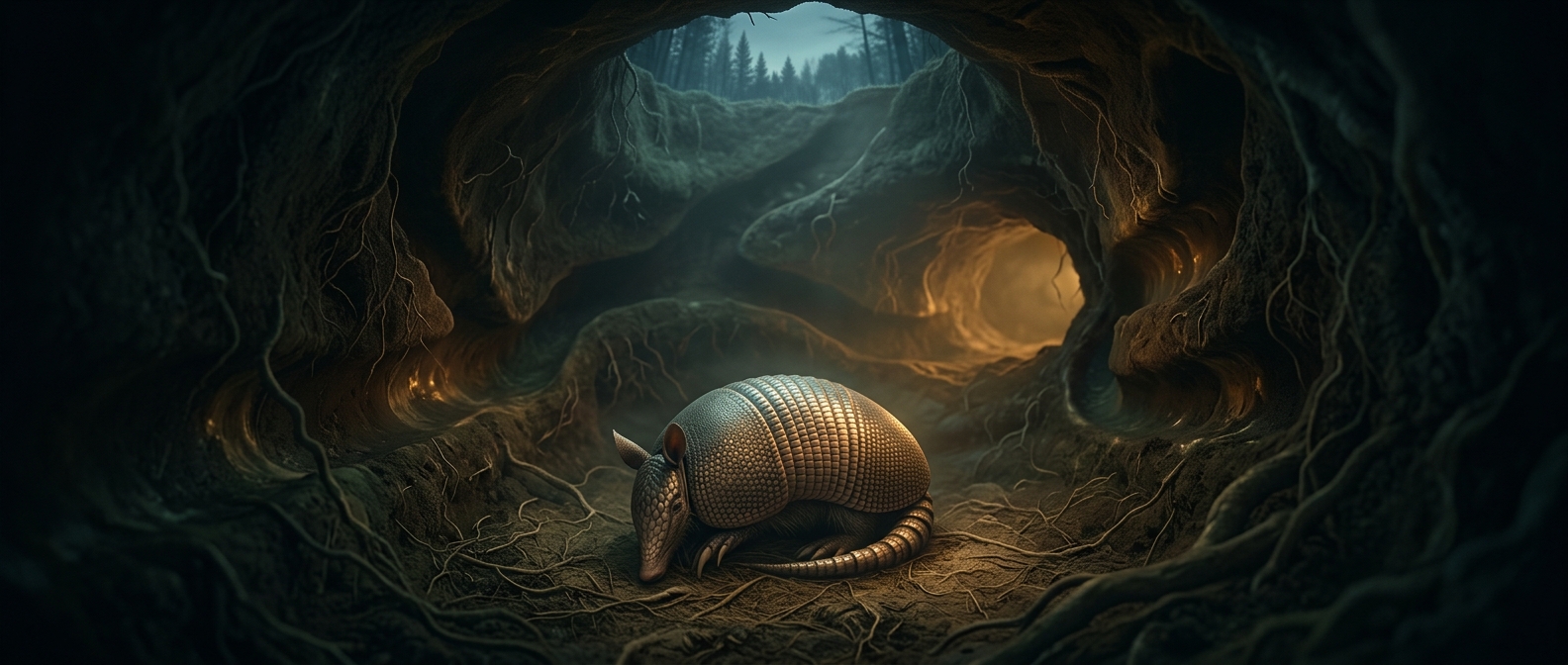
Armadillos routinely rest inside extensively dug deep burrows
The ground changes temperature more slowly than the surface, and an armadillo’s burrow takes advantage of that delay. Soil slows heat moving in, making the…
Discover more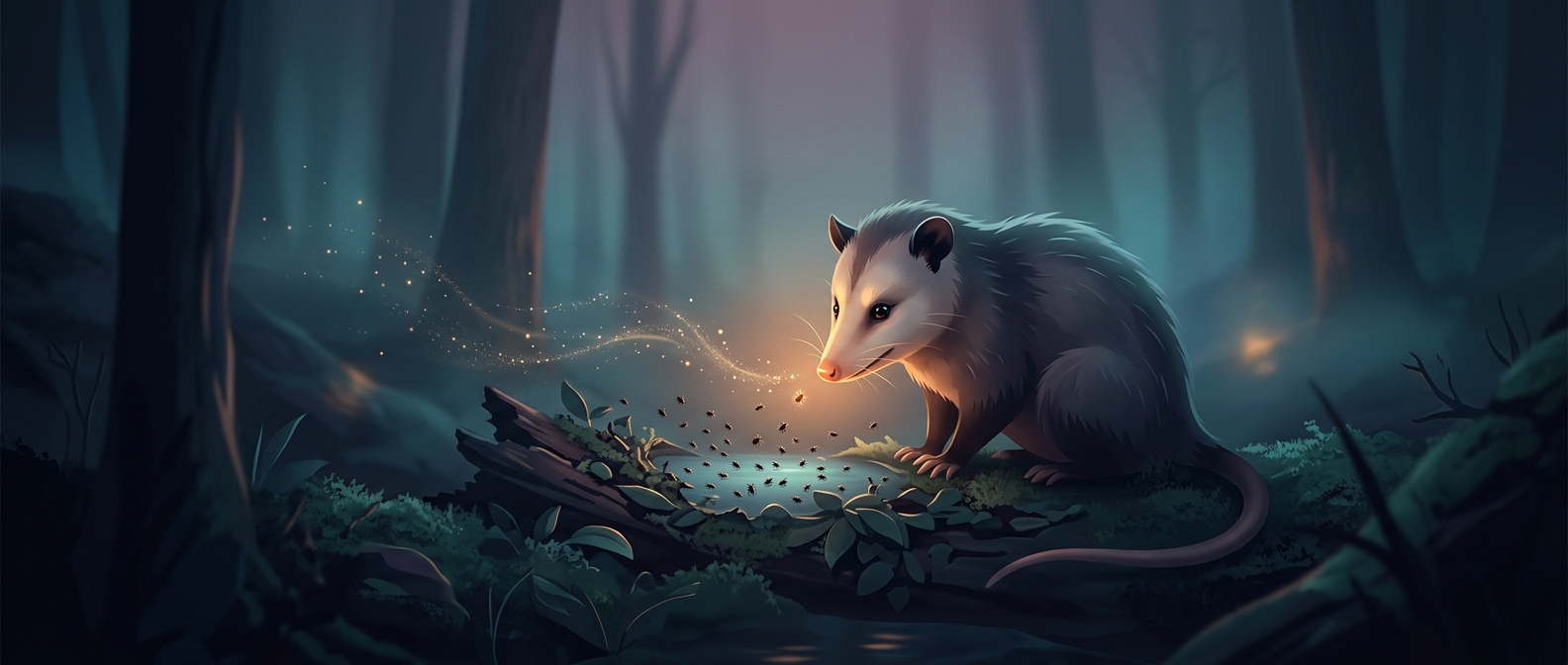
Opossums are opportunists at the dinner table
Their diet ranges from insects and snails to fruit, carrion and food left around human homes. That flexibility helps them use very different environments…
Discover more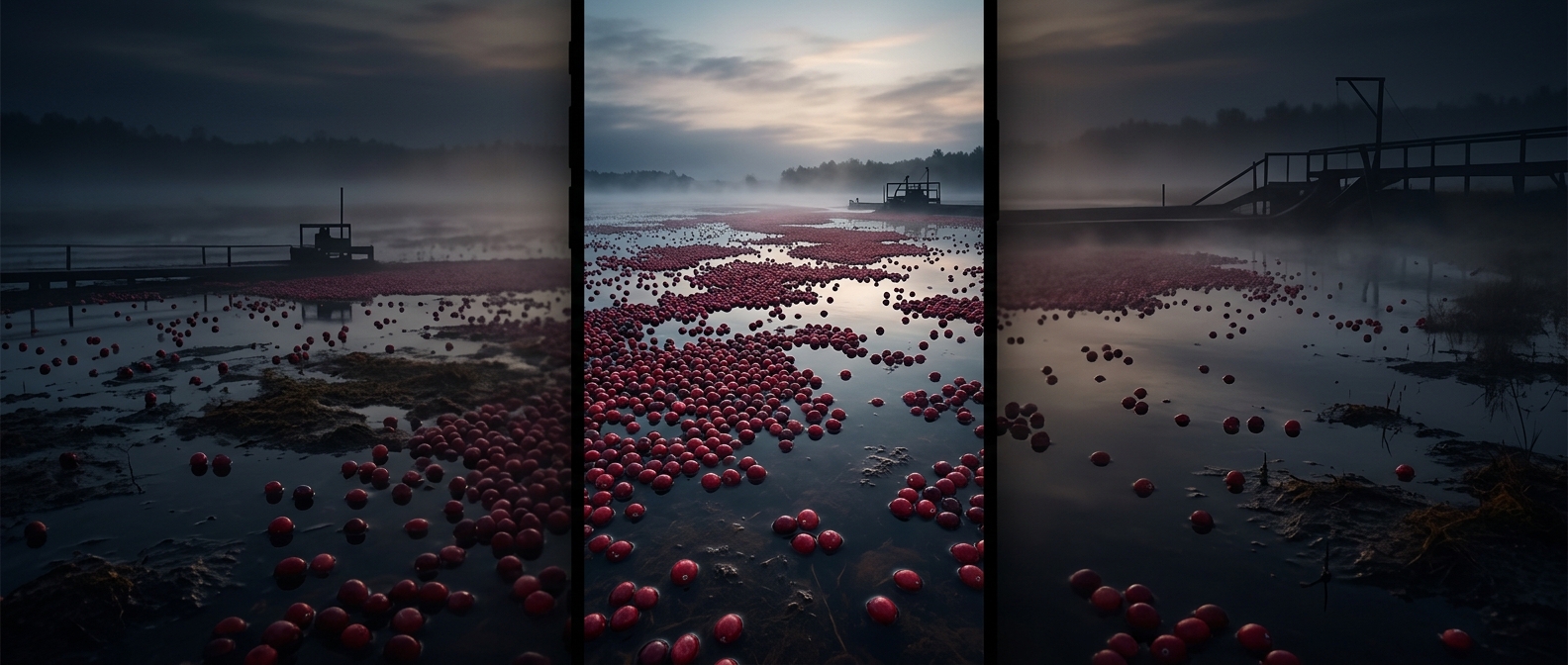
Cranberries strictly thrive inside deeply flooded muddy bogs
Flooding cranberry beds is a harvesting trick, not the vines’ year-round living arrangement. Air pockets inside the berries make them buoyant, and the flood…
Discover more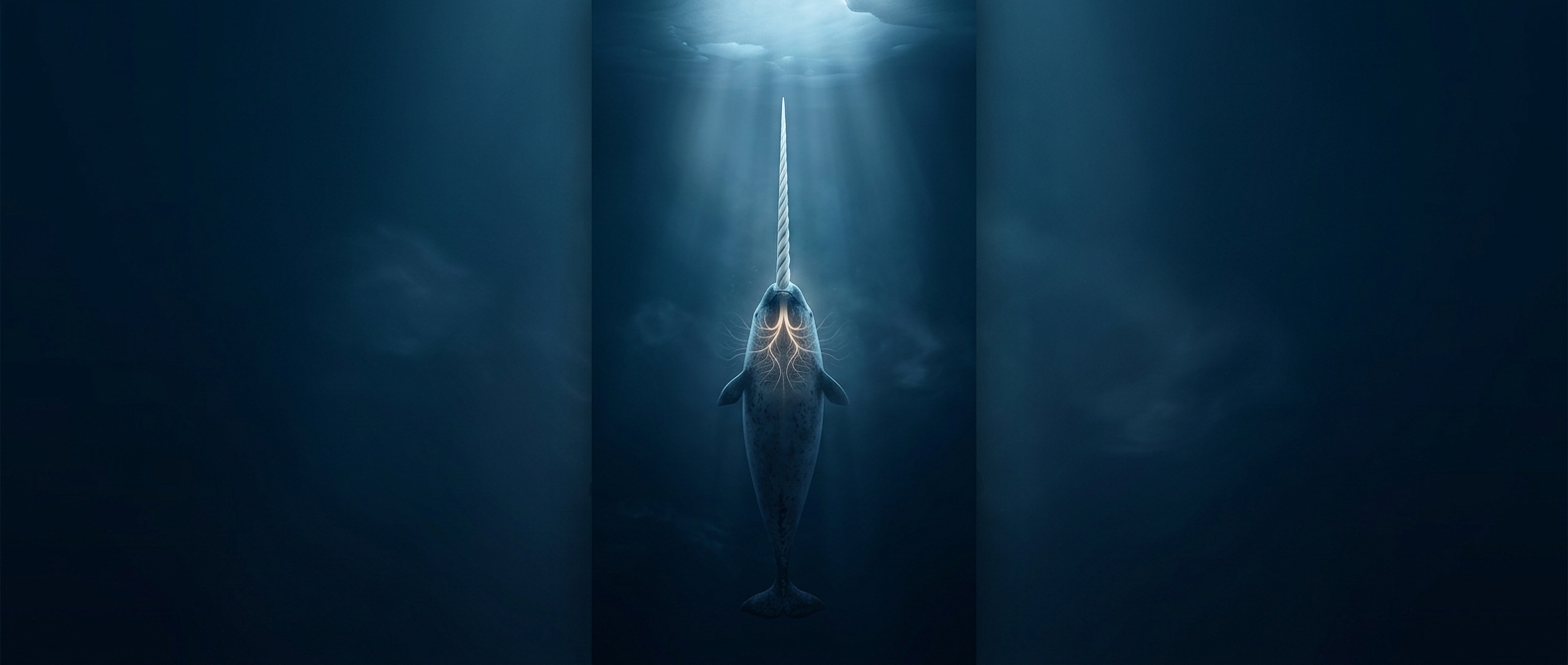
A narwhal's tusk is an enormous tooth
A narwhal’s tusk grows out through its upper lip from a tooth, and it even contains sensory pathways. Those nerves may help the animal detect changes in its…
Discover more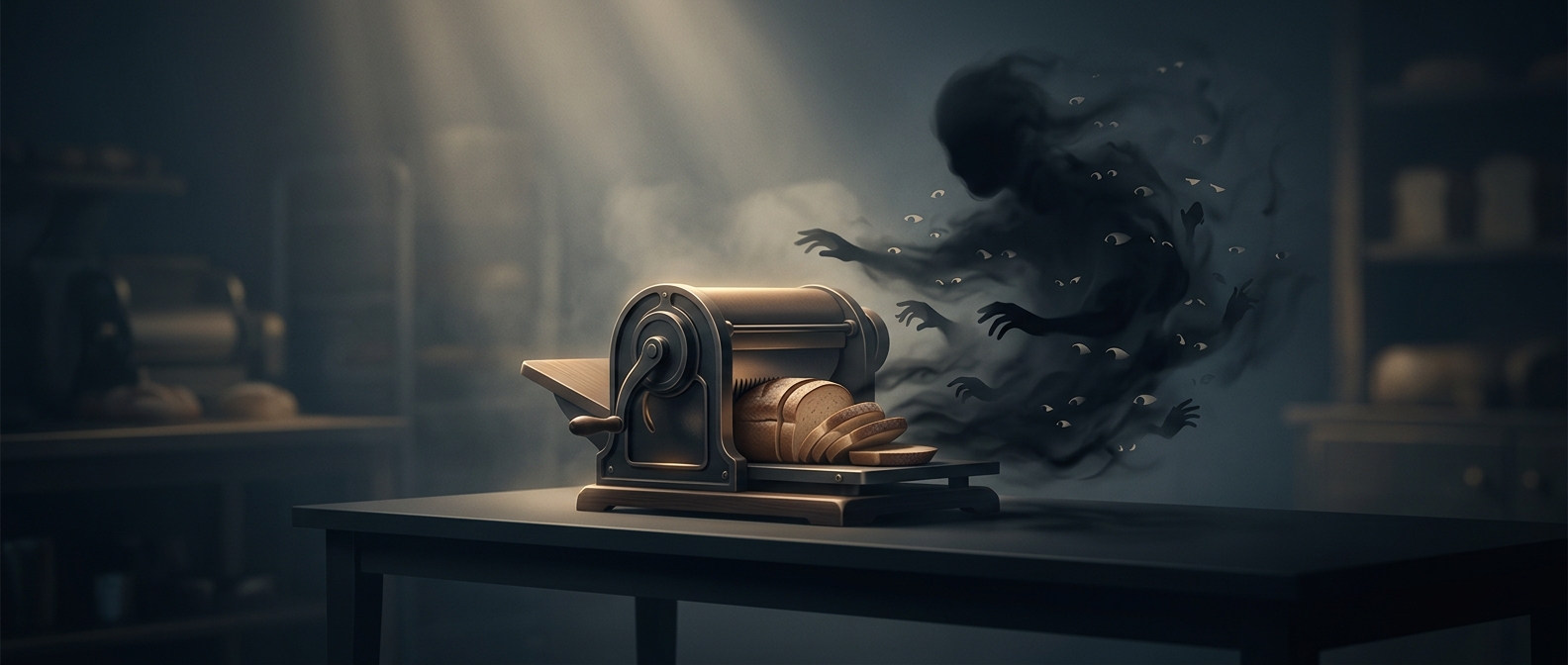
Why shoppers once rejected sliced bread
A sliced loaf has more soft interior exposed to air than a whole loaf does, so it can dry out faster. The crust acts like a cover; cut more surfaces, and more…
Discover more STACKY FOR IPHONE
A bigger world.
One discovery
at a time.
Keep discovering with Stacky. Interesting facts in an app that is always within reach.
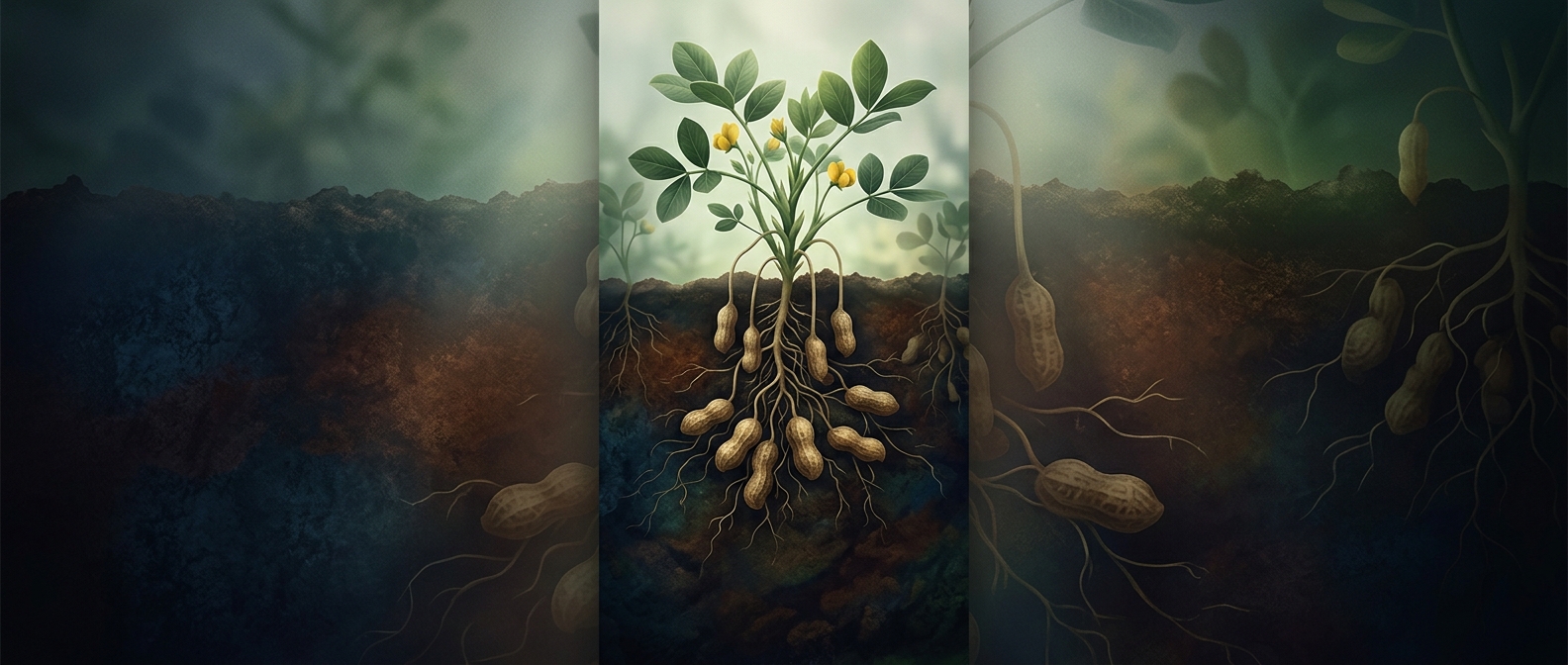
Peanuts securely develop underground alongside similar legumes
A peanut flower blooms aboveground, then sends a stalklike peg down into the soil after pollination. The pod forms at the buried tip, so the plant grows its…
Discover more
When canned water became a Cold War product
Canned water became a Cold War survival product because people worried that a nuclear disaster could make everyday water supplies unavailable. Companies…
Discover more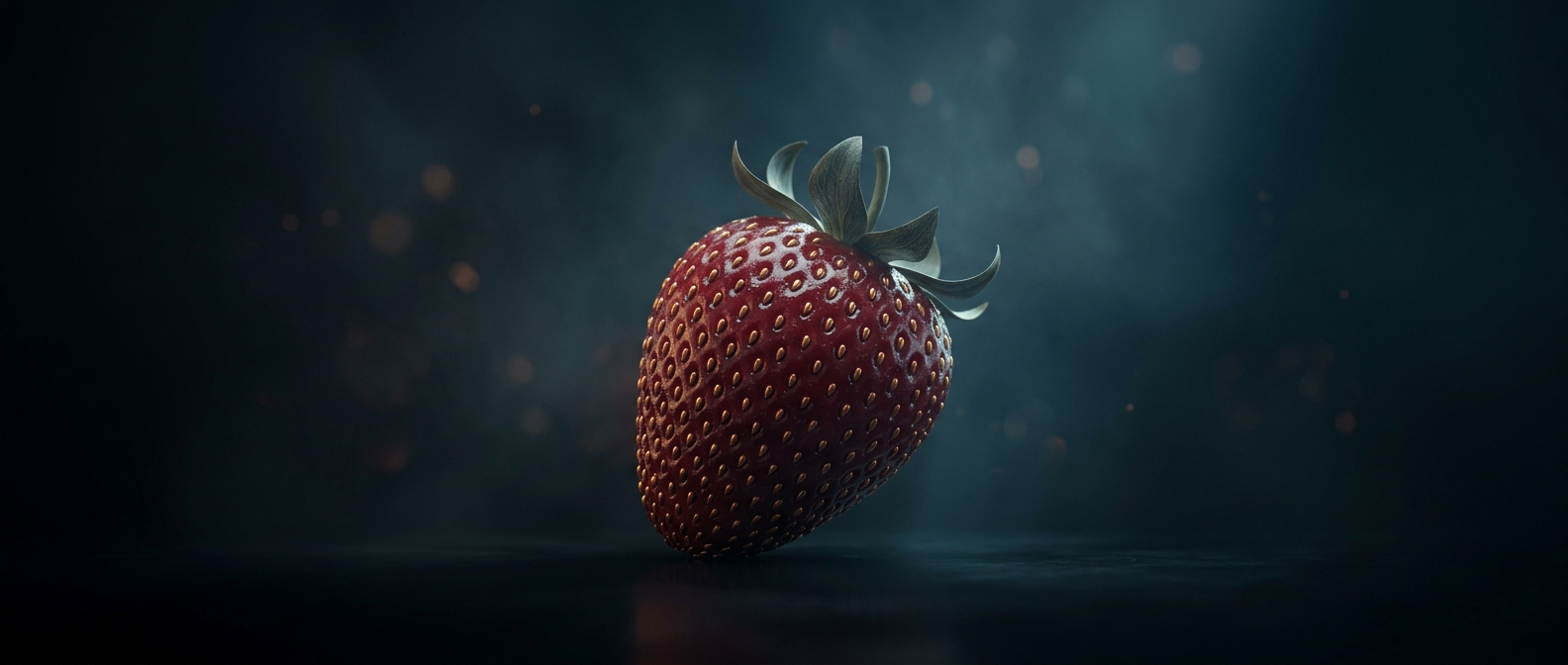
Why strawberries wear their seeds outside
Those little dots on a strawberry aren’t seeds sitting bare on the surface. Each is a tiny fruit called an achene, and a seed is tucked inside it. The juicy…
Discover more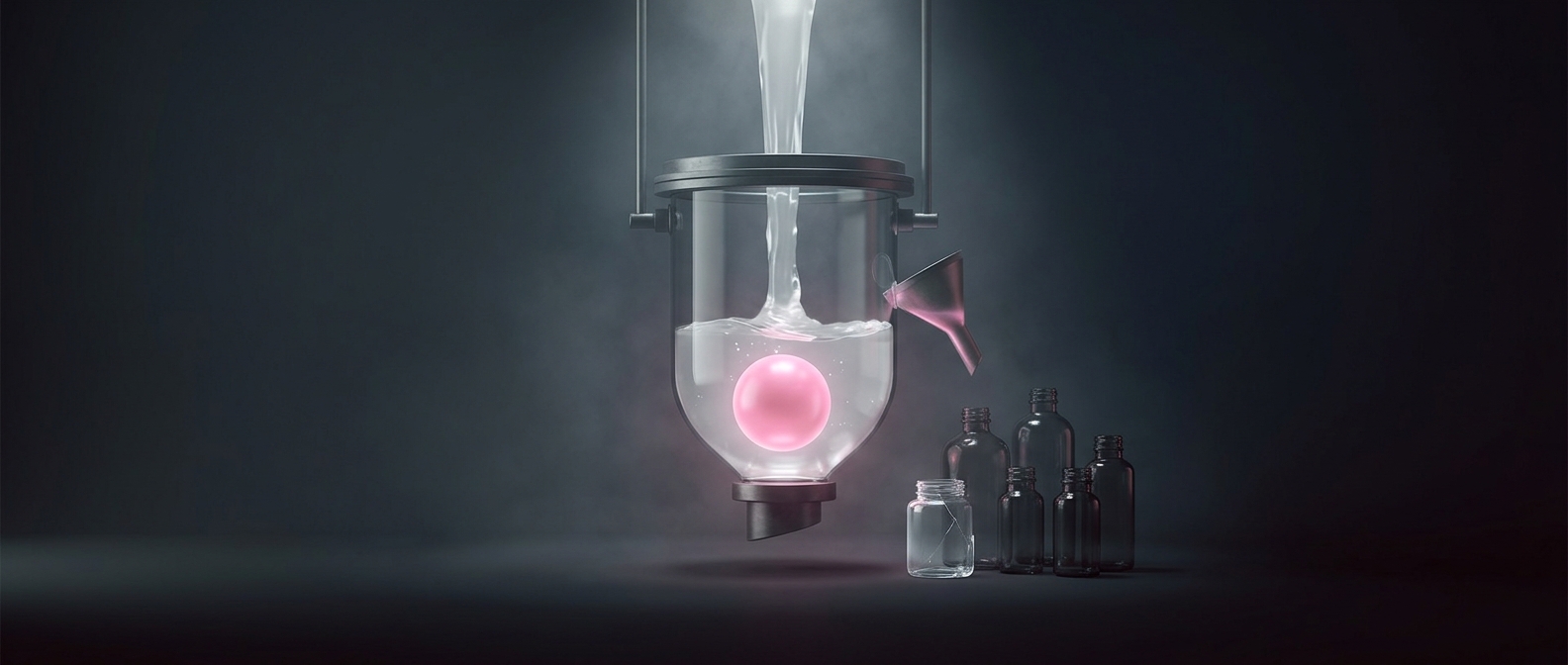
Why bubble gum is pink
Walter Diemer’s successful bubble-gum formula became pink because that was the coloring available for the batch, according to the familiar account of its…
Discover more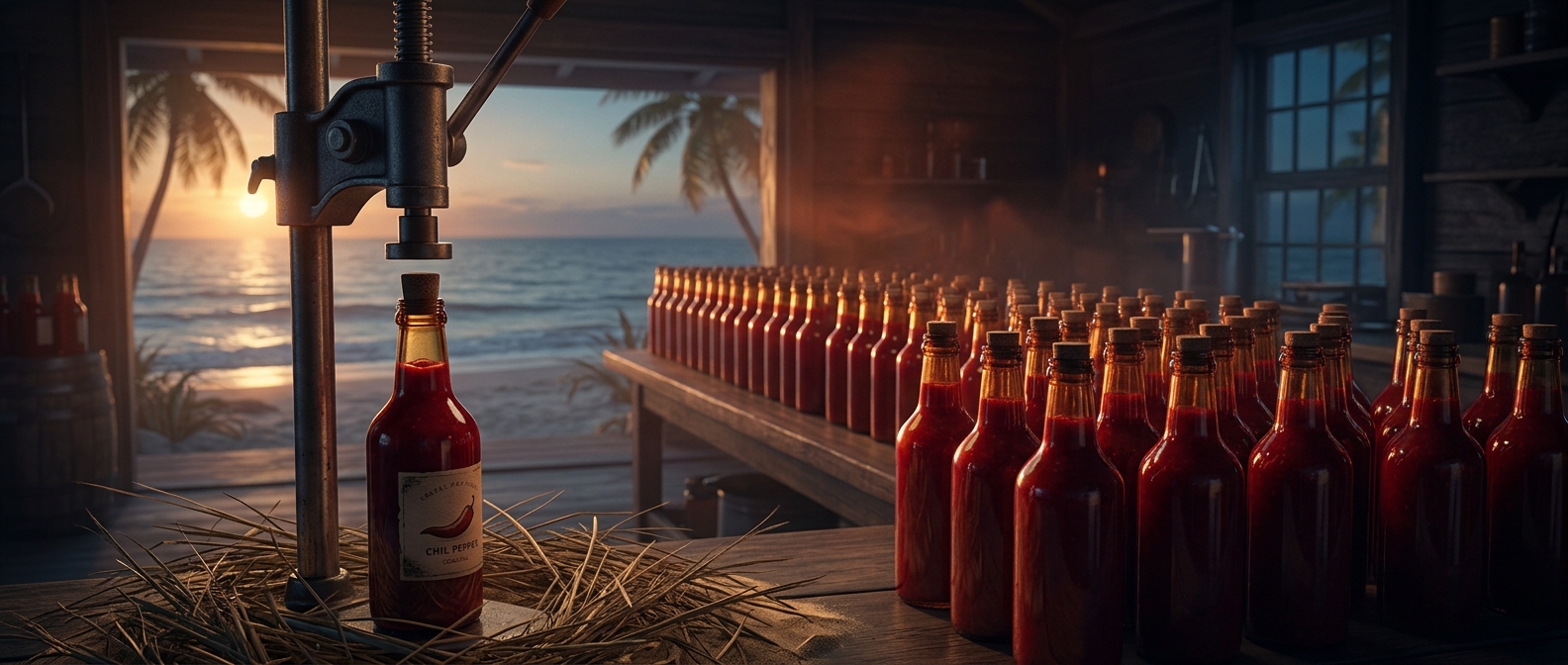
Hot chili sauce was originally bottled in a beach town
The sauce’s coastal story is a production story: as more people wanted it, a facility by the shore blended and bottled it. Demand turned a place into part of…
Discover more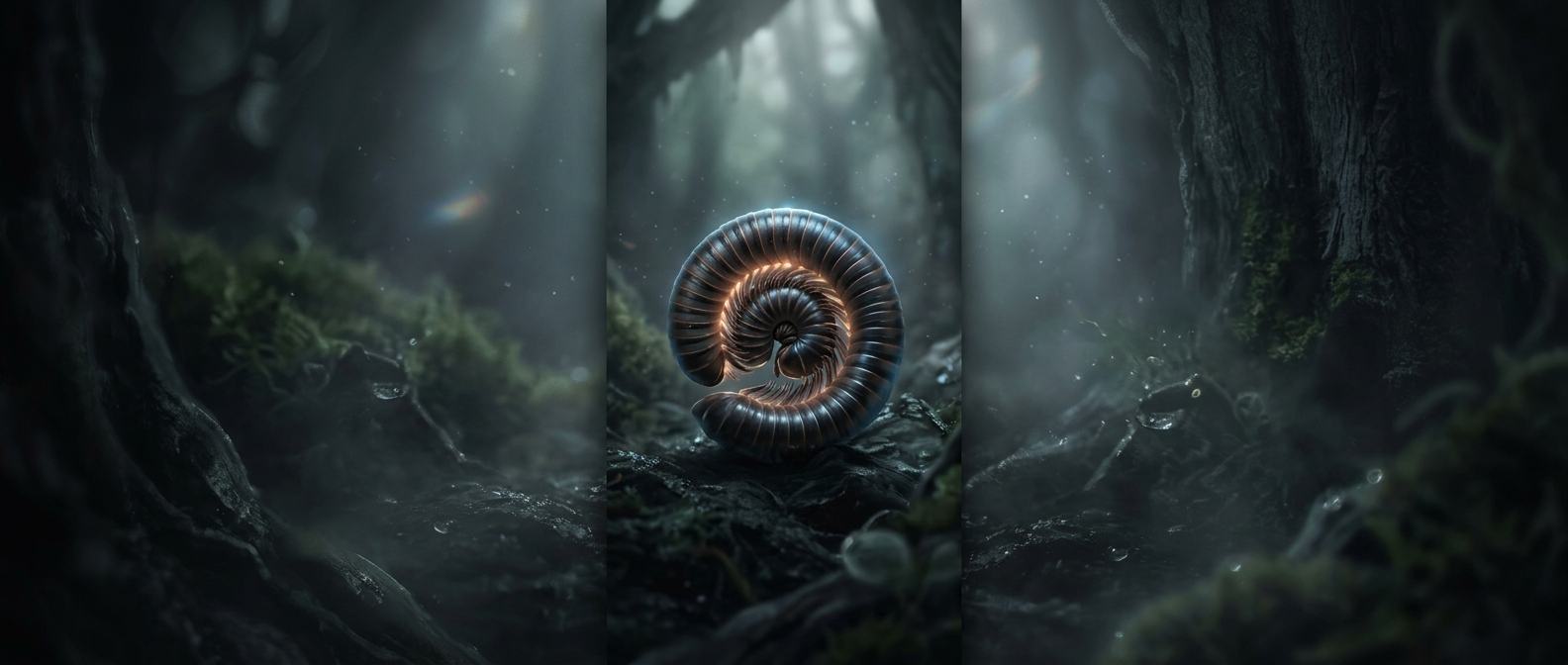
Millipedes curl into tight defensive spirals when threatened
When danger appears, a millipede curls its soft underside inside a ring of hard body segments. Its many legs tuck away too, leaving an attacker a mouthful of…
Discover more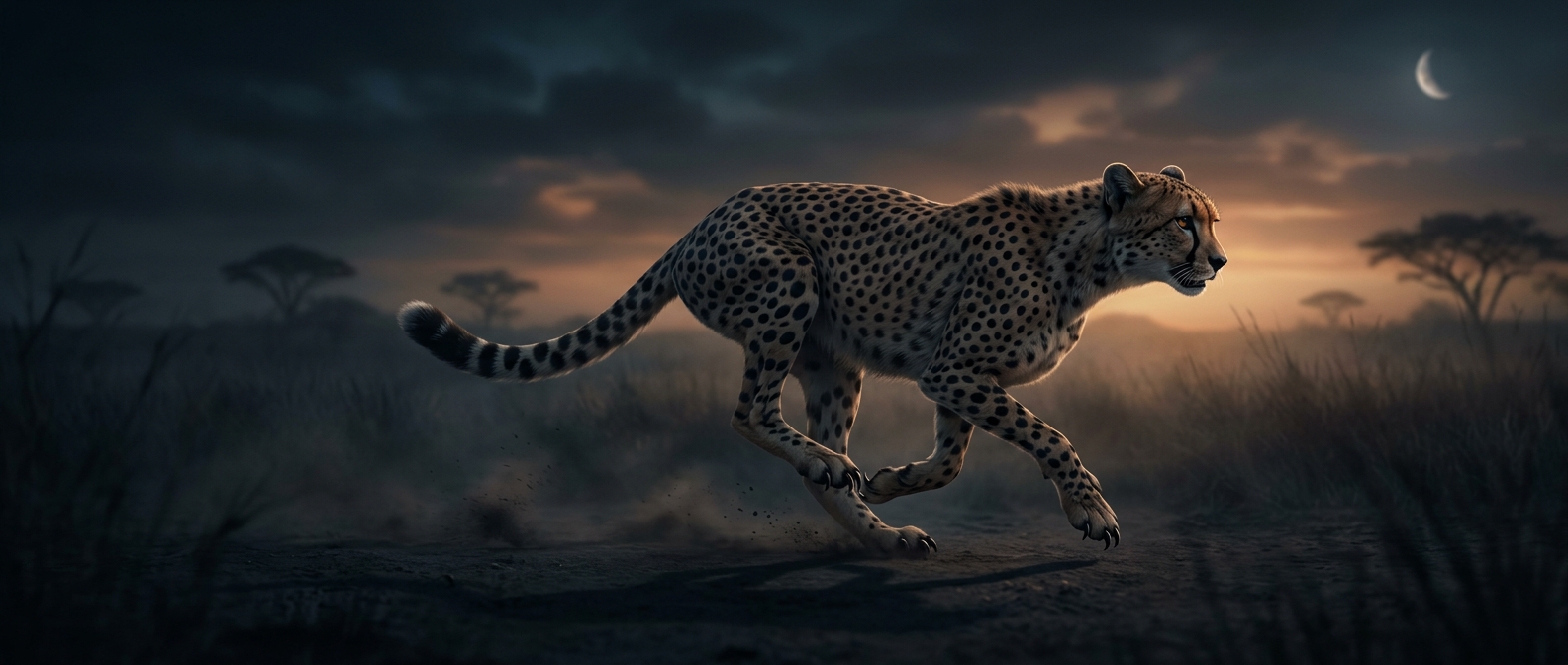
Why cheetahs run on permanent cleats
A cheetah’s claws stay partly exposed, so their tips can dig into the ground as it accelerates or cuts a corner. That extra grip helps the cat keep its…
Discover more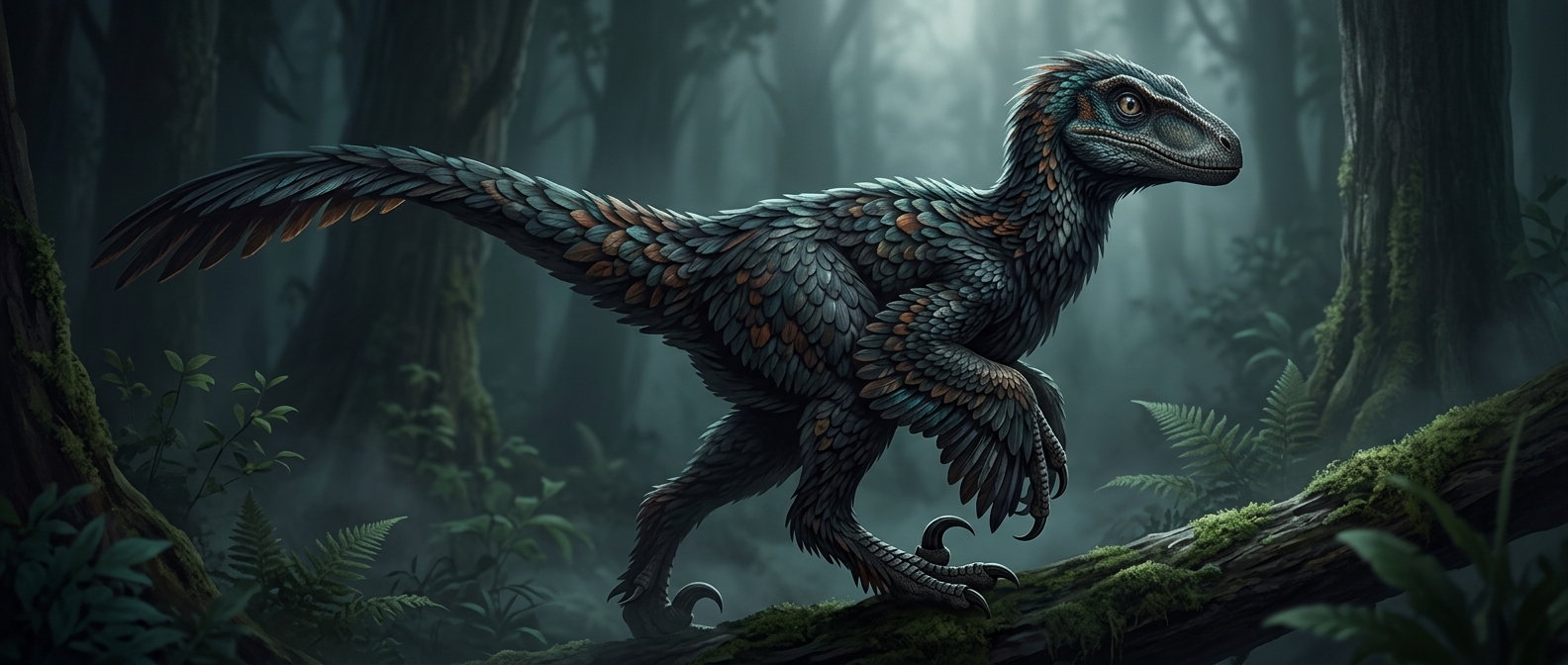
Velociraptors were more like giant predatory turkeys
Velociraptor was a feathered predator closer in size to a turkey than to the enormous movie “raptors.” The films borrowed their giant hunters more from larger…
Discover more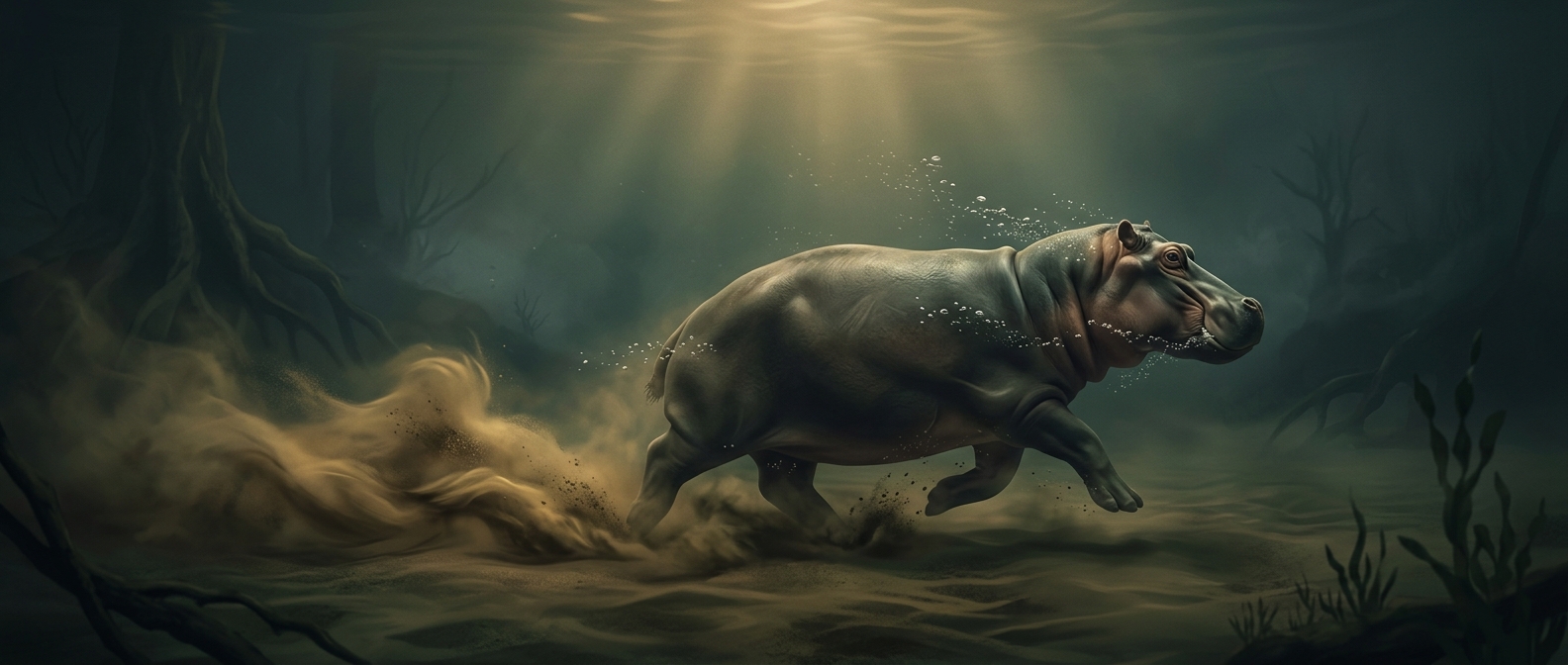
Hippos don't swim—they run underwater
Hippos push off the riverbed to move underwater instead of paddling along the surface like typical swimmers. After staying submerged for several minutes, they…
Discover more
Yankees pinstripes appeared before Babe Ruth arrived
The striped uniforms debuted in 1912, eight years before Ruth became a Yankee in 1920.
Discover more
A bank's pneumatic tube brings the counter to your car
A small carrier moves cash or documents between the customer and the teller, pushed or pulled through a tube by air pressure. The teller stays indoors while…
Discover more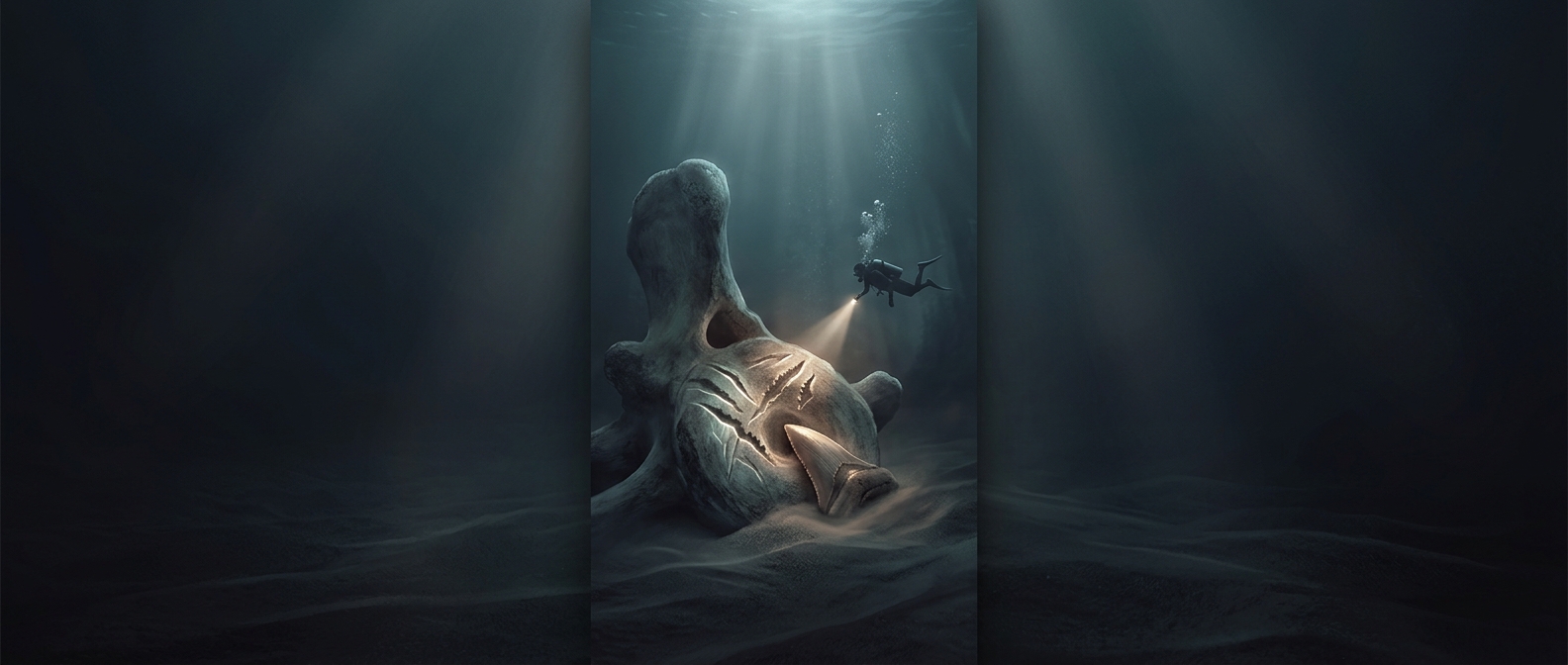
What Megalodon's bite marks reveal
Megalodon’s teeth could leave marks in the bones of marine mammals, preserving evidence of a meal. Because shark skeletons are mostly cartilage, they rarely…
Discover more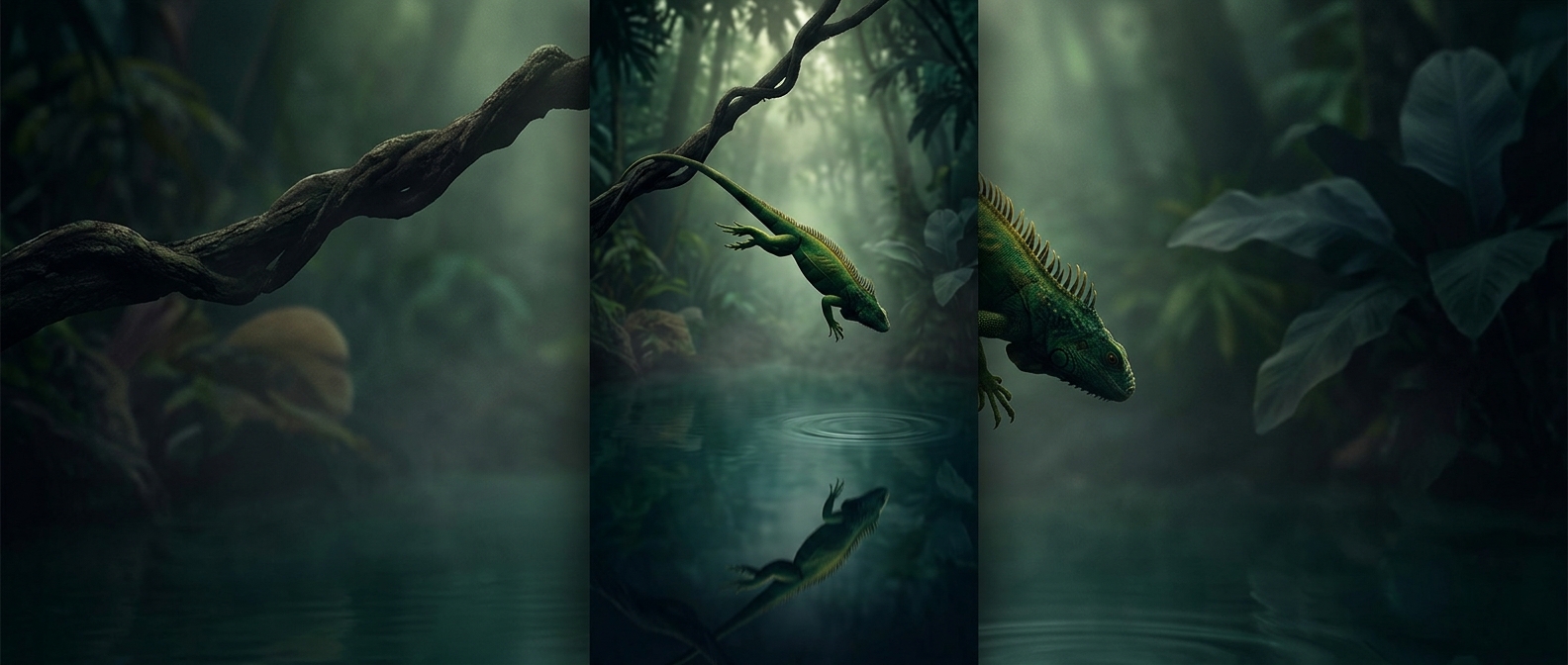
When iguanas escape predators by belly-flopping
An iguana can turn a fall from a branch into a getaway. It hits the water, sweeps its strong tail from side to side, and powers away from danger. The drop…
Discover more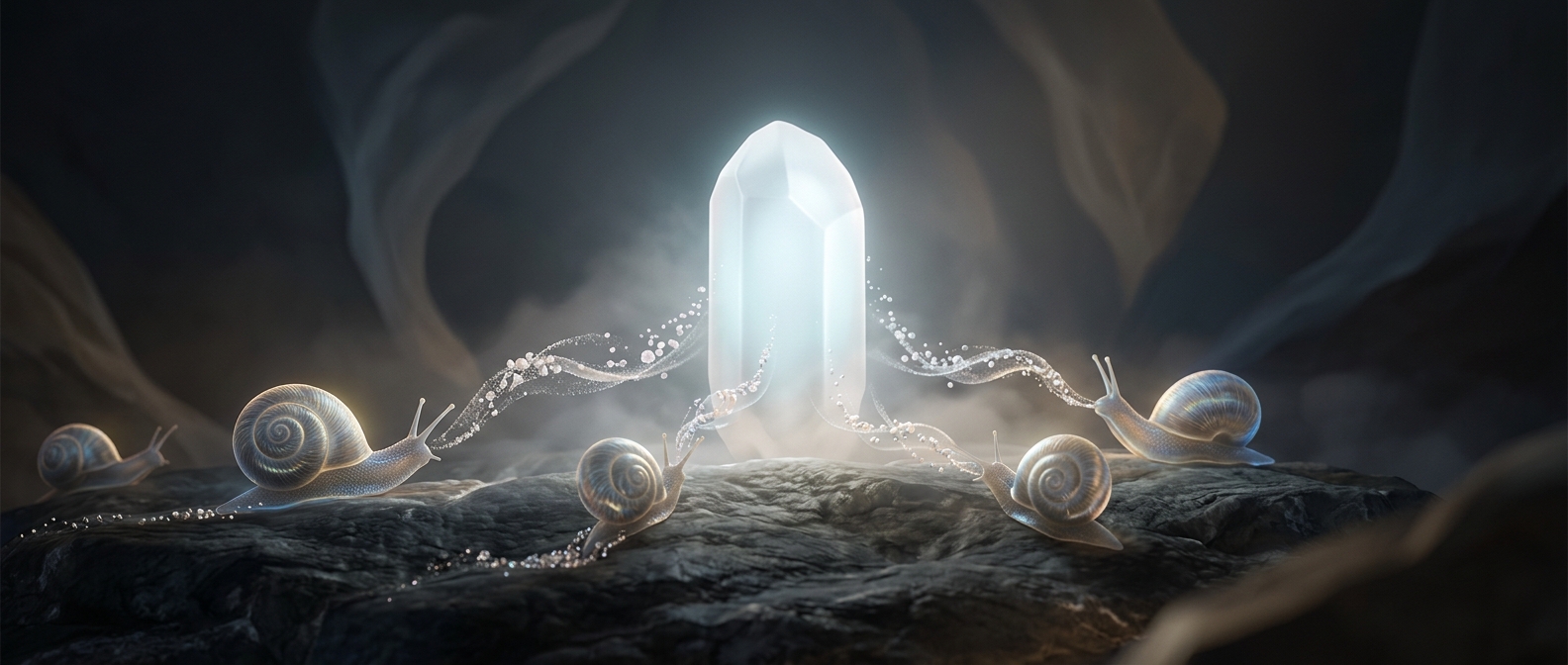
Snails eagerly consume enormous amounts of essential calcium
Snails scrape calcium-rich soil and old shells because they need the mineral to build and repair their own shells. As they grow, that supply helps keep the…
Discover more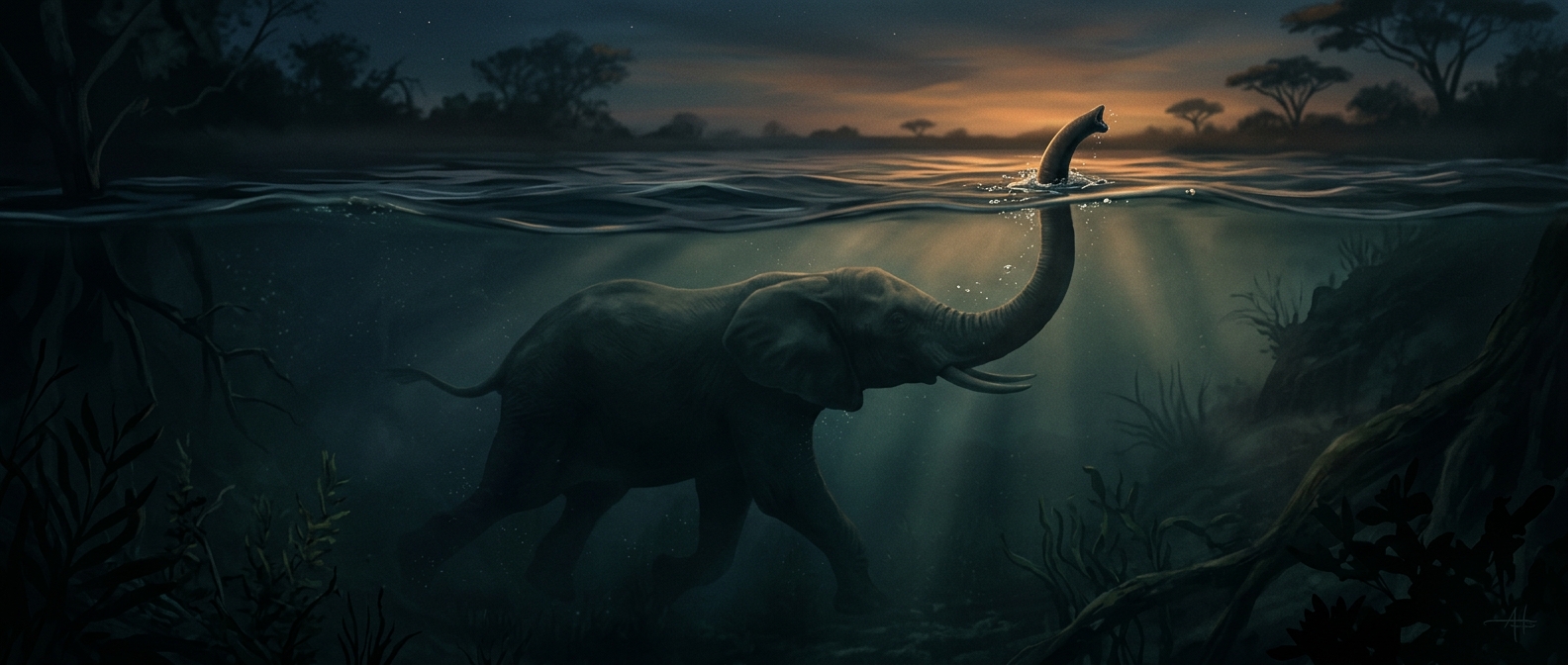
Elephants can use their trunks as snorkels
An elephant’s trunk is its nose, with the nostrils right at the tip. Keep that tip above water and it can keep drawing air while the rest of the elephant…
Discover more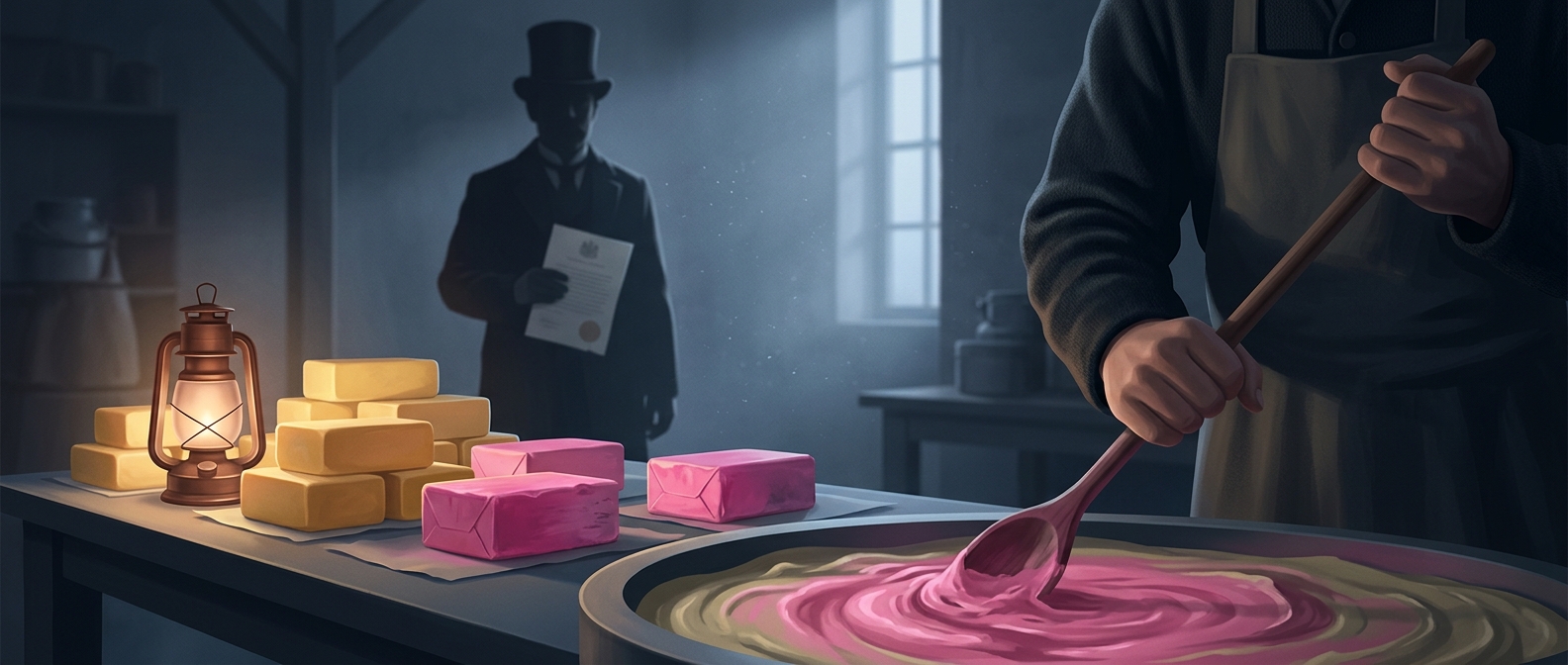
Why margarine was once dyed bright pink
The pink wasn’t a flavor choice: it was part of a fight over margarine’s appearance. Customers could mix a yellow dye capsule into pale margarine at home, but…
Discover more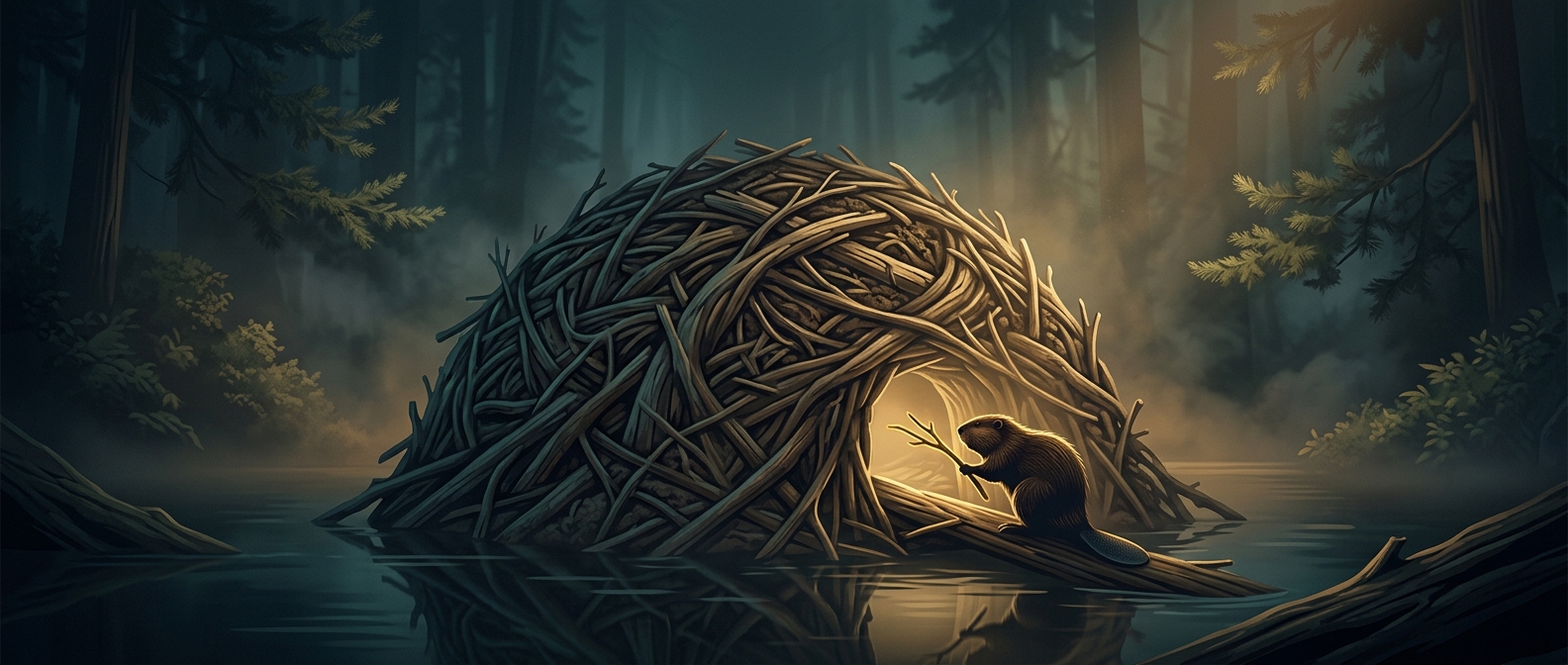
Beavers meticulously build intricate protective wooden lodges
Beavers enter their lodges through underwater tunnels, then climb into a raised chamber that stays dry. It’s a home with a moat built into the front door—and…
Discover more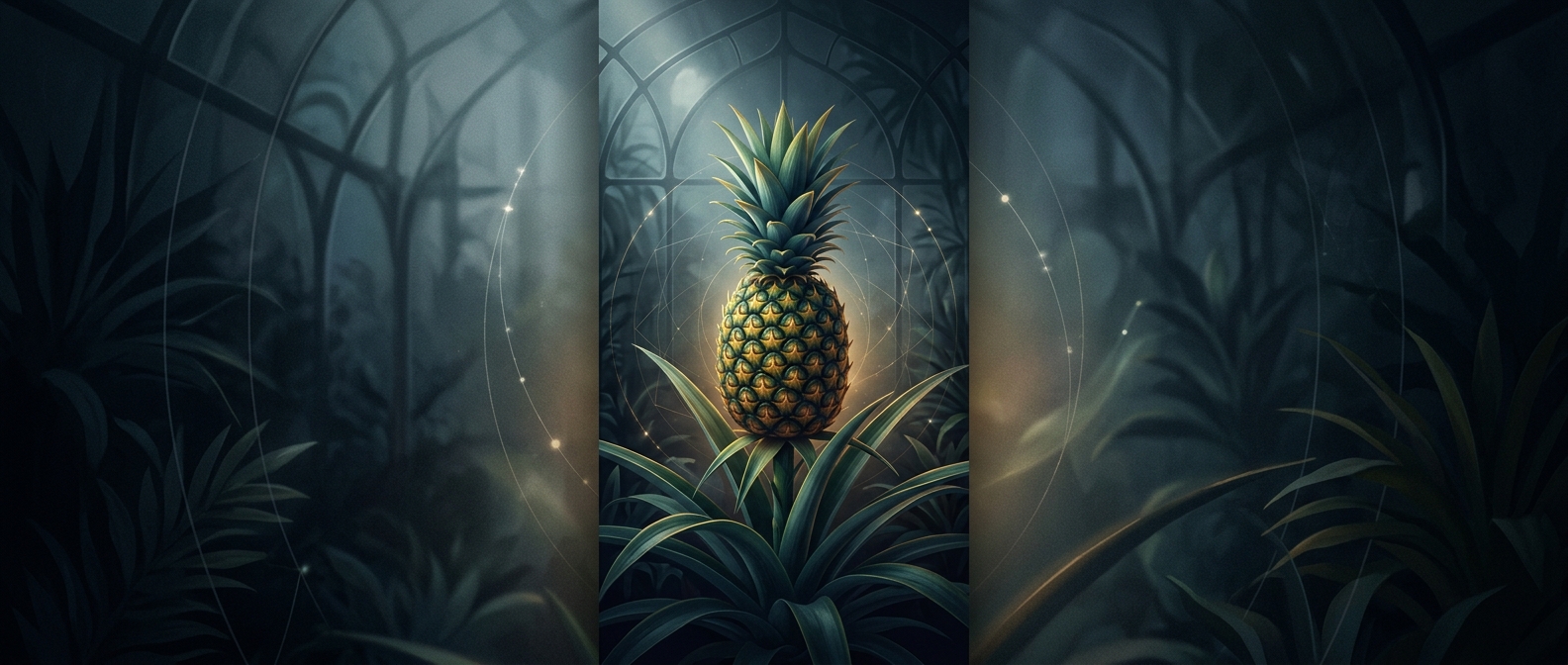
A pineapple grows once per fruiting shoot, not once per plant forever
After the main shoot fruits, side shoots can develop and produce a later crop. Growers can retain such growth for a ratoon harvest or use shoots to start new…
Discover more