How a Peanut Flower Turns Into a Buried Pod
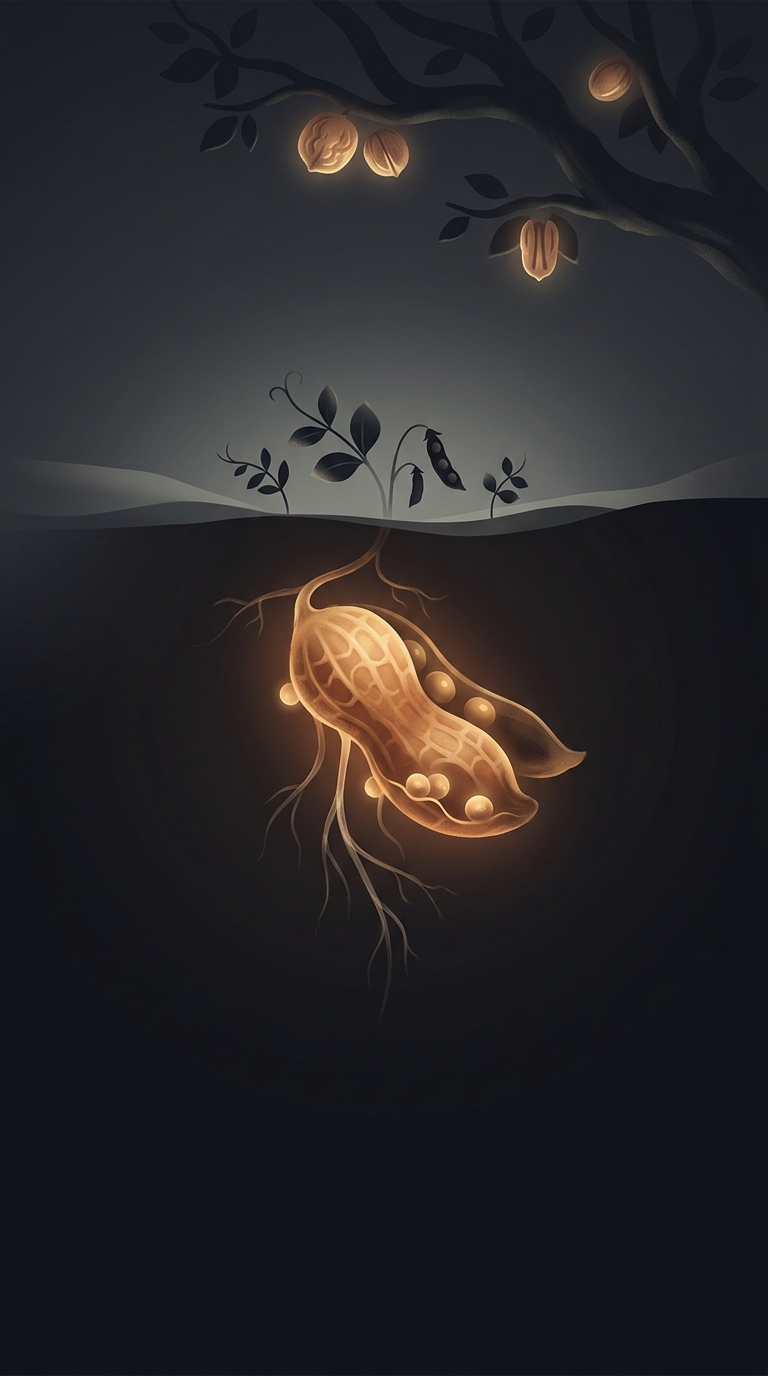
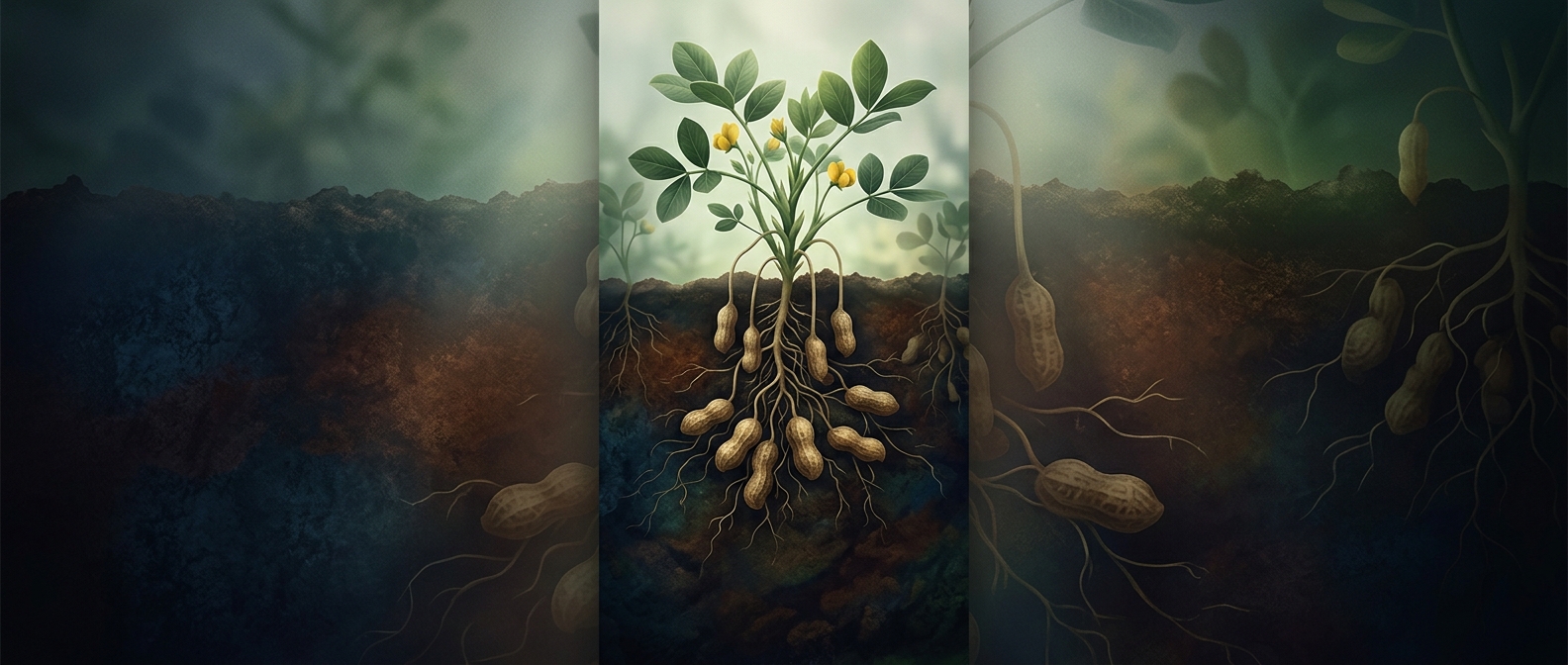
A peanut begins with an ordinary-looking flower above the soil. After pollination, the flower’s stem keeps growing and bends downward. Its tip, called a peg, pushes into the ground; the peanut pod develops there, at the end of the peg. The plant has not moved a finished fruit underground. It has carried the site where the fruit will form into the soil.
Why the Plant Sends Its Fruit Downward
This unusual route is part of the peanut’s reproductive strategy. The developing pod is protected by the surrounding soil, which buffers it from some drying and disturbance. Inside the pod, seeds mature in the familiar shells that are harvested and eaten as peanuts.
The underground setting also shapes how growers manage the crop. Peanut plants need loose, workable soil so pegs can enter it and pods can expand. Compacted ground can obstruct that development, while harvesting means lifting the plant and loosening the soil to retrieve pods that would otherwise remain buried.
A Legume With an Unusual Growing Habit
Peanuts belong to the legume family, alongside beans and peas, but most familiar legumes form their seed pods aboveground. Peanuts’ combination of aboveground flowering and underground fruit development is called geocarpy—a way of producing fruit in the earth. What looks like a flower stem disappearing into the ground is therefore the beginning of the crop’s harvestable pod, not a root or a seed being planted.