What lies between the fruit and the cup
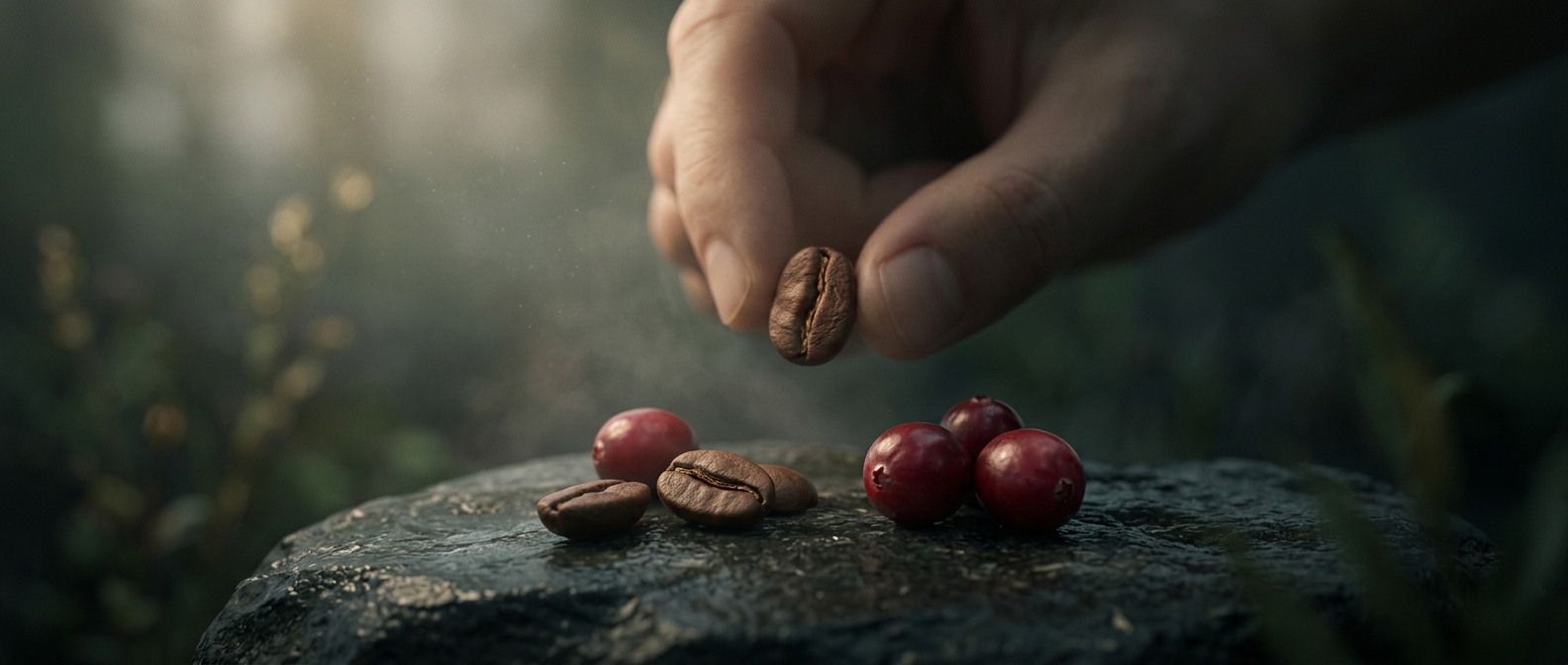
A coffee cherry is built in layers. Beneath its skin is fleshy pulp, followed by a sticky layer called mucilage. The seeds sit inside a tough, papery covering known as parchment. This structure matters because getting coffee ready to roast is not simply a matter of peeling off fruit: growers must separate the seeds from several layers while managing moisture so they can be stored safely.
Two routes to a dried seed
In the washed process, machines remove much of the skin and pulp, and water and fermentation help loosen the remaining mucilage. The seeds are then washed and dried. In the natural process, whole cherries dry first, often on raised beds or patios; workers turn them so they dry evenly before removing the dried fruit layers. These methods expose the seed at different stages, which can influence the flavors that develop during processing.
Once dry, the seeds are hulled to remove the parchment and other remaining coverings. The resulting green coffee is sorted and transported before roasting. Roasting heats the seed, changing its color, aroma, and flavor; grinding then exposes more surface area so hot water can extract coffee’s soluble compounds.
A small seed, a long transformation
The discarded-looking fruit is not just packaging. Its pulp and mucilage shape how the seed is handled and dried, while the choice of processing method changes the route from harvest to roaster. That means the cup begins with more than the seed itself: it also reflects how carefully the fruit surrounding it was removed—or allowed to dry.